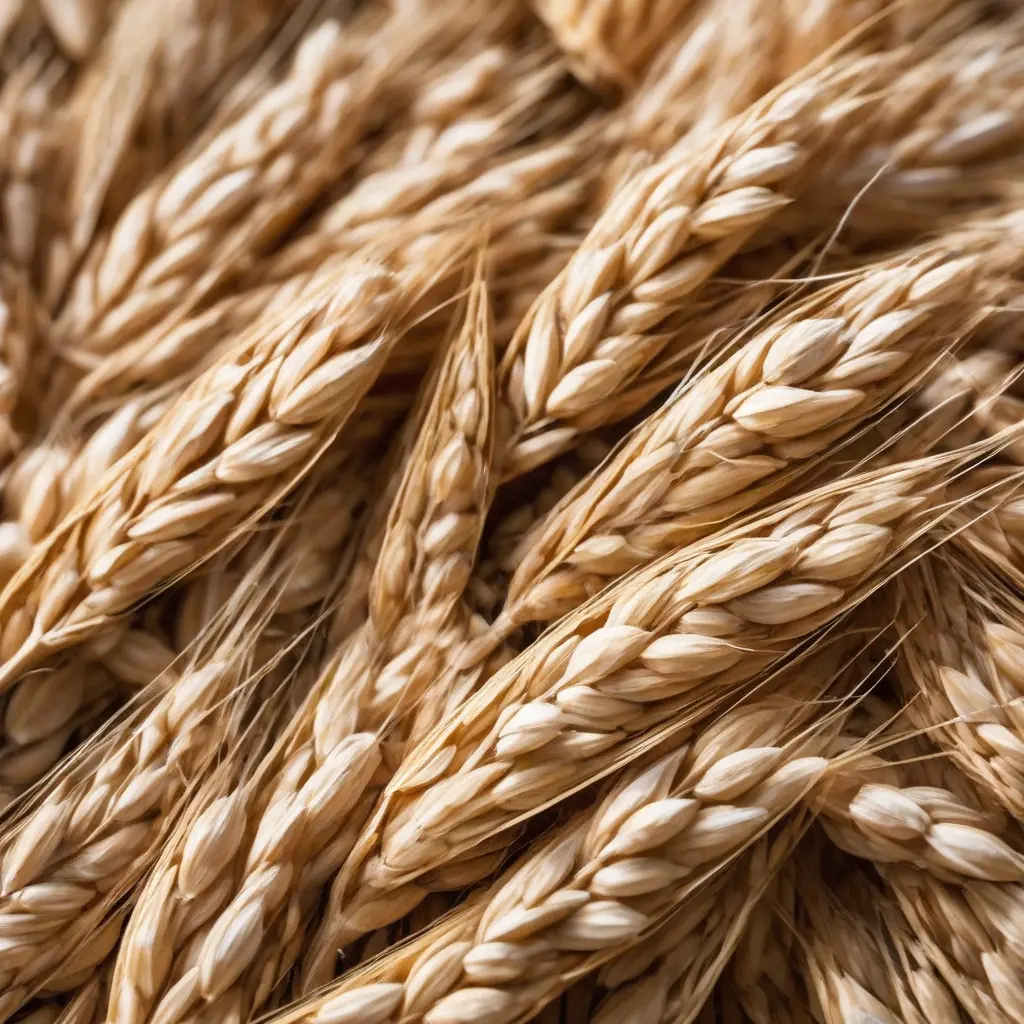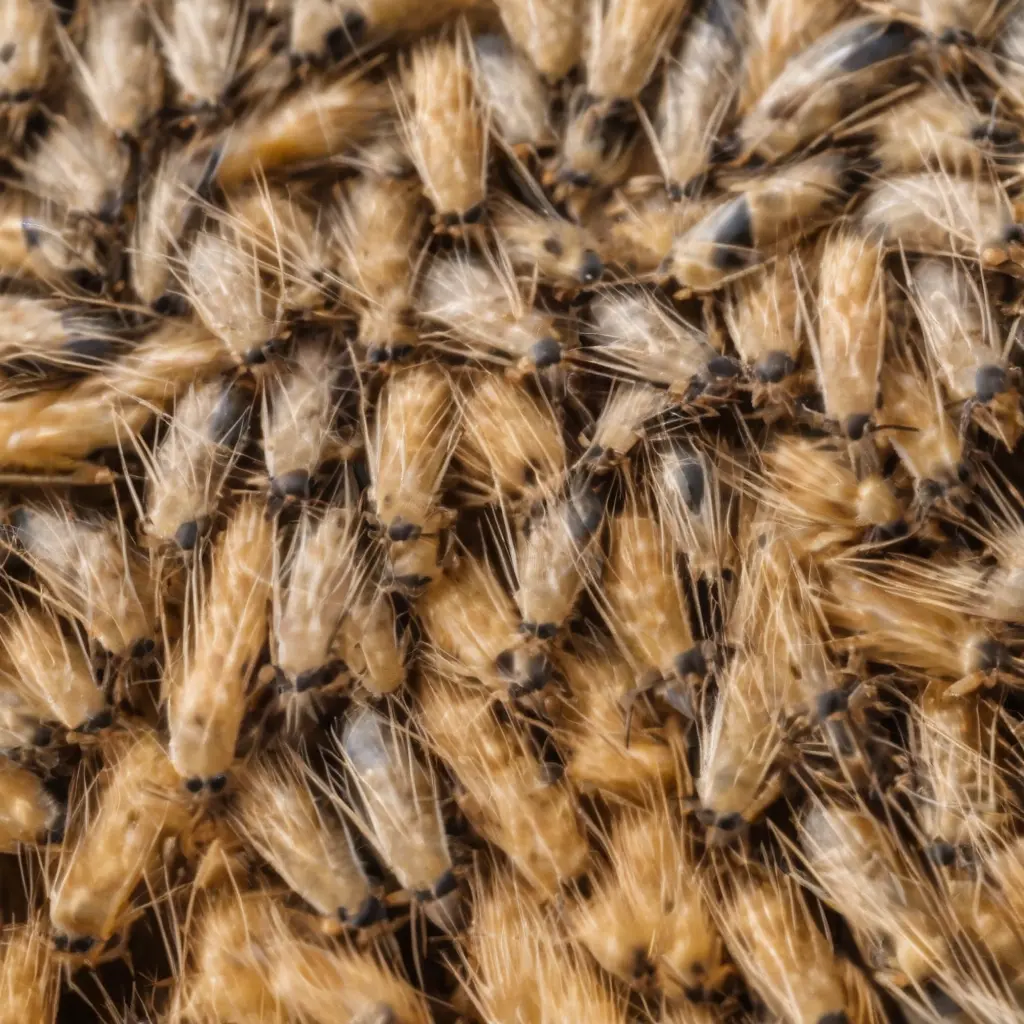
Effective grain storage is vital for maintaining quality and maximizing the yield of harvested crops. However, pests can significantly undermine these efforts by contaminating grains and leading to economic losses. Identifying potential pests early is essential for implementing robust prevention methods. In this article, we will explore common pests found in grain storage, effective identification techniques, and sustainable prevention strategies to ensure your grain remains safe and uncontaminated.
Common Pests Found in Grain Storage
Understanding the common pests that affect grain storage is crucial for effective pest management. Common culprits include weevils, grain moths, and rodents. Weevils are small beetles that burrow into grains, while grain moths are notorious for infesting stored grains and producing web-like structures. Rodents, on the other hand, not only consume grains but also contaminate them with droppings. Recognizing these pests can help in taking timely corrective measures.
Signs of Pest Infestation
Detecting a pest infestation in grain storage can be challenging, but there are clear signs to look for. These include unusual holes in grain bags, visible frass or droppings around storage areas, and webbing or cocoons. Additionally, a musty odor can indicate mold due to pest activity. Regular inspections can help identify these signs early, allowing for prompt action before the infestation spreads.
Importance of Regular Inspections
Conducting regular inspections of grain storage areas is key to effective pest management. Frequent checks on grain moisture levels, temperature, and cleanliness can help in detecting early signs of pest activity. It is essential to establish a routine inspection schedule to ensure that all storage boxes remain free from contaminants. These proactive measures can significantly reduce the risk of infestations.
Effective Grain Storage Practices
Implementing effective grain storage practices is critical for pest prevention. Keeping storage areas dry and well-ventilated can minimize moisture, which attracts pests. Additionally, storing grains in airtight containers can prevent infestations. It’s also important to keep storage areas clean by disposing of any spillage and debris that could harbor pests. Adopting these practices can create an environment inhospitable to pests.
Utilizing Temperature Control
Temperature control plays a significant role in pest management in grain storage. Many pests thrive at specific temperature ranges, so maintaining lower temperatures can inhibit their growth. Ideally, grain storage areas should be kept below 60°F (15°C). Installing temperature monitoring systems can help ensure that the environment is maintained at optimal levels, preventing pest proliferation.
Moisture Management in Grain Storage
Managing moisture levels is essential in preventing pest infestations in grain storage. High humidity can lead to mold growth, which attracts pests. Using moisture meters can help in keeping track of moisture content. Ideally, grain should be stored at moisture levels of 13% or lower. Implementing dehumidifiers in storage areas may also assist in maintaining optimal conditions critical for pest prevention.
Natural Pest Control Methods
Exploring natural pest control methods can be beneficial for grain storage management. Introducing beneficial insects, such as predatory beetles or parasitic wasps, can help keep pest populations in check. Additionally, natural repellents like diatomaceous earth can deter insects without the use of harmful chemicals. These eco-friendly alternatives provide effective pest control while ensuring the safety of stored grains.
Chemical Pest Control Options
In cases of severe infestation, chemical pest control options may be necessary. These can include insecticides specifically designed for use in grain storage. It is crucial to choose products that are safe and approved for use in food storage areas. Following label instructions carefully ensures safe application and minimizes risks. Although effective, chemical options should be used as a last resort and in conjunction with other preventive measures.
Educating Storage Personnel
Training storage personnel on pest identification and management is vital for upholding grain quality. Regular workshops can educate staff on what to look for and how to respond to potential infestations. Knowledgeable staff can perform inspections and take immediate action if needed, reducing the threat of pests. Incorporating pest management into staff responsibilities fosters a culture of awareness and care.
Maintaining Records of Pest Activity
Maintaining records of pest activity can greatly enhance your grain storage management strategy. Documenting sightings, inspections, and treatments provides insights into potential recurring issues. Such records can help in establishing patterns that inform future pest management practices. Utilizing a logbook or digital system to track this information can lead to more informed decisions and improved pest prevention.
Conclusion
Successfully identifying and preventing pests in grain storage involves a combination of vigilance, effective practices, and proactive management. By being aware of the common pests, establishing regular inspections, and implementing appropriate storage practices, you can protect your harvested grains from contamination. Utilizing both natural and chemical control methods as necessary, along with training and record-keeping, can create an integrated pest management approach, ensuring your grain remains safe and secure.