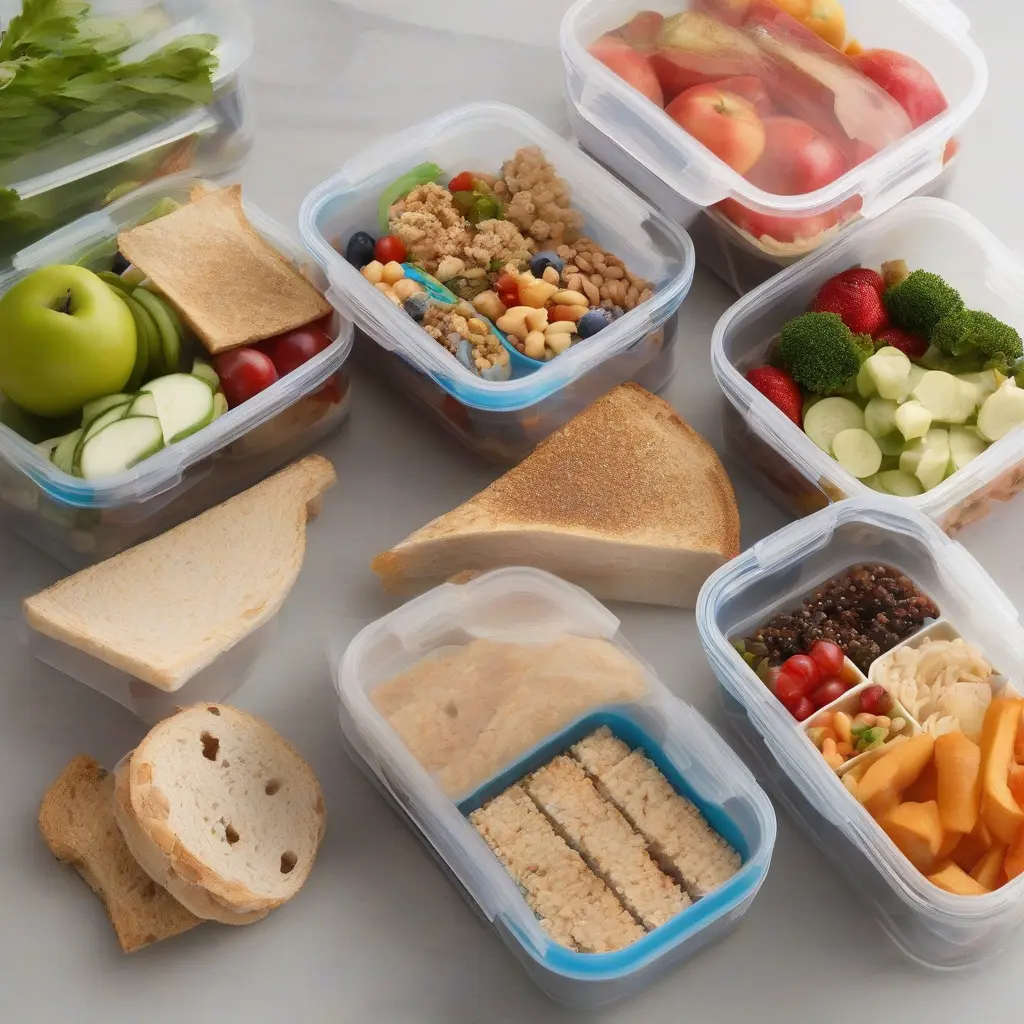
Storing leftovers properly is essential for ensuring food safety and minimizing waste. Airtight containers offer an effective solution by preventing air and moisture from spoiling food. These containers come in various sizes and materials, making them ideal for different types of leftovers. Not only do they help maintain the quality and flavor of your food, but they also extend its shelf life, allowing you to enjoy your meals at a later date. In this article, we’ll delve into the benefits of airtight containers, best practices for storing leftovers, and tips for choosing the right containers to meet your needs.
Benefits of Airtight Containers
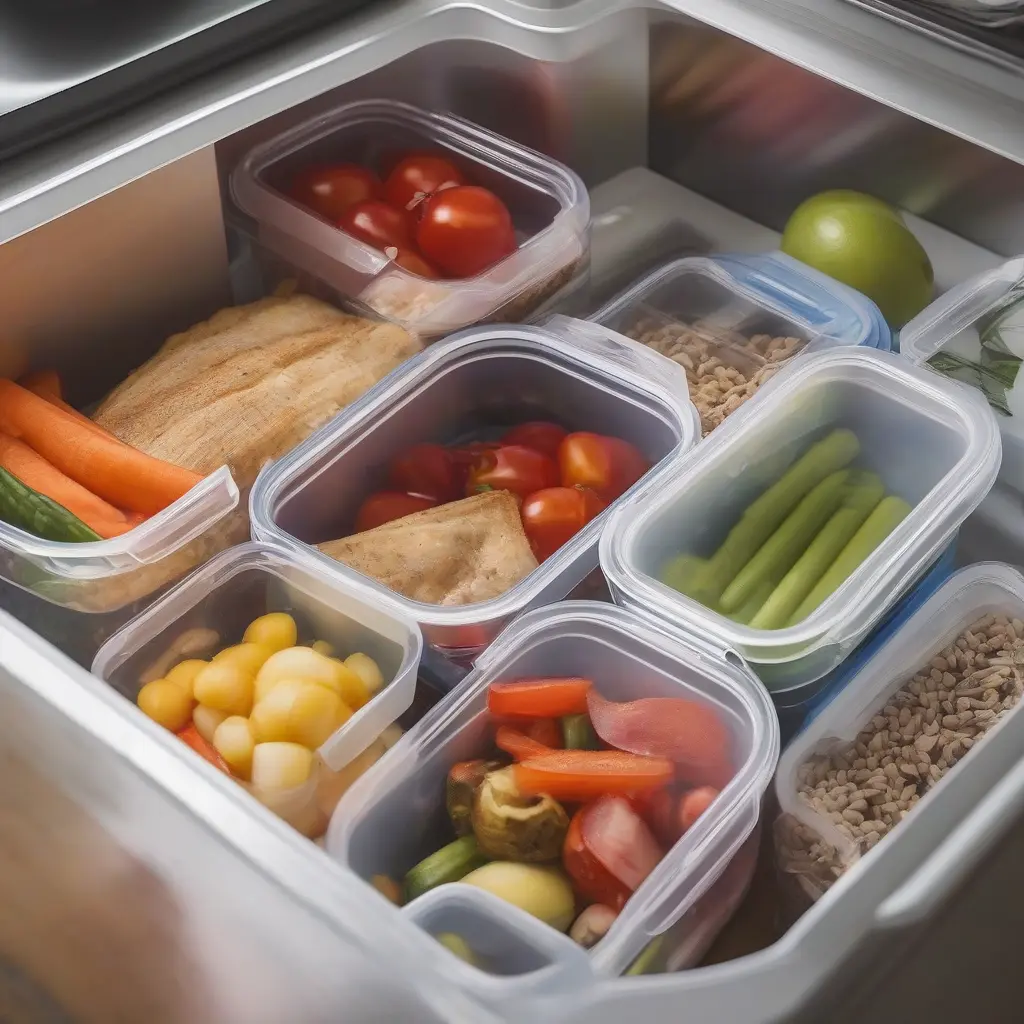
Airtight containers are designed to create a sealed environment that can significantly extend the shelf life of your food. By preventing air and moisture from entering, these containers minimize the growth of bacteria and mold, making your leftovers safer to eat. Additionally, airtight containers help retain the freshness and flavors of foods, ensuring that they taste as good the next day as they did when they were first made. By investing in these containers, you can save money in the long run by reducing food waste and preserving the quality of your meals.
Types of Airtight Containers
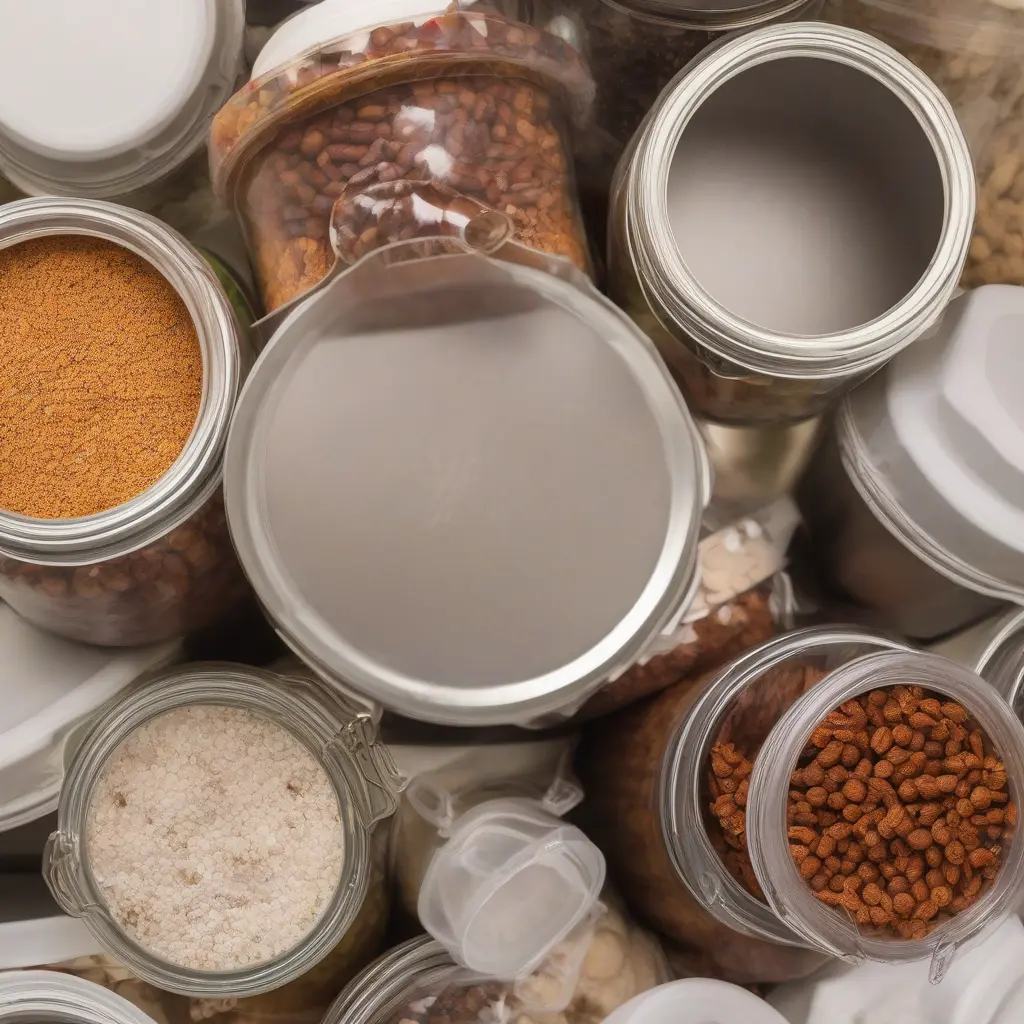
Airtight containers come in various types, including glass, plastic, and stainless steel, each with its own advantages and ideal uses. Glass containers are non-toxic and perfect for microwave and oven use, making them a versatile option for heating leftovers. Plastic containers, while lightweight and often less expensive, may not be suitable for high-heat applications. Stainless steel containers are durable and easy to clean but can be heavier and costlier. Understanding these differences will help you select the best container for your specific storage needs and cooking methods.
Best Practices for Storing Leftovers
To maximize the freshness and safety of your leftovers, it’s crucial to follow best practices for storage. First, ensure that leftovers are stored in airtight containers promptly after cooking, ideally within two hours to avoid bacterial growth. It’s also important to cool down the food completely before sealing it, as trapped steam can lead to moisture buildup and spoilage. Label each container with the contents and date to keep track of freshness. By adhering to these practices, you can make the most of your leftover meals.
Organizing Your Leftover Storage
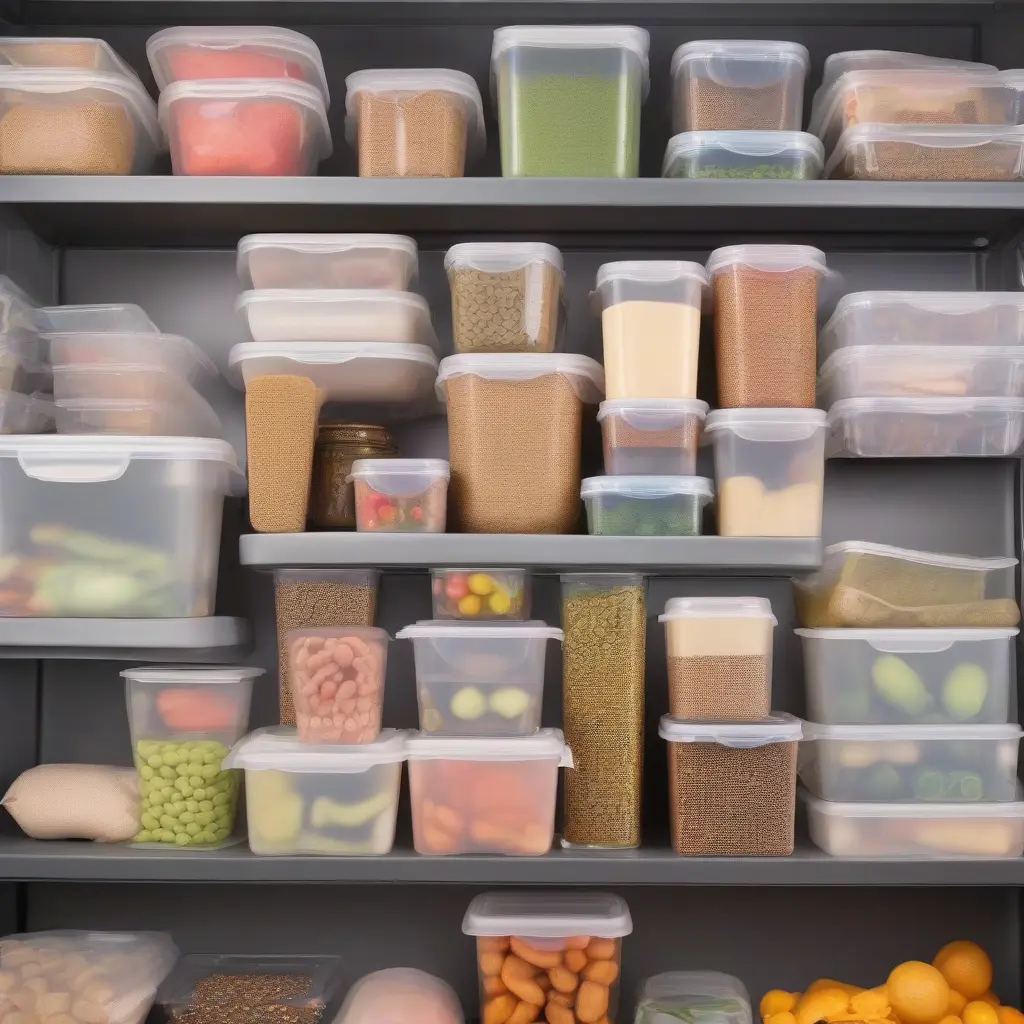
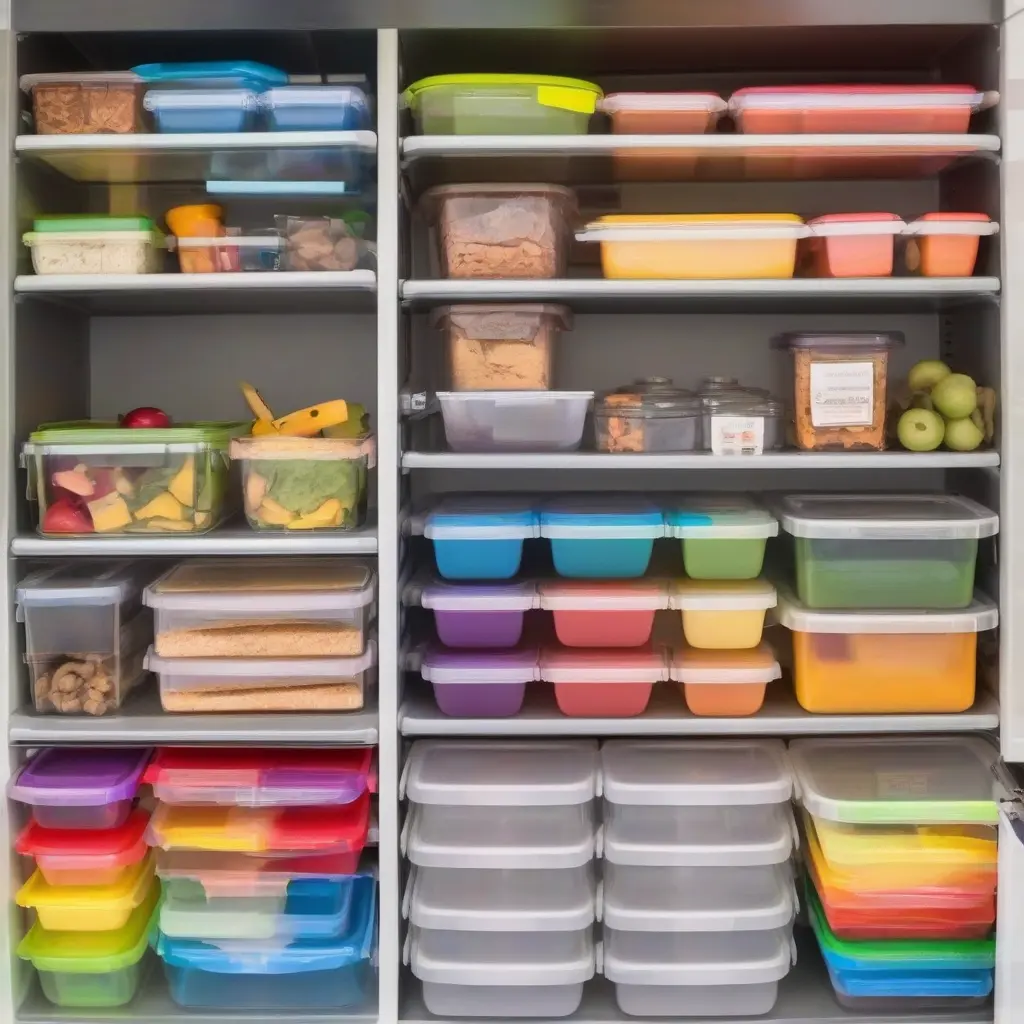
Organizing your leftover storage can improve efficiency and reduce waste. Start by designating a specific area in your refrigerator or pantry for airtight containers. Use stackable options to maximize space and ensure easy access to items. Group similar foods together, such as soups or casseroles, and utilize clear containers to quickly identify contents. By creating a systematic approach to leftover storage, you can easily find and enjoy your meals without rummaging through the fridge, leading to less food being forgotten or thrown away.
Cleaning and Maintaining Airtight Containers
Proper cleaning and maintenance of airtight containers are essential for ensuring food safety and longevity. Always follow the manufacturer’s instructions for washing and drying, as some materials may be dishwasher-safe while others require hand washing. Ensure that seals are free from food residue, as this can compromise their effectiveness. Regularly inspect the condition of your containers and replace any that show signs of wear or damage. By maintaining your containers, you can continue to enjoy their benefits for many years.
Eco-Friendly Options for Airtight Storage
With increasing awareness about environmental issues, choosing eco-friendly airtight containers can be a responsible choice. Look for containers made from sustainable materials, such as glass or BPA-free plastics. Many brands also offer reusable silicone bags or containers that are designed to minimize waste. By opting for eco-friendly options, you not only help the environment but also ensure that you’re using safe materials for food storage. This choice aligns with a broader commitment to sustainability while maintaining the quality of your food.
Common Mistakes in Leftover Storage
Understanding common storage mistakes can help you better manage your leftovers. One frequent error is overfilling containers, which can prevent airtight seals from forming and promote spoilage. Additionally, neglecting to cool food before sealing allows moisture to accumulate, leading to mold growth. It’s also vital to avoid using old or damaged containers, as they may compromise food safety. By acknowledging these pitfalls, you can improve your leftover storage practices and make the most out of your meals.
Benefits of Labeling Your Leftover Containers
Labeling your leftover containers is a simple yet effective practice that enhances food management. By writing down the contents and storage date, you can easily track leftovers and ensure they are consumed before spoilage occurs. This practice not only helps prevent food waste but also allows you to plan meals more efficiently. Additionally, when using multiple containers, labels can aid in identifying specific dietary needs or preferences within a household. Overall, labeling adds convenience and organization to your leftover storage routine.
Conclusion
Storing leftovers using airtight containers is a highly effective method for maintaining food quality and safety. By understanding the various types of containers, best storage practices, and organizational methods, you can minimize waste and enjoy your meals at a later date. Incorporating these tips into your kitchen routine can lead to long-lasting benefits, contributing to both efficiency and sustainability in food management.