Storing grains in humid climates poses significant challenges due to increased moisture levels that can lead to spoilage, mold, and pest infestations. Implementing effective storage practices is crucial to maintaining the quality and longevity of grains. This article outlines best practices for grain storage, focusing on optimal conditions, containers, and regular maintenance. By understanding the unique requirements of storing grains in high humidity, farmers and consumers alike can protect their investments and ensure that grains remain safe for consumption.
Understanding Humidity and Its Effects
Humidity refers to the amount of moisture present in the air, and high levels can significantly impact grain storage. In humid climates, grains are particularly susceptible to spoilage because excess moisture encourages the growth of mold and bacteria. Additionally, high humidity levels can attract pests like rodents and insects, which exacerbate the storage issue. Therefore, it is essential to monitor humidity levels closely and take appropriate measures to manage them effectively.
Choosing the Right Grain Storage Container
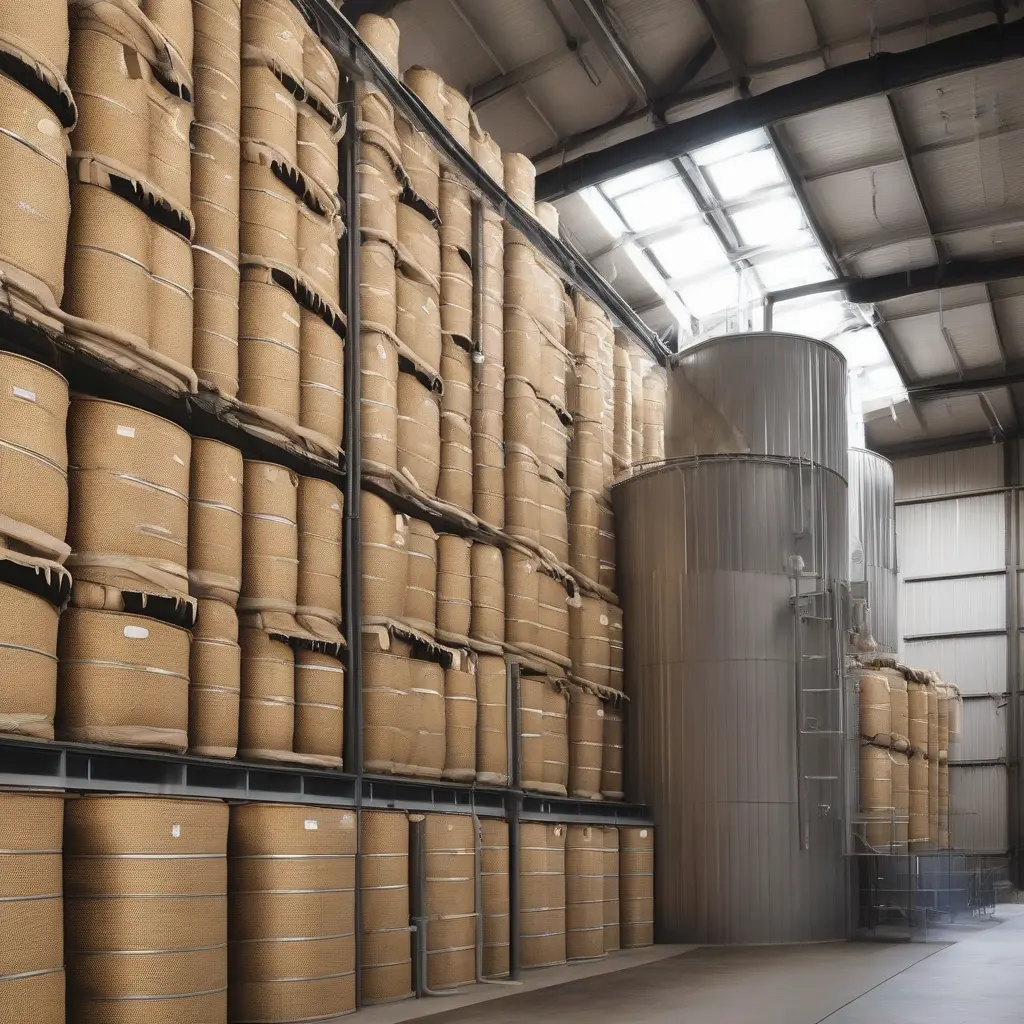
When storing grains in humid conditions, selecting the appropriate storage container is crucial. Airtight containers made of durable materials such as plastic or metal are ideal as they help to keep moisture out. Grain storage boxes with tight-sealing lids can prevent humidity from infiltrating and protect grains from pests. Avoid using permeable materials like cloth or certain types of wood that can absorb humidity, leading to spoilage and contamination.
Optimal Temperature for Grain Storage
Maintaining a stable temperature is vital for preventing grain spoilage in humid climates. Ideally, grains should be stored in a cool, dry area where temperatures remain consistently low. Fluctuating temperatures can cause condensation inside storage containers, which increases humidity and heightens the risk of mold growth. Utilizing temperature-controlled storage facilities or insulated containers can be beneficial, especially during hot and humid months, to ensure a suitable environment for grain longevity.
Using Desiccants for Moisture Control
Incorporating desiccants into grain storage can significantly help combat humidity. Desiccants are substances that absorb moisture, effectively keeping the internal environment of stored grains dry. Silica gel packets or other moisture-absorbing agents can be placed inside containers to enhance their drying capabilities. This method is particularly beneficial in regions where humidity is consistently high, as it provides an additional layer of moisture control, thus prolonging grain shelf life.
Regular Inspection and Maintenance
Routine inspections and maintenance are essential for successful grain storage. Checking storage containers for signs of moisture accumulation, mold, or pests should be a regular task. It’s advisable to empty and clean containers periodically to prevent any buildup of spoilage indicators. Taking proactive measures such as frequently monitoring grains and cleaning storage areas can help detect problems early and maintain a healthy storage environment.
Ventilation to Prevent Moisture Buildup
Proper ventilation is a critical factor in grain storage in humid climates. Adequate airflow around containers helps to dissipate any trapped moisture, preventing the onset of mold and spoilage. Storage facilities should be designed to promote airflow, and grain containers should not be stacked too closely together. Implementing a simple ventilation system or using ventilated containers can significantly enhance the storage conditions, reducing the humidity surrounding the grains.
Kilning and Drying Grains Before Storage
Drying grains before placing them in storage is a fundamental practice for minimizing spoilage in humid environments. Kilning or drying grains reduces their moisture content, making them less susceptible to mold and insects. This process often involves using a dryer or sun-drying technique, depending on the grain type and local climate conditions. Ensuring that grains are adequately dried prior to storage will greatly extend their shelf life and maintain quality.
Utilizing Oxygen Absorbers
Oxygen absorbers can be a useful addition to grain storage practices, especially in humid conditions. These packets contain iron powder that absorbs oxygen, which is essential for the growth of pests and mold. By reducing oxygen levels within storage containers, the likelihood of spoilage is significantly decreased. Integrating oxygen absorbers with airtight containers provides an enhanced protective barrier that helps preserve grain quality over time.
Implementing a First-In, First-Out System
Adopting a First-In, First-Out (FIFO) inventory system is vital for grain storage management. This method ensures that older grains are used before newer ones, reducing the risk of spoilage over time. Regularly rotating the stored grains helps maintain freshness and stops any potential losses from accumulation. This practice is especially important in humid climates, where grains are more prone to spoilage due to environmental factors.
Educating Yourself on Grain Types
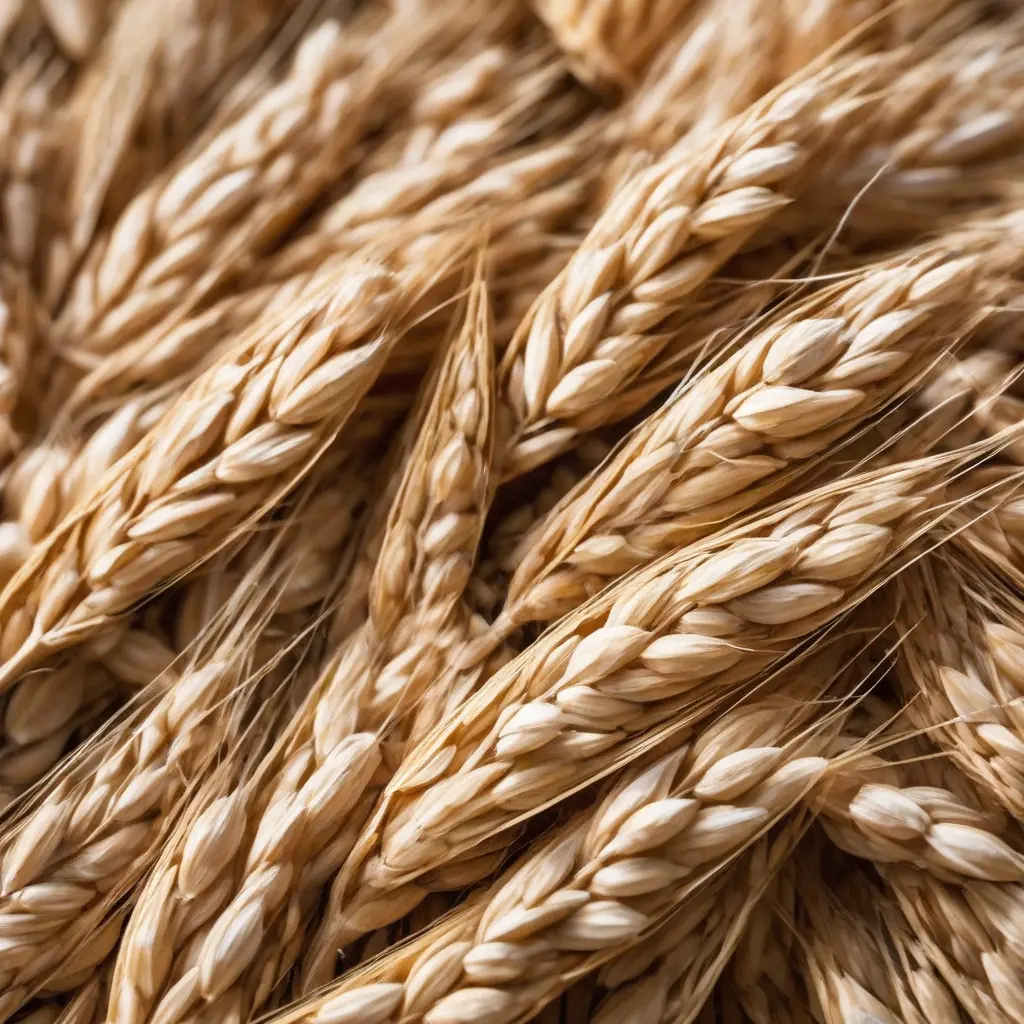
Different types of grains have varying moisture tolerance levels and storage needs. Understanding the specific requirements for grains such as rice, wheat, or corn can lead to better storage practices. Some grains may require drier conditions than others, while some might be more tolerant of slight humidity. Familiarizing yourself with the characteristics of each grain type will help tailor storage methods, enhancing overall effectiveness and prolonging grain lifespan.
Conclusion
Storing grains in humid climates requires careful attention to detail and implementation of best practices to ensure quality and safety. By understanding humidity’s effects, selecting appropriate storage containers, and using additional moisture control measures, you can significantly mitigate spoilage risks. Regular maintenance and a proactive approach will help maintain optimal conditions for grain storage, ultimately preserving these vital resources for longer periods.