Airtight containers are essential tools in emergency preparedness and effective food storage strategies. They provide a reliable way to preserve the freshness and nutritional value of food, safeguard against pests, and prevent contamination. Understanding different types of airtight containers and how to utilize them appropriately can greatly enhance your preparedness plans. Whether you are stocking up on non-perishables for an emergency or simply looking to extend the life of your pantry staples, these containers play a vital role. This article will guide you through the various uses and benefits of airtight containers, along with best practices for maximizing their effectiveness in both emergency and everyday contexts.
Types of Airtight Containers
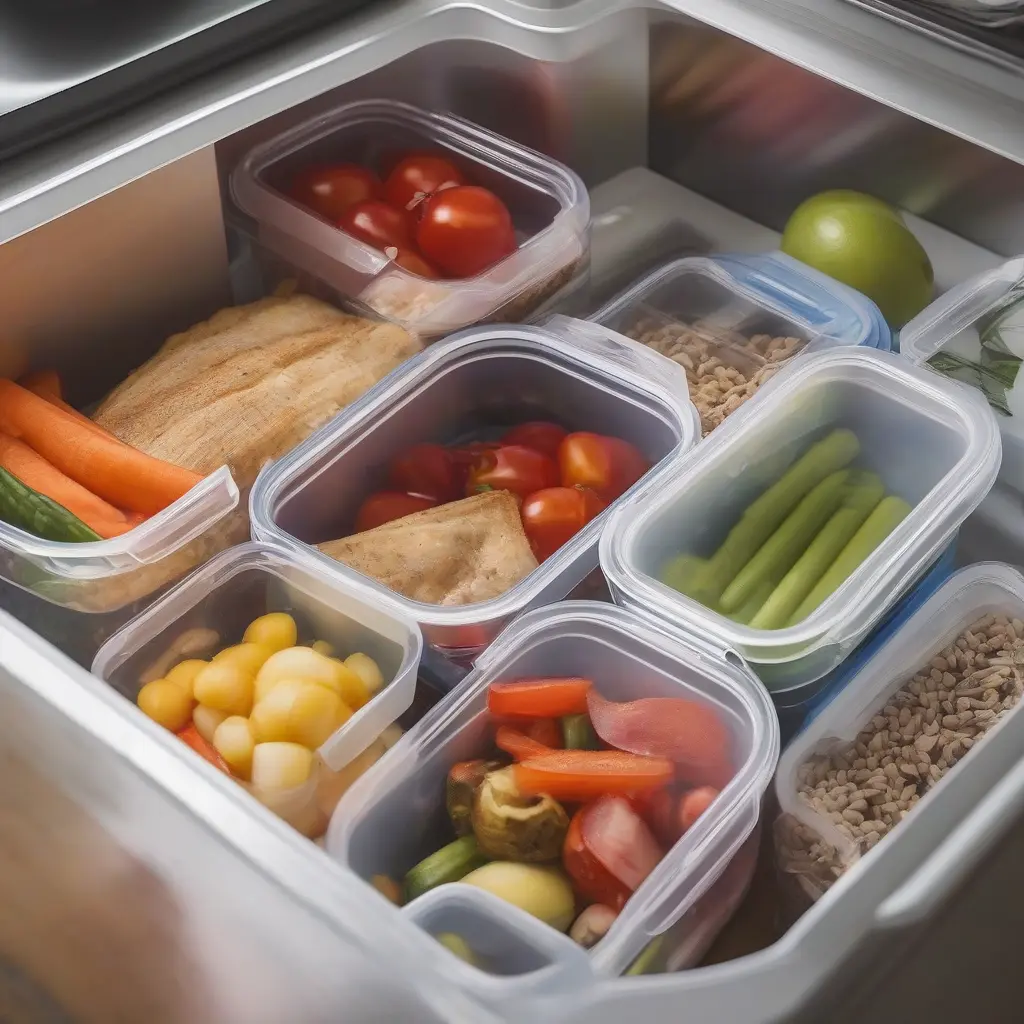
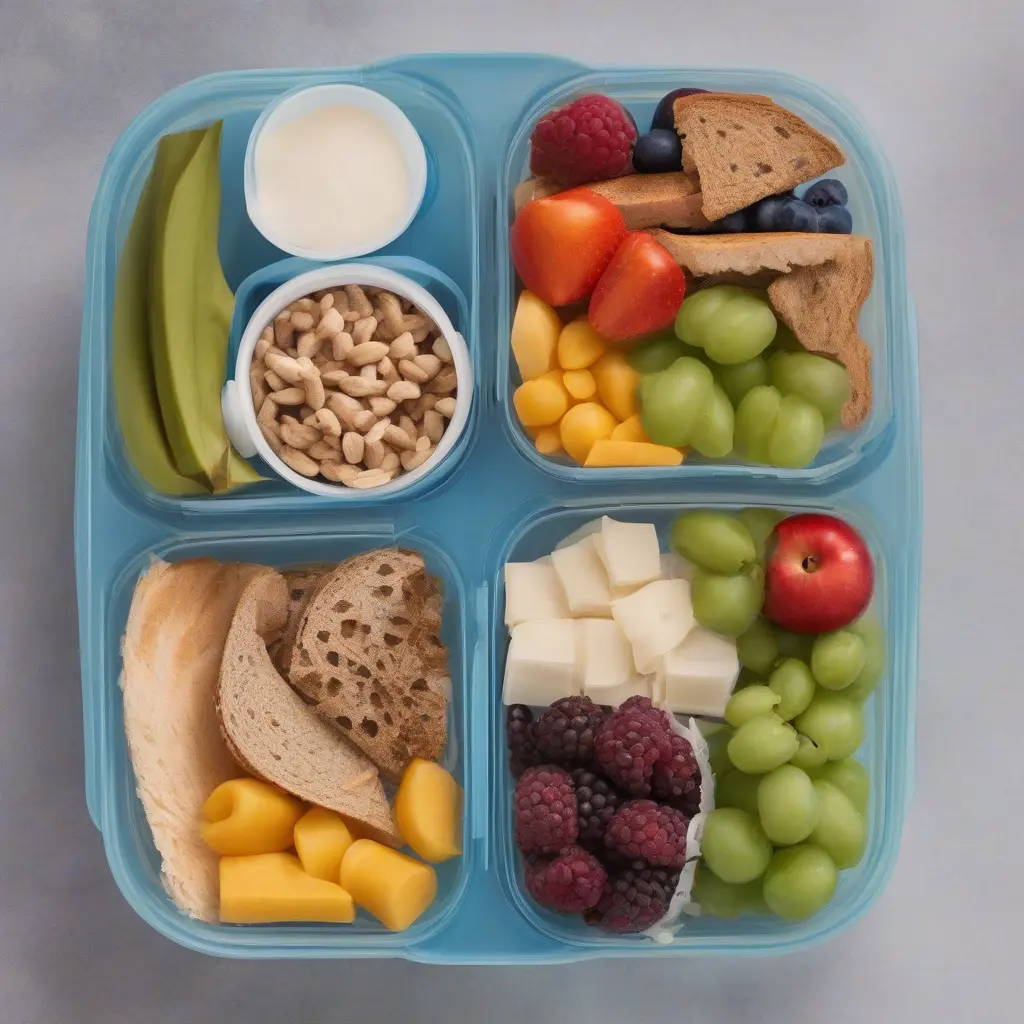
Airtight containers come in various types, each designed for specific purposes. Common varieties include glass jars, plastic containers, and vacuum-sealed bags. Glass jars, often used for dry goods like grains and pasta, are durable and non-reactive, making them perfect for long-term storage. Plastic containers are lightweight and versatile, suitable for both pantry and refrigerator use. Vacuum-sealed bags are excellent for reducing air exposure, significantly extending shelf life for foods. Each type has its advantages, and selecting the right container depends on your storage needs and the type of food you are preserving.
Benefits of Using Airtight Containers
The primary benefit of using airtight containers is their ability to preserve food quality for extended periods. They prevent moisture, air, and light from damaging products, significantly slowing down spoilage and nutrient loss. Additionally, these containers help deter pests, which is particularly important when storing dry foods like grains and cereals. By reducing the risk of contamination, airtight containers help ensure that meals remain safe and nutritious. They also promote organization within your pantry or storage space, allowing easy labeling and inventory tracking, which is vital in emergency preparedness.
Best Practices for Food Storage
To maximize the benefits of airtight containers, it’s crucial to practice proper food storage methods. Start by cleaning the containers thoroughly before use to prevent contamination. Always ensure that the containers are completely dry before adding food items to minimize moisture. Use clear containers whenever possible, as they allow easy visibility of contents, making inventory control easier. Label each container with the contents and expiration date to stay organized. It’s also wise to rotate your stock regularly, ensuring older items are used first, thus reducing waste and maintaining food quality.
Sealing Techniques for Airtight Containers
Utilizing proper sealing techniques is vital for maintaining an airtight environment. For glass jars, ensure the lid is securely fastened, and consider using vacuum sealing for long-term storage. When using plastic containers, press out as much air as possible before sealing to enhance preservation. Vacuum-sealed bags can significantly improve shelf life; utilize a vacuum sealer for optimal results. Be sure to check seals periodically for wear or loss of airtightness, as maintaining a barrier against outside factors is essential for food preservation.
Emergency Preparedness Planning
Integrating airtight containers into your emergency preparedness plan can make a significant difference in crisis situations. Start by identifying essential food supplies that would sustain your household for an extended period, focusing on non-perishable items. Fill your airtight containers with these foods, ensuring that they are properly sealed and labeled. It’s also beneficial to store a variety of food types to meet dietary needs during emergencies. Regularly reviewing and updating your stock, while practicing using your emergency supplies, will help ensure that you are well-prepared for any unforeseen events.
Common Mistakes to Avoid
While airtight containers are invaluable for food storage, certain common mistakes can diminish their effectiveness. One mistake is overfilling containers, which prevents proper sealing and can lead to spoilage. Another error is failing to label containers, causing confusion about contents and expiration dates. Additionally, using containers that are not specifically designated as ‘airtight’ can result in moisture and air intrusion. Lastly, neglecting to periodically check the condition of your stored foods can lead to wasted supplies. Being mindful of these pitfalls can help you maintain a robust food storage system.
Long-term vs Short-term Storage
Understanding the difference between long-term and short-term storage is essential when using airtight containers. Long-term storage typically involves foods that you intend to keep for months or years, such as grains, beans, and freeze-dried meals. For this, consider using vacuum-sealed bags or tightly sealed glass jars. Short-term storage, on the other hand, is suitable for perishable items like snacks and leftovers that you plan to consume within weeks. Using appropriate containers for each type ensures optimal freshness and safety, which is essential for both daily use and emergency situations.
Organizing Your Storage Space
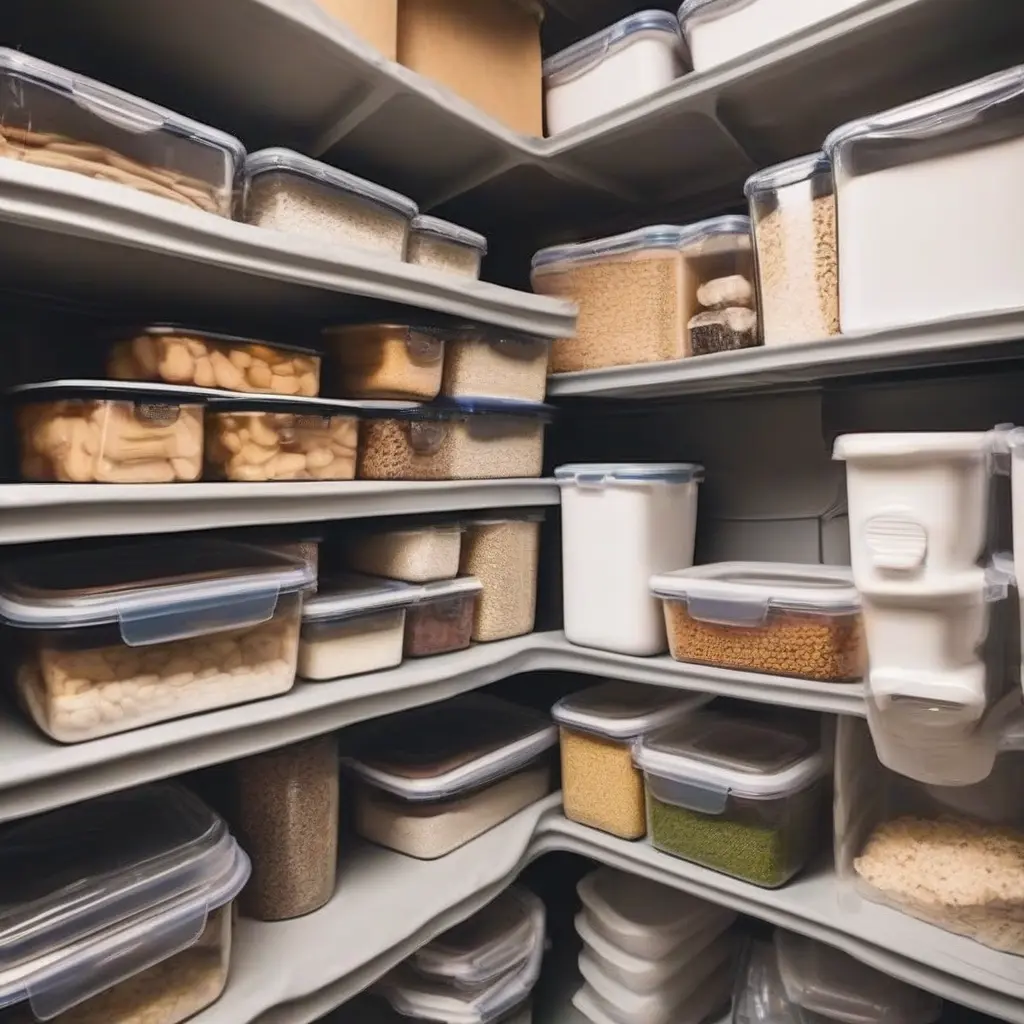
Effective organization of your storage space enhances the benefits of airtight containers. Start by designating specific areas for different food types to create a systematic approach. Utilize shelves or bins to keep similar items together, ensuring easy access during emergencies. Label everything clearly, indicating contents and expiration dates to streamline your inventory. Regular rotation of food items, applying the ‘first in, first out’ method, can minimize waste. Such organization not only increases efficiency but also offers peace of mind that your emergency supplies are ready for use.
Cleaning and Maintenance
Regular cleaning and maintenance of your airtight containers are crucial for effective food preservation. Always wash containers with hot, soapy water after each use to remove any residues or contaminants. For stubborn stains, consider using baking soda or vinegar, which are safe and effective cleaners. Allow containers to air dry completely before refilling them with food to prevent moisture accumulation. Additionally, inspect seals and lids frequently, replacing them if they show signs of wear. Proper care ensures that your containers remain effective in protecting your food supply.
Conclusion
In conclusion, airtight containers play a vital role in emergency preparedness and food storage strategies. By choosing the right types of containers, employing best practices in food storage, and maintaining them effectively, you can significantly enhance the quality and safety of your food supplies. Proper organization and understanding of long-term versus short-term storage can help fortify your emergency preparedness plan, ensuring that you are ready for unexpected situations while minimizing waste. Incorporating these practices into your routine can ultimately lead to better food management and peace of mind.