Grain preservation is essential for maintaining quality and preventing spoilage. Utilizing appropriate storage containers plays a crucial role in this process. Understanding the science behind how grains are affected by various environmental factors helps in choosing the right storage solutions. This article explores the mechanisms of grain preservation, the ideal conditions for storage, and the innovative technologies available in grain storage boxes. By delving into these key areas, we aim to equip you with the knowledge needed to ensure that your grains remain fresh and safe for consumption.
Understanding Grain Composition and Its Impact on Storage
The composition of grains impacts their storage requirements significantly. Grains contain moisture, oils, carbohydrates, and proteins, all of which can deteriorate if not stored correctly. For example, too much moisture can lead to mold growth and spoilage, while too little can cause grains to become excessively dry or lose flavor. Oils in grains can become rancid if exposed to air and light. Understanding these components allows for better choices in grain storage containers, ensuring an optimal environment that mitigates deterioration.
Optimal Temperature and Humidity Levels for Grain Storage
Temperature and humidity are two pivotal factors affecting grain preservation. Ideal storage conditions generally fall within a temperature range of 32 to 50°F and a humidity level of 12-14%. Higher temperatures can speed up the metabolic processes in grains, leading to spoilage. Similarly, elevated humidity levels can promote mold and insect infestations. Grain storage boxes designed with temperature control features or moisture absorbers can significantly reduce these risks. Understanding these optimal levels is essential for maintaining grain quality and extending shelf life.
Role of Oxygen in Grain Storage
Oxygen is a vital component that can have both positive and negative effects on stored grains. While grains require oxygen for respiration, excessive exposure can lead to oxidation, loss of flavor, and nutritional degradation. Vacuum-sealed storage containers and oxygen-absorbing packets can help minimize oxygen levels inside storage boxes. Such methods can significantly prolong shelf life, allowing grains to maintain their nutritional quality. A balanced approach to oxygen management is essential for optimal grain preservation.
Insect and Pest Management in Grain Storage
Pests pose a considerable threat to grain preservation and can cause significant losses if not managed effectively. Various insects, such as weevils and grain moths, can infest stored grains, leading to contamination and spoilage. Using airtight storage containers can greatly minimize the risk of pest intrusion. Additionally, employing natural deterrents, such as diatomaceous earth or essential oils, can provide another layer of protection. Understanding pest behavior and integrating effective management strategies are crucial for preserving grain integrity.
Innovative Technologies for Grain Storage Containers
Modern technology has introduced innovative solutions for improved grain storage. Smart storage containers equipped with sensors can monitor temperature, humidity, and oxygen levels in real-time. These technologies not only help in maintaining optimal storage conditions but also alert users when adjustments are necessary. Some containers feature built-in pest control systems or UV protection, further enhancing preservation effectiveness. Exploring these advancements can provide significant benefits for both commercial and residential grain storage.
Importance of Regular Monitoring and Maintenance
Regular monitoring of stored grains is essential for early detection of any potential issues. Routine checks for pest activity, moisture levels, and overall grain condition can prevent larger problems from developing. It’s also crucial to clean storage containers periodically to eliminate any residues that could attract pests or foster mold growth. Establishing a maintenance schedule enhances the longevity of storage systems and ensures that grains remain in optimal condition over time.
Best Practices for Grain Storage in Containers
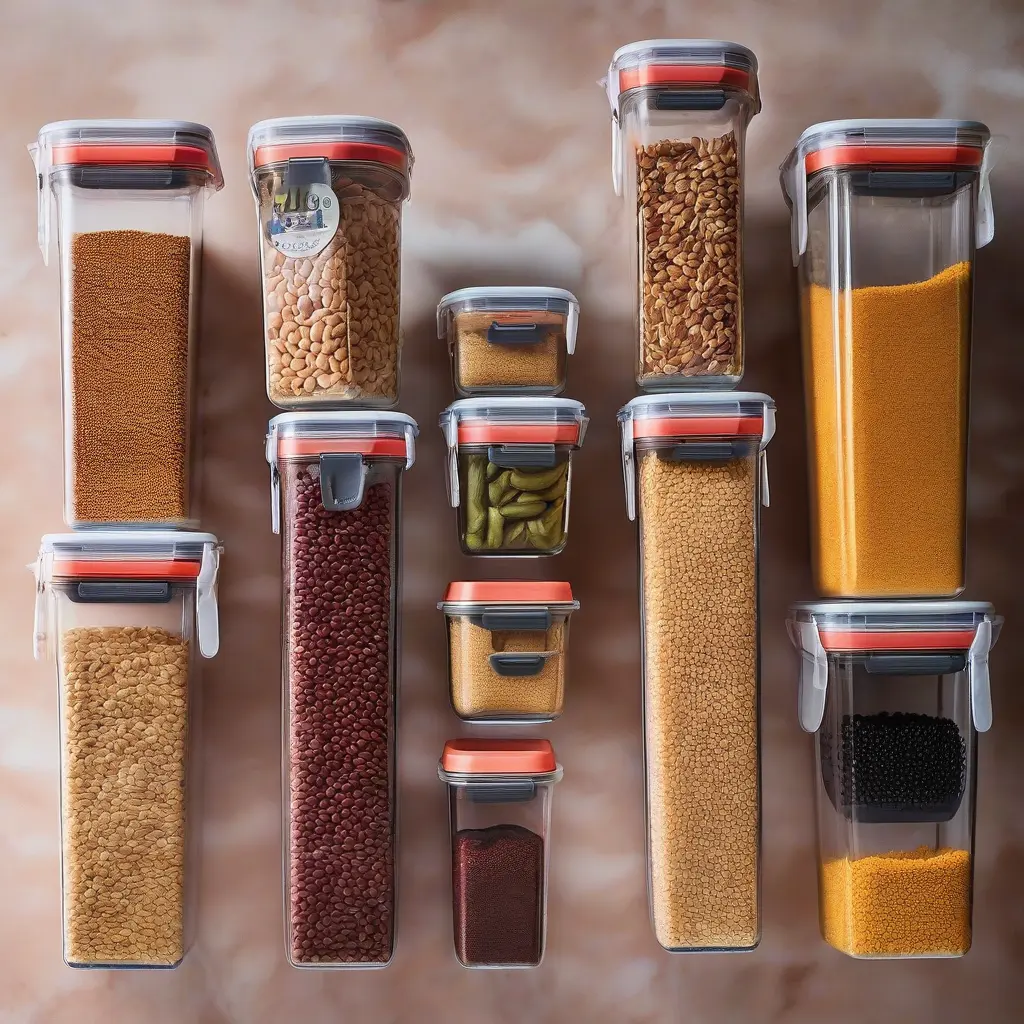
Implementing best practices in grain storage can vastly improve preservation outcomes. First, choose containers made from materials that are non-toxic and moisture-resistant. Next, fill containers only to the recommended capacity to allow airflow and prevent condensation buildup. Labeling containers with storage dates can help track freshness and manage inventory effectively. Furthermore, always utilize food-grade storage solutions and ensure that grains are fully cooled before packing them, as this reduces the potential for moisture accumulation.
Common Mistakes to Avoid in Grain Storage
Several common mistakes can jeopardize grain preservation and lead to spoilage. One significant error is failing to consider temperature and humidity when selecting storage locations. Placing containers in direct sunlight or near heat sources can increase the risk of degradation. Another mistake is ignoring the importance of sealing containers properly. Loose or damaged lids can allow moisture and pests to enter, compromising grain quality. Being aware of these pitfalls can help ensure successful grain storage.
Conclusion
Grain preservation in storage containers hinges on a balanced understanding of both science and practice. By focusing on composition, environmental factors, and innovative technologies, effective preservation strategies can be implemented. Adopting best practices and avoiding common pitfalls ensures that grains remain safe and high-quality for extended periods. With ongoing monitoring and management, individuals and businesses alike can enjoy the benefits of properly stored grains, reducing waste and enhancing food security.