Choosing the right airtight containers is crucial for preserving food, preventing moisture, and ensuring freshness. However, not all containers are created equal, and assessing their quality before purchase can save you time and money. In this guide, we will explore various factors to consider when evaluating airtight containers, from material and design to functionality and durability, allowing you to make an informed decision on your next purchase.
Understanding Materials Used in Airtight Containers
The material of an airtight container plays a significant role in its effectiveness and durability. Common materials include glass, plastic, and stainless steel. Glass containers are non-reactive and generally safe for food storage, but they can be heavy. Plastic containers are lightweight and versatile but may absorb odors over time. Stainless steel offers durability and resistance to rust, but it can be more expensive. Evaluating the pros and cons of each material can help you choose the most suitable option for your needs.
Importance of a Proper Seal Mechanism
Airtight containers rely heavily on their sealing mechanisms to maintain freshness. Look for containers with silicone gaskets or rubber seals that create a reliable barrier against air and moisture. A good seal not only prevents spoilage but also protects against pests. Check the lid design and how well it fits onto the container to ensure maximum airtightness. A well-constructed seal is vital for the efficiency of the container, particularly for long-term storage.
Evaluating Design Features
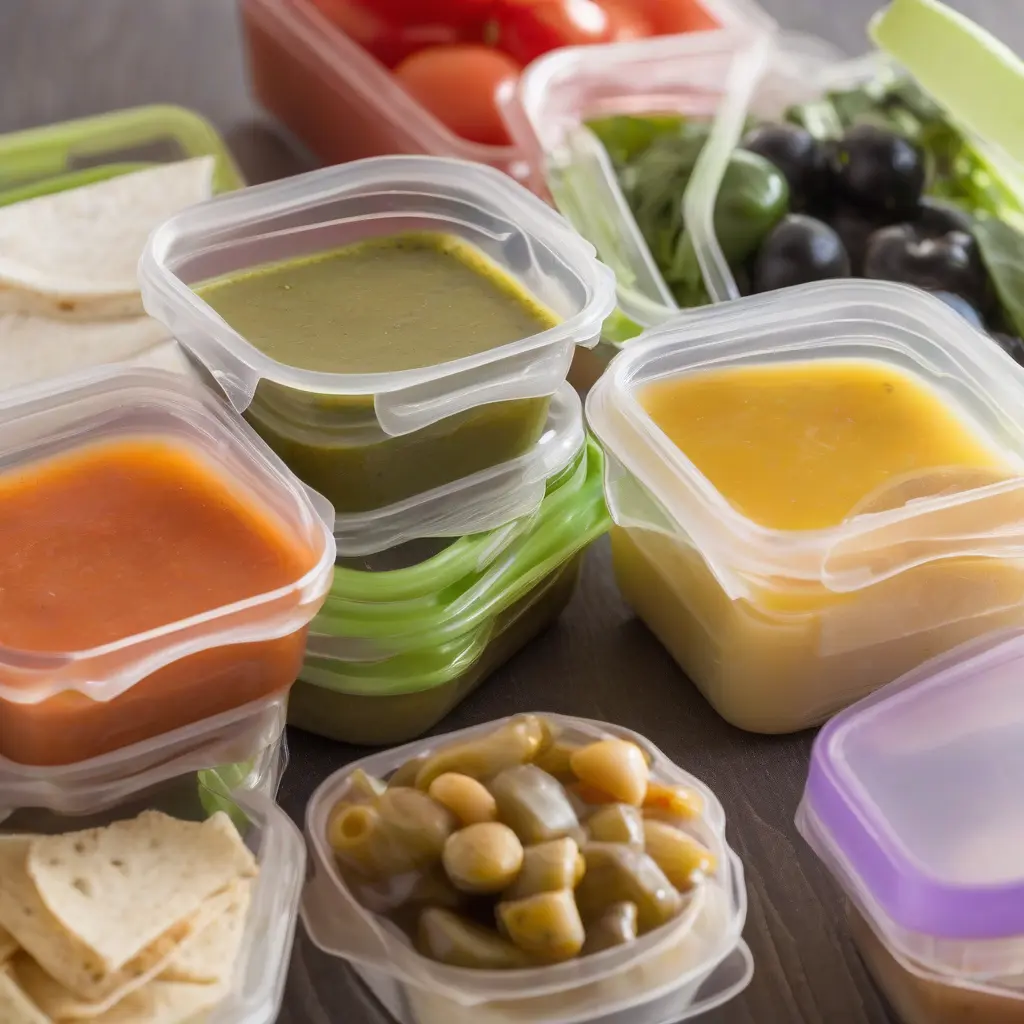
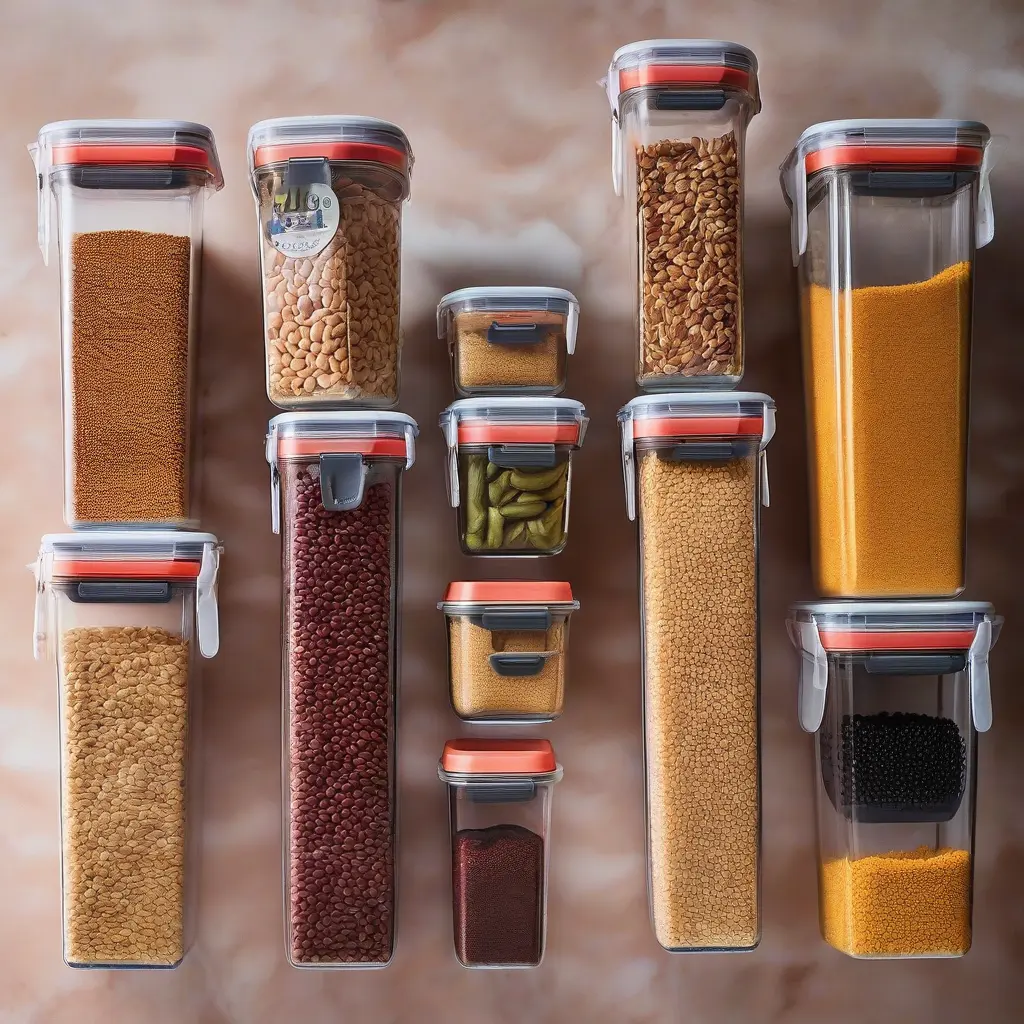
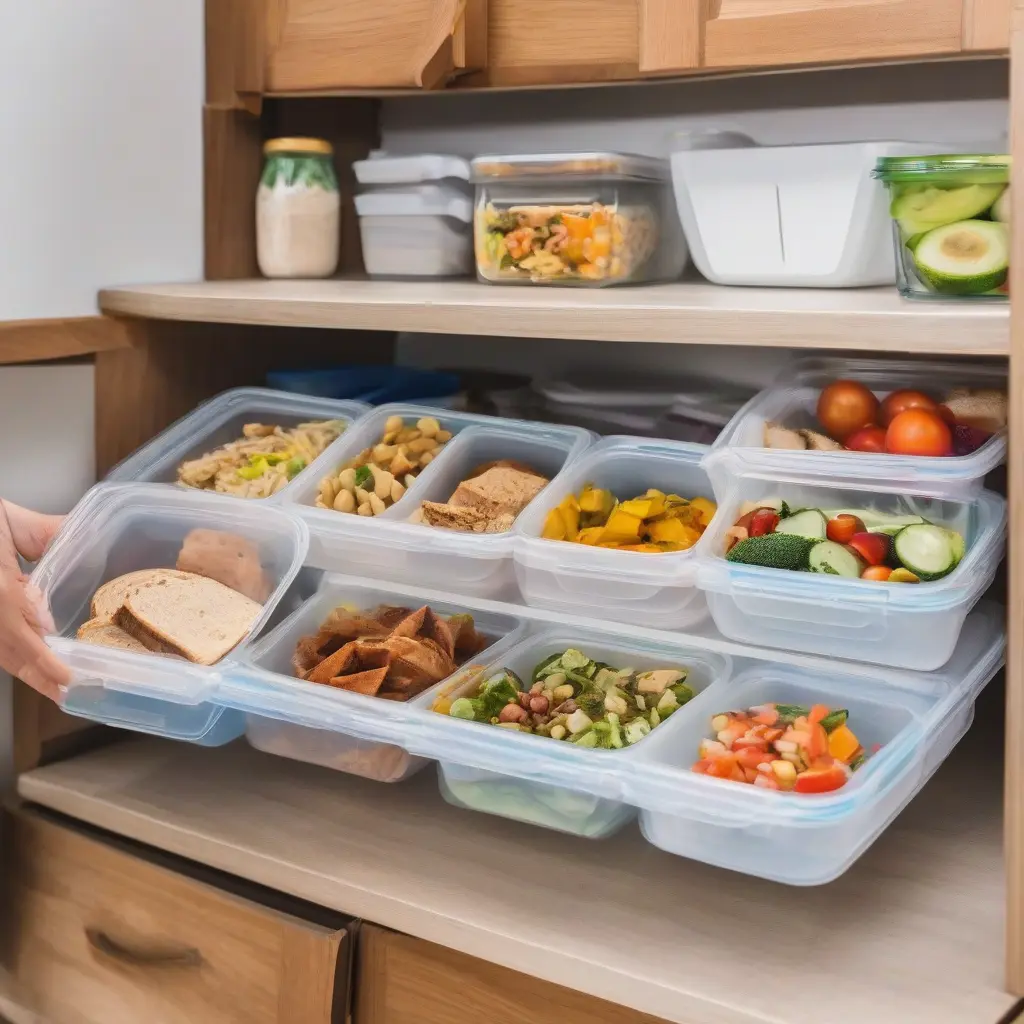
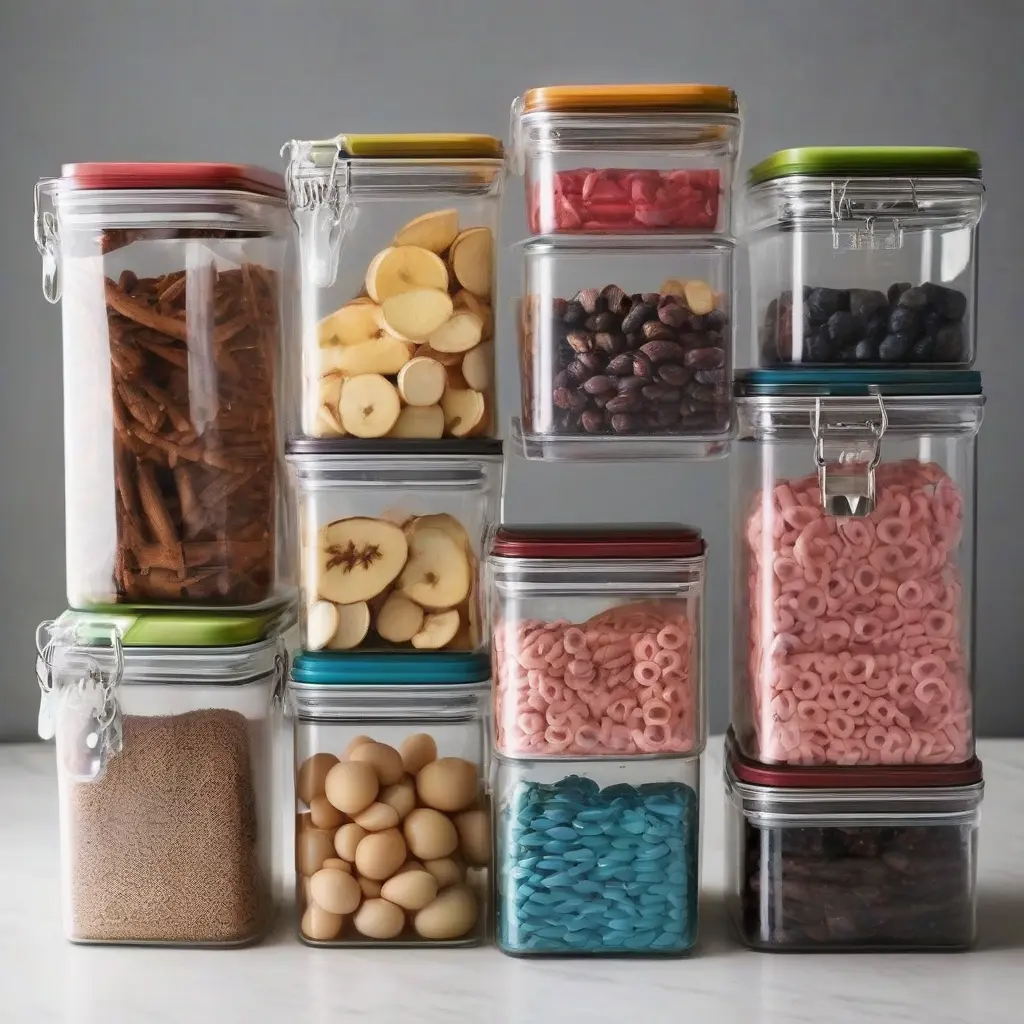
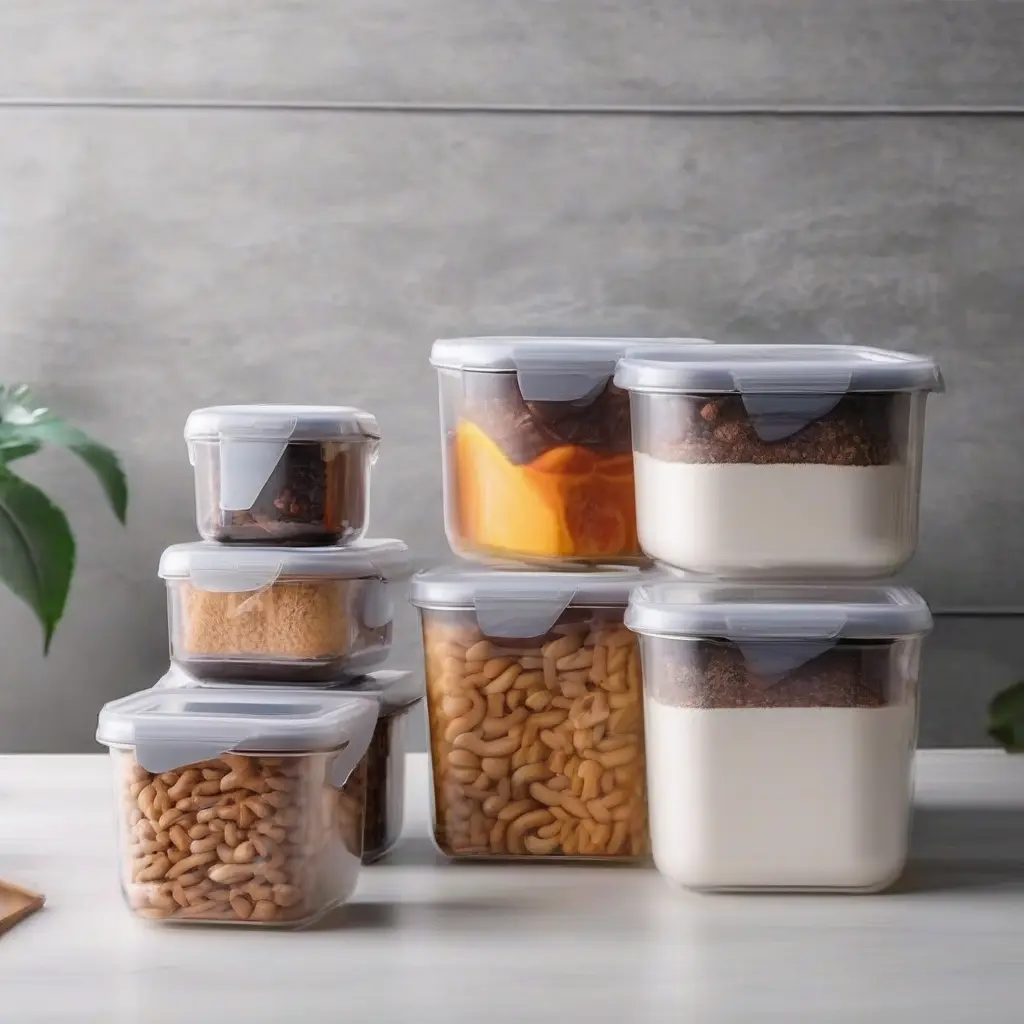
The design of an airtight container can significantly impact its usability. Consider features such as stackability, ease of access, and transparency. Stackable designs save space and make storage more convenient. Transparent containers allow you to quickly identify contents without opening them, which helps maintain airtight seals. Additionally, some containers feature wide openings for easier filling and cleaning. When assessing design, consider your specific storage needs and how frequently you’ll access the container.
Size Options for Different Storage Needs
Airtight containers come in a variety of sizes, catering to different storage needs. When determining what size to purchase, think about what you’ll be storing—whether it’s snacks, grains, or leftovers. Smaller containers may be ideal for pantry items, while larger containers are better for bulk storage or meal preps. Having a range of sizes allows for versatile storage solutions, ensuring you have a suitable container for any purpose.
Assessing Brand Reputation and Reviews
Before purchasing airtight containers, it’s wise to research brand reputation and customer reviews. Established brands often have a history of quality and customer service. Reading reviews can provide insights into the performance of the containers, including their airtightness and durability. Look for products with high ratings and positive feedback, as these indicators often reflect reliability and customer satisfaction. Brands with transparent warranty policies can also give you confidence in your purchase.
Price Considerations: Value vs. Cost
Pricing can vary widely for airtight containers, based on materials, brand reputation, and features. While it may be tempting to go for the cheapest option, consider the long-term value of more durable containers. Higher-quality containers may come at a premium but can save you money in the long run by effectively preserving food and reducing waste. Assess the features that matter most to you and find a balance between cost and quality to make an informed decision.
Testing the Airtight Feature at Home
Once you’ve selected potential airtight containers, consider conducting home tests to assess their performance. Place a small amount of water or a desiccant packet inside and seal the container. Leave it for a specified time, then check for moisture accumulation or odor transfer. This DIY test can simulate real-life usage and help confirm the container’s effectiveness. Testing can give you peace of mind, ensuring the quality aligns with your storage needs.
Consideration of Sustainability
Sustainability is becoming increasingly important to consumers, especially regarding food storage. When assessing airtight containers, consider if they are made from sustainable materials or if they are recyclable. Containers designed for longevity reduce waste in the long run and align with eco-friendly practices. Additionally, brands that prioritize sustainability may have positive impacts on their production processes, contributing to a healthier planet. Evaluate these factors to support responsible purchasing decisions.
Conclusion
Assessing the quality of airtight containers before purchase involves careful consideration of material, seal mechanisms, design, and more. By evaluating these factors, you can select containers that best meet your storage requirements and ensure optimal performance. This due diligence enhances your food preservation efforts, ultimately saving you money and enhancing your kitchen organization.