Planning and storing lunches for the week can streamline your daily routine, reduce waste, and promote healthier eating habits. By utilizing one effective storage system, you can save time and keep your meals fresh. This guide will provide practical steps on how to organize and prepare your weekly lunches, ensuring efficiency and variety without overwhelming your schedule. Whether you are a busy professional, a student, or a parent, these tips will help you maximize your lunch experience while minimizing the hassle of daily preparation.
Benefits of Meal Prepping for Lunch
Meal prepping offers various benefits that can significantly enhance your lunch routine. By preparing meals in advance, you save time during the busy workweek, allowing you to spend more time on other important tasks or enjoying leisure activities. Moreover, meal prepping helps in portion control, aiding in healthier eating habits while also minimizing food waste. Additionally, having your lunches ready to go eliminates the temptation to opt for unhealthy fast food options, ultimately leading to cost savings and better overall nutrition.
Choosing the Right Storage System
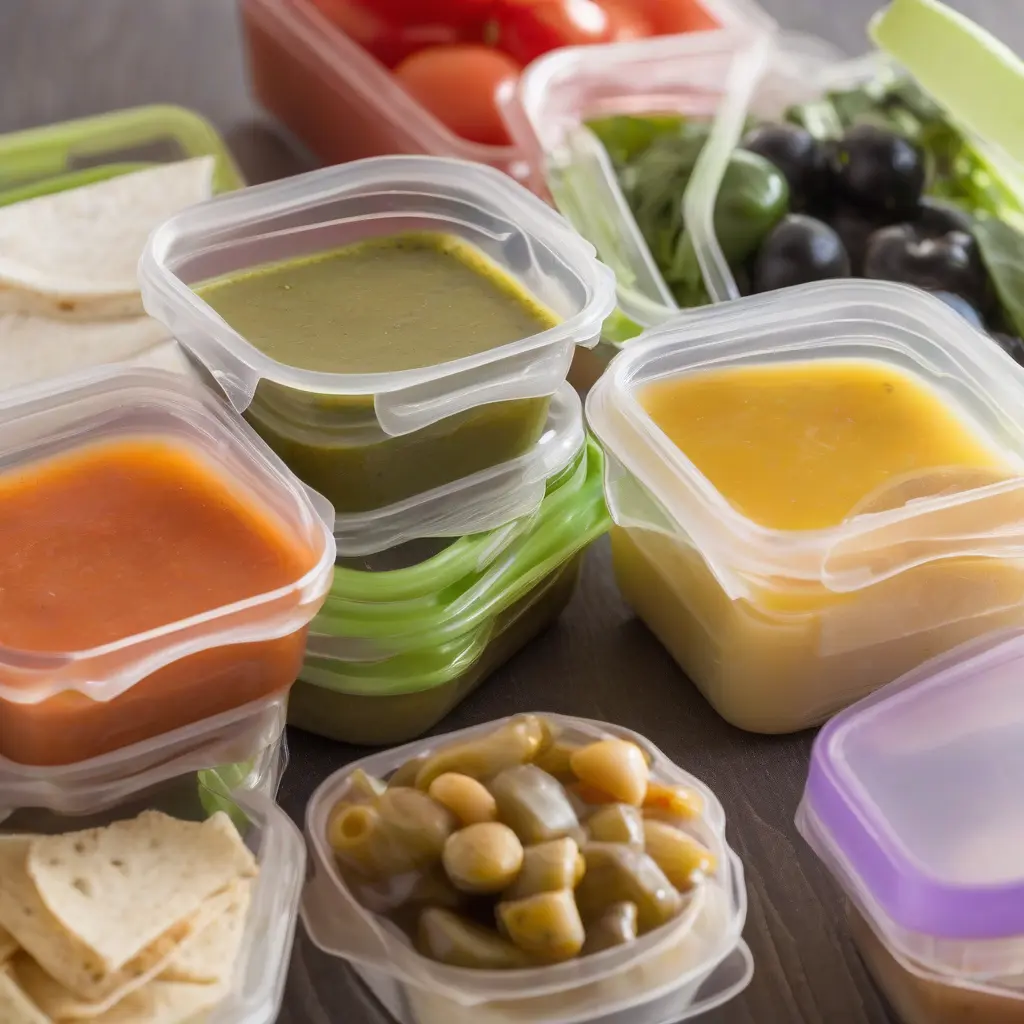
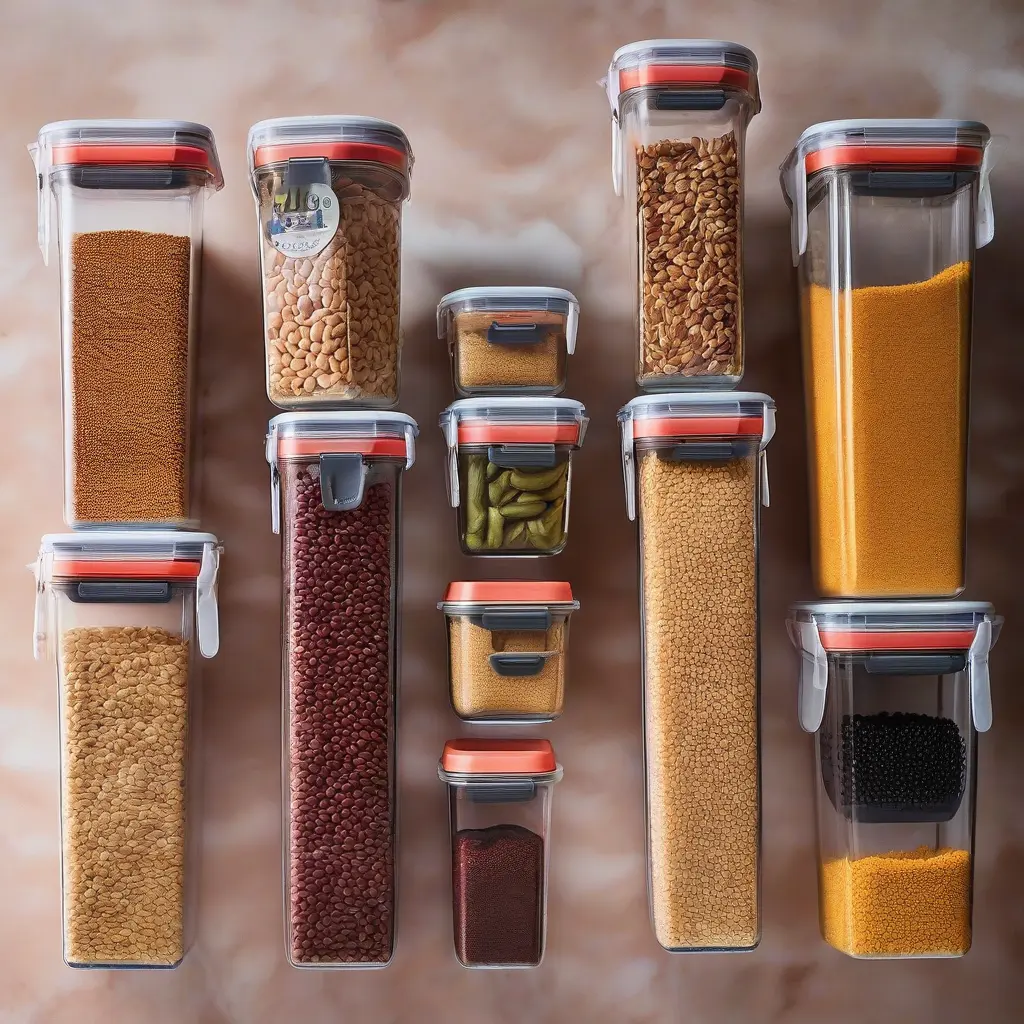
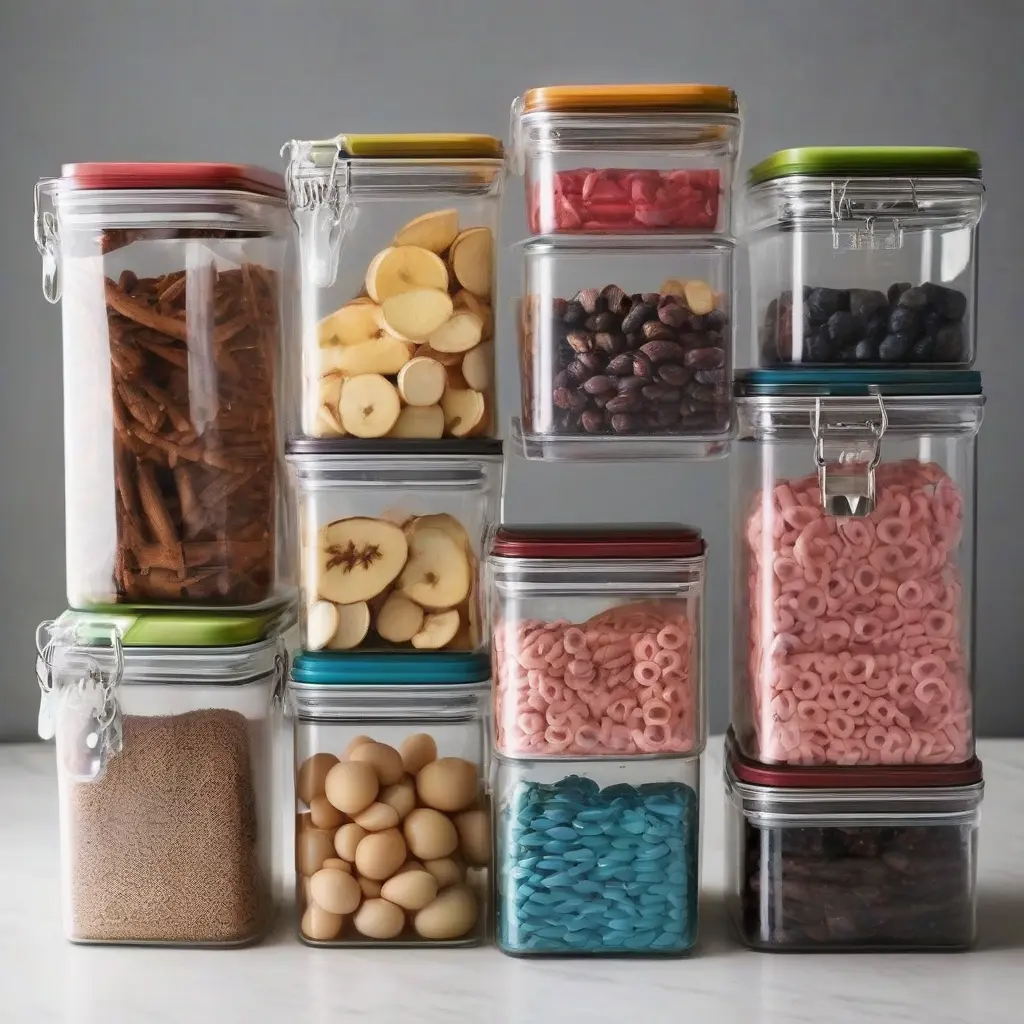
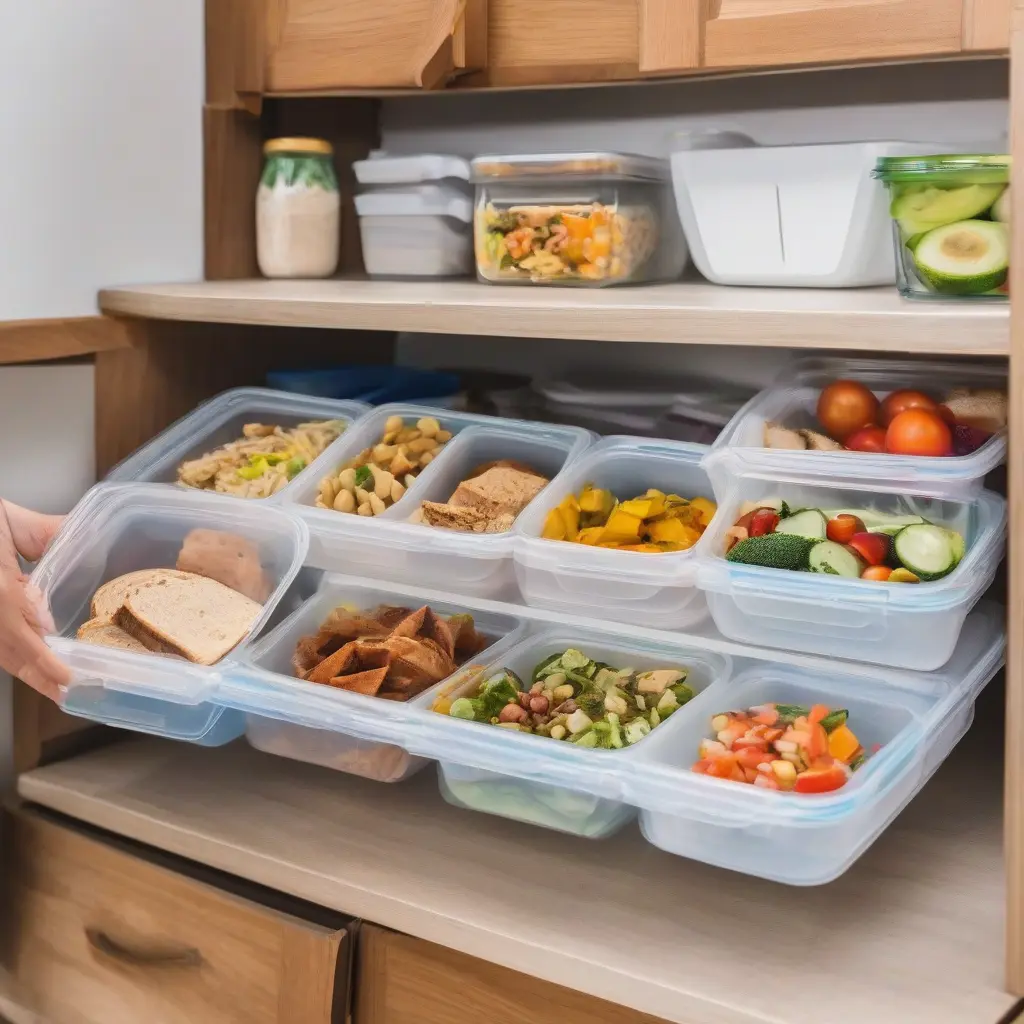
Selecting the right storage system is crucial for effective meal prep and storage of your lunches. Opt for BPA-free containers that are microwave-safe, leak-proof, and suitable for the freezer. Various sizes should be considered to accommodate different meal types and portion sizes. Stackable containers can save space in your fridge or freezer and make organization a breeze. Additionally, consider using clear containers to easily identify the contents at a glance, which simplifies the process of packing your lunch each day.
Creating a Weekly Lunch Plan
A well-structured weekly lunch plan can make a significant difference in your meal prep process. Start by selecting a variety of recipes that incorporate diverse ingredients to keep your meals exciting. Aim to include a balance of proteins, grains, and vegetables in each meal for optimal nutrition. On your designated meal prep day, allocate time to cook in batches; this not only speeds up the process but also ensures you have enough meals for the week. Write down your plan to stay organized and monitor what you have prepared.
Incorporating Variety in Your Lunch Menu
Including a range of flavors and textures in your lunch menu is important for keeping it interesting. Consider rotating between different protein sources like chicken, tofu, and beans, and alternate between grains such as quinoa, brown rice, and whole grain pasta. Adding seasonal fruits and vegetables can add freshness and excitement to your meals. Don’t forget to experiment with herbs and spices to enhance flavor without additional calories. Planning for variety not only satisfies your taste buds but also ensures you receive different nutrients.
Efficient Meal Preparation Techniques
Utilizing efficient meal preparation techniques can drastically reduce the time spent on cooking. Start by washing and chopping vegetables in bulk, making them ready to integrate into various dishes. Batch-cooking grains or proteins can also save time; prepare larger quantities at once and store them in portioned containers. Use cooking methods like roasting or steaming that can cook multiple ingredients simultaneously. By adopting these techniques, you can streamline your meal prep process, ensuring that your weekly lunches are both delicious and nutritious with minimal effort.
Storing and Organizing Your Lunches
Correct storage and organization of your prepared lunches are vital for maintaining freshness. Label your containers with the meal name and date to ensure you consume them in a timely manner. Arrange the containers in your refrigerator or freezer based on how soon you plan to eat them. Meals intended for the start of the week should be at the front, while those for later can be placed further back. Maintain a clean, organized space to make selecting and grabbing a meal easier when in a rush.
Transporting Your Lunches Safely
When it comes to transporting your lunches, having the right accessories can make a significant difference. Use insulated lunch bags to keep perishable items at safe temperatures until lunchtime. Consider investing in ice packs to place alongside your containers if your meals need to stay cold. If you’re bringing multi-part meals, like salads or grain bowls, pack the dressing separately to prevent sogginess. These tips will ensure your meals are not only safe to eat but also taste their best when it’s time to enjoy them.
Adjusting Meal Plans for Dietary Needs
When planning your weekly lunches, it’s essential to consider any dietary restrictions or preferences. Adjust your meal plan to include options for various dietary needs, such as vegetarian, vegan, gluten-free, or low-carb. This might require substitute ingredients, like using cauliflower rice instead of traditional grains or incorporating legumes for protein. Keeping everyone’s dietary needs in mind ensures inclusivity and enjoyment, making lunchtime a pleasant experience for all involved, especially for families with varying preferences.
Conclusion
In conclusion, planning and storing lunches for the week using a single storage system can save time and reduce stress while promoting healthier eating habits. By selecting the right containers, creating a robust meal plan, and incorporating variety, you can enjoy delicious, nutritious meals all week long. Organizing your meals effectively is the key to success in this endeavor, and by following the outlined strategies, you will make your lunchtime routine efficient and enjoyable.