Packing a complete lunch into one storage container not only saves time but also reduces waste and enhances convenience. The key to efficient packing lies in choosing the right container, selecting complementary foods, and employing creative strategies to maximize space. By following a few simple yet effective techniques, you can ensure your lunch remains fresh, nutritious, and appealing. This article will guide you through various tips and tricks for achieving the perfect packed lunch without the hassle, allowing you to enjoy your meal at work, school, or on the go.
Choose the Right Container
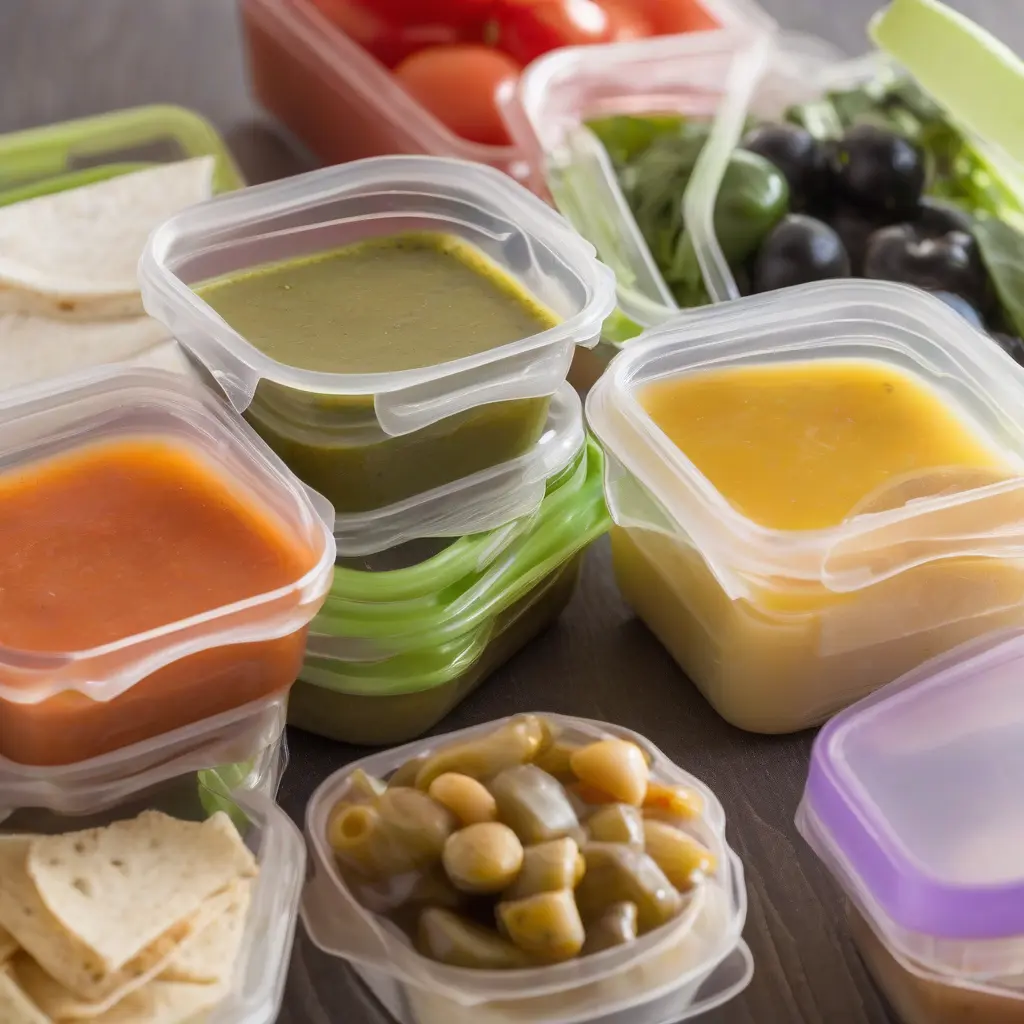
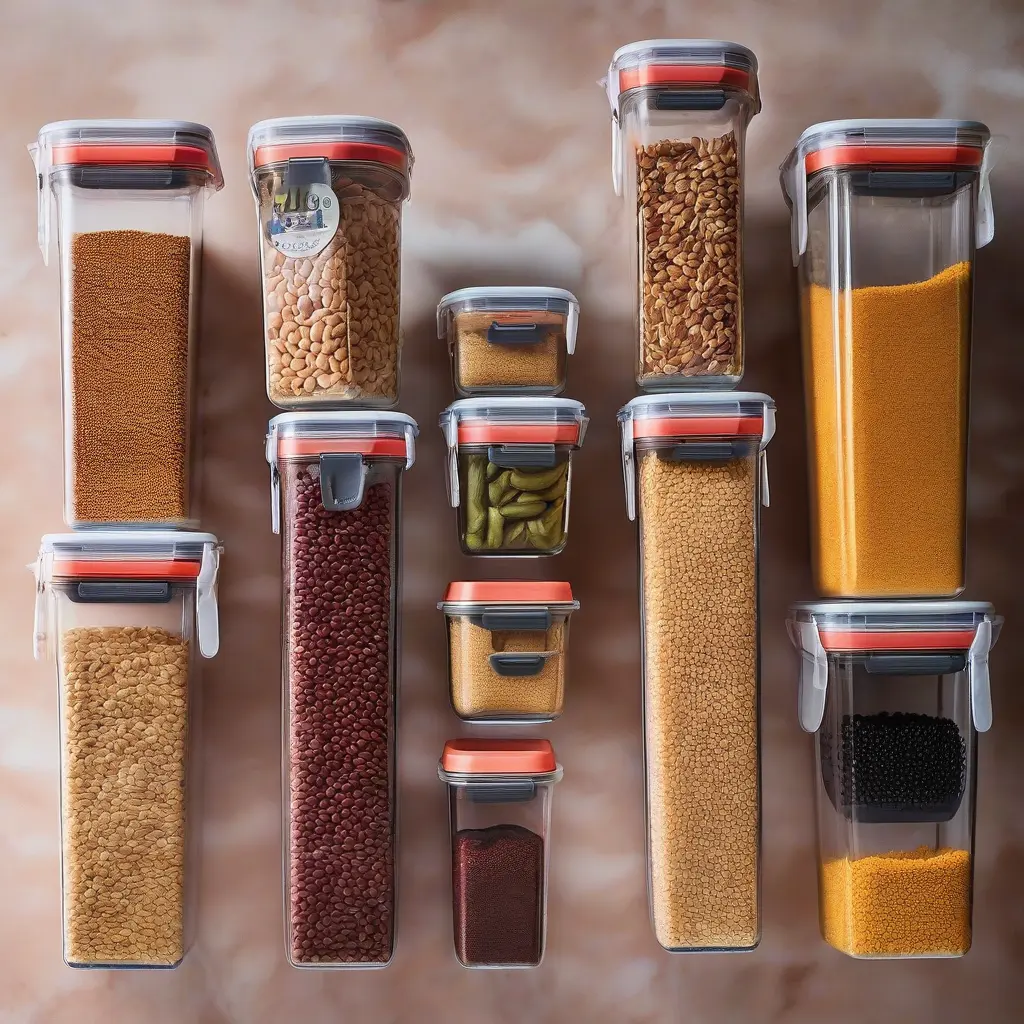
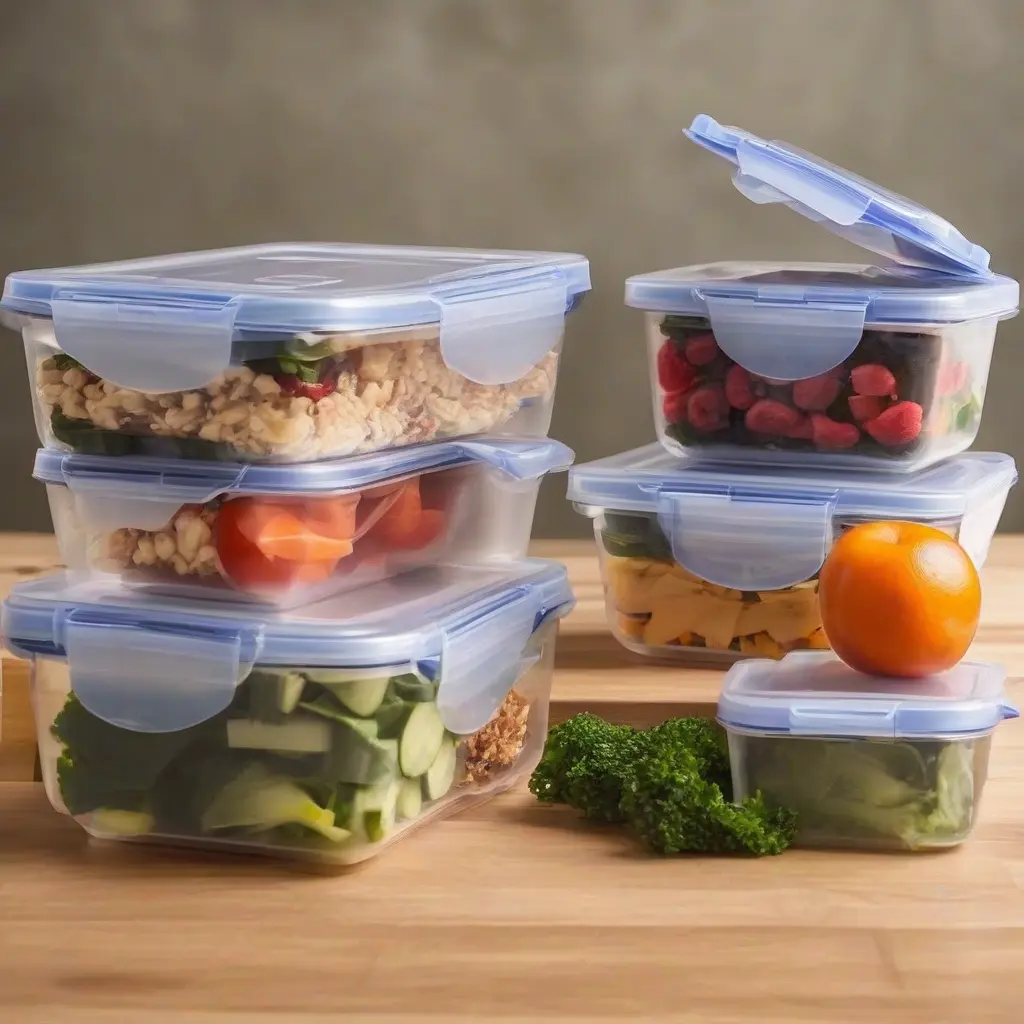
Selecting an appropriate storage container is crucial for efficiently packing your lunch. Look for containers that are compartmentalized to keep different food items separate while maximizing space. Insulated containers are ideal for maintaining temperature, while leak-proof options help to avoid messes. Consider materials such as glass or BPA-free plastic, as these materials are more durable and safer for food storage. Investing in a good quality container can make a notable difference in your lunchtime experience.
Plan Your Menu
Creating a balanced lunch menu is essential for effective packing. When planning, choose complementary foods that pair well together and can coexist in a single container. Aim for a mix of proteins, carbohydrates, and vegetables to create a nutritious meal. Consider including items like salads, wraps, or grain bowls that naturally fit into a compartmentalized format. Preparing a weekly menu can streamline the packing process and ensure variety, making lunchtime something to look forward to each day.
Use Portion Control
Portion control is a vital aspect of efficiently packing lunch. This not only ensures you have the right amount of food for your dietary needs but also helps prevent overflow in your storage container. Utilize measuring cups or a food scale while prepping your meals to maintain appropriate portion sizes. Additionally, consider investing in portioned containers designed for specific food types, as this promotes balanced eating and reduces food waste.
Prepare Ingredients in Advance
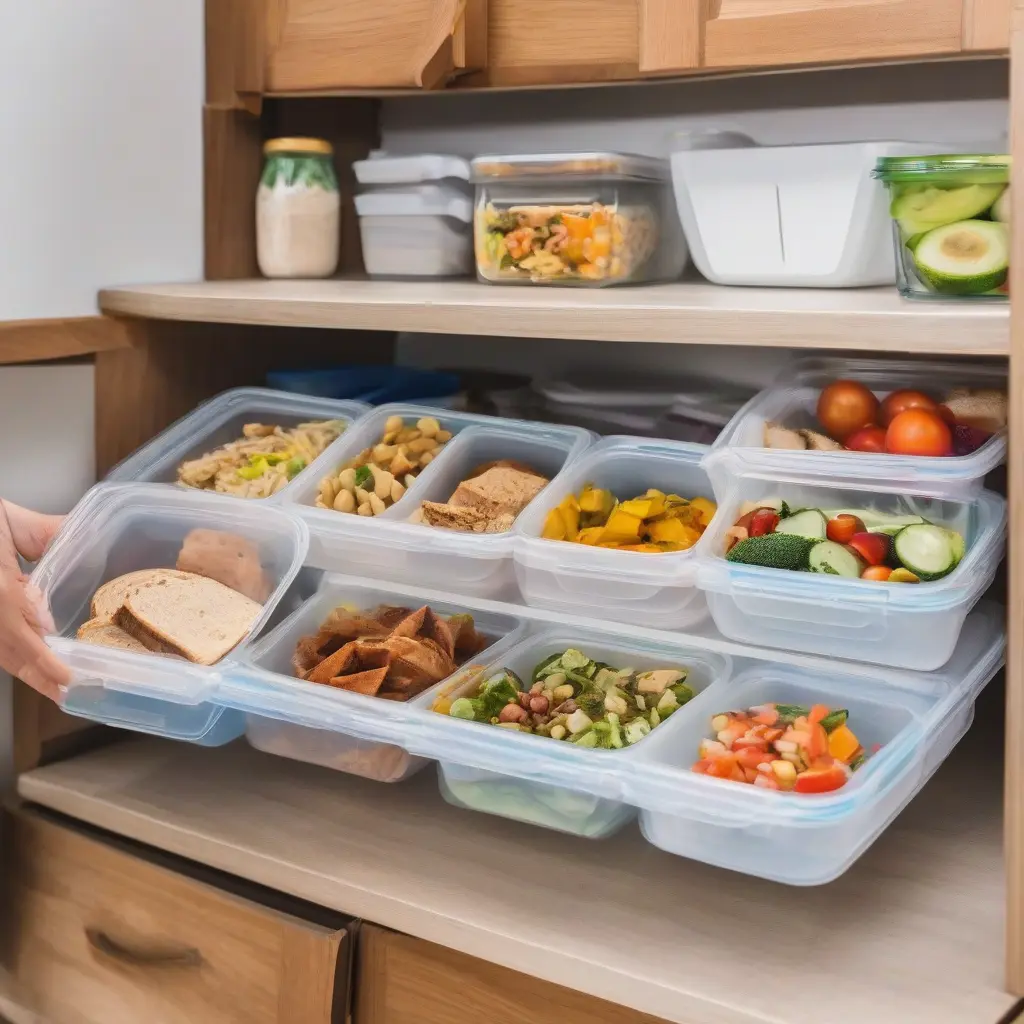
To make packing your lunch more efficient, prepare ingredients in advance. Dedicate time during the weekend to chop vegetables, cook grains, or portion out snacks. Store these prepped items in labeled containers in the fridge to keep them organized. When it’s time to pack your lunch, you can quickly grab the ingredients and assemble your meal. This approach not only saves time but also encourages healthier choices by having ready-to-go options on hand.
Layer Foods Effectively
When packing your lunch, the way you layer foods can significantly impact freshness and flavor. Start by placing heavier items, like grains or proteins, at the bottom of the container. Follow with denser vegetables and then lighter items, such as leafy greens or snacks, on top. This stacking method helps prevent sogginess and allows for easier access during mealtime. Additionally, using small containers or silicone cups can help keep sauces or dressings separate until you’re ready to eat.
Be Mindful of Food Pairings
Choosing the right food pairings is essential for packing a balanced meal. Avoid items that can become soggy or spoil quickly when stored next to one another. For example, keep moist ingredients like tomatoes separate from dry items like crackers. Incorporate durable vegetables, such as bell peppers or carrots, which can withstand time without losing their crunch. Opt for condiments that can either be packed separately or added in small amounts to maintain the integrity of the meal.
Incorporate Snacks and Sides
Including snacks and sides in your packed lunch can enhance the overall experience. While packing your main meal, consider adding a small portion of nuts, yogurt, or a piece of fruit. These additions can provide nutrients and satisfy cravings throughout the day. Use small containers or compartments to store these snacks, ensuring everything fits neatly into your main storage container. This strategy not only enriches your lunch but also prevents feelings of hunger before mealtime.
Use Eco-Friendly Options
Opting for eco-friendly storage solutions can enhance your packing routine and reduce waste. Look for reusable, dishwasher-safe containers that can withstand everyday use. Invest in beeswax wraps or silicone bags to replace single-use plastics and minimize your environmental impact. By choosing sustainable options, not only do you contribute to environmental preservation, but you also ensure that your lunch packing habits align with a broader commitment to eco-friendly living.
Labeling for Easy Identification
Labeling your packed lunch can significantly simplify meal identification and organization. Use tags or stickers to mark containers with their contents, preparation date, or dietary information. This practice prevents confusion or accidental swaps, especially if multiple lunches are stored together. Additionally, it can help track freshness and ensure you consume food items before they perish. Clear labeling also fosters better meal planning and reduces food waste.
Stay Organized with a Checklist
To optimize your lunch packing process, consider using a checklist. Create a detailed list of items you typically like to include in your lunch, ensuring that no ingredient is forgotten. A checklist can also help you evaluate nutritional balance and assist in planning varied meals. Keep this list handy, whether in a notebook or a digital format, so you can easily reference it while preparing your meals. An organized approach simplifies the process, saving time and effort during busy mornings.
Conclusion
Efficiently packing a complete lunch into one storage container is achievable with the right strategies. From choosing the right container to incorporating a variety of foods and snacks, each aspect plays a crucial role in creating a well-rounded meal. By adopting these tips, you can enhance your lunchtime experience, promote healthy eating, and minimize waste, all while simplifying the packing process.