Grain storage is essential for preserving the quality and longevity of harvested grains, and the materials used can significantly impact the effectiveness of storage. Various materials, including metal, wood, and plastic, offer different advantages and limitations in terms of lifespan and preservation capabilities. Understanding these materials can help farmers and grain handlers make informed choices that align with their unique storage needs. This article delves into the lifespans of various grain storage materials, guiding you through the best options to consider for optimal grain preservation.
Metal Grain Storage: Durability and Longevity
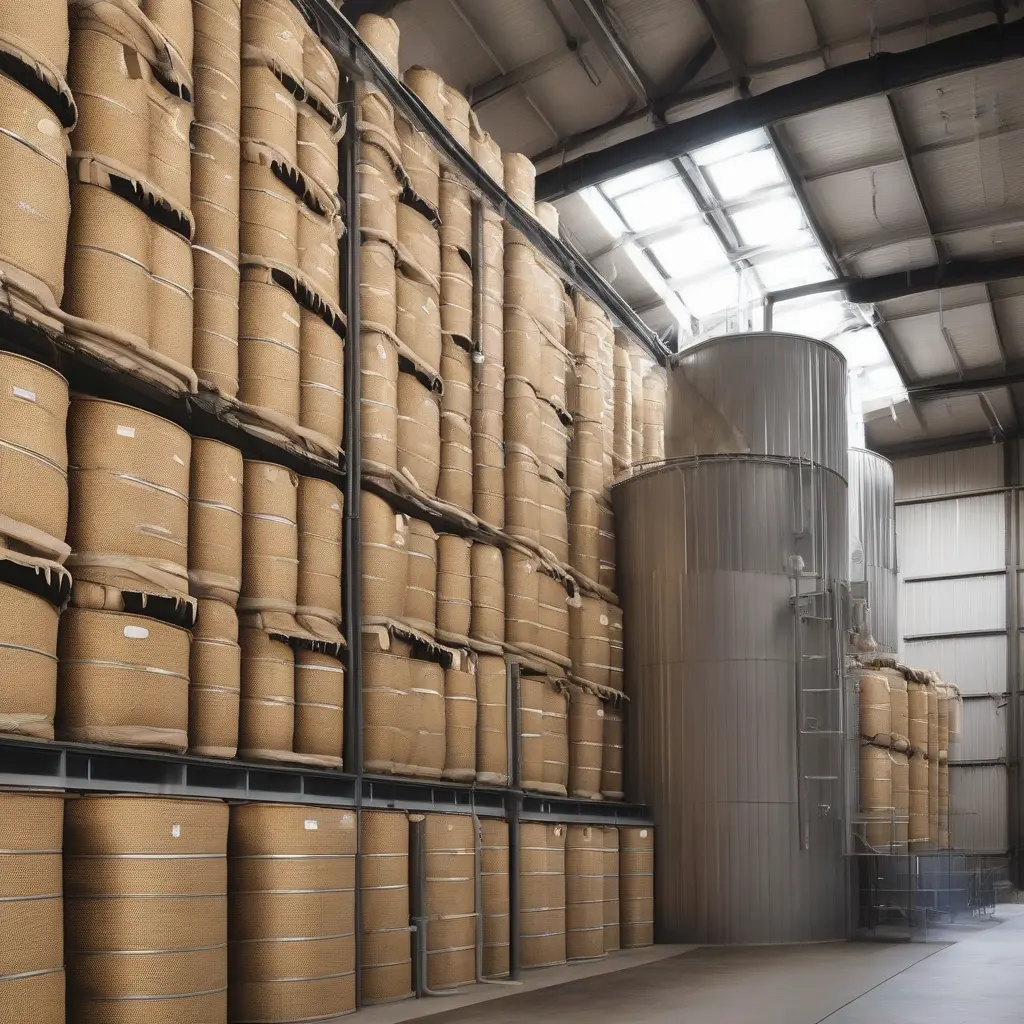
Metal storage containers, often constructed from galvanized steel or aluminum, provide exceptional durability and a long lifespan. These materials are resistant to weathering and pests, making them ideal for outdoor storage. Typically, metal grain bins can last over 20 years with proper maintenance, particularly if they are treated to resist corrosion. However, they can be susceptible to rust if not adequately protected. Thus, it’s critical to regularly inspect and maintain them to ensure effective grain preservation and to maximize their storage lifespan.
Wooden Grain Storage: Traditional but Limited
Wooden storage bins have traditionally been used for grain storage, offering a natural solution that is aesthetically pleasing. While wood can provide reasonable insulation, protecting grains from temperature fluctuations, its lifespan is significantly shorter compared to metal containers. Wooden bins generally last around 10 to 15 years but are more prone to rot, insect infestation, and other forms of deterioration, especially when exposed to moisture. Regular treatment with preservatives can extend their longevity but requires ongoing maintenance to ensure grains are stored safely.
Plastic Grain Storage: Lightweight and Versatile
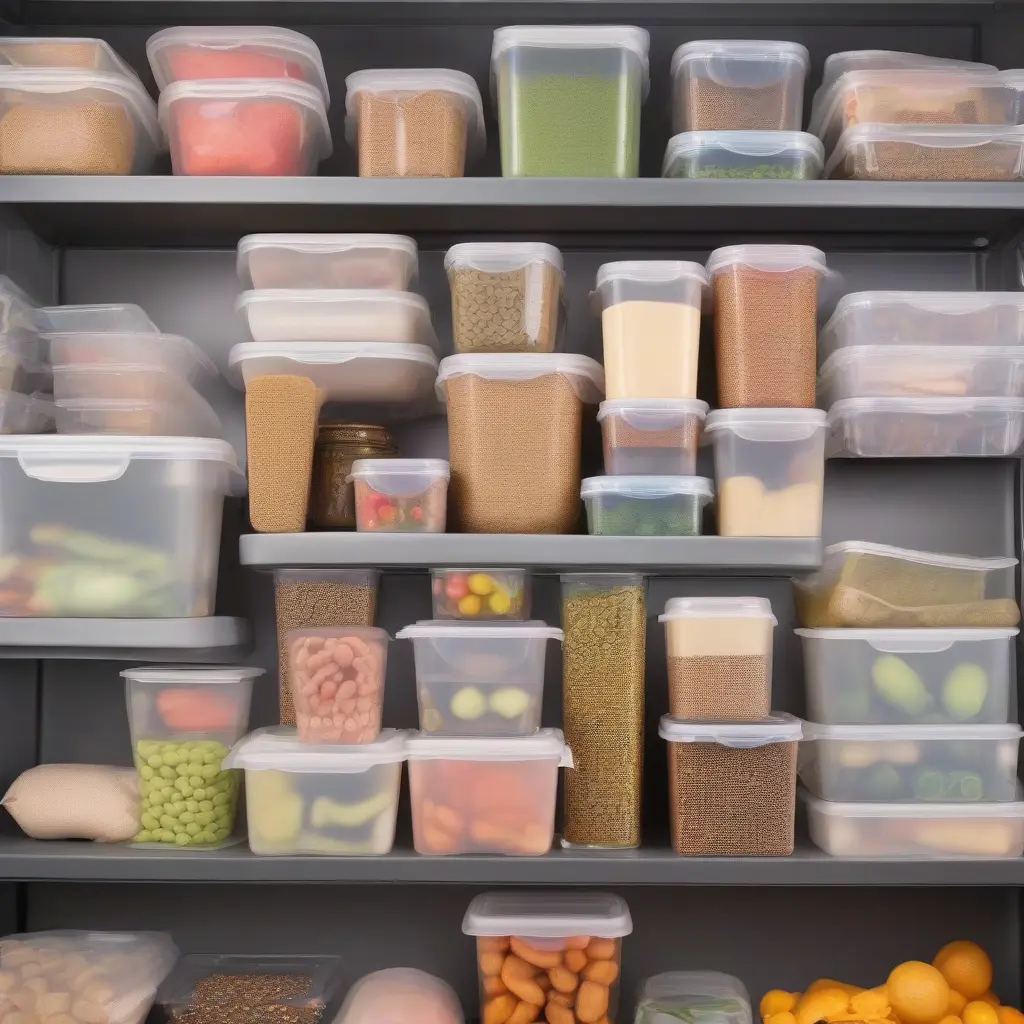
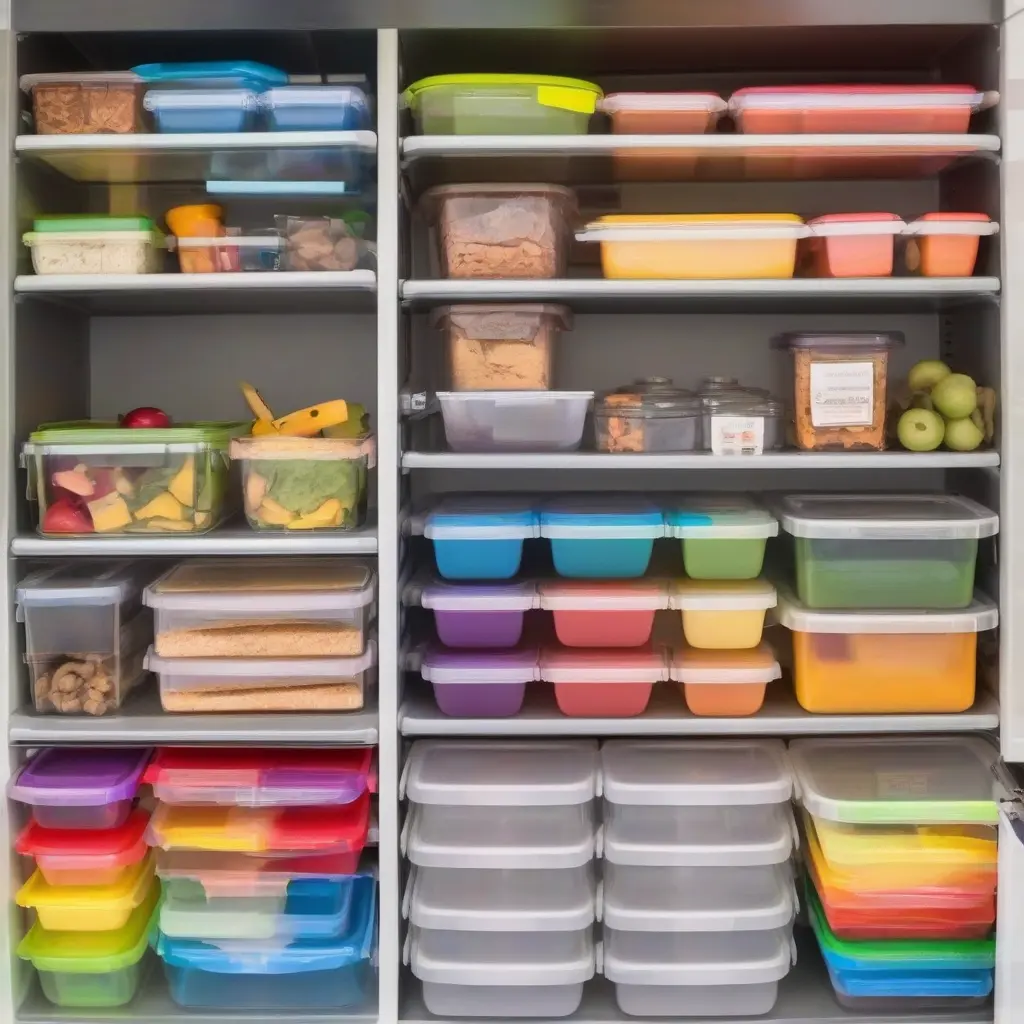
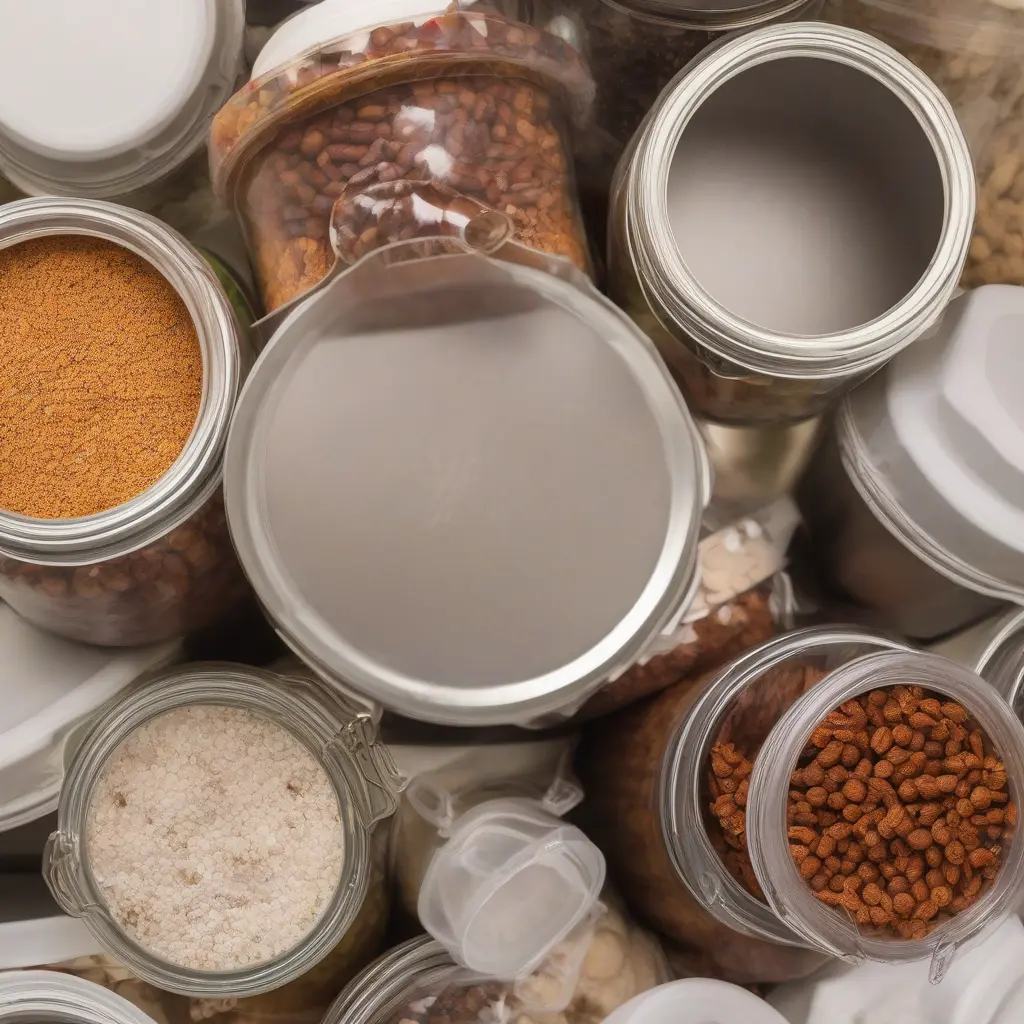
Plastic grain storage containers are lightweight and easy to maneuver, making them popular among farmers and backyard gardeners. These containers are resistant to moisture, chemical corrosion, and pests, giving them a decent lifespan of about 10 to 20 years, depending on the specific plastic used and environmental conditions. High-density polyethylene (HDPE) is often favored for its durability and UV resistance. However, long-term exposure to sunlight can cause wear, so storing plastic containers in shaded areas can help prolong their lifespan significantly.
Composite Materials: The Best of Both Worlds
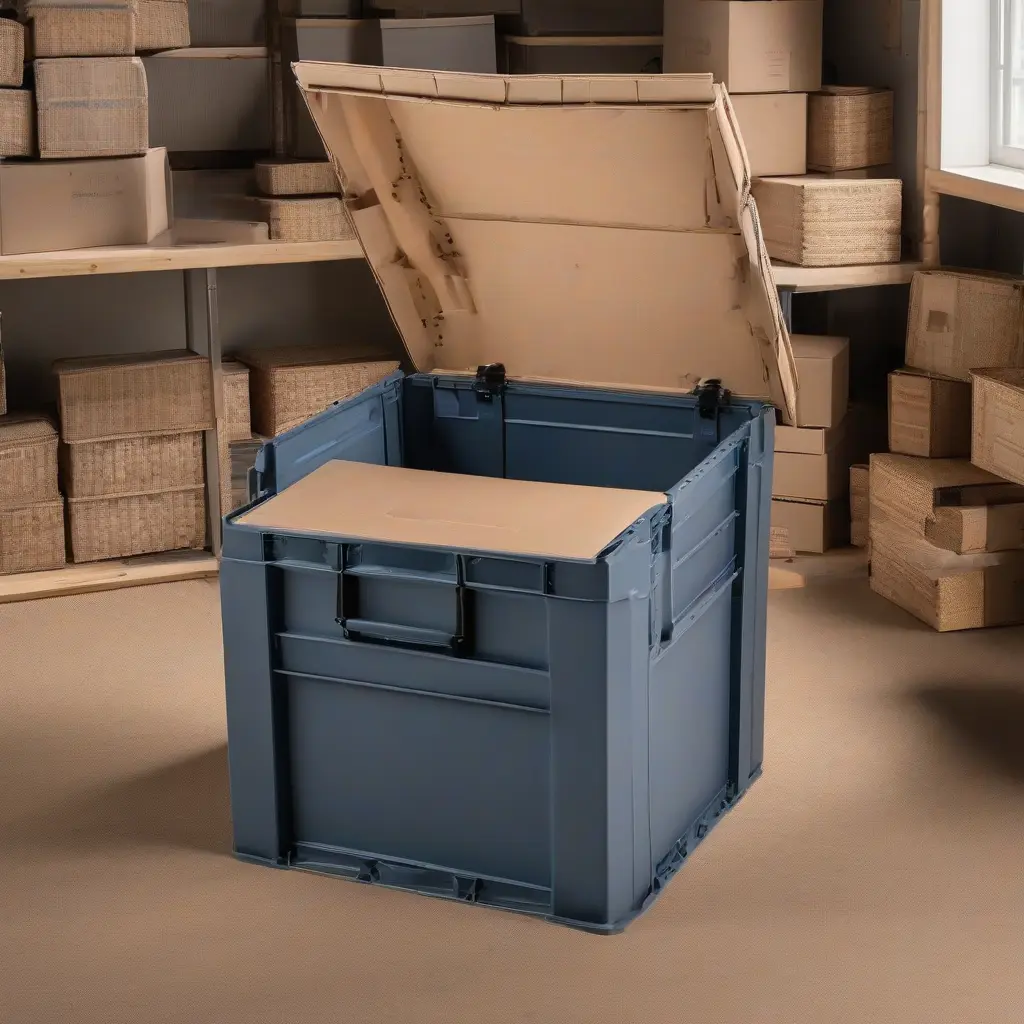
Composite storage solutions combine various materials to leverage the advantages of each while minimizing disadvantages. These containers may include combinations of plastic, metal, and other synthetic materials designed for enhanced durability and lifespan. Depending on the manufacturing quality, composite grain storage solutions can last between 15 to 25 years, offering a reliable option for those looking for effective storage that also caters to environmental factors. However, it’s essential to assess the specific composition and upkeep requirements for each composite product to ensure optimal performance.
Environmental Impact on Storage Lifespan
The environment where grain storage containers are placed significantly affects their lifespan. Factors such as humidity, temperature fluctuations, and exposure to sunlight can accelerate wear and degradation. For instance, metal bins may rust quicker in moist conditions, while wooden containers face a higher risk of rot in damp areas. Proper location selection, including elevating bins to mitigate water exposure and using tarps for additional covering, can help reduce the adverse effects of environmental factors, ultimately extending the operational lifespan of grain storage materials.
Choosing the Right Size for Longevity
The size of your grain storage unit plays a crucial role in its longevity and efficiency. Choosing a container that matches your grain storage needs can prevent overfilling or under-utilization. Overfilled bins can lead to moisture retention and spoilage, while under-utilization can result in structural strain on the material. By assessing total grain production and future storage plans, you can select an appropriately sized container that minimizes wear and preserves the stored grains effectively, ensuring maximum lifespan.
Maintenance Practices to Extend Lifespan
Routine maintenance of grain storage units is vital for optimizing their lifespan and preserving grain quality. Regular inspections for signs of wear, like rust in metal bins or cracks in plastic containers, can help identify potential issues before they escalate. Cleaning storage units to remove debris and residue can also prevent pests and spoilage. Implementing these practices not only extends the functional life of the storage containers but also ensures that the grains remain secure and untainted during storage.
Alternatives to Traditional Grain Storage
In recent years, innovative alternatives to traditional grain storage materials have emerged, designed to enhance preservation and lifespan. Technologies such as vacuum-sealed bags and hermetically sealed bins are gaining popularity for their ability to protect against moisture and pests without traditional material limitations. These modern solutions can often prolong grain life significantly, sometimes exceeding the typical lifespan of conventional containers. Exploring these alternatives can provide new, effective options for those looking to innovate grain storage methods.
Cost Considerations in Grain Storage Materials
The cost of grain storage materials varies widely depending on the type and size of the container. While metal bins may have a higher initial investment, their longevity and durability often make them a cost-effective choice in the long run. Conversely, wooden containers may be cheaper upfront but necessitate frequent replacement due to a shorter lifespan. Evaluating both initial costs and long-term durability is crucial for making informed decisions and optimizing grain storage investments that align with budget considerations.
Conclusion
Understanding the lifespan of different grain storage materials is essential for making informed choices that enhance grain preservation. Metal, wood, plastic, and composite options each come with unique advantages and challenges regarding durability and maintenance. By considering environmental factors, proper maintenance, and cost implications, grain handlers can select the best storage solutions tailored to their needs, ensuring their grains remain safe and viable over time.