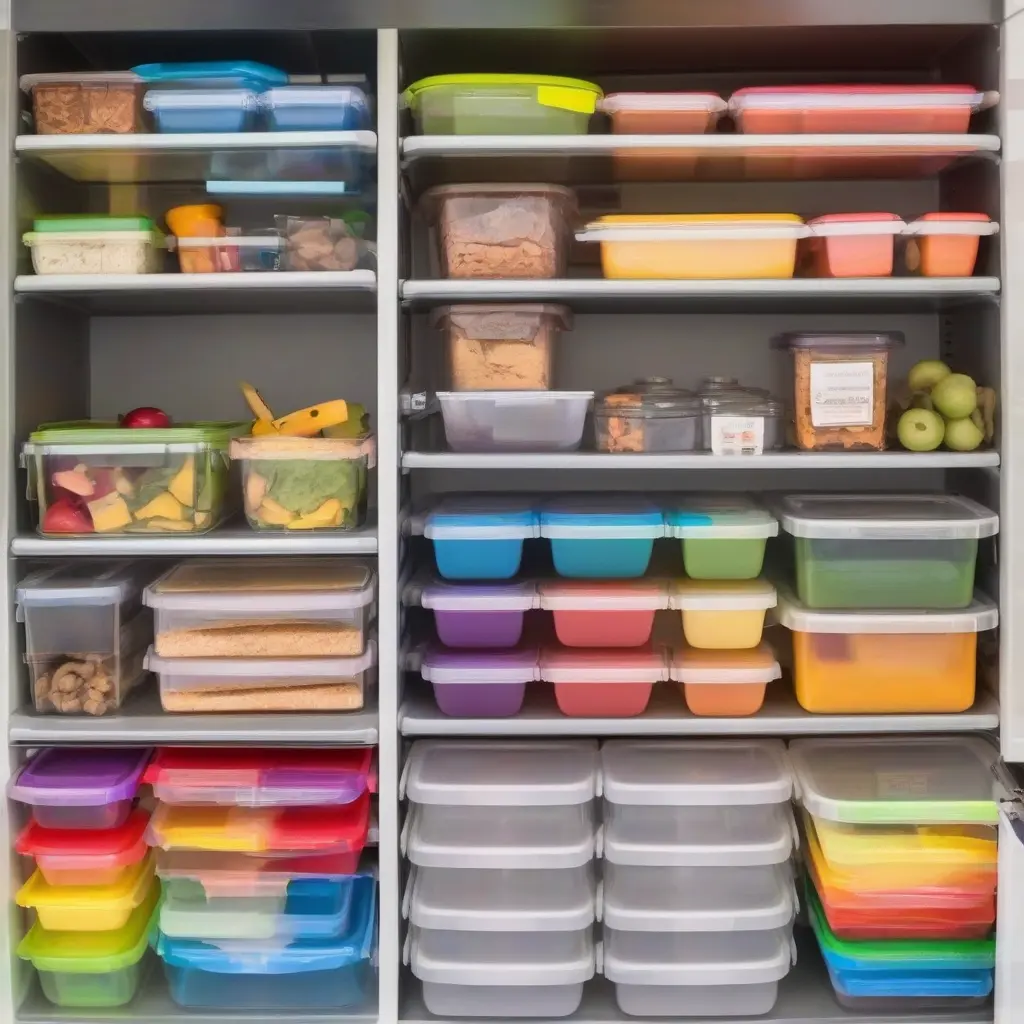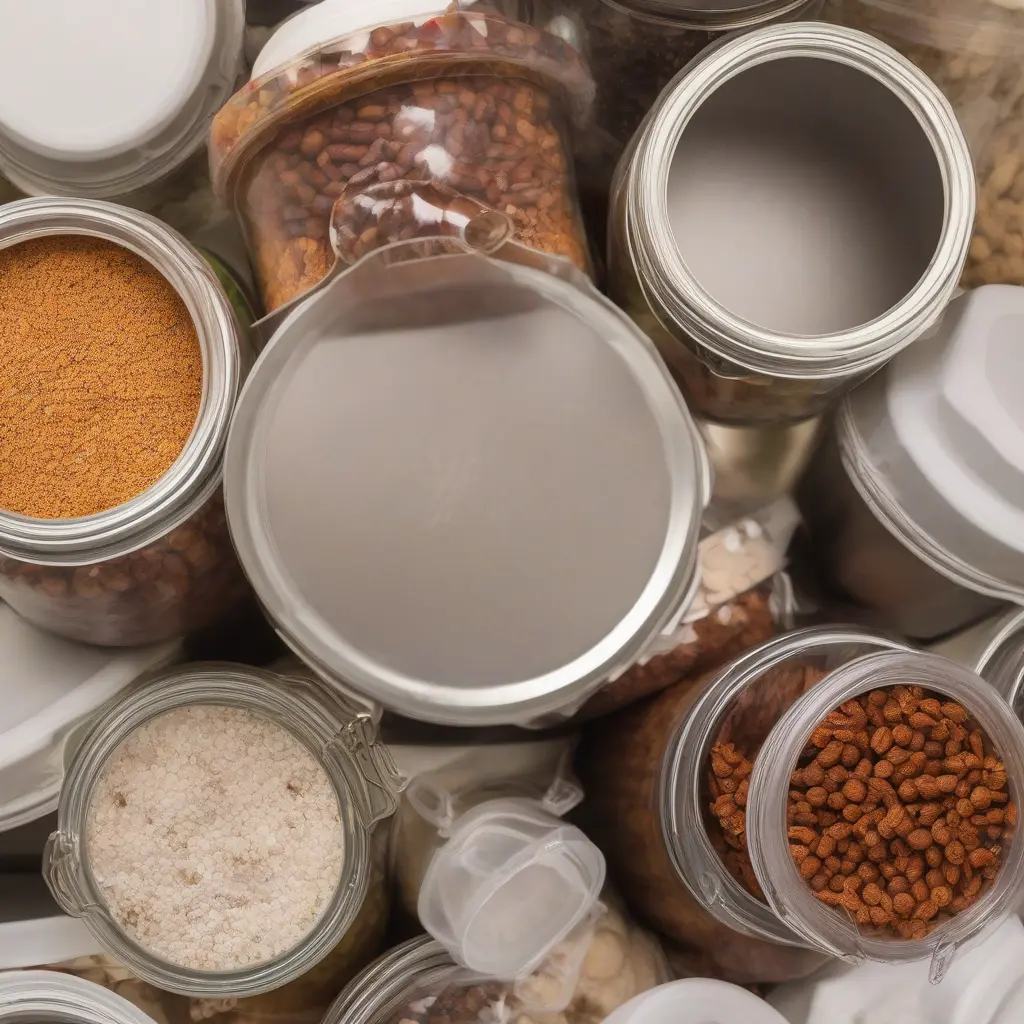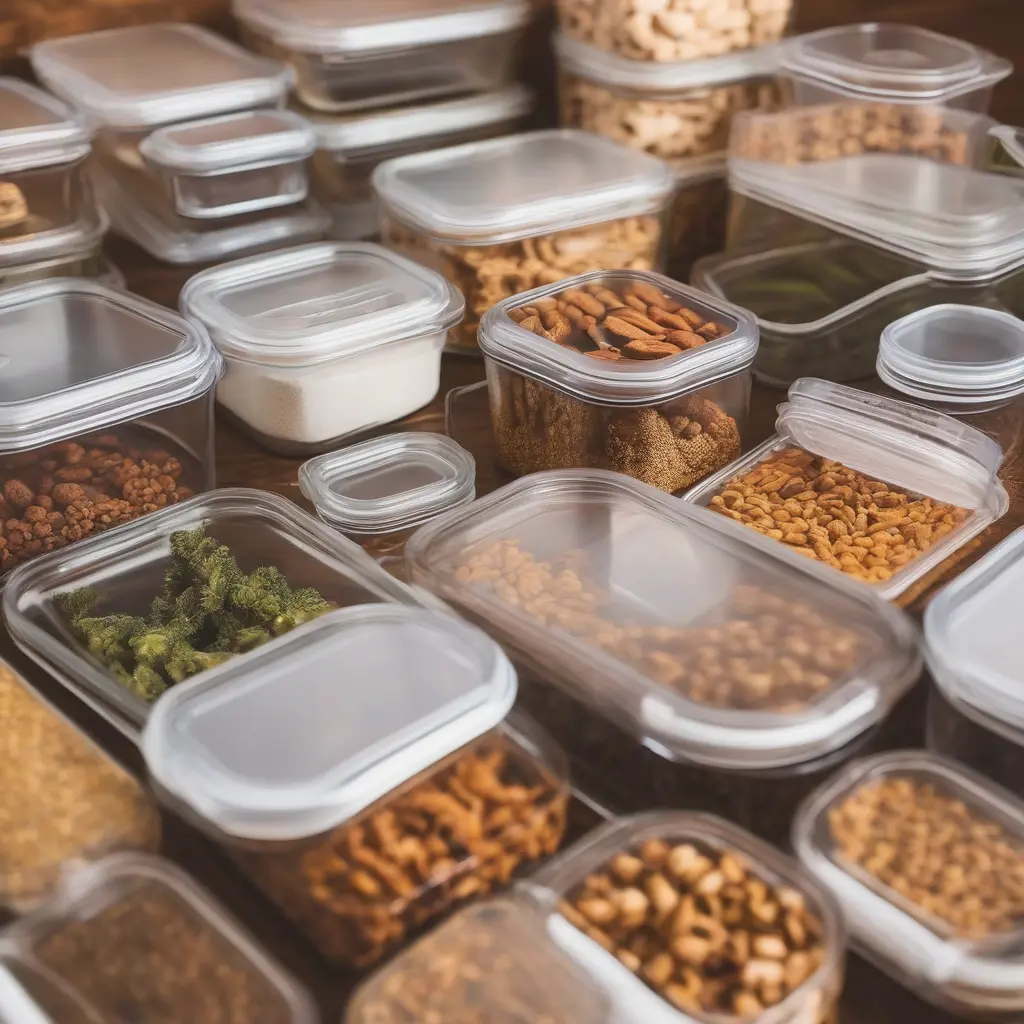
Airtight containers have become essential tools for effective food storage and organization in both kitchens and pantries. Available in various sizes, these containers help preserve the freshness of food while keeping it safe from pests and environmental factors. Choosing the right size is crucial to ensuring that you maximize storage efficiency and maintain the quality of your food items. This article will explore different sizes of airtight containers, discussing their specific uses and benefits in a comprehensive manner.
Understanding Airtight Containers
Airtight containers are designed to prevent air from entering or escaping, effectively sealing in moisture and preserving the quality of the contents. This mechanism not only keeps food fresh for extended periods but also prevents contamination and spoilage. These containers are commonly made from materials such as glass, plastic, or stainless steel, each offering distinct advantages. Glass containers, for example, are highly durable and non-reactive, while plastic options are lightweight and versatile. Understanding these characteristics is essential when choosing the right container for your needs.
Small Airtight Containers
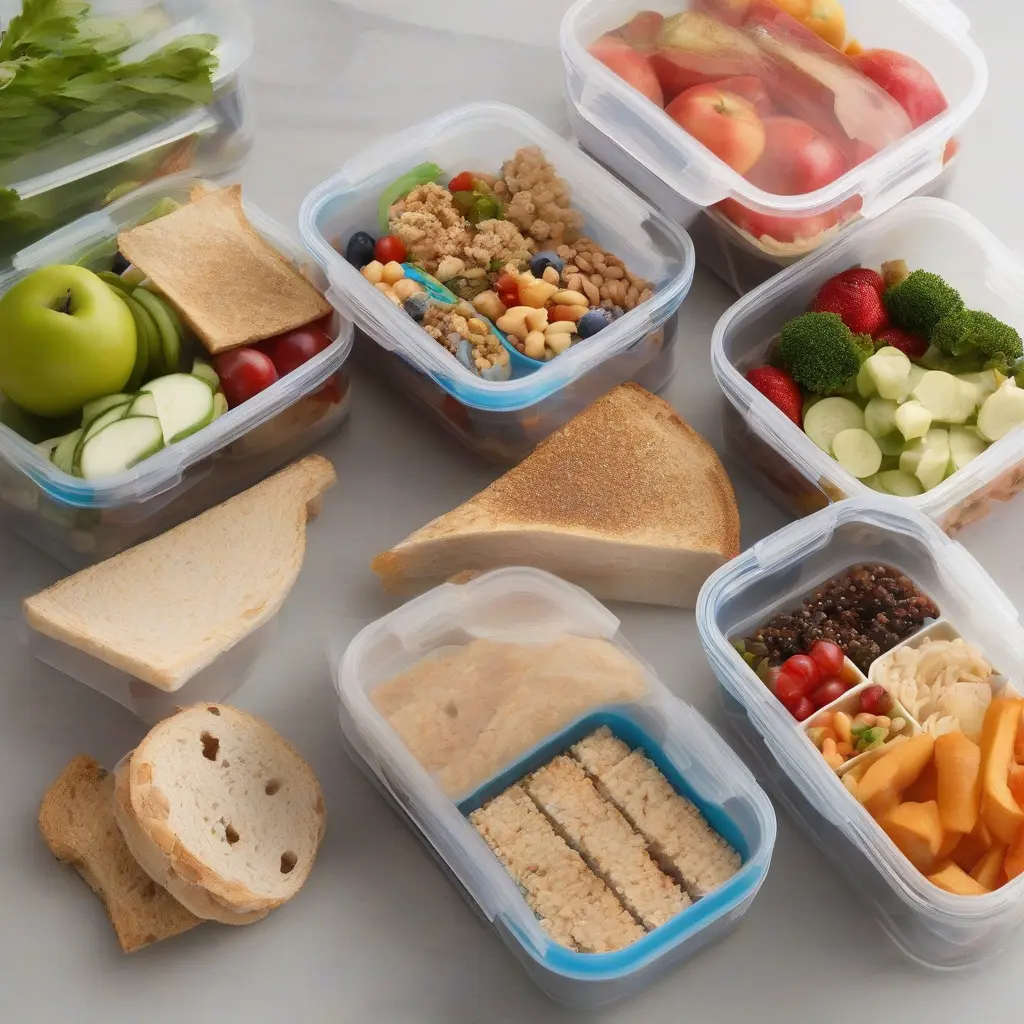
Small airtight containers are ideal for storing individual servings of snacks, herbs, or spices. Their compact size makes them convenient for organizing drawers or cabinets, and they often feature easy-to-use lids that seal tightly. These containers can range from a few ounces to around a pint in size, making them perfect for portion control or meal prep. Many people find that using smaller containers helps reduce food waste, as they can keep track of smaller quantities while preventing items from going stale.
Medium Airtight Containers
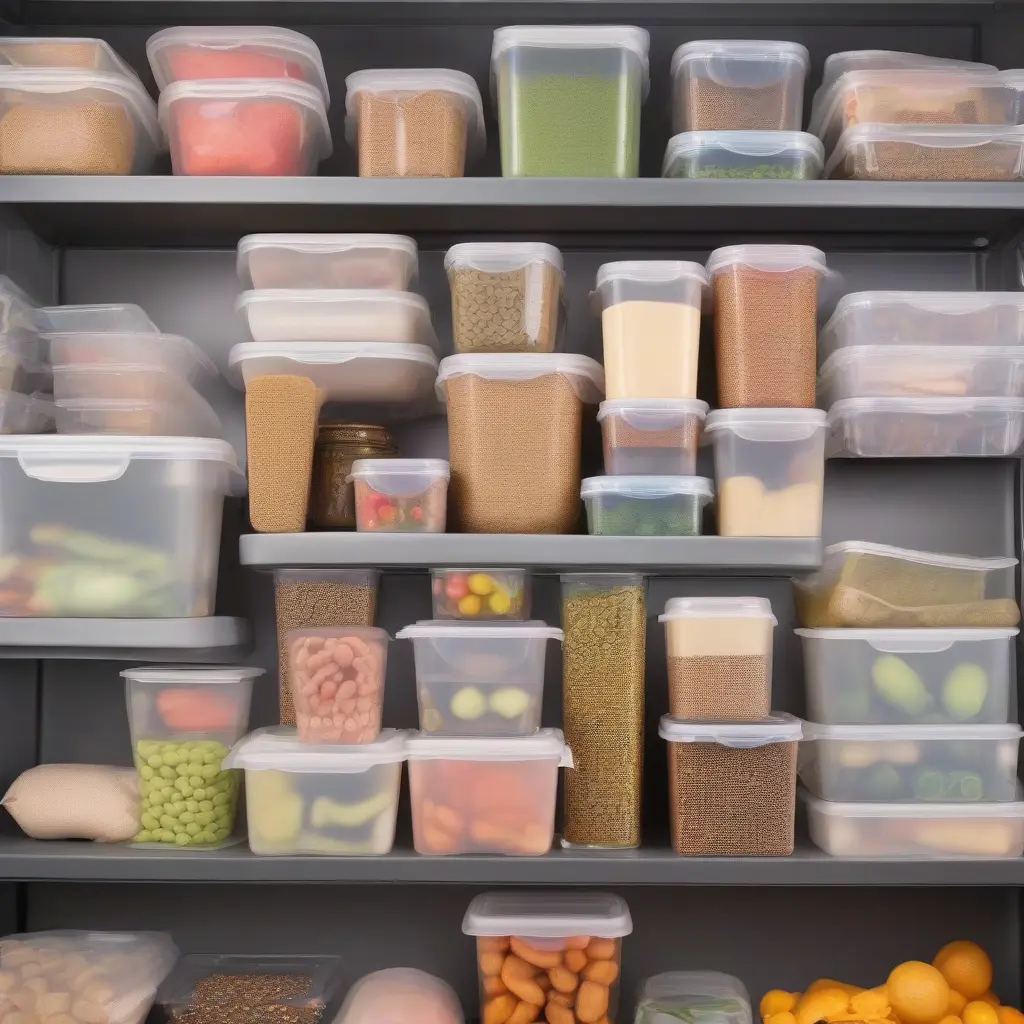
Medium-sized airtight containers typically hold between one to three quarts and are versatile for various purposes in the kitchen. These containers can be used to store bulk items like pasta, grains, or even leftovers. Their larger capacity allows for greater flexibility in meal preparation, making sure food remains fresh between uses. When selecting medium containers, consider their shape, as some may be designed for stacking, which can help maximize space in cupboards or on pantry shelves.
Large Airtight Containers
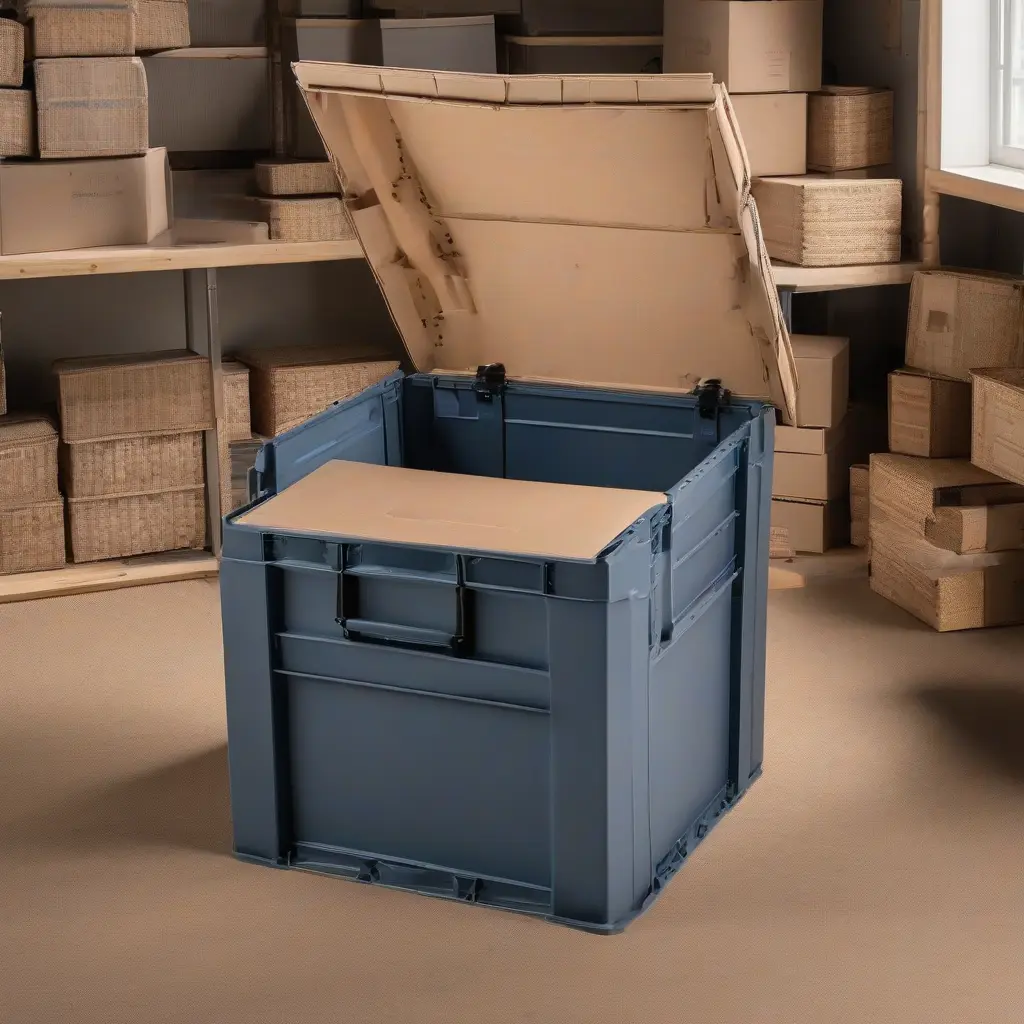
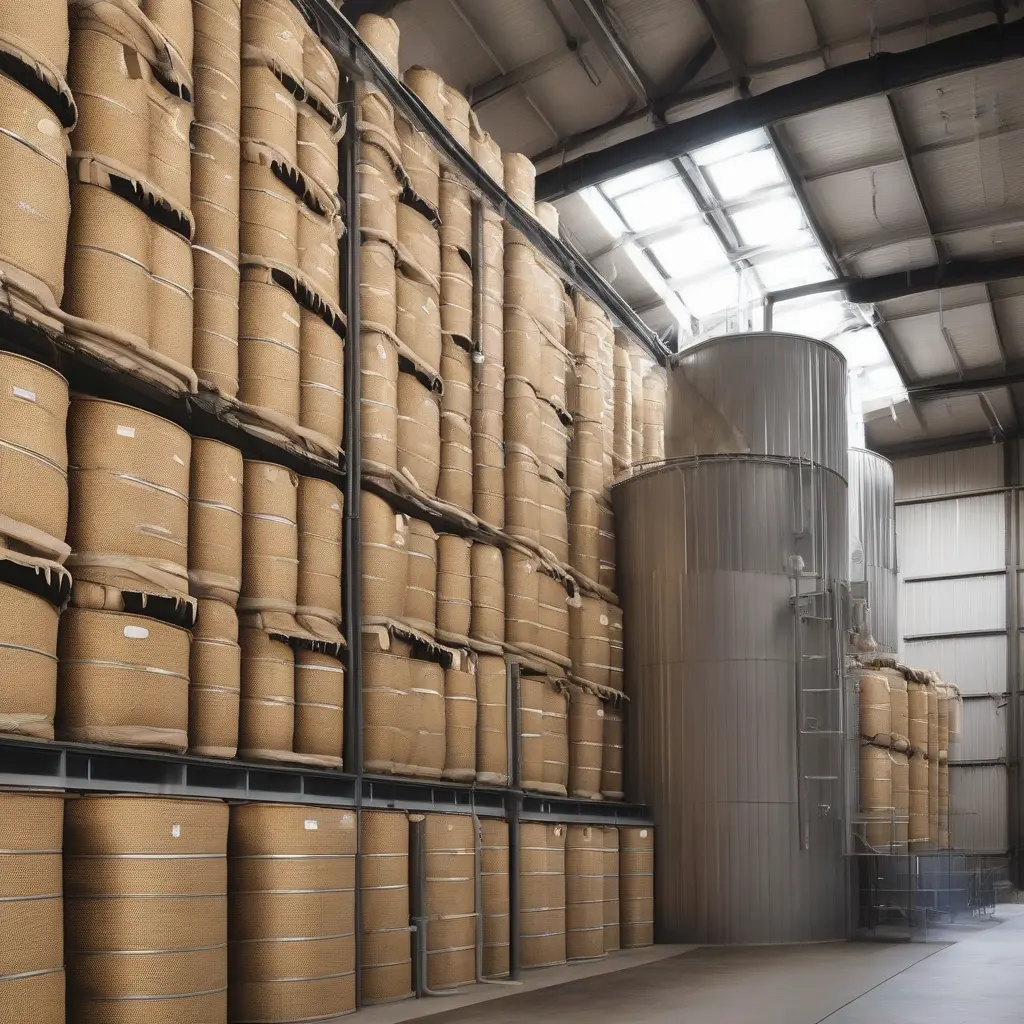
Large airtight containers provide substantial storage capacity, ranging from three quarts to several gallons. These are particularly useful for bulk storage, accommodating larger items such as flour, sugar, or bulk snacks. Families or individuals who cook frequently may find these containers essential for maintaining an organized kitchen. Additionally, large containers are often used for long-term storage of bulk-buy items, reducing the need for frequent purchases while ensuring that ingredients remain fresh and accessible.
Specialized Airtight Containers
Specialized airtight containers come in various shapes and sizes tailored for specific uses. For instance, vacuum-sealed containers are designed to remove all air, providing an additional layer of protection against spoilage. Other options may include stackable or modular designs that optimize space usage in the kitchen. Containers with built-in dividers are also popular for storing multiple items while preventing cross-contamination of flavors or odors. Understanding these specialized options can greatly enhance your food storage capability.
Choosing the Right Size for Your Needs
When deciding on the size of airtight containers to purchase, consider your eating habits and food storage needs. Evaluate the types of foods you typically keep—whether they are snacks, bulk items, or prepared meals. It’s also essential to think about the available storage space in your kitchen or pantry. By assessing both your food storage requirements and available space, you can make informed choices that will benefit your kitchen organization and food preservation efforts.
Benefits of Using Airtight Containers
Using airtight containers offers several advantages beyond mere storage efficiency. They help minimize food waste by preserving freshness, enabling you to store items longer without spoilage. These containers also keep pests at bay, preventing infestations that can lead to food contamination. Moreover, organizing food in airtight containers can simplify meal planning and grocery shopping, providing clear visibility into what you have on hand. The convenience they provide contributes significantly to maintaining a clean and tidy kitchen environment.
Care and Maintenance of Airtight Containers
Proper care and maintenance of airtight containers are crucial for their longevity and effectiveness. Most containers are dishwasher safe, but hand washing with mild soap is often recommended to preserve their sealing capabilities. Regularly inspect the seals and lids for any signs of wear or damage, as these areas are critical for maintaining the airtight barrier. By adhering to these care guidelines, you can ensure that your containers will continue to serve you well over the years.
Conclusion
Choosing the appropriate size of airtight containers is essential for effective food storage and kitchen organization. By understanding the various sizes available, from small to large, as well as their specific applications, you can make informed decisions that enhance your cooking and storing experiences. Investing in the right airtight containers leads to fresher food and a more organized kitchen, ultimately improving your overall cooking efficiency.