Grain storage boxes play a crucial role in preserving the quality and extending the shelf life of grains. By creating controlled environments, these storage solutions minimize factors like humidity, temperature fluctuations, and pest infestations, ensuring that grains remain fresh and nutritious for longer periods. This article explores the various ways grain storage boxes impact grain quality and shelf life, examining material choices, design elements, and best practices for maintaining optimal storage conditions.
Understanding the Importance of Grain Quality
Grain quality is vital for both producers and consumers. High-quality grains are essential for food security, providing the necessary nutrients and flavors in various products. Factors affecting grain quality include moisture content, foreign matter, and the presence of insects or mold. By utilizing effective grain storage boxes, producers can reduce the decay and spoilage of grains, thereby enhancing their market value and ensuring a better end product for consumers.
Factors Affecting Grain Shelf Life
Several factors critically influence the shelf life of stored grains, including temperature, humidity, and air quality. High temperatures can accelerate spoilage, while excess humidity encourages mold growth and attracts pests. Grain storage boxes are designed to mitigate these issues by incorporating features such as airtight seals and insulation. This creates a stable environment, thus preserving the grains for an extended period and maintaining their safety for consumption.
Material Choices in Grain Storage Boxes
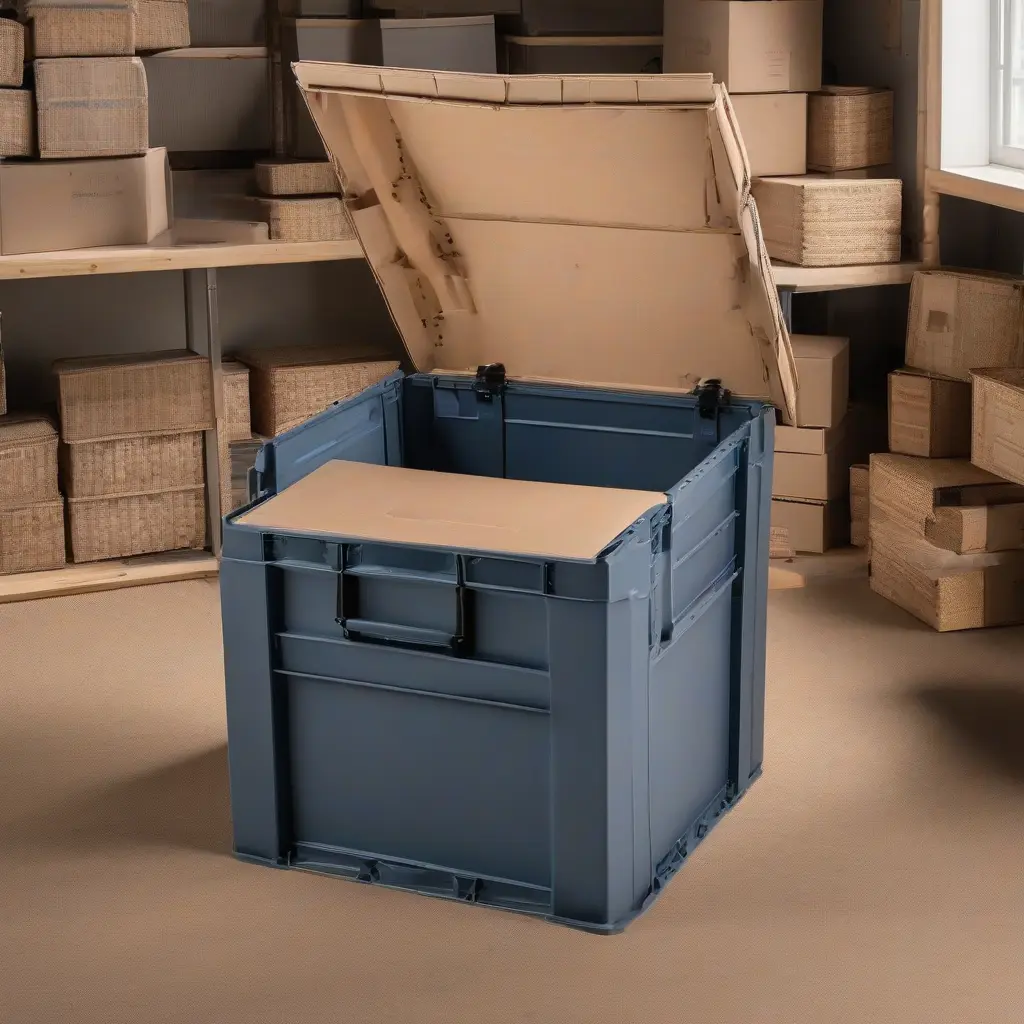
The material of grain storage boxes profoundly affects their effectiveness in preserving grain quality. Common materials include metal, plastic, and wood, each having distinct advantages and disadvantages. Metal boxes are durable and weather-resistant, whereas plastic options are often lighter and easier to manage. Wooden boxes may provide better insulation but often require more maintenance. Selecting the appropriate material is crucial for ensuring optimal storage conditions and protection from environmental stressors.
Design Features That Enhance Storage Efficiency
Grain storage boxes come equipped with various design features aimed at improving storage efficiency. These features include ventilation systems, humidity controls, and pest-proof compartments. Proper ventilation reduces moisture buildup, which is especially important in humid climates. Furthermore, integrated monitoring systems can alert users to unsafe conditions such as temperature spikes, enabling timely intervention. These design elements contribute significantly to prolonging grain shelf life and enhancing overall quality.
Best Practices for Maintaining Grain Quality
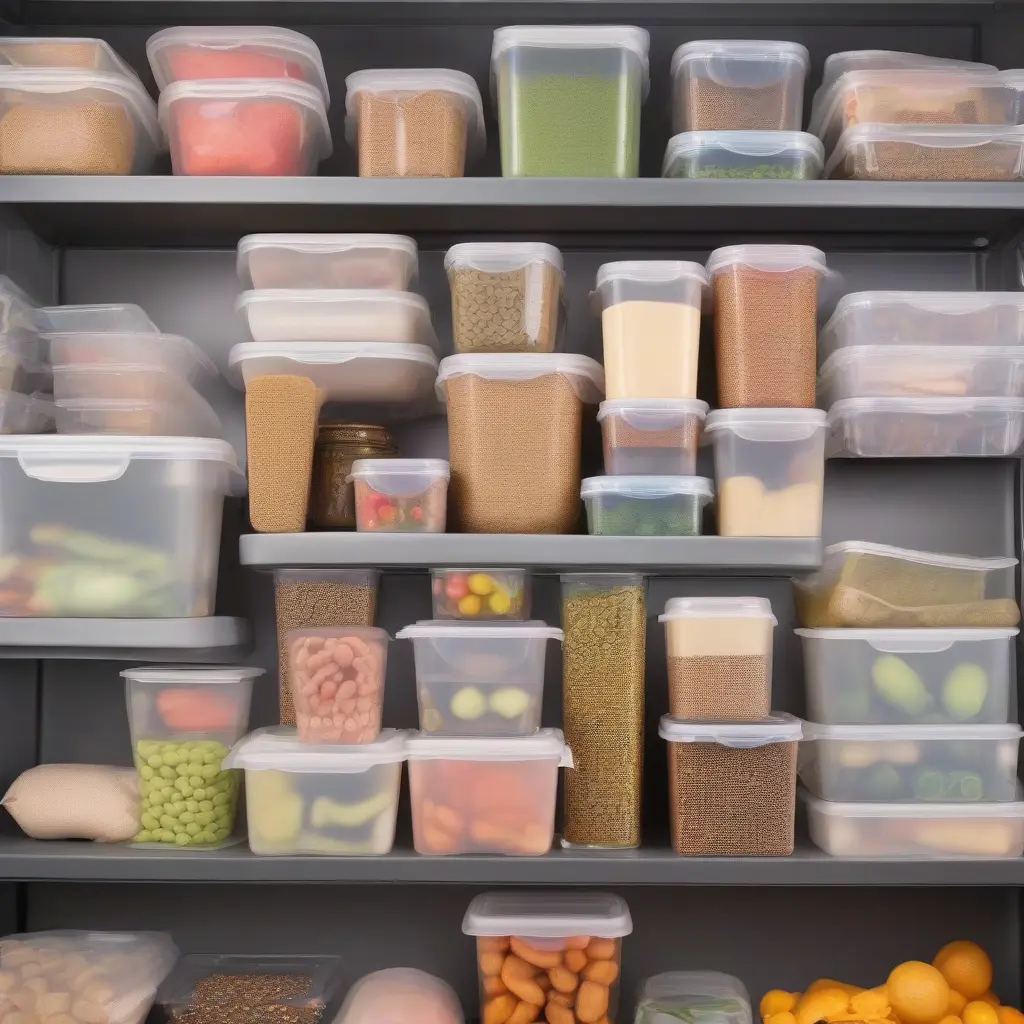
Implementing best practices for grain storage is essential for maintaining quality. Regular inspections of grain storage boxes can help identify any signs of pest activity or moisture infiltration. Additionally, grains should be stored in clean, dry containers and kept off the ground to prevent contamination. It’s also advisable to rotate stored grains periodically to ensure that older grains are used first. These practices not only help maintain grain quality but also minimize economic losses associated with spoilage.
The Role of Climate in Grain Storage
Climate plays a significant role in the effectiveness of grain storage practices. In regions with high humidity or extreme temperature fluctuations, special considerations must be taken. Grain storage boxes designed for such climates often include advanced features such as thermal insulation and desiccants to absorb excess moisture. Understanding local climate conditions is essential for selecting the right storage solutions, allowing for optimal grain preservation regardless of geographic challenges.
Technological Innovations in Grain Storage
Recent technological advancements have transformed the landscape of grain storage. Innovations such as smart storage options equipped with IoT sensors allow real-time monitoring of conditions within storage boxes. These sensors can track humidity, temperature, and even pest presence, ensuring immediate action can be taken if conditions become unfavorable. Such technological integrations enhance the efficiency of grain storage systems, maximizing shelf life and maintaining high-quality standards throughout the storage period.
Economic Benefits of Quality Grain Storage
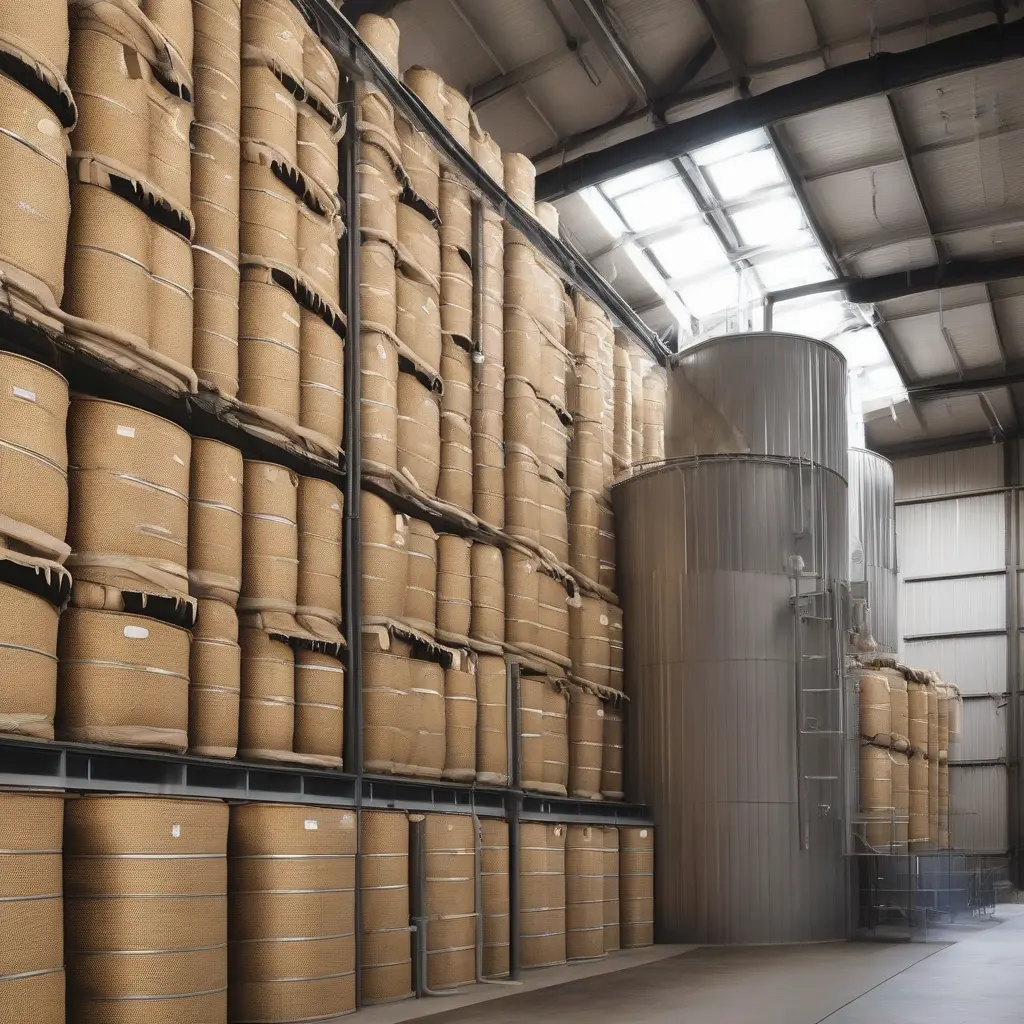
The economic benefits of investing in quality grain storage boxes are significant. By prolonging shelf life and enhancing quality, producers can reduce waste and improve yields, ultimately leading to higher profits. Efficient storage solutions also minimize the risk of crop loss due to spoilage or pest infestation, which can dramatically impact a farmer’s bottom line. Additionally, consistent quality can lead to better market pricing and stronger consumer trust in agricultural products.
Environmental Considerations in Grain Storage
Environmental sustainability is becoming increasingly important within agricultural practices, including grain storage. Many modern storage boxes are designed with eco-friendly materials and energy-efficient features, contributing to a reduced carbon footprint. Proper grain storage not only prevents waste but also optimizes resource use, aligning with sustainability goals. By adopting responsible storage practices, farmers can contribute positively to environmental conservation while ensuring grain quality and shelf life.
Conclusion
In conclusion, grain storage boxes are essential for maintaining grain quality and extending shelf life. By addressing key factors such as materials, design features, and best practices, these storage solutions play a pivotal role in preventing spoilage and enhancing economic viability. Understanding and employing effective storage strategies is crucial for anyone involved in grain production, ensuring that high-quality grains are preserved for future consumption while also providing substantial economic and environmental benefits.