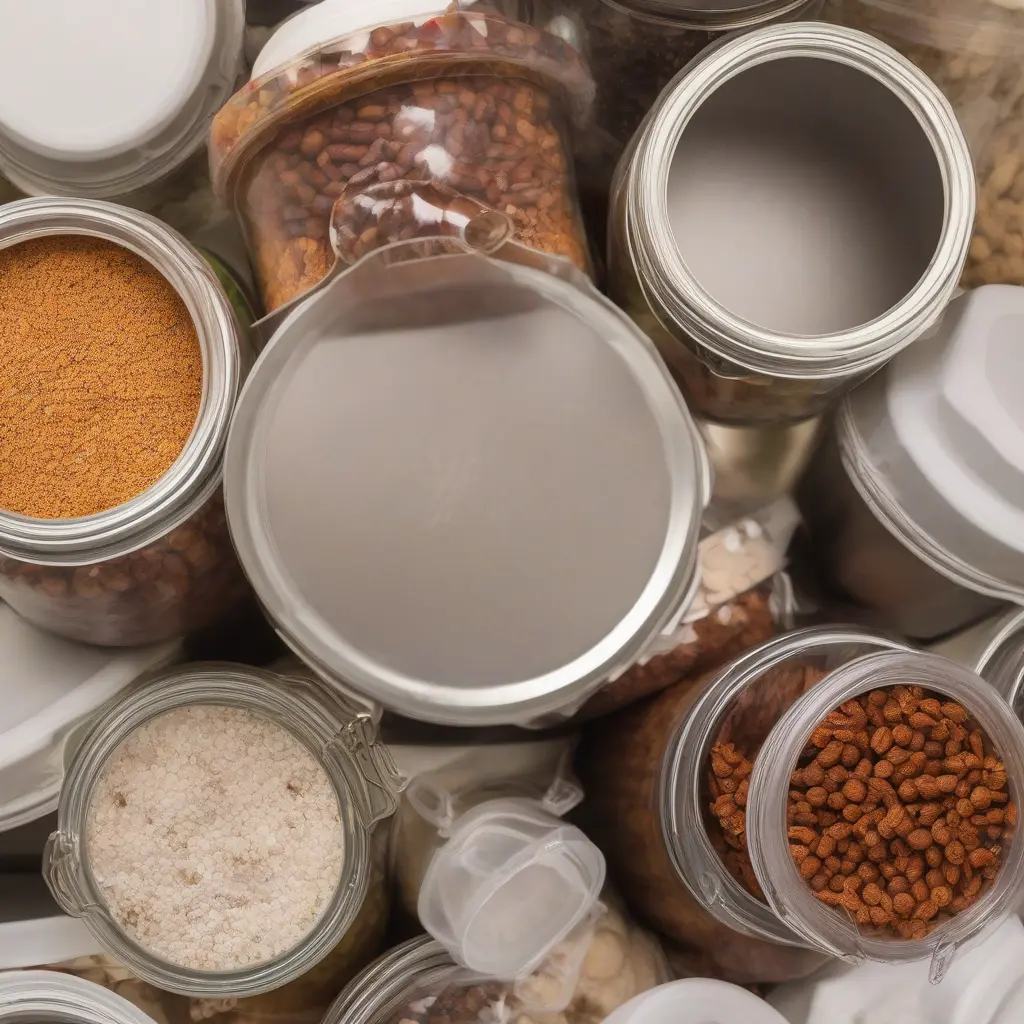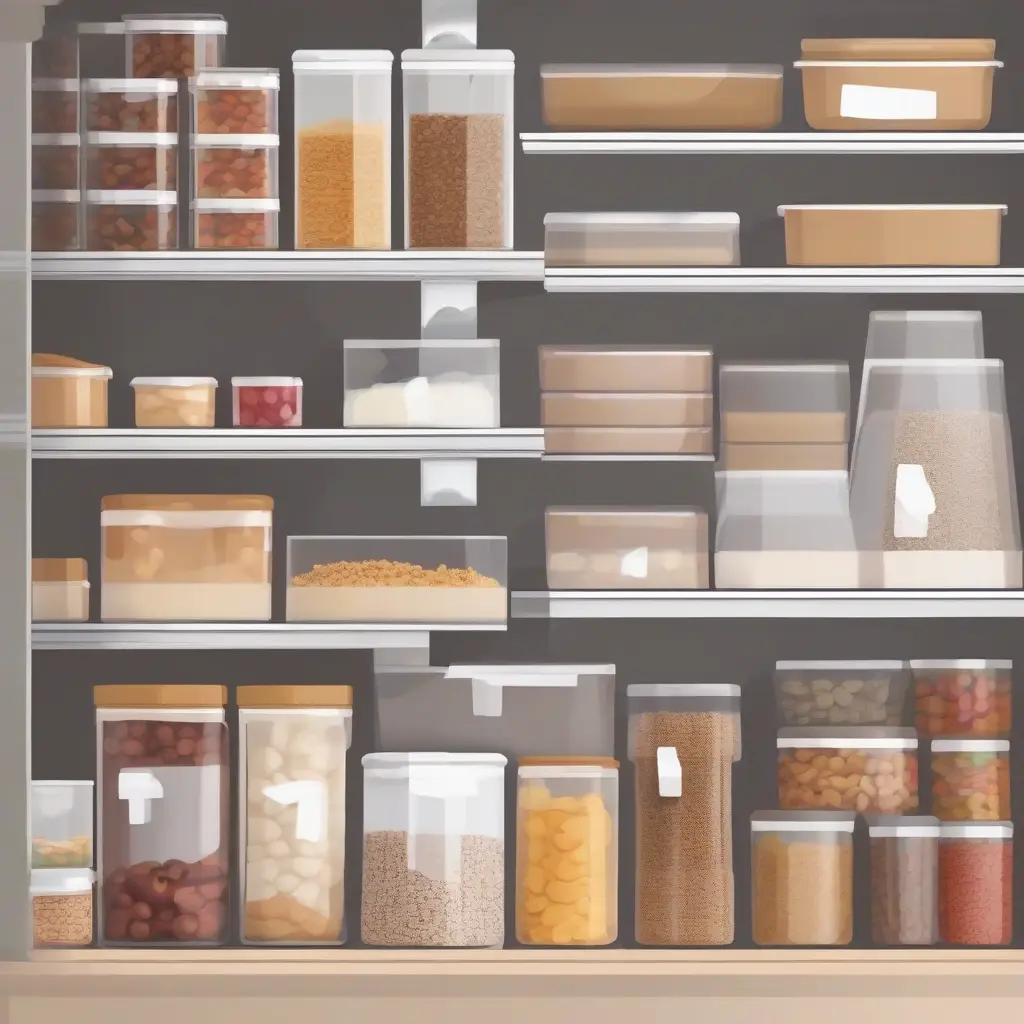
Organizing your pantry can transform your cooking experience by making ingredients easily accessible and reducing waste. Utilizing airtight containers is a key strategy in this process. These containers help preserve food freshness, minimize clutter, and provide a visually appealing way to store your items. In this guide, you will find detailed steps on how to effectively use airtight containers for pantry organization, along with tips to maintain order and functionality in your kitchen storage. Let’s dive into the systematic approach to achieving a well-organized pantry.
Assess Your Pantry Space
Before diving into organizing, it’s essential to assess your pantry space. Take note of the dimensions, shelf heights, and overall layout. Empty your pantry completely to understand how much space you actually have and what containers will fit best. This will allow you to visualize how to arrange your items effectively. Include an inventory of the items you wish to store to gauge the necessary number of airtight containers. Understanding your pantry’s specifics helps tailor your organization strategy to suit your needs.
Choose the Right Airtight Containers
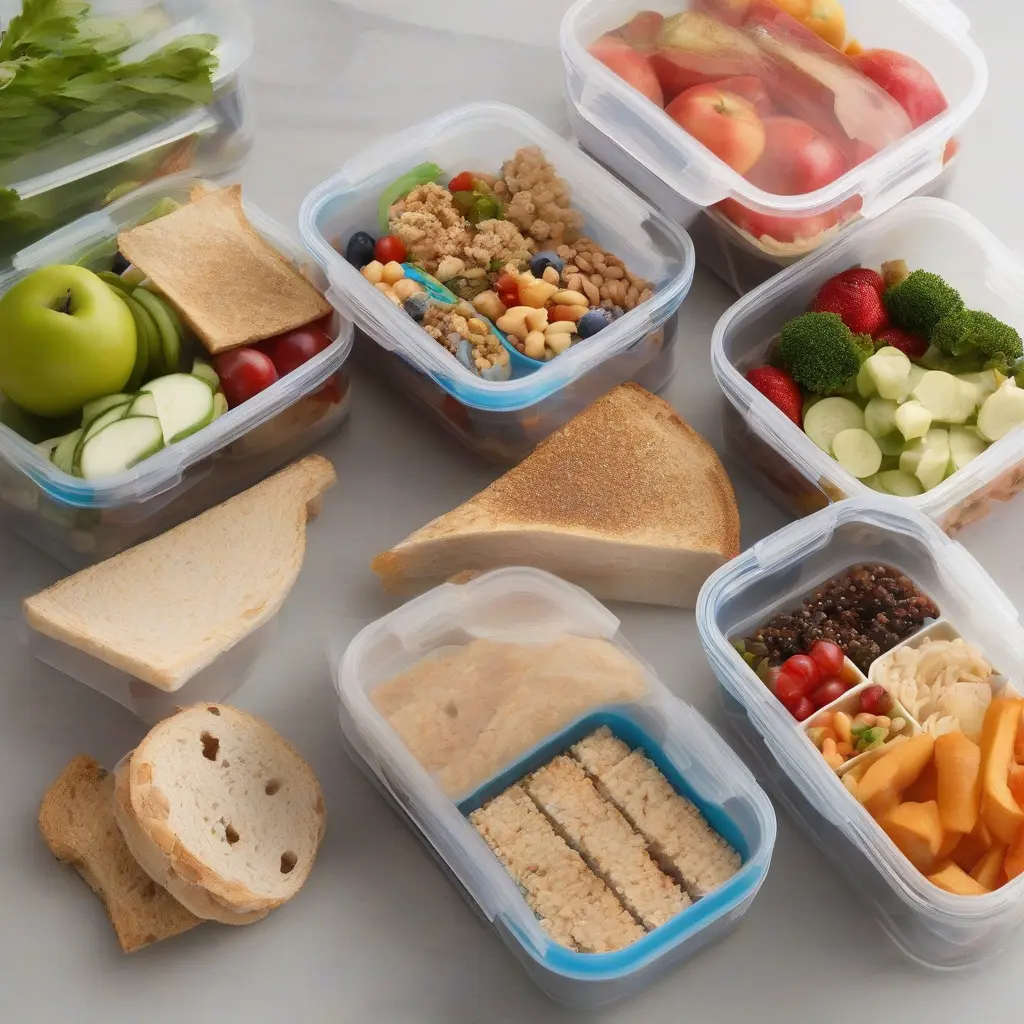
Selecting the appropriate airtight containers is crucial for successful pantry organization. Look for various shapes and sizes to accommodate different types of food items. Glass containers are aesthetically pleasing and help monitor contents, while plastic options can be lightweight and stackable. Ensure that the containers have sturdy seals to keep air out and maintain freshness. Consider whether you prefer clear containers for easy visibility or opaque ones to block light. Evaluating your needs will help you choose the best containers for your pantry.
Sort and Categorize Your Food Items
Sorting and categorizing your food items is a vital step in pantry organization. Group similar items together, such as grains, snacks, baking supplies, and canned goods. This strategy not only makes it easier to find what you need but also allows for better storage solutions. As you categorize, check expiration dates and discard any expired products. Labeling categories and individual containers can further streamline your pantry, making it user-friendly and efficient for everyone in the household.
Measure and Label Containers
Once you have selected your airtight containers, measuring them for precise filling is important. Use measuring cups or a kitchen scale to ensure you store the correct amounts of food. After filling the containers, label each one clearly with its contents and the date of storage. Labels can be handwritten or printed, depending on your preference. This not only enhances organization but also aids in inventory management, so you can use items before they expire.
Arrange Containers in the Pantry
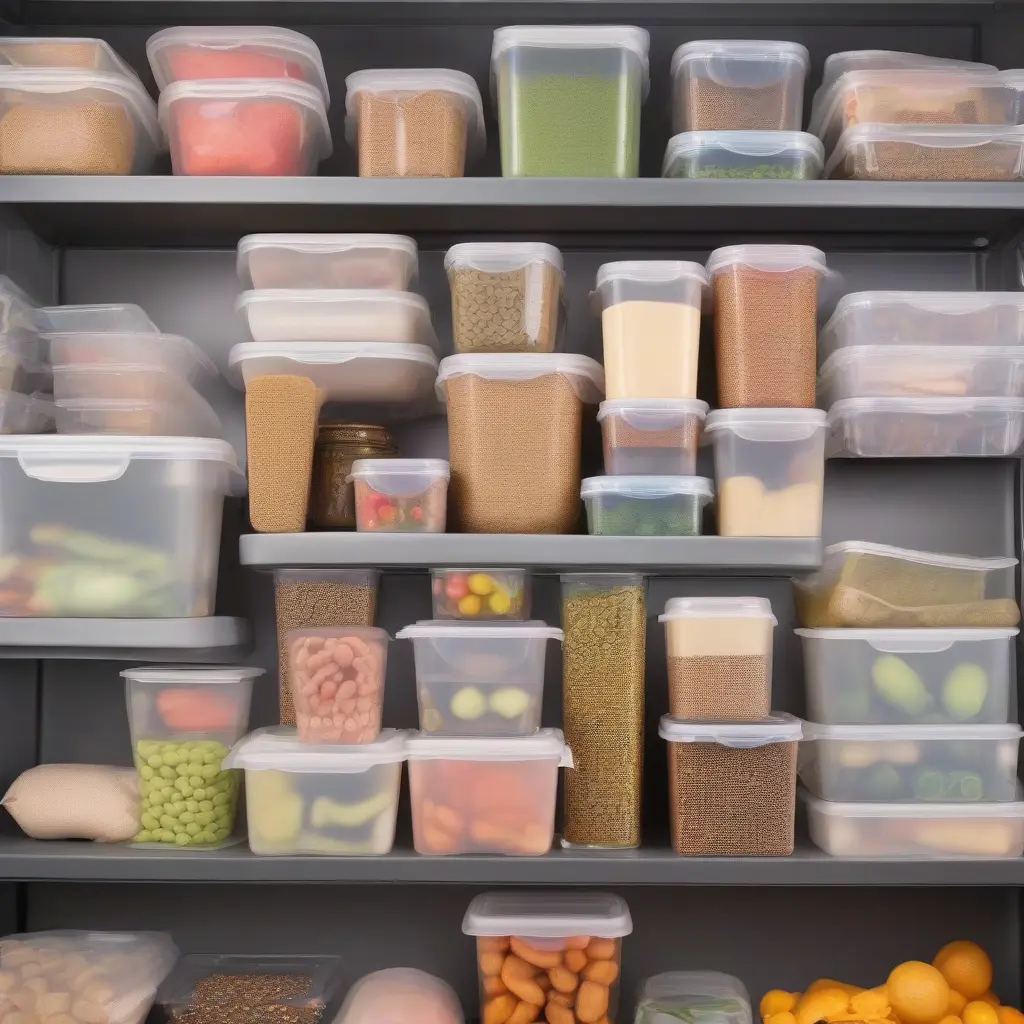
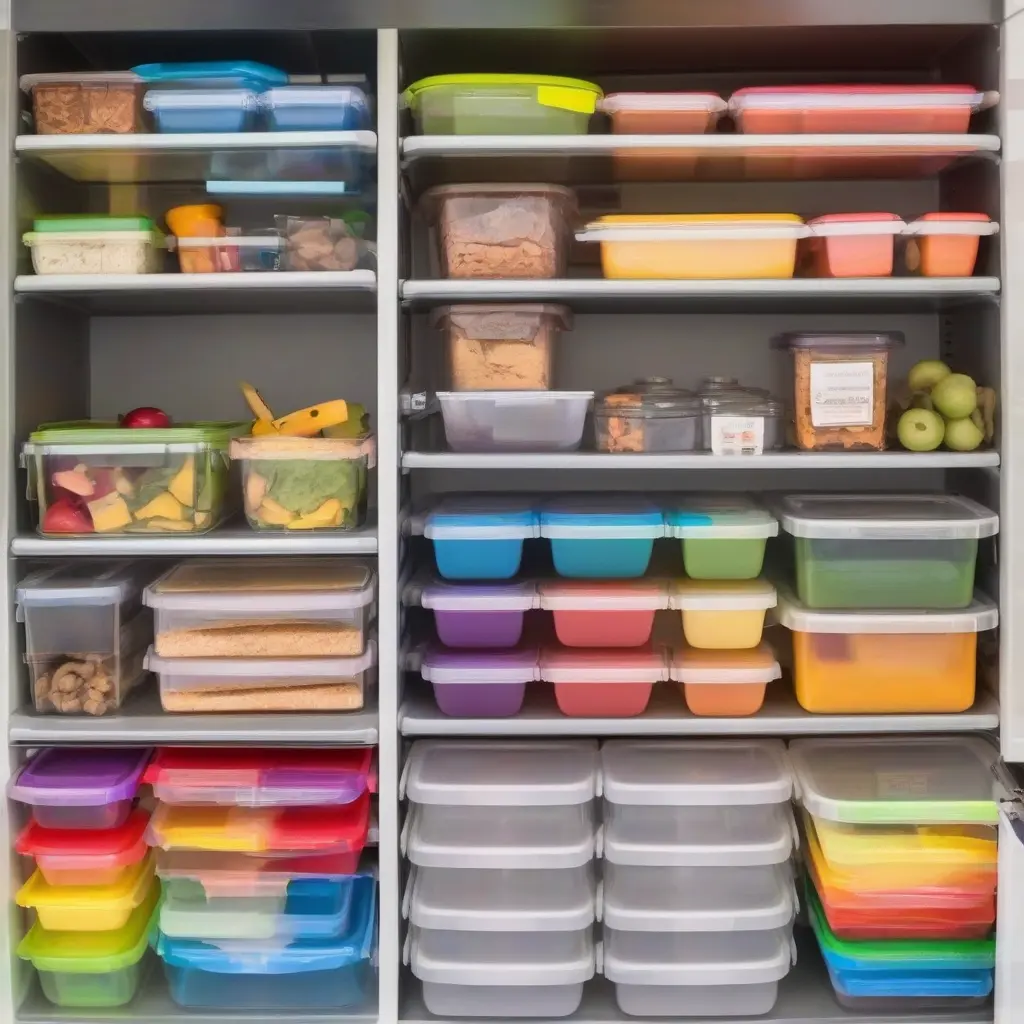
Arranging your airtight containers in the pantry is where your efforts truly come together. Place taller containers on the bottom shelves for easy access and stability, while smaller items can go on higher shelves. Consider grouping by category to maintain a clean look; for example, keep snack containers together and baking supplies in another section. Utilize shelf risers or bins to maximize vertical space and maintain visibility of all items. An organized arrangement promotes easy retrieval and keeps your pantry functional.
Maintain Your Organized Pantry
Maintaining an organized pantry requires consistent effort. Set a schedule to regularly check your pantry, especially after grocery shopping or meal prepping. Ensure that new items are placed behind existing ones and regularly tidy up any disordered areas. Refresh labels as needed to keep them relevant. It’s also helpful to establish a one-in, one-out policy when buying new items to prevent clutter. Regular maintenance will help extend the life of your organization system and make cooking more enjoyable.
Benefits of Using Airtight Containers
Utilizing airtight containers offers numerous benefits beyond just organization. These containers help preserve the freshness and flavor of your food, reducing waste due to spoilage. They can also protect dry goods from pests and contaminants. Additionally, the clear design of many airtight containers allows you to quickly see what you have, reducing the likelihood of buying duplicates. This streamlined organization can save you time and enhance the efficiency of your cooking and meal planning.
Storage Tips for Less Common Items
Certain pantry items, such as spices or baking essentials, require special storage considerations. For spices, consider smaller airtight jars or containers that fit well together; keeping them in a drawer can save space. Baking goods, such as flour and sugar, should be stored in large containers to ensure they remain fresh. Group less common items, like specialty oils or grains, in designated areas, making them easy to find when needed while maintaining overall order in your pantry.
Incorporating Seasonal Items
Incorporating seasonal items into your pantry organization can further enhance functionality. Consider setting aside a space for seasonal baking supplies or holiday-specific foods. Use clear or labeled containers to easily identify these items when needed. As seasons change, cycle out seasonal items and refresh your inventory. This approach not only keeps your pantry organized but also allows for smoother transitions in meal planning and cooking throughout the year.
Conclusion
Organizing your pantry with airtight containers is a straightforward process that can greatly improve your kitchen’s efficiency and aesthetics. By following this step-by-step guide, you can create a beautifully organized space that reduces waste and enhances your cooking experience. Regular maintenance of your pantry will ensure that it remains functional and clutter-free, providing easy access to ingredients. With the right approach, your pantry can become a source of pride and inspiration in your culinary endeavors.