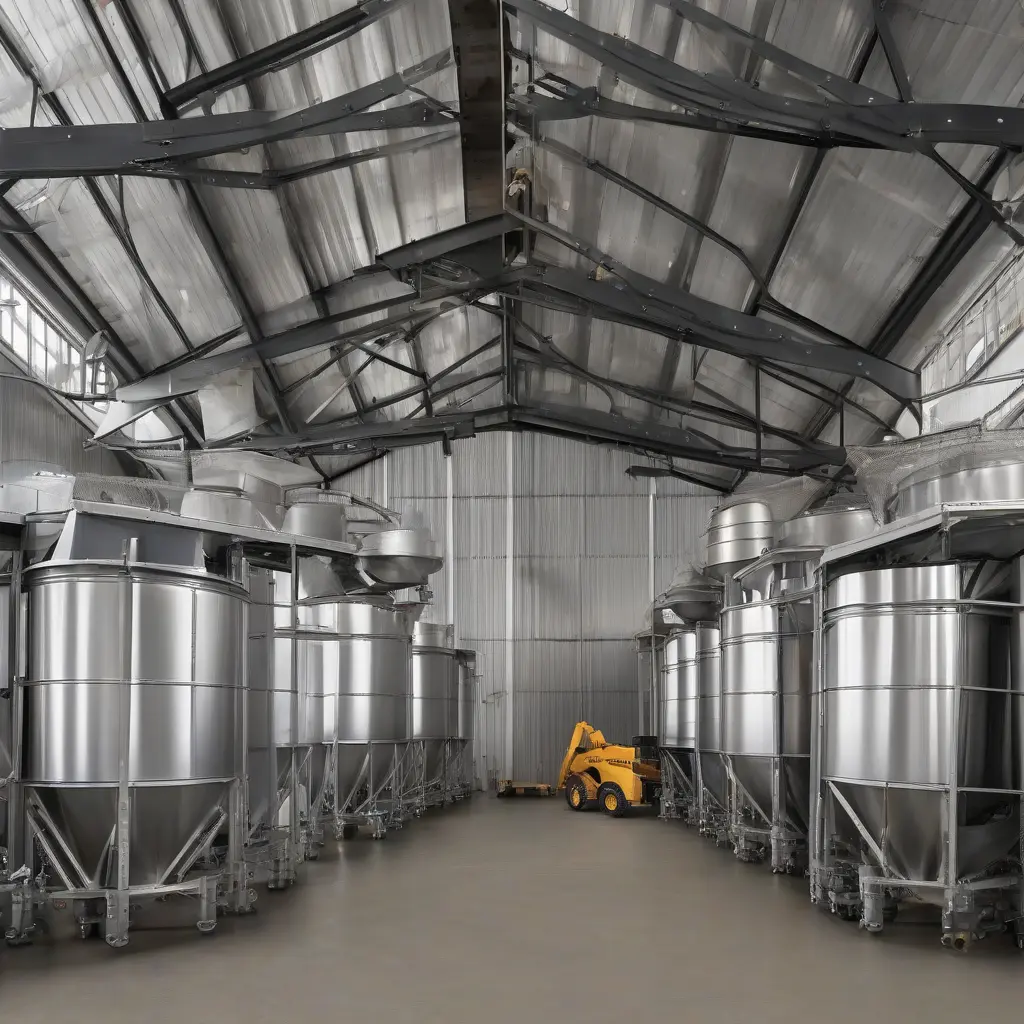
Establishing a grain storage box labeling system is essential for anyone involved in agriculture or food management. A well-organized labeling system allows easy access to various grains, enhancing productivity and efficiency in any storage setup. By implementing a user-friendly labeling strategy, you can reduce the risk of mix-ups, minimize waste, and maintain a reliable inventory. This guide will provide detailed steps on how to create an effective labeling system tailored for your grain storage boxes.
Assess Your Grain Storage Needs
Before creating a labeling system, it is crucial to assess your grain storage needs. Consider the types and quantities of grains you are storing, as well as the frequency of access. This assessment will influence the layout and requirements of your labeling system. Identify distinct categories that reflect your inventory, like grains type, harvest date, or usage frequency. Understanding your storage needs ensures that the labeling system effectively addresses your specific requirements, leading to smooth operations.
Choose the Right Labeling Materials
Selecting appropriate labeling materials is vital for creating a durable and accessible system. Options include waterproof labels, adhesive tags, and even digital solutions like QR codes. Ensure the materials you choose can withstand the environmental conditions where the storage boxes are kept, such as humidity or temperature variations. This selection not only increases the life expectancy of the labels but also helps maintain legibility and durability, preventing costly replacements or unreadable labels.
Standardize Your Label Formats
Standardizing label formats is crucial for consistency and easy understanding. Choose specific fonts, colors, and sizes that can be easily read from a distance. Each label should prominently display key information like the grain type, storage date, and any specific handling instructions. This uniform approach simplifies quickly identifying the contents of each grain storage box, which in turn helps optimize inventory management and speeds up the retrieval process whenever needed.
Incorporate Color Coding
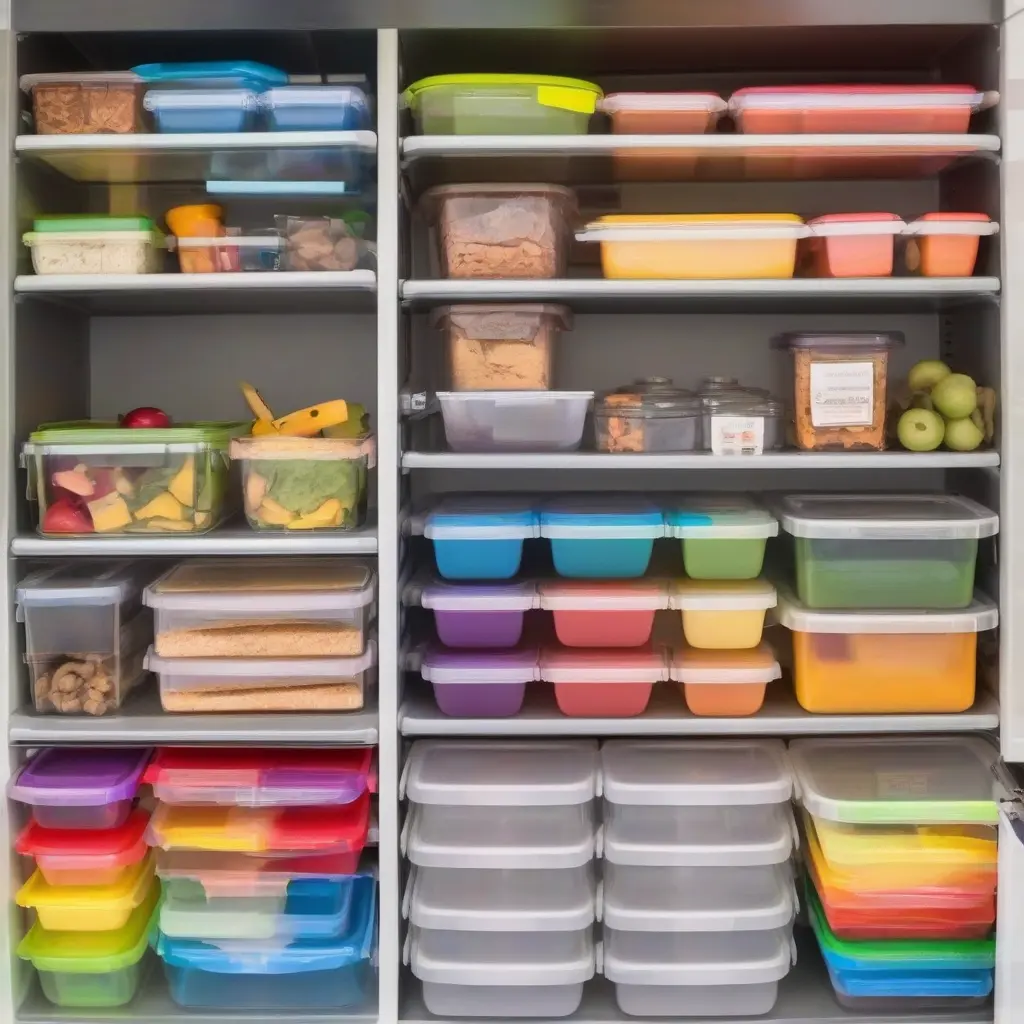
Color coding your labels can significantly enhance the accessibility of your grain storage system. By assigning different colors to various categories of grains, you can allow quick visual identification, minimizing the time spent searching through boxes. For example, use green for organic grains, yellow for conventional ones, and red for those nearing expiration. This visual cue not only improves usability but also enables quicker assessments of stock levels and helps with prioritizing usage.
Utilize Digital Tools
In the digital age, utilizing technological tools can streamline your labeling process. Apps and software specifically designed for inventory management can help create, organize, and track grain storage labels efficiently. Digital solutions can also enable easy updates as supplies change or when new grains are added. By integrating digital tools into your labeling system, you can enhance accuracy and efficiency, making it easier to manage large quantities of grain.
Implement Regular Inventory Checks
Regular inventory checks are essential for maintaining your grain storage box labeling system’s efficiency. Schedule routine assessments to verify that the labels accurately reflect the contents of each box. This process helps identify discrepancies and ensures that the right grains are being accessed and used. By implementing these checks, you not only maintain the integrity of your labeling system but also help in managing expiration dates and preventing waste, leading to better resource management.
Train Your Team
Training your team on the grain storage box labeling system is essential to ensure that everyone understands its use and importance. Conduct informative sessions outlining how to read labels, follow color codes, and conduct regular inventory checks. A well-informed team can better maintain the labeling system and contribute to its overall efficiency. By investing in staff training, you enhance their confidence in managing storage and improve the overall productivity of your operations.
Adapt as Needs Change
An effective labeling system is not static; it must evolve as your grain storage needs change. Regularly reevaluate the system based on seasonal fluctuations, inventory changes, or scaling operations. Being adaptable allows you to refine and improve the system continually, ensuring it meets your current needs. This flexibility can lead to enhanced operational efficiency, reduced waste, and a better-organized grain storage environment.
Conclusion
Creating a grain storage box labeling system is a vital aspect of effective grain management. By assessing your needs, choosing the right materials, and incorporating digital tools, you can ensure easy access and streamline your storage processes. With regular training and periodic adjustments, your labeling system can serve as a valuable asset that enhances productivity and maintains the quality of stored grains.