Properly cleaning and maintaining grain storage boxes is crucial for maximizing their lifespan and ensuring the quality of stored grains. Regular upkeep prevents contamination and preserves the integrity of your grain, while also decreasing the risk of pest infestations. This article provides comprehensive tips and techniques to ensure that your grain storage boxes remain in optimal condition, benefiting both short-term storage and long-term use. Whether you have metal, plastic, or wooden storage options, adhering to effective cleaning practices will promote better food safety and storage efficiency.
Understanding Your Grain Storage Boxes
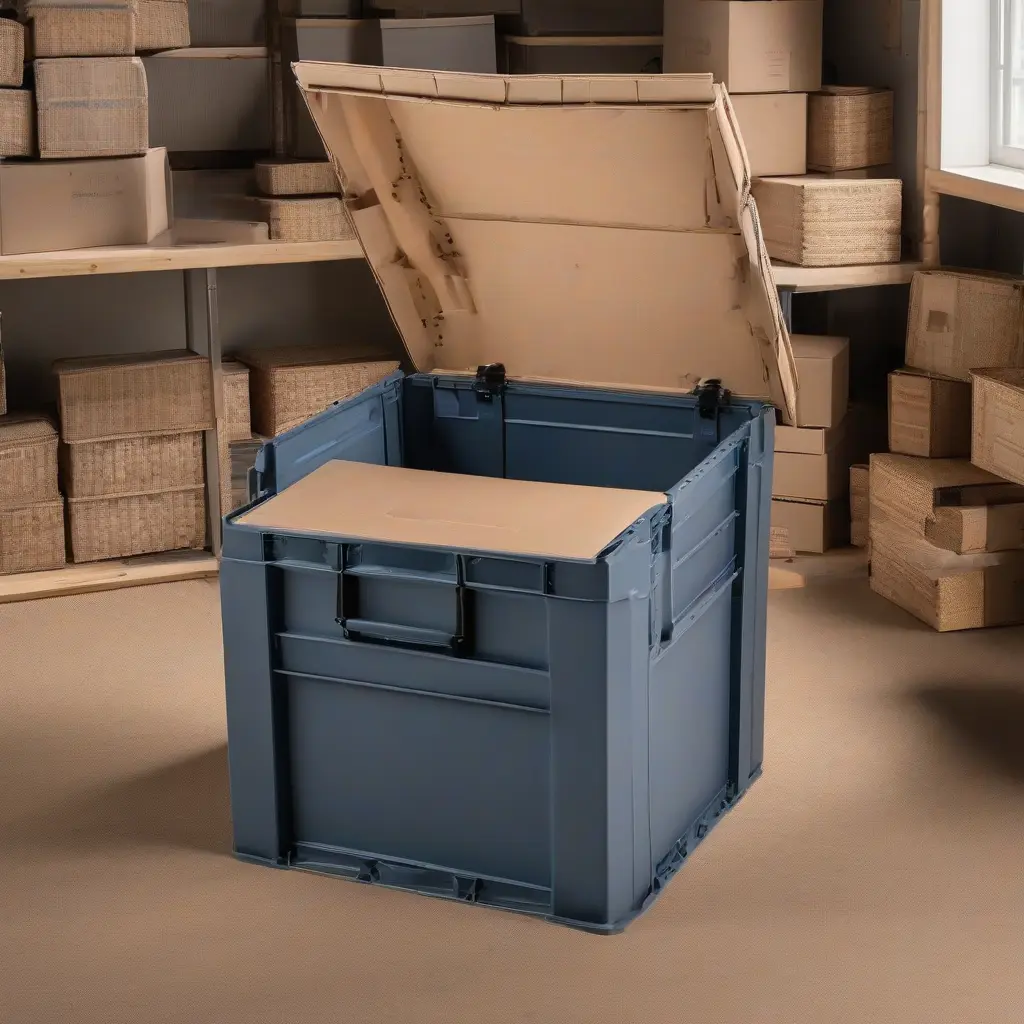
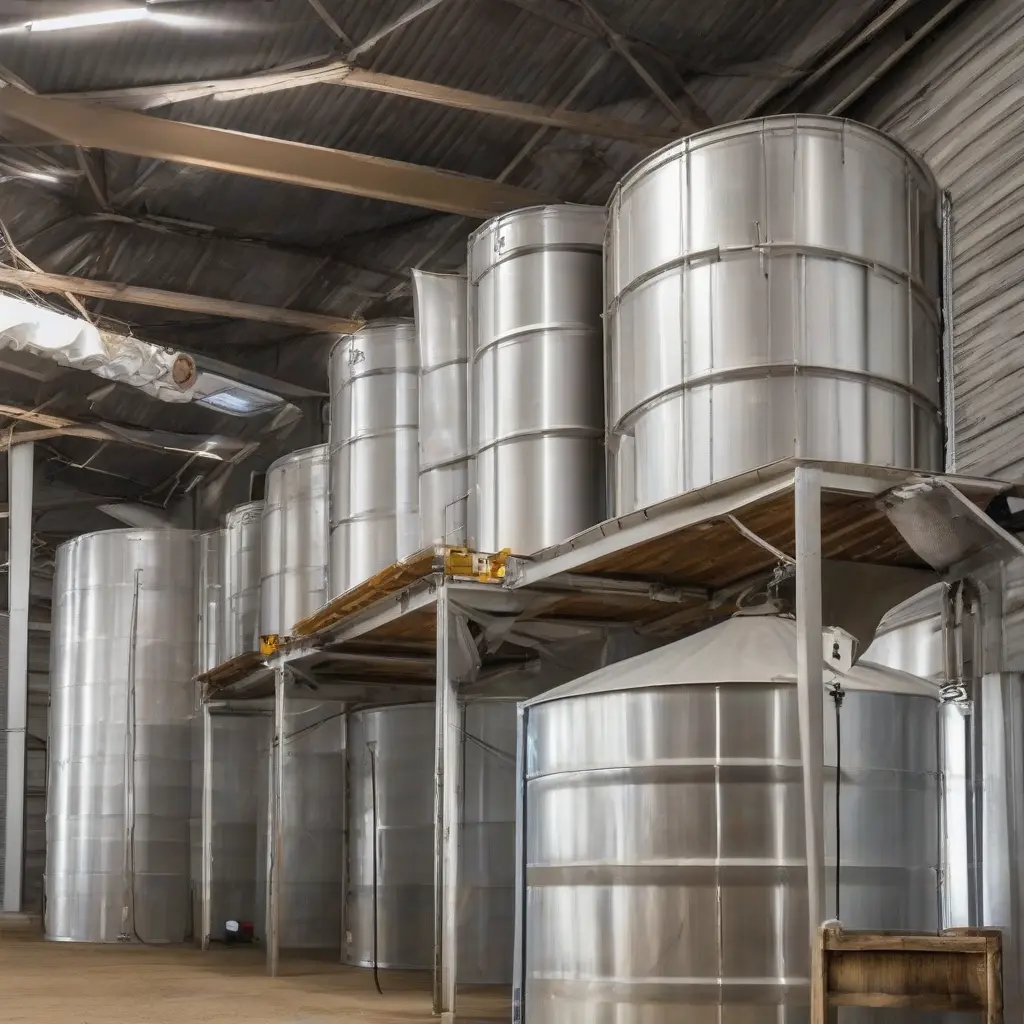
Before diving into cleaning techniques, it’s essential to understand the different types of grain storage boxes available. They vary in materials, such as metal, plastic, and wood, each requiring specific maintenance approaches. Metal storage boxes are durable and resistant to pests but may rust if not properly cared for. Plastic boxes are lightweight and easy to clean but can warp under extreme temperatures. Wooden boxes, while aesthetically pleasing, require careful treatment to prevent moisture damage. Knowing these material characteristics helps tailor your cleaning and maintenance strategies effectively.
Initial Inspection of Your Storage Boxes
Start the maintenance process with a thorough inspection of your grain storage boxes. Look for signs of wear and tear, such as rust on metal boxes, cracks in plastic ones, or rot in wooden containers. Check seals and hinges for functionality as well. This initial examination helps identify necessary repairs before cleaning begins, preventing potential failures that could compromise grain quality. Taking note of any damage allows you to plan appropriate remedial actions, ensuring a longer lifespan for your storage solutions.
Cleaning Your Grain Storage Boxes: Essential Supplies
Having the right cleaning supplies is key to effectively maintaining grain storage boxes. Basic supplies include a broom, brush, mild soap, water, and a cloth or sponge. Depending on the material, you may need specialized cleaners to avoid damage. For example, vinegar can be a natural cleaning agent for wood, while baking soda works well as a scrub when tackling tough stains. Always ensure that the cleaning agents used are safe for food storage to avoid contamination. Proper supplies not only aid in effective cleaning but significantly enhance the protective measures for stored grains.
The Cleaning Process for Metal Storage Boxes
Cleaning metal grain storage boxes involves a systematic approach to eliminate dirt and rust. Begin by emptying the box and sweeping out any residual grain. Use a mixture of soap and warm water to scrub the interior and exterior surfaces, focusing on areas with visible rust. For stubborn rust patches, a wire brush or sandpaper can be employed cautiously. After scrubbing, rinse thoroughly to remove soap residues and let the box air-dry completely. Apply a food-safe oil periodically to the exterior to prevent rust formation, ensuring that your storage box remains durable and effective.
Cleaning Plastic Grain Storage Boxes Effectively
For plastic grain storage boxes, cleaning requires gentler techniques to avoid surface scratches. Start by removing any stored grain and debris with a broom or vacuum. Clean with a solution of mild soap and warm water using a soft sponge to prevent scratching. Rinse thoroughly to eliminate soap residues and let the box air-dry. Avoid harsh chemicals or abrasive materials, as these can degrade plastic over time. Regular cleaning helps maintain hygiene and prevents the buildup of odors or harmful bacteria, ensuring safe storage for your grain.
Proper Maintenance for Wooden Grain Storage Boxes
Wooden grain storage boxes necessitate unique maintenance protocols to protect against moisture and pests. Start by inspecting for signs of rot or insect damage, as these can compromise the structure. Clean the interior and exterior with a soft brush or cloth using mild soap and water, ensuring thorough drying afterward. To prevent moisture absorption, consider applying a food-safe sealant or wood oil periodically. Regularly check for wear and apply protective coatings when necessary, as these practices safeguard your grains and enhance the longevity of the wooden box.
Post-Cleaning Maintenance Tips
Once your grain storage boxes are clean, implement several post-cleaning maintenance tips to prolong their lifespan. Always ensure the boxes are completely dry before storing new grains, as residual moisture can cause spoilage. Store boxes in a cool, dry place to minimize temperature fluctuations and humidity that may lead to damage. Additionally, regularly inspect storage conditions and rotate stored grains to maintain freshness. Following these practices not only enhances the quality of your stored products but also ensures that your storage methods remain effective over time.
Storing Grains: Best Practices
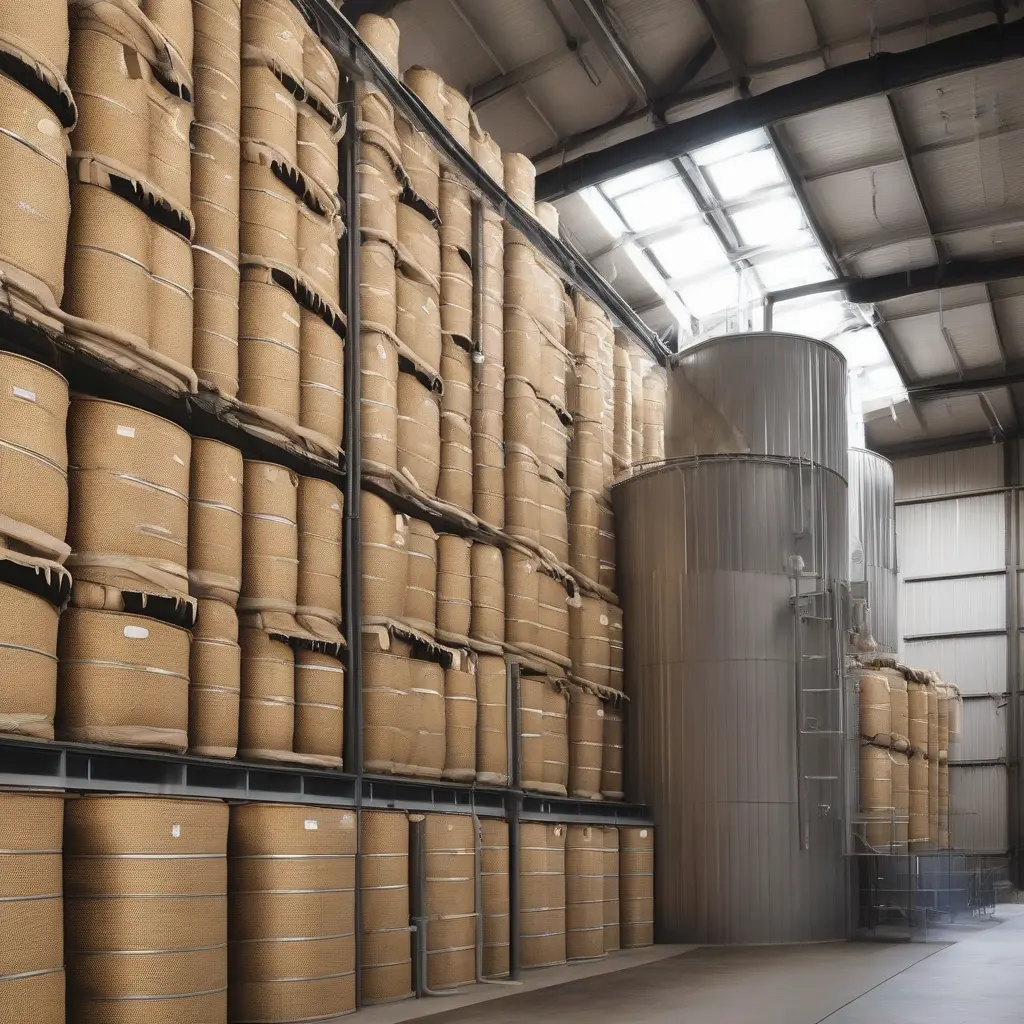
Effective grain storage practices also play a significant role in maintaining grain quality and the condition of your storage boxes. Always use clean, dry grains to avoid introducing contaminants. Fill boxes to recommended capacities to prevent excess air from promoting spoilage. Ensure boxes are sealed properly to deter pests and moisture infiltration. Additionally, label boxes clearly and keep an inventory to manage grain usage efficiently. These practices contribute to a more organized storage system and ensure better accessibility and quality for your grains.
Understanding the Importance of Regular Maintenance
Regular maintenance of your grain storage boxes is crucial for ensuring they remain effective over time. Neglecting routine care could lead to reduced durability, increased risk of contamination, and potential grain spoilage. Implementing a regular schedule for cleaning and inspections can prevent costly repairs and preserve the quality of your stored grains. This proactive approach not only protects your investment in grain storage but also ensures food safety by minimizing the risk of pest infestations or mold growth. Understanding these aspects will encourage responsible management of your grain storage solutions.
Conclusion
In conclusion, properly cleaning and maintaining your grain storage boxes is vital for ensuring their longevity and preserving the quality of stored grains. Understanding the materials and adopting suitable cleaning techniques are key to effective maintenance. Regular inspections and post-cleaning practices further enhance storage efficiency, ensuring both safety and accessibility. By following these guidelines, you ensure a reliable storage system that benefits your grains and prolongs the life of your storage boxes.