Reducing food waste is a significant concern for many households, not only from an environmental perspective but also for financial reasons. Airtight containers can play a pivotal role in minimizing waste at home by prolonging the freshness of food items. These containers are designed to create a seal that prevents air and moisture from entering, which significantly slows down spoilage. By using airtight containers, families can save money and reduce their ecological footprint while enjoying fresher food for longer periods.
Understanding Food Waste and Its Impact
Food waste is an alarming global issue, with approximately one-third of all food produced going to waste. In households, this waste often occurs due to improper storage, causing food to spoil before it can be consumed. Not only does this waste contribute to environmental problems, such as greenhouse gas emissions, but it also represents a financial loss for families. Understanding the impact of food waste is critical to adopting better storage practices, thus making a case for utilizing airtight containers more effectively.
How Airtight Containers Work
Airtight containers work by creating a vacuum-sealed environment that keeps air and moisture away from food. The principle is simple: when food is exposed to air, it undergoes oxidation, leading to spoilage. These containers often feature a rubber gasket and locking mechanisms that create a tight seal, ensuring that the contents remain fresh for a longer time. By eliminating air exposure, airtight containers significantly reduce the chances of mold growth and bacterial contamination, making them ideal for various food items.
Benefits of Using Airtight Containers
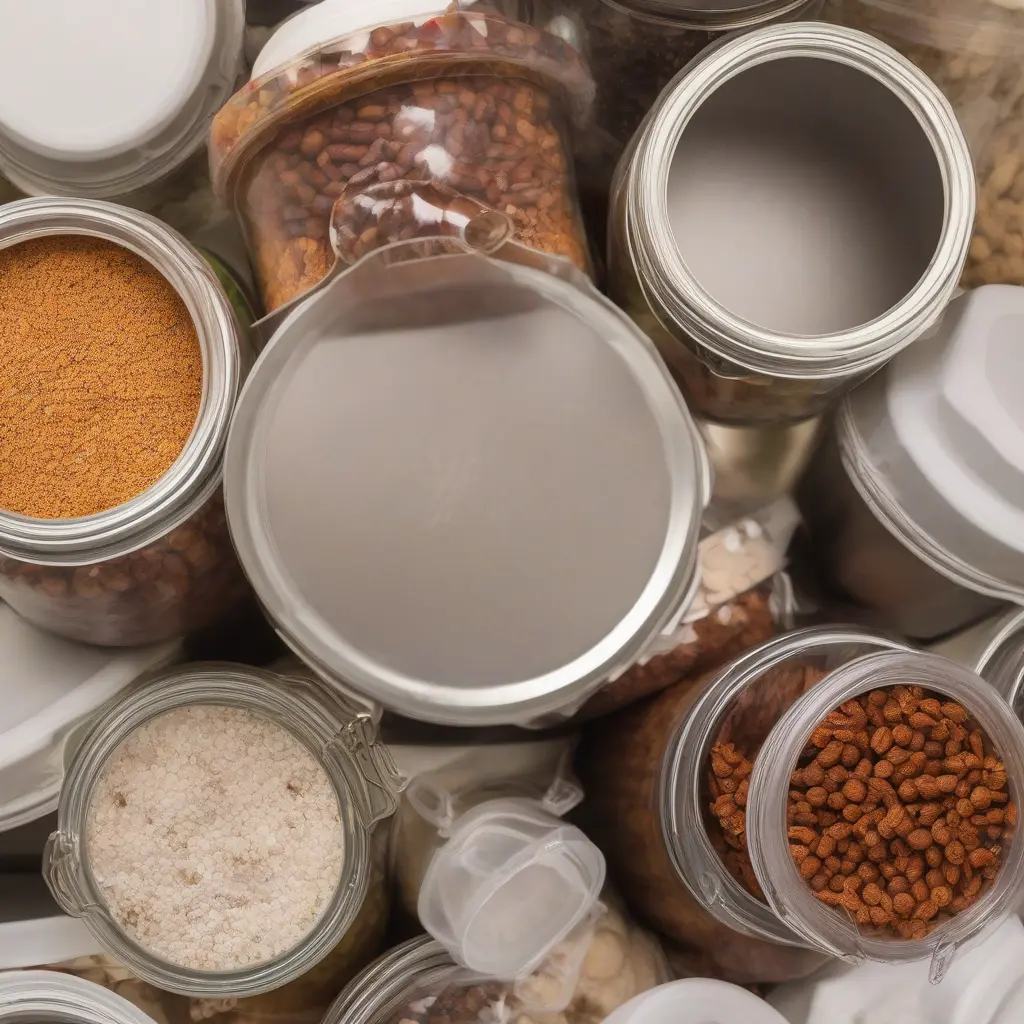
One of the primary benefits of airtight containers is their ability to extend the shelf life of food. By keeping foods like grains, nuts, and dried fruits sealed properly, homes can significantly reduce the frequency of grocery shopping, thereby saving money. Additionally, these containers are often made of durable materials, making them reusable and environmentally friendly. This not only contributes to sustainability but also helps families maintain organized kitchens free from clutter.
Types of Airtight Containers
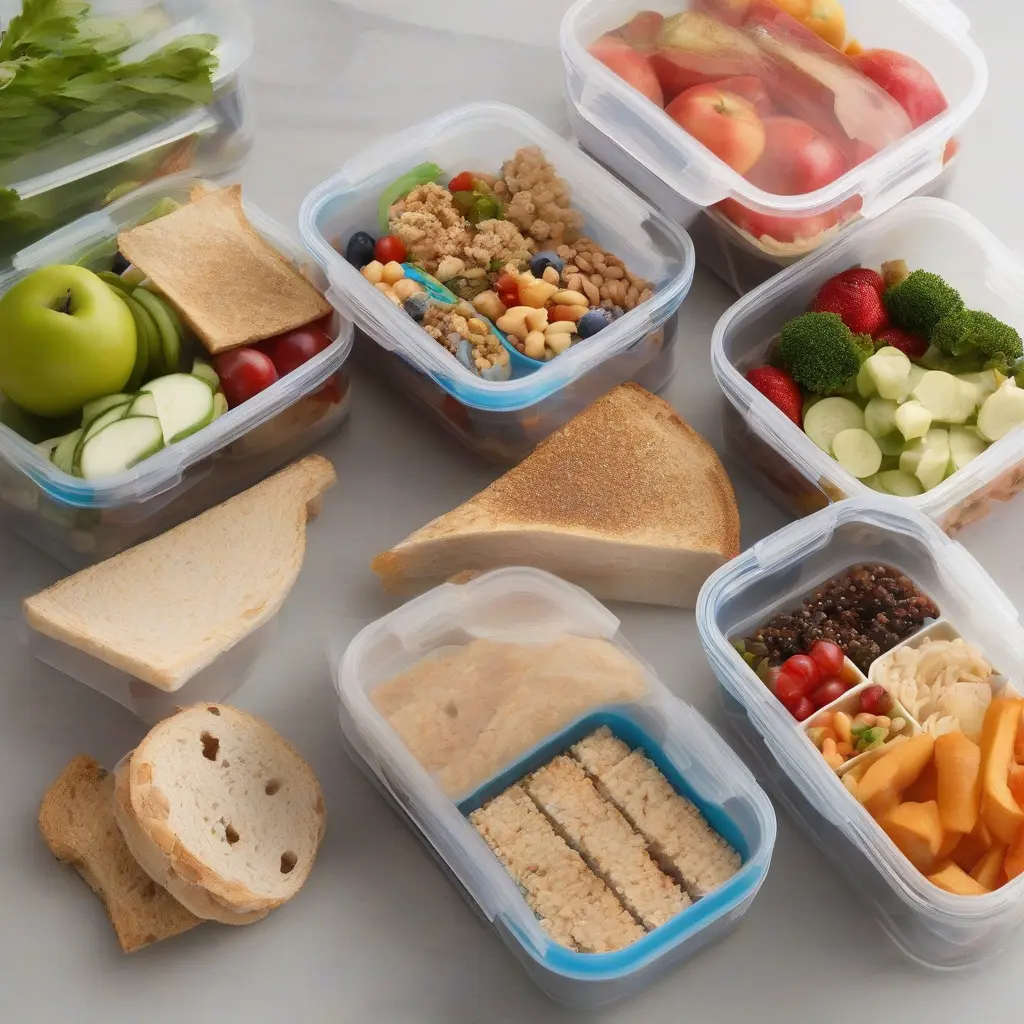
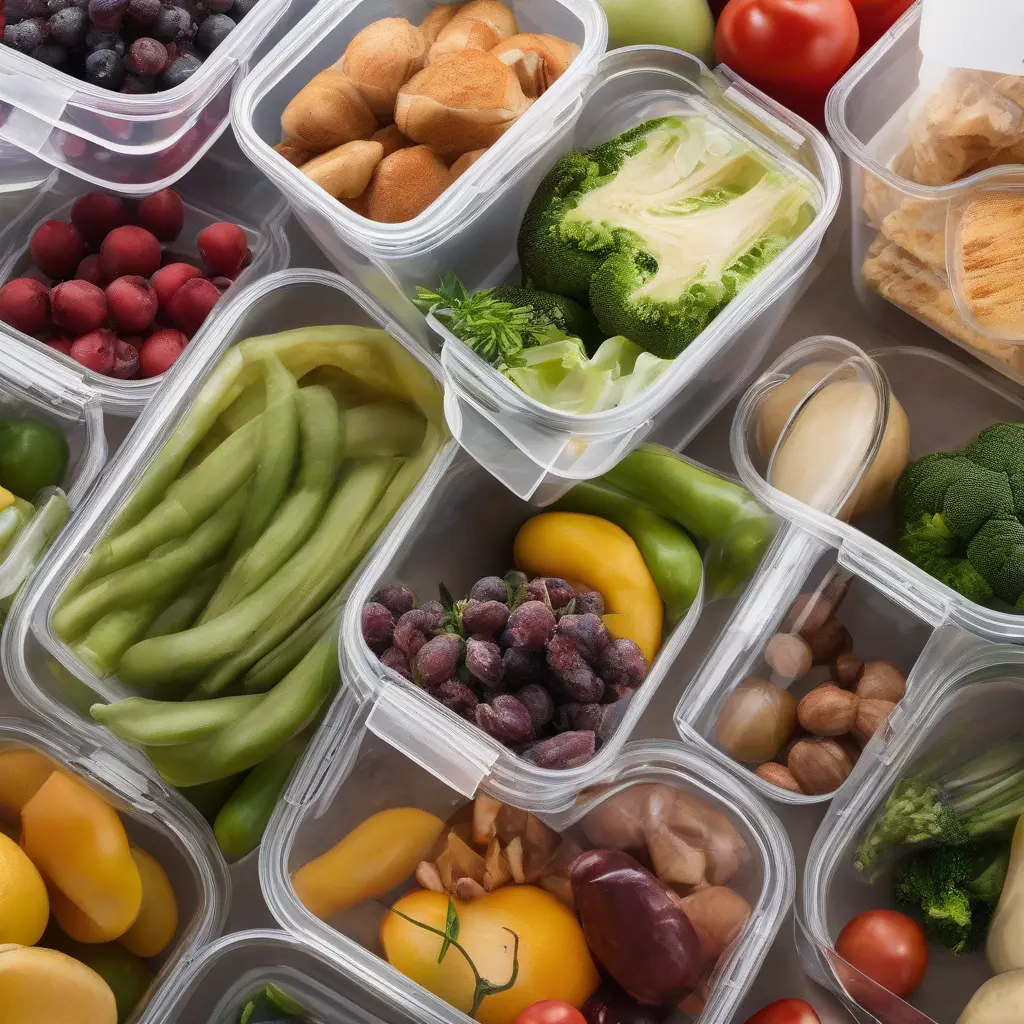
A variety of airtight containers are available on the market, each catering to specific food storage needs. Glass containers are favored for their durability and non-reactive surfaces, making them suitable for storing acids or oily foods. Plastic containers, on the other hand, are lightweight and less prone to breakage, making them ideal for lunchboxes or travel. Vacuum-sealable bags are also a popular choice for perishable items, providing maximum air removal and optimal freshness.
Best Practices for Using Airtight Containers
Maximizing the effectiveness of airtight containers involves following best practices for usage. Make sure to clean and dry food items before storing them, as moisture can promote mold growth. Label containers with dates to keep track of freshness, and arrange older items in front to ensure they are used first. Additionally, avoid overfilling containers to allow for air circulation, and store them in cool, dark places to enhance the preservation process.
Organizing Your Kitchen with Airtight Containers
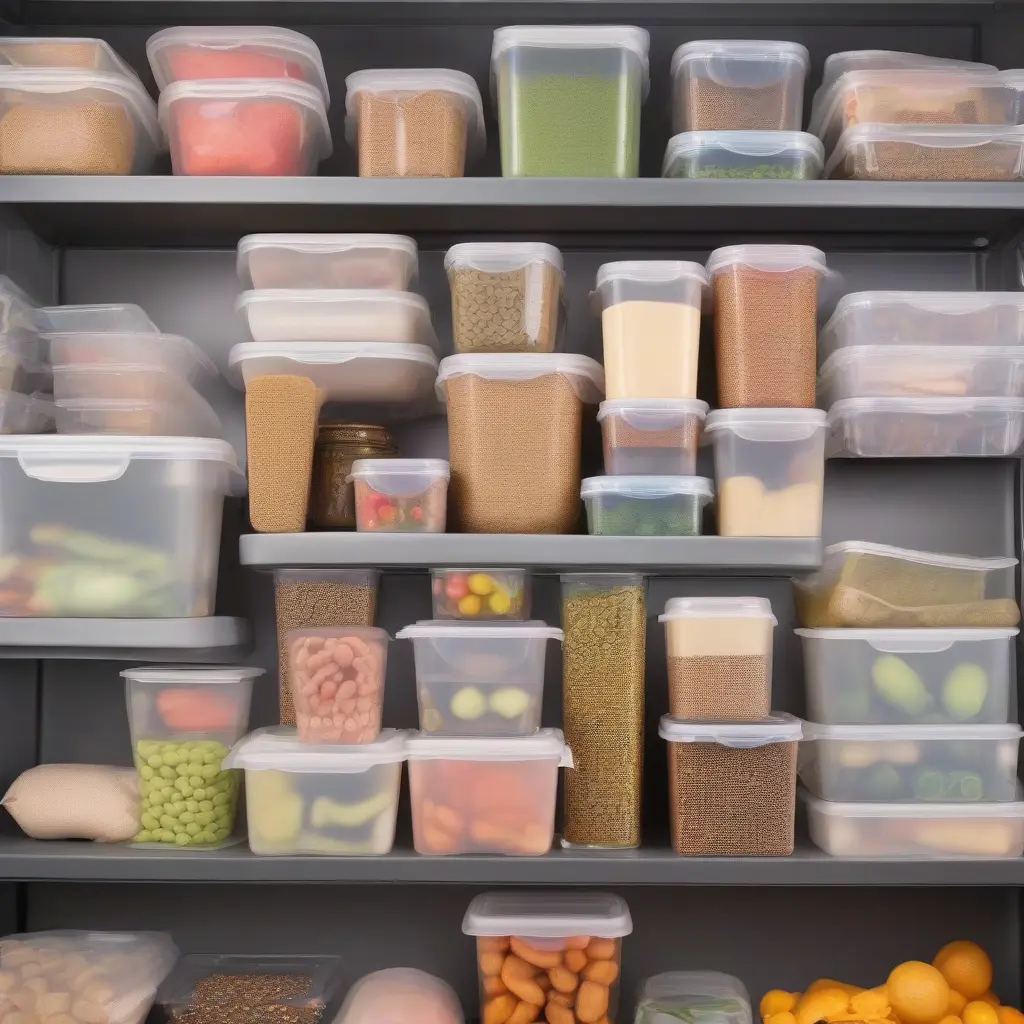
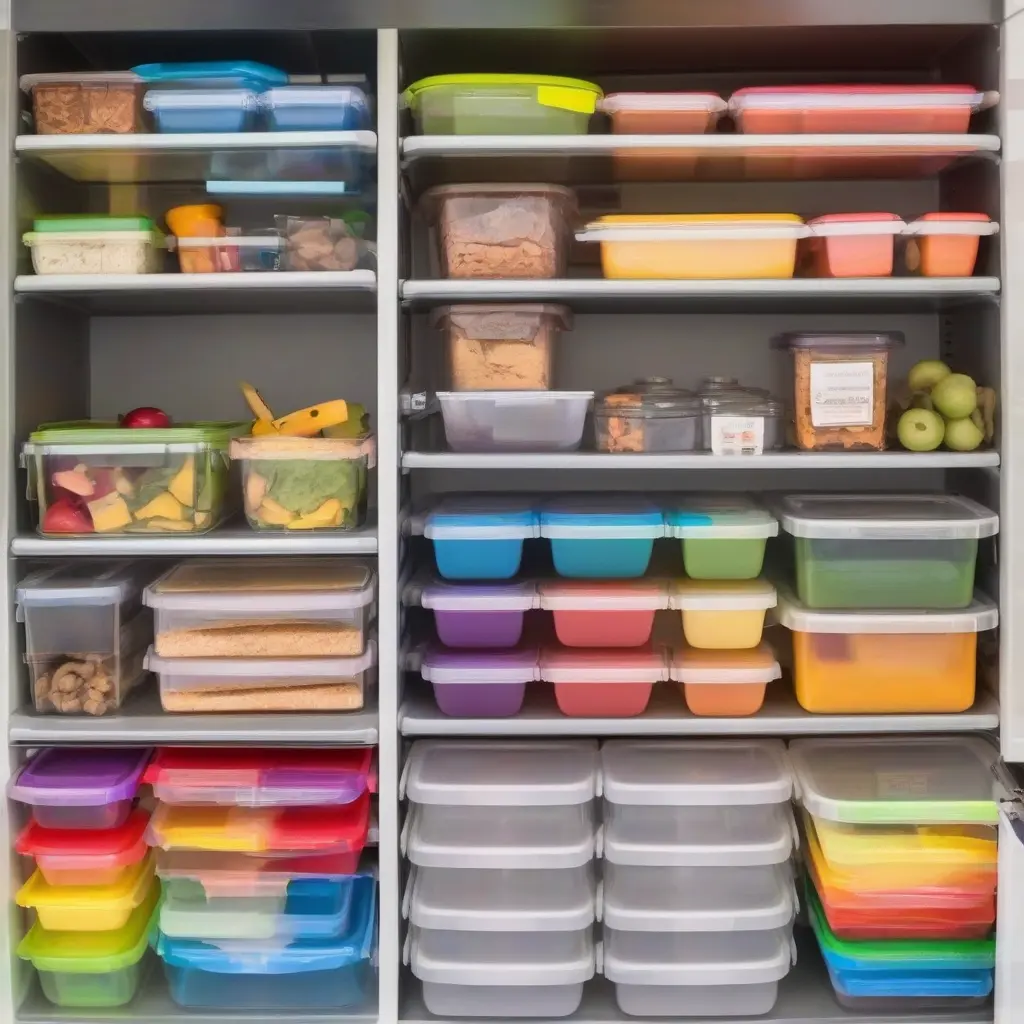
Using airtight containers can improve kitchen organization significantly. By investing in a set of uniform containers, meals can be prepped and stored in an orderly fashion. Implementing a clear labeling system allows family members to find ingredients easily. This organization not only reduces food waste by ensuring that items are used within their optimal time frames but also creates a more visually appealing kitchen environment, which can inspire cooking and meal preparation.
Children and Food Waste Reduction
Airtight containers can also play a crucial role in teaching children about food waste and sustainability. Involving kids in the packing process for school lunches can encourage them to make healthier choices and understand portion sizes. Showcasing how airtight containers preserve food freshness can instill appreciation for leftovers, ultimately teaching responsible consumption habits. By involving children, families can collectively work towards reducing food waste in their homes.
The Economic Impact of Reducing Food Waste
Reducing food waste has a direct economic impact on households. When families minimize the amount of food they throw away, they also decrease their grocery bills, as less food needs to be purchased repeatedly. Airtight containers contribute to this by helping preserve food longer, thus extending the period between shopping trips. This practice not only benefits individual families but also contributes to a larger economic shift towards more sustainable and responsible food consumption.
Sustainability and the Environment
Using airtight containers aligns with broader sustainability goals by reducing the amount of food waste that ends up in landfills. Food waste decomposes and releases harmful greenhouse gases, contributing to climate change. By minimizing waste at home through proper storage, families can significantly lower their environmental footprint. In this way, the use of airtight containers represents a simple yet effective method for contributing positively to the planet while promoting responsible consumption habits.
Conclusion
In summary, airtight containers are not just practical storage solutions but are also essential tools in the fight against food waste at home. Their ability to prolong the freshness of various food items helps families save money and minimize their environmental impact. By adopting best practices for their use and involving the entire household, families can significantly reduce waste, promote sustainability, and enhance kitchen organization, ultimately enriching the overall food experience.