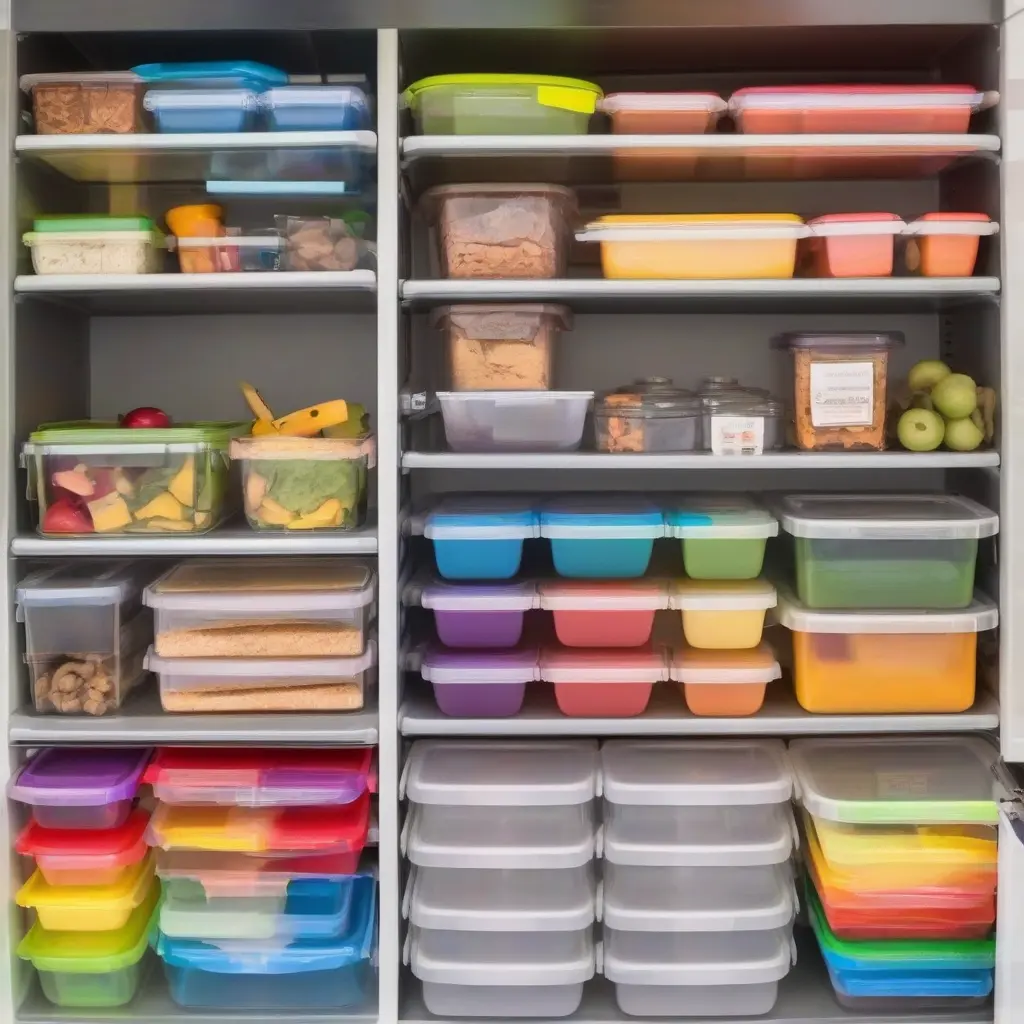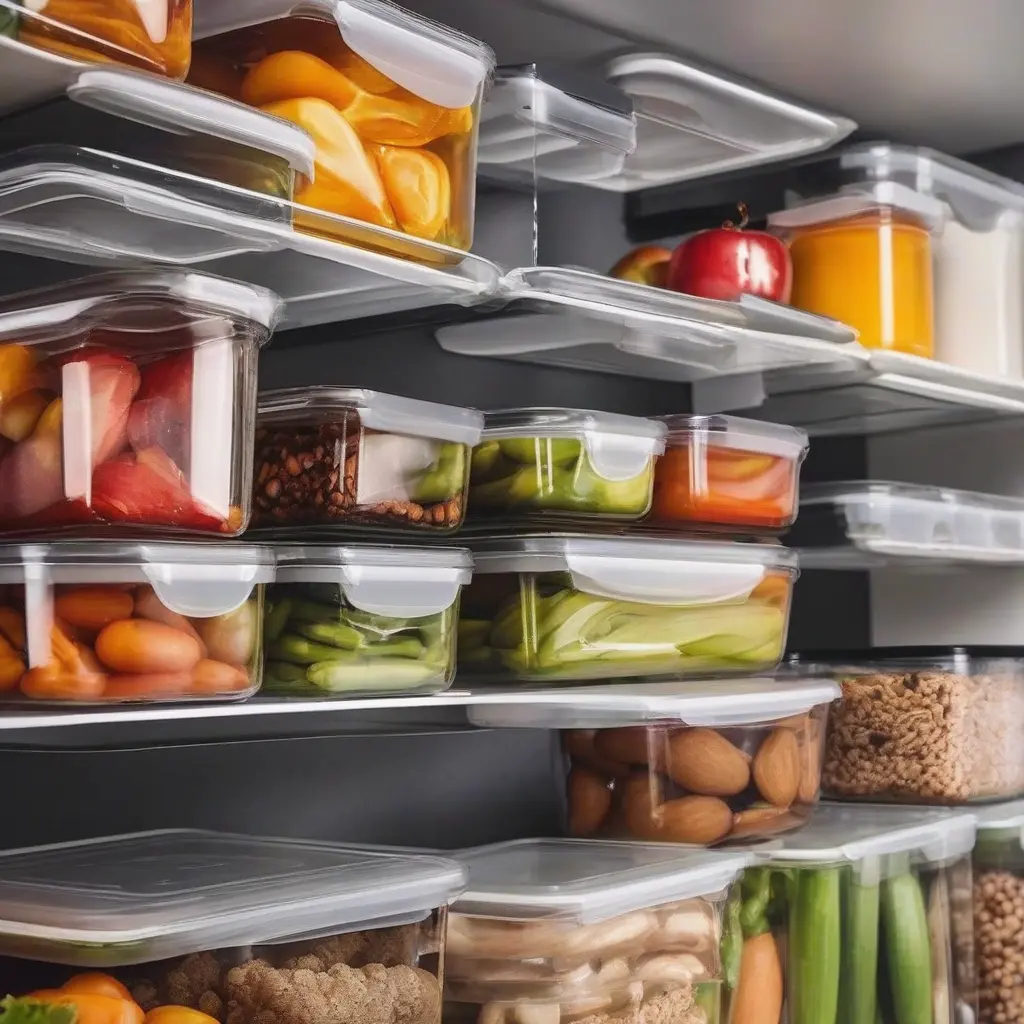
When considering food storage solutions, airtight containers are crucial for maintaining freshness and prolonging shelf life. Two popular material choices are glass and plastic, each of which has its advantages and disadvantages. Understanding the unique properties of glass and plastic airtight containers can help you make a more informed decision about which is best suited for your needs. Factors such as durability, safety, ease of use, and environmental impact play significant roles in shaping your choices. This article will explore these factors in detail, allowing for a comprehensive comparison between glass and plastic options.
Durability: Glass vs. Plastic
Durability is a critical consideration when selecting airtight containers for food storage. Glass containers are generally more robust in terms of preventing scratches, stains, and odors compared to plastic options. They can withstand higher temperatures, making them suitable for use in the oven or microwave, provided they are labeled as microwave-safe. However, glass containers can be more prone to breaking if dropped, which is a significant drawback in households with children. In contrast, plastic containers are lighter and less likely to shatter, making them a more portable option. However, they can warp over time and may not withstand high-temperature environments.
Safety Concerns: Chemicals and Leaching
Safety is paramount when storing food, and the materials used in airtight containers play a vital role here. Glass containers are generally recognized as a safer option, as they do not contain harmful chemicals. Unlike plastic, which can leach substances like BPA and phthalates into food, glass is inert and does not react with the items stored inside. This chemical safety is especially important when heating food, as plastic container materials may release toxins. Therefore, if health concerns are a priority, glass containers are typically the preferred choice for ensuring food safety.
Ease of Use: Convenience and Maintenance
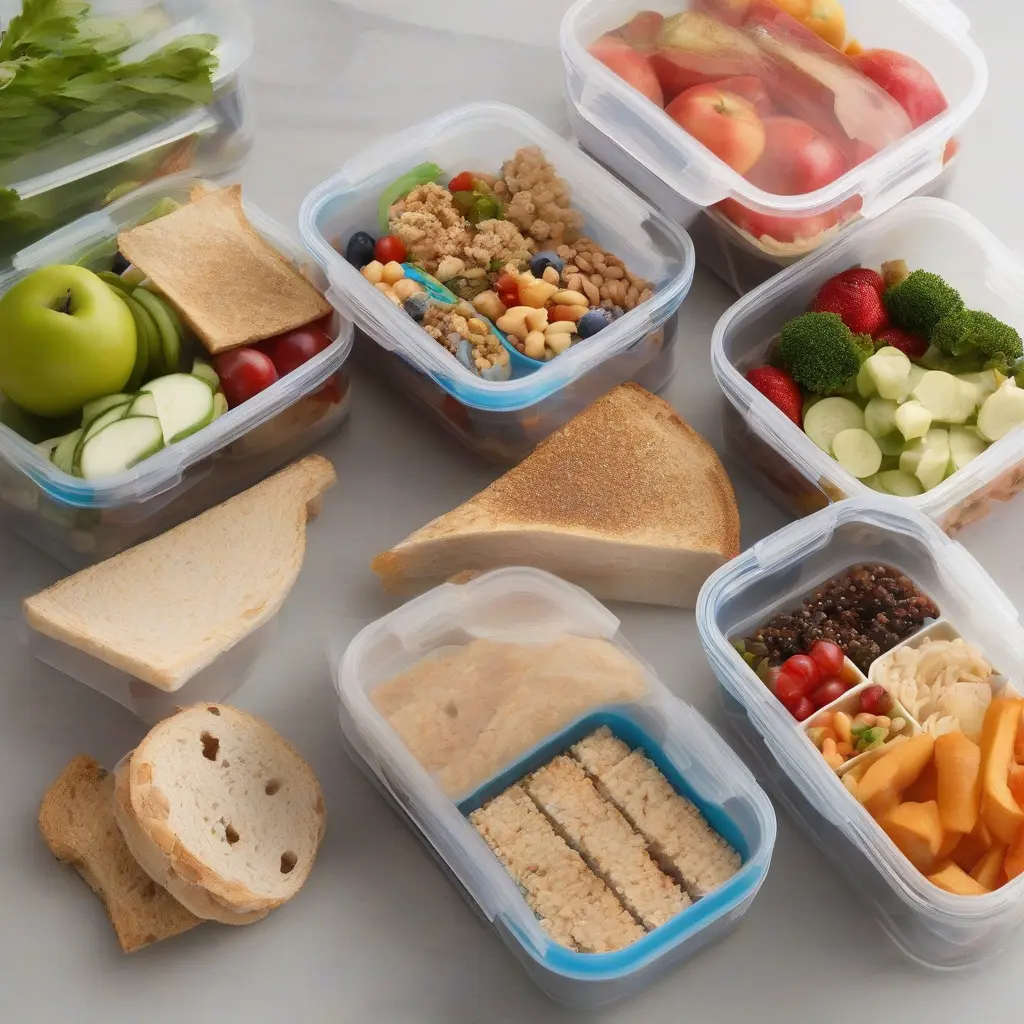
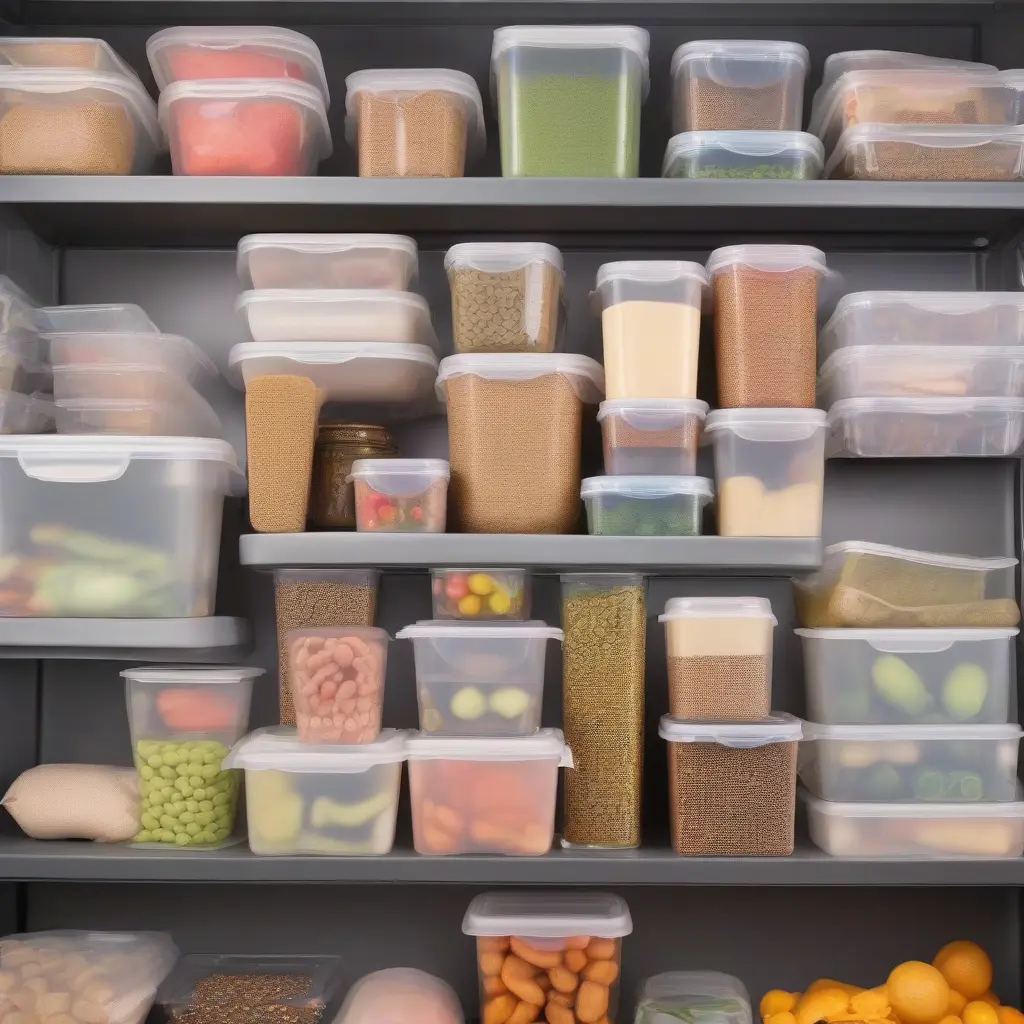
In terms of ease of use and maintenance, both glass and plastic airtight containers have their pros and cons. Glass containers are generally dishwasher-safe and can be cleaned thoroughly, reducing the risk of lingering odors or stains. However, their weight can make them cumbersome, especially when filled. Plastic containers tend to be lighter, making them easier to handle and transport. They are often more flexible in terms of storage because they can come in various sizes and shapes. However, their longevity may be compromised, as they can absorb food odors and stains over time. This factor should be a consideration for those focusing on long-term use.
Heat Resistance: Microwaving and Oven Use
Heat resistance is another critical factor when choosing between glass and plastic airtight containers. Glass containers can be safely used in both microwaves and ovens, allowing for versatile applications in meal preparation and reheating. This compatibility makes glass a favorite among culinary enthusiasts. On the other hand, most plastic containers are not suitable for oven use, as high temperatures can deform the material and potentially release harmful chemicals. While some plastic brands offer microwave-safe options, caution should still be exercised to avoid exceeding temperature limits, making glass a more reliable choice for various cooking methods.
Environmental Impact: Sustainability Factors
The environmental impact of food storage solutions is increasingly important in today’s eco-conscious world. Glass containers are generally more sustainable because they are recyclable and often made from natural materials. They can be reused many times without degrading in quality, making them a long-term choice for reducing waste. In contrast, plastic containers may contribute to environmental issues due to their potential for landfill waste and the gradual breakdown of materials. Some plastics can be recycled, but this process is often complicated and not universally available. For environmentally minded consumers, glass containers often serve as the more responsible choice.
Cost Considerations: Value for Money
Cost is an essential factor when evaluating airtight containers, as prices can vary significantly between glass and plastic options. Initial investment for glass containers is usually higher than for their plastic counterparts. However, considering glass is more durable and reusable, the long-term cost may balance out over time. Plastic containers can be cheaper upfront, but their shorter lifespan may lead to frequent replacements, resulting in higher cumulative costs. Therefore, while glass containers may require a larger initial outlay, they may provide better value over the years, making them an economically sound decision for many consumers.
Versatility: Applications Beyond Food Storage
Versatility is another important aspect when considering airtight containers. Glass containers can serve multiple purposes, such as food storage, meal prep, and even serving dishes. Their sleek appearance often makes them suitable for presentation at gatherings or buffets. Plastic containers, while typically favored for on-the-go lifestyles and picnics, may not hold the same aesthetic appeal when used as serving ware. However, plastic containers often come in various sizes and shapes, offering convenience for organizing items beyond just food, such as craft supplies or small household items. Both materials have their unique advantages, depending on specific needs.
Conclusion
In conclusion, both glass and plastic airtight containers have their distinct strengths and weaknesses. Glass containers excel in durability, safety, and heat resistance, making them suitable for various culinary applications. Plastic containers offer lighter weight and lower initial costs but may lack the longevity and safety features found in their glass counterparts. Ultimately, the choice between glass and plastic will depend on your personal preferences, specific needs, and environmental considerations, making it essential to weigh these factors carefully before deciding.