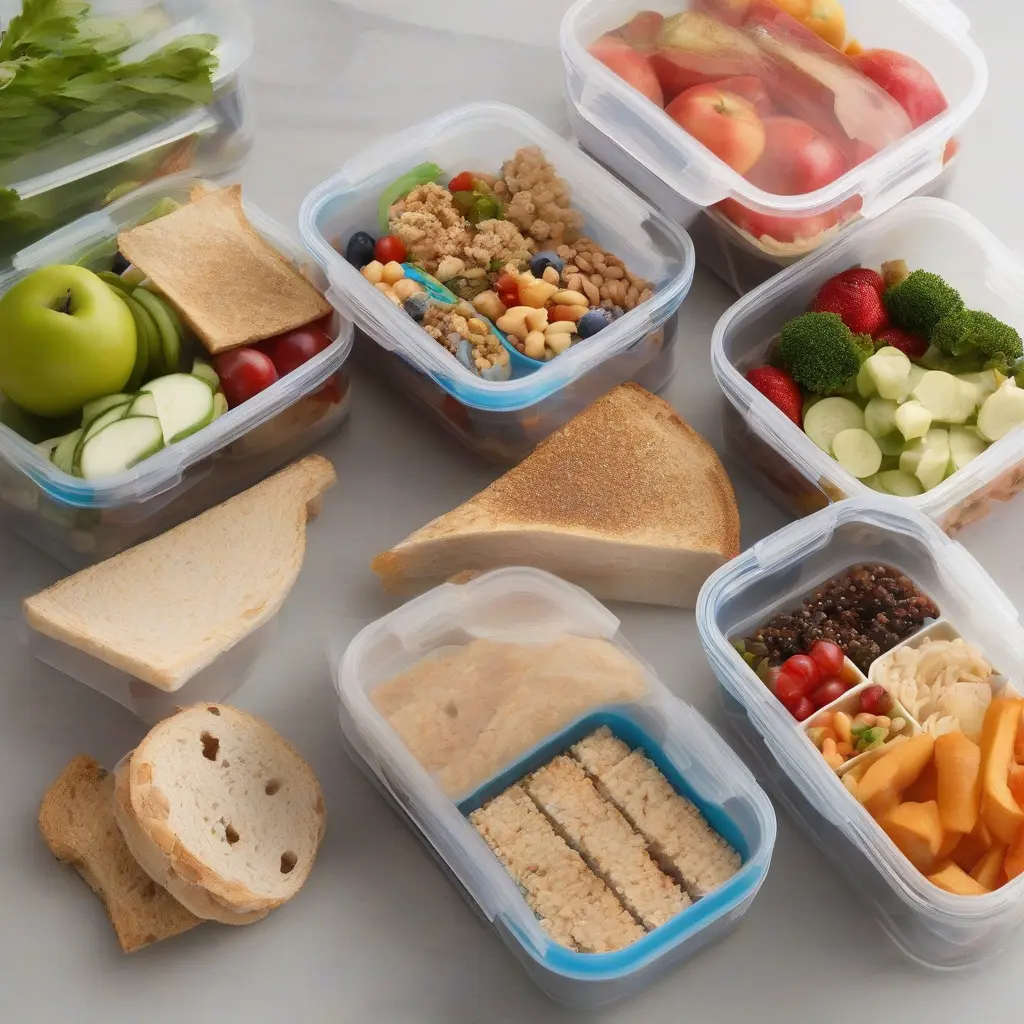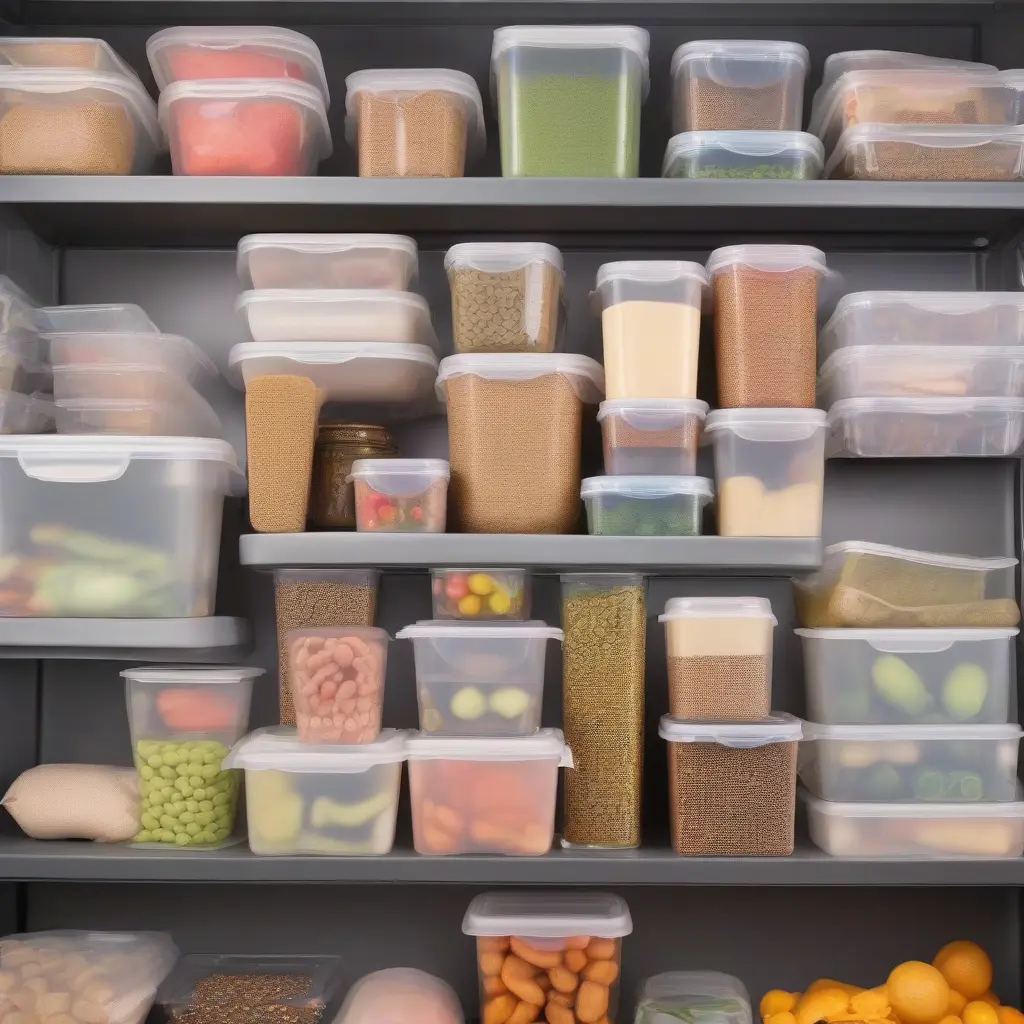
When it comes to choosing lunch storage containers, consumers often find themselves torn between glass and plastic options. Each material has its unique set of advantages and disadvantages that cater to different needs and lifestyle choices. Understanding these pros and cons can help you make an informed decision, whether you’re looking for durability, safety, sustainability, or budget-friendly options. This article will delve into the essential aspects of both glass and plastic containers, examining their characteristics, usability, and environmental impact.
Durability of Glass vs Plastic Containers
Durability is a crucial factor when selecting lunch storage containers. Glass containers are generally more robust and can withstand higher temperatures without warping or degrading. They are less likely to break down over time, making them a long-term investment. In contrast, plastic containers can scratch, wear out, or become brittle, especially with frequent use or exposure to heat. However, certain high-quality plastics are designed to be more durable and resistant to these issues. Ultimately, glass containers tend to have a longer lifespan in terms of durability.
Safety and Health Considerations
Safety is paramount when considering food storage options. Glass containers are non-reactive, meaning they won’t leach harmful chemicals into your food, even when heated. This aspect makes them a preferred choice for health-conscious individuals. On the other hand, some plastic containers can release chemicals like BPA when exposed to heat, depending on their quality. Many manufacturers now produce BPA-free plastic, which addresses this concern, but some consumers still prefer glass for peace of mind regarding their health and safety.
Environmental Impact of Glass and Plastic
The environmental impact of storage containers is gaining increasing attention among consumers. Glass containers are recyclable and reusable, which reduces their overall footprint. They generate less waste over time, making them a more eco-friendly option in the long run. Plastic, while also recyclable, has limitations due to contamination issues and recycling processes that can vary widely. Moreover, many single-use plastics end up in landfills or oceans, contributing to pollution. For those prioritizing sustainability, glass containers present a more responsible choice.
Weight and Portability
When it comes to handling and transport, weight is an essential consideration. Glass containers, while often more durable, can be significantly heavier than their plastic counterparts. This added weight can be a drawback for individuals packing lunch to take to work or school. Plastic containers, being lightweight and easier to carry, tend to be more convenient for on-the-go lifestyles. However, the trade-off is that lighter plastic options may sacrifice some durability. Therefore, choosing the right material often depends on the intended use and convenience.
Cost Comparison: Glass vs Plastic
Cost is always a significant aspect when selecting lunch storage containers. Generally, plastic containers are less expensive than glass options, making them a budget-friendly choice for many consumers. You can often find multi-pack deals for plastic containers, providing good value for everyday use. However, glass containers, while typically costlier upfront, can offer better value over time due to their durability and longevity. Thus, although the initial investment is higher, glass containers may ultimately save money in the long term by lasting longer.
Maintenance and Cleaning
Maintenance and cleaning requirements can influence your choice of lunch storage containers. Glass containers are generally dishwashers safe and can be sanitized easily without fear of damage. Their non-porous nature also means they resist stains and odors effectively. In contrast, while many plastic containers are also dishwasher-safe, they may warp or stain over time. Additionally, depending on the type of plastic, some might require special care when cleaning to avoid scratching or degrading. Therefore, if simplicity in maintenance is a priority, glass might be the better option.
Aesthetic Appeal and Design Options
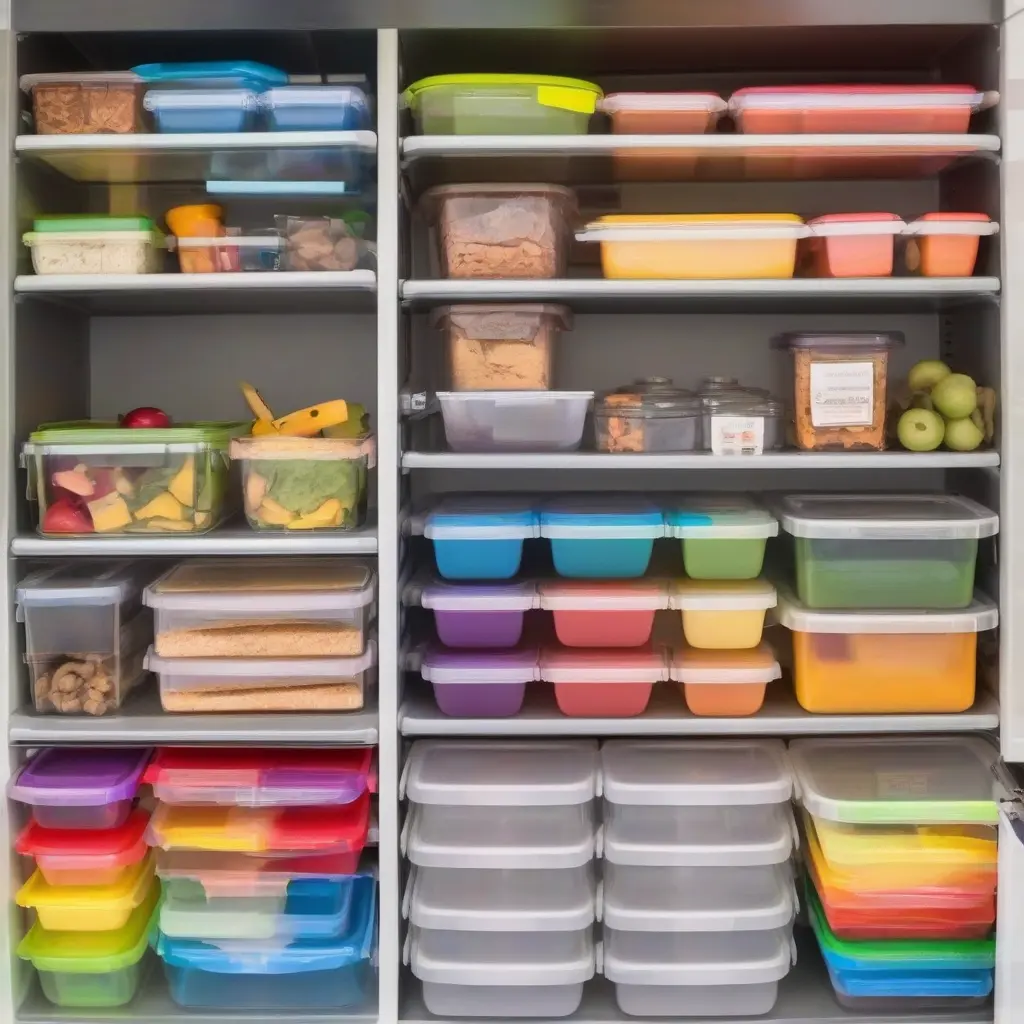
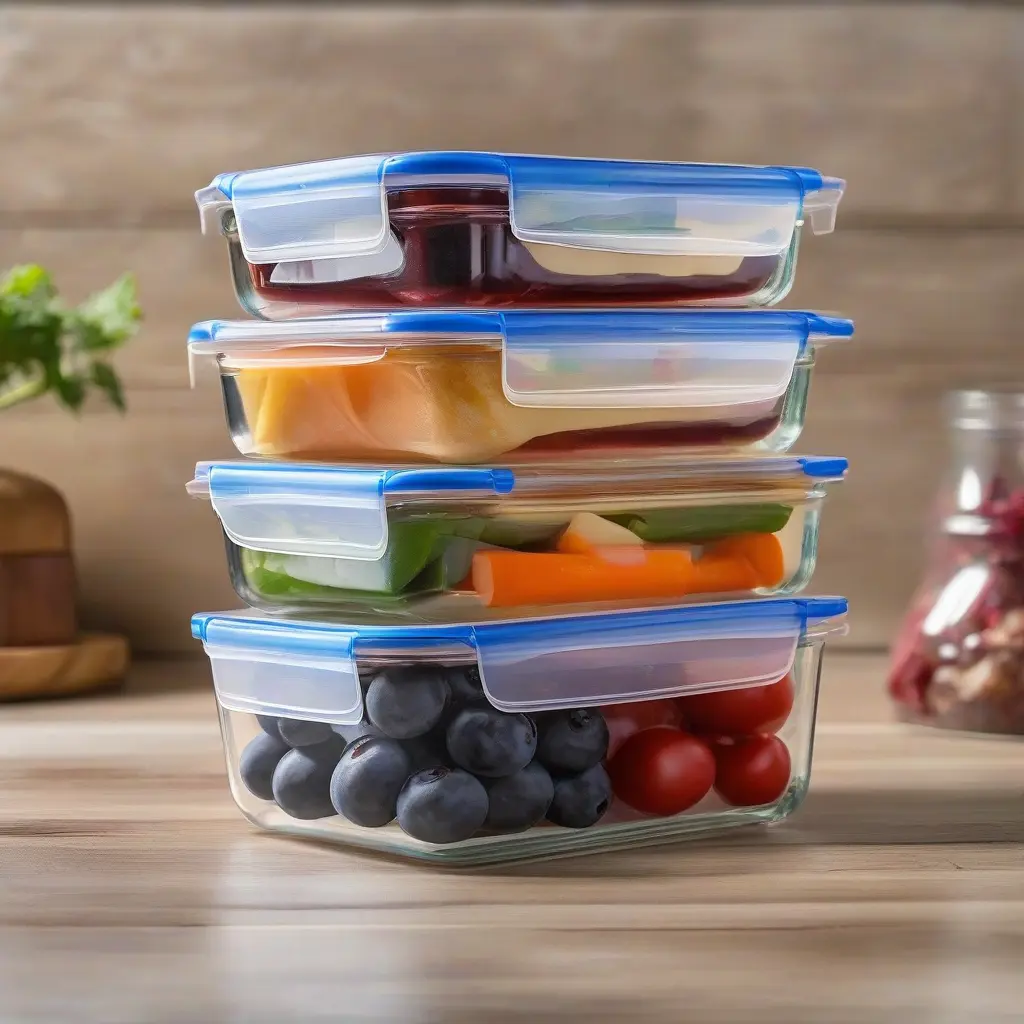
Aesthetic appeal can be a deciding factor for many consumers when choosing lunch storage containers. Glass containers often have a sleek and modern look, enhancing the presentation of your meals and making them more visually appealing. Additionally, they come in various designs, often featuring attractive lids and shapes. Conversely, plastic containers may lack the sophistication of glass but are available in diverse colors, sizes, and shapes, appealing to a different market segment. Ultimately, the choice may depend on personal taste and intended use.
Versatility in Use
Versatility is another critical factor when comparing glass and plastic containers. Glass containers can be used in the microwave, oven, refrigerator, and even the freezer, offering comprehensive functionality. This capability is ideal for meal prep and multi-use storage solutions. Plastic containers, while mostly microwave-safe, often come with limitations regarding heat exposure and might not withstand high temperatures. For those who need all-purpose storage for various scenarios, glass containers tend to offer superior versatility and functionality for everyday use.
Conclusion
In summary, both glass and plastic lunch storage containers offer unique advantages and disadvantages to cater to different needs. Glass is typically favored for its durability, safety, and eco-friendliness, whereas plastic holds appeal due to its lightweight nature and cost-effectiveness. Ultimately, the decision should be based on your specific lifestyle, preferences, and budget considerations. Evaluating these factors will help you choose the right lunch storage solution that aligns with your daily requirements.