When it comes to grain storage, choosing the right material is crucial to preserving quality and extending shelf life. Various factors, including environmental conditions, grain type, and budget, play a significant role in material selection. This article explores the advantages and disadvantages of common grain storage materials such as metal, wood, plastic, and concrete, helping you make an informed decision. Each material has distinct features that cater to different needs, ensuring that your grain remains safe and usable for longer periods.
Metal Grain Storage Options
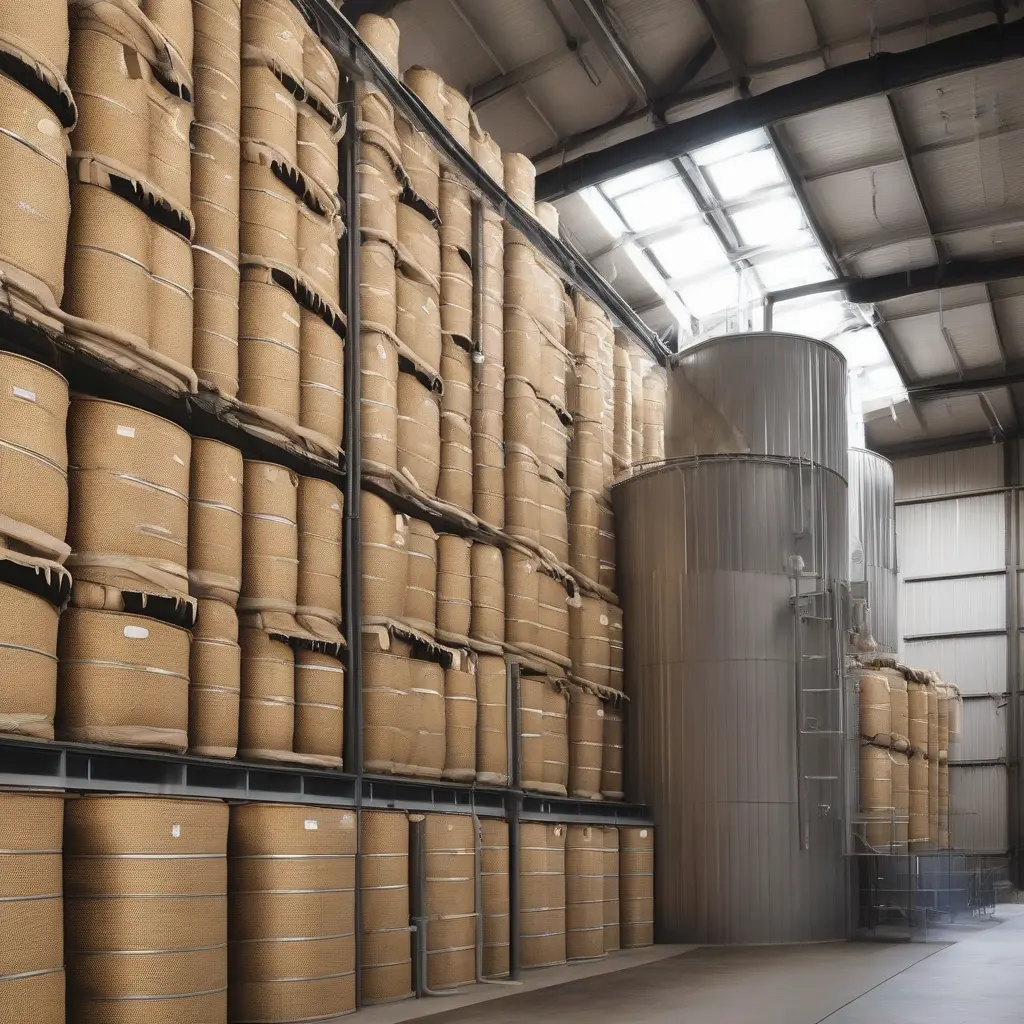
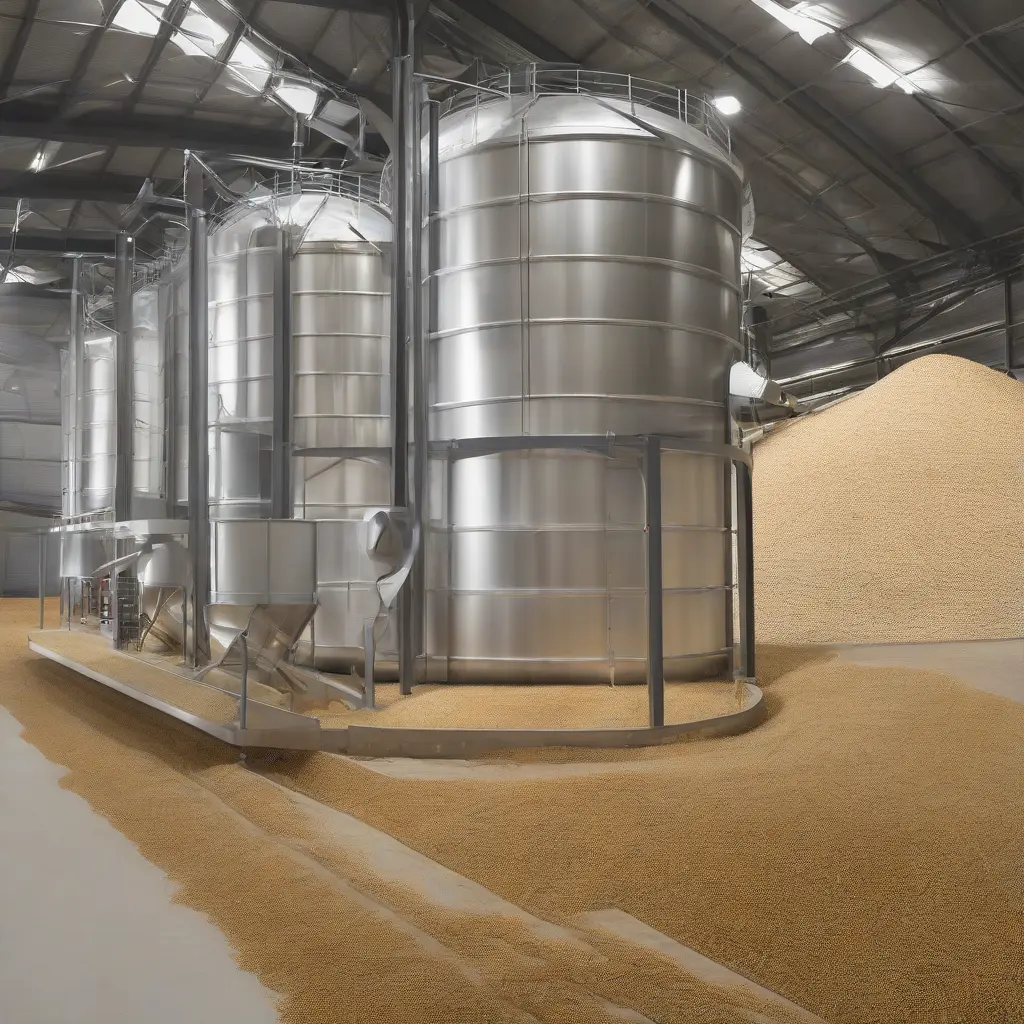
Metal grain storage options, including steel and aluminum silos, are popular due to their durability and resistance to pests. Metal structures provide a tight seal that helps in preventing moisture infiltration, a critical factor in protecting stored grains. Furthermore, they can withstand harsh weather conditions, ensuring the contents remain intact over time. However, metal storage can be more expensive upfront compared to other materials and may require regular maintenance to avoid rust. Considering long-term benefits and potential returns can make metal an attractive option for serious grain storers.
Wooden Grain Storage Solutions
Wooden grain storage solutions, such as wooden bins and pallets, offer a natural option for those looking to store grain sustainably. Wood is generally more affordable than metal and provides good insulation against temperature changes. However, it has disadvantages, such as susceptibility to pests and moisture if not treated properly. Regular maintenance and treatments can help extend the life of wooden storage but may incur additional costs. For smaller operations or eco-conscious users, wooden bins may be a great fit, balancing cost and function.
Plastic Grain Storage Containers
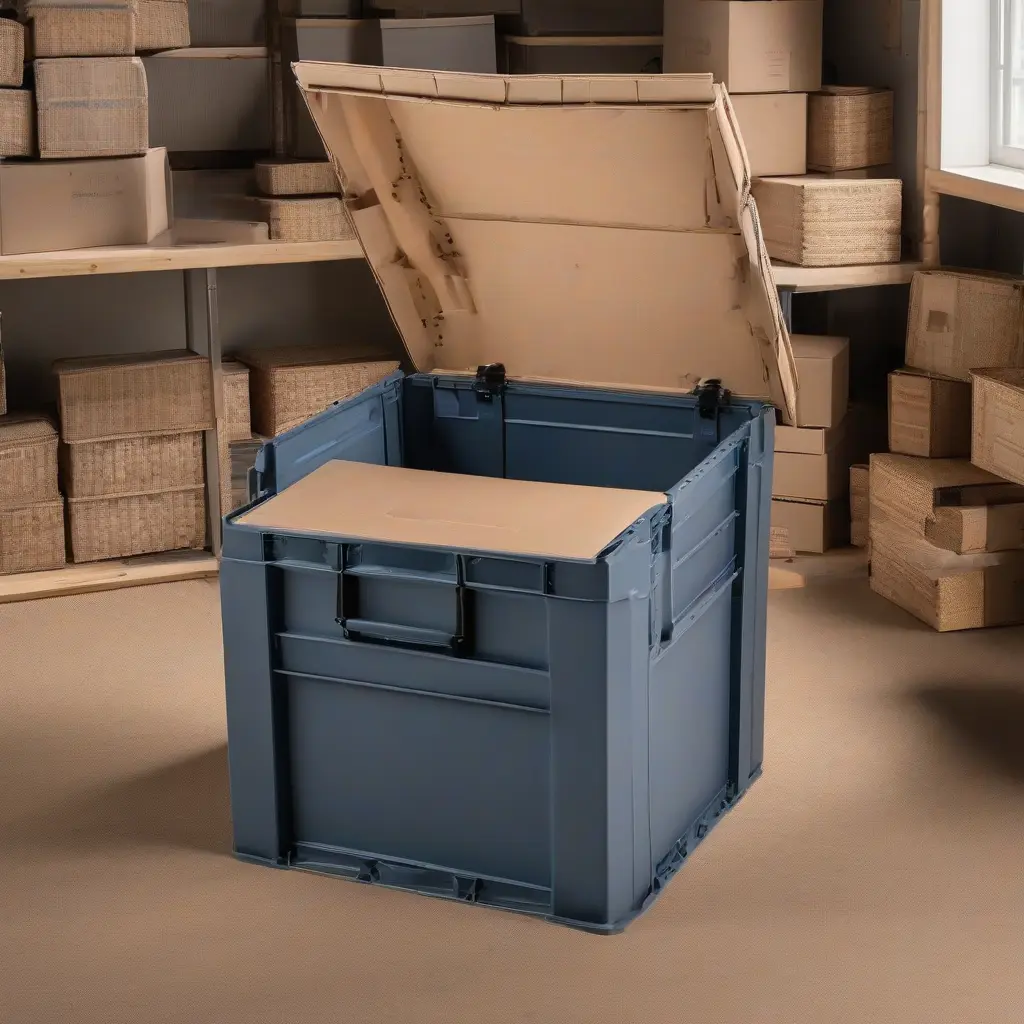
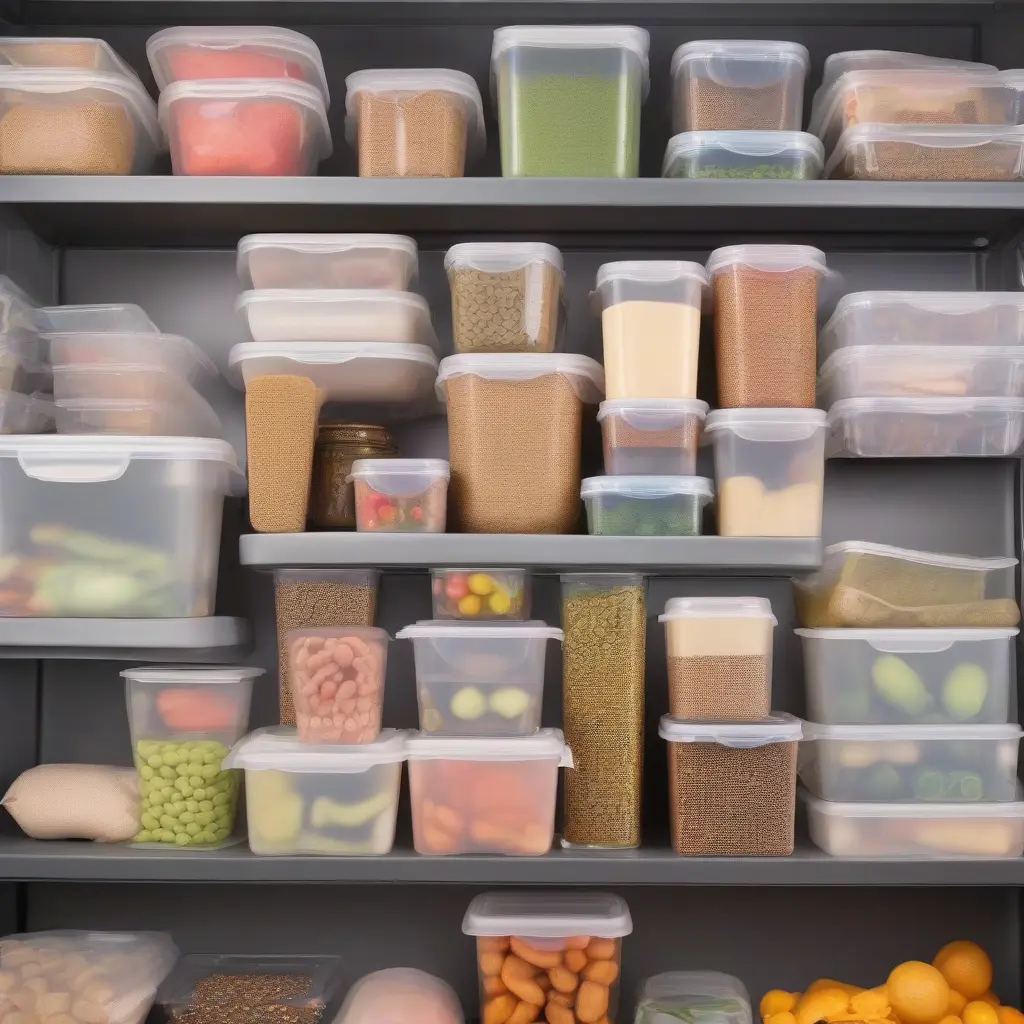
Plastic grain storage containers are lightweight, flexible, and often affordable. They provide a high level of moisture resistance and can be easily transported, making them ideal for smaller farms or operations. These containers come in various sizes and shapes, allowing users to choose what best fits their storage needs. However, they may not provide as durable a solution as metal or wood, especially under extreme conditions. Over time, exposure to UV light can degrade the material. Therefore, ensuring proper placement and maintenance is critical for longevity.
Concrete Grain Storage Facilities
Concrete is a strong, long-lasting material often used in large-scale storage facilities. Concrete silos can handle large quantities of grain and offer excellent protection against weather-related damage and pests. Their durability potentially results in lower long-term costs, despite high initial investment and construction expenses. However, concrete storage requires careful design consideration for aeration and temperature control, as it can retain heat and moisture. For larger operations, investing in concrete storage can be beneficial, but planning and expertise are essential for optimal performance.
Factors Influencing Material Selection
When selecting a material for grain storage, several factors should be taken into account, including the specific grain type, environmental conditions, and budget constraints. Certain grains may require more protection from moisture and pests than others, influencing the choice of material. Additionally, the storage location’s humidity, temperature, and exposure to sunlight can determine the durability and efficiency of various options. Budget considerations are equally important, as cheaper materials may lead to higher long-term costs if they do not adequately protect the stored grain. Evaluating these factors helps ensure that the chosen material aligns with both needs and objectives.
Maintenance and Care for Grain Storage
Regardless of the material chosen for grain storage, maintenance and care are crucial for preserving quality and extending shelf life. Regular checks for signs of moisture, pests, or deterioration are necessary to prevent significant losses. For metal containers, rust prevention measures should be implemented, while wooden bins should be treated to avoid rot and infestation. Plastic containers need to be inspected for cracks and UV damage, and concrete facilities should ensure proper aeration. A well-maintained storage system can prolong the life of the grain and protect against various external threats.
Comparing Costs of Grain Storage Materials
Cost is often a significant factor when evaluating grain storage materials. Initially, metal and concrete options typically require a larger investment, while wood and plastic tend to be more budget-friendly. However, the longevity and maintenance needs of these materials can affect long-term costs. For instance, investing in a sturdy metal or concrete silo might save money over time due to durability and lower maintenance. Conversely, cheaper options may incur higher replacement or repair costs. Analyzing the total cost of ownership, including maintenance and lifespan, can guide users toward the most economical choice.
Conclusion
In conclusion, selecting the right material for grain storage involves weighing various factors, such as durability, cost, maintenance, and environmental considerations. Each option has advantages and drawbacks, making it essential to evaluate your specific needs and priorities. By understanding the characteristics of metal, wood, plastic, and concrete storage solutions, you can make an informed choice that best suits your grain storage requirements. Investing time in choosing the right storage material can significantly impact the longevity and quality of your stored grains.