Meal prepping is a fantastic way to save time and ensure you eat healthy throughout the week. However, storing these meals correctly is crucial to maintaining freshness and flavor. This article provides essential lunch storage tips that will help keep your week’s worth of meal preparations in optimal condition. From choosing the right containers to understanding storage principles, these tips will enhance your meal prep experience while minimizing food waste.
Choose the Right Containers
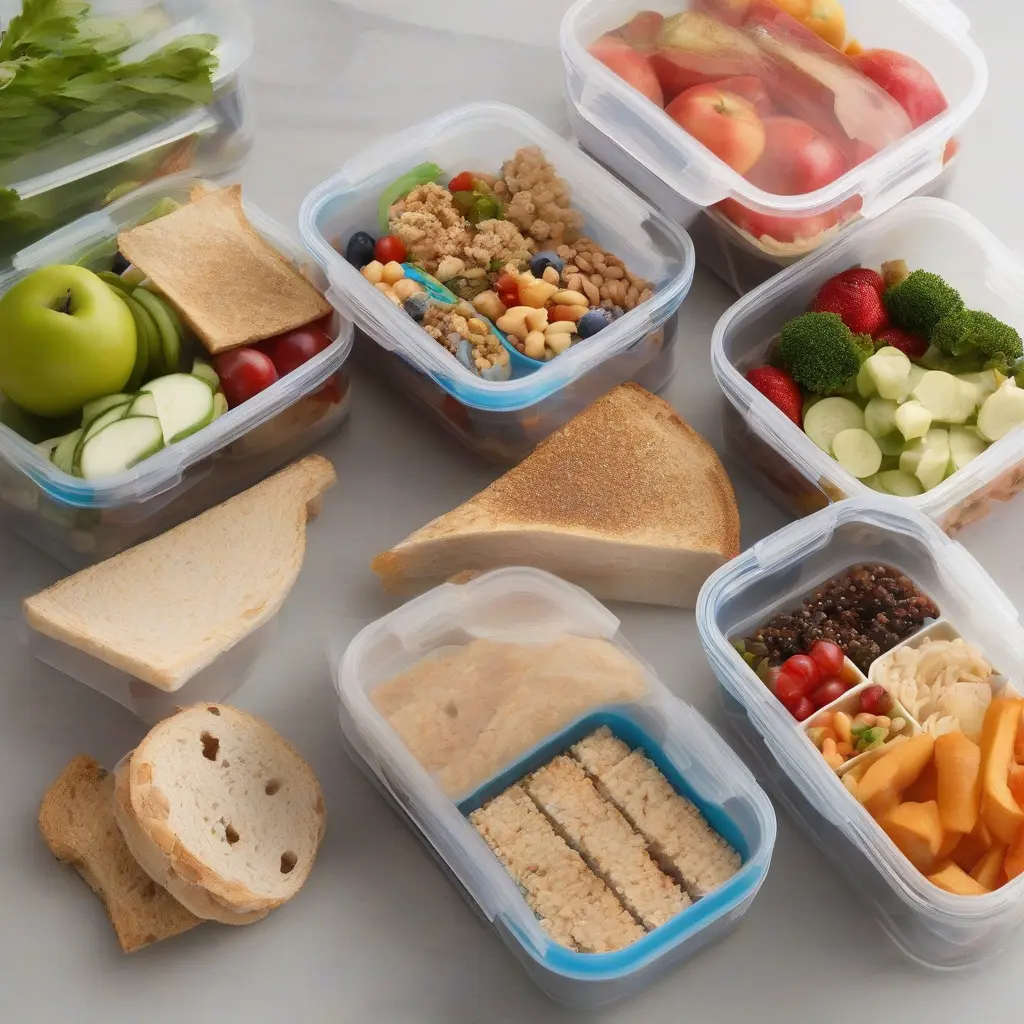
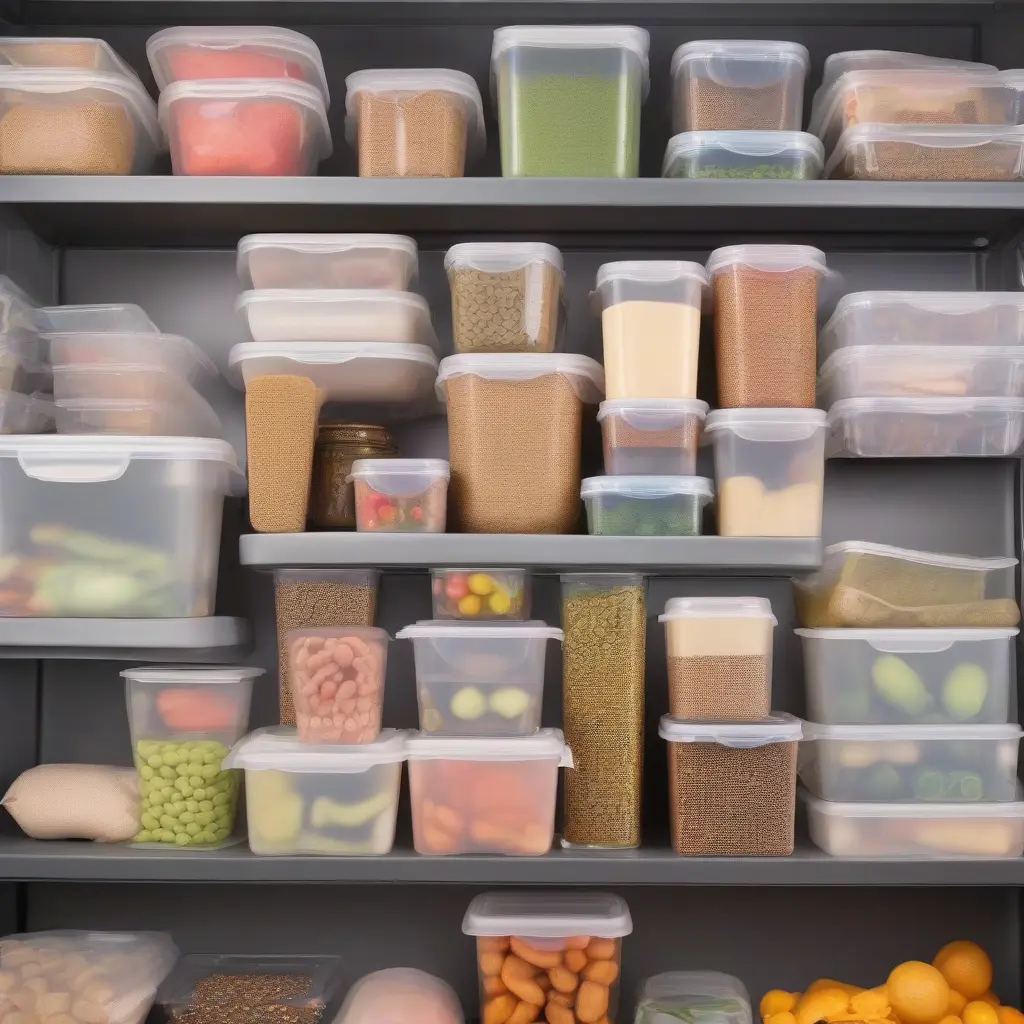
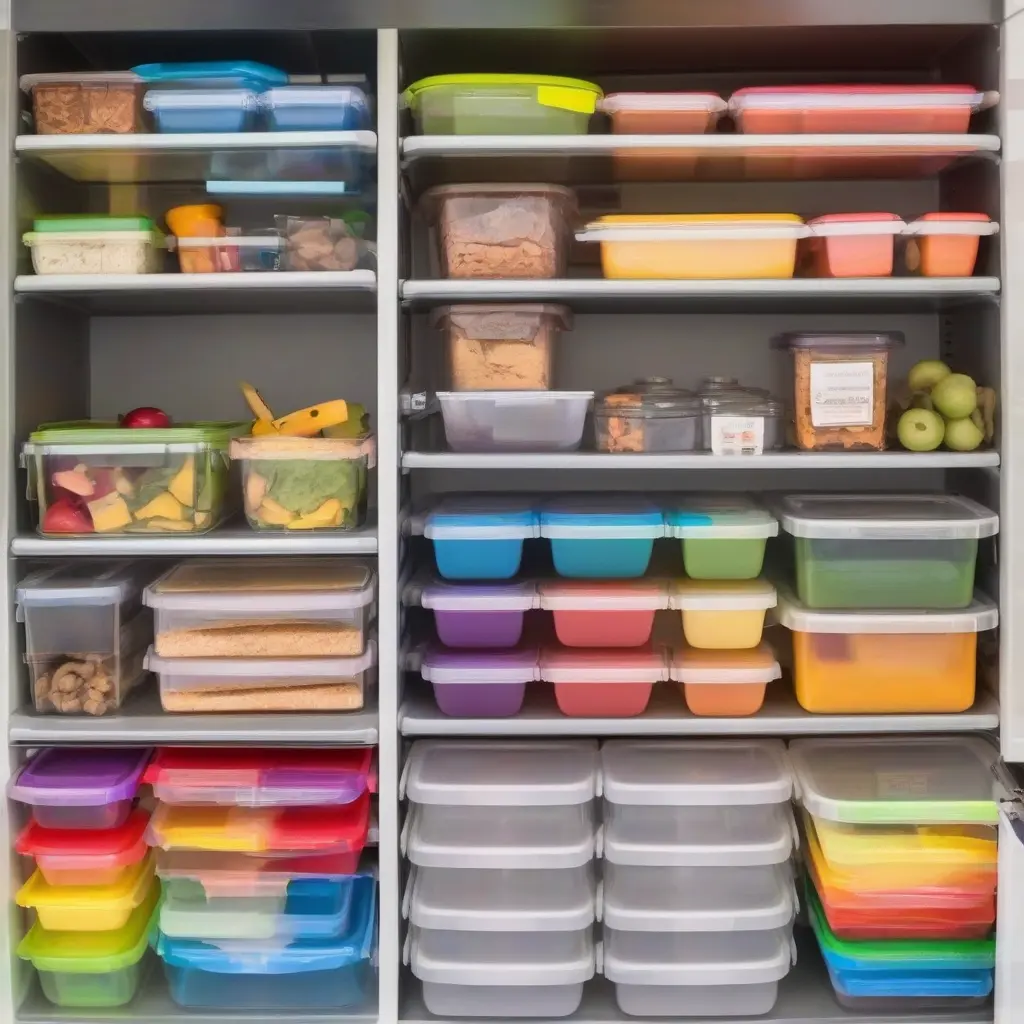
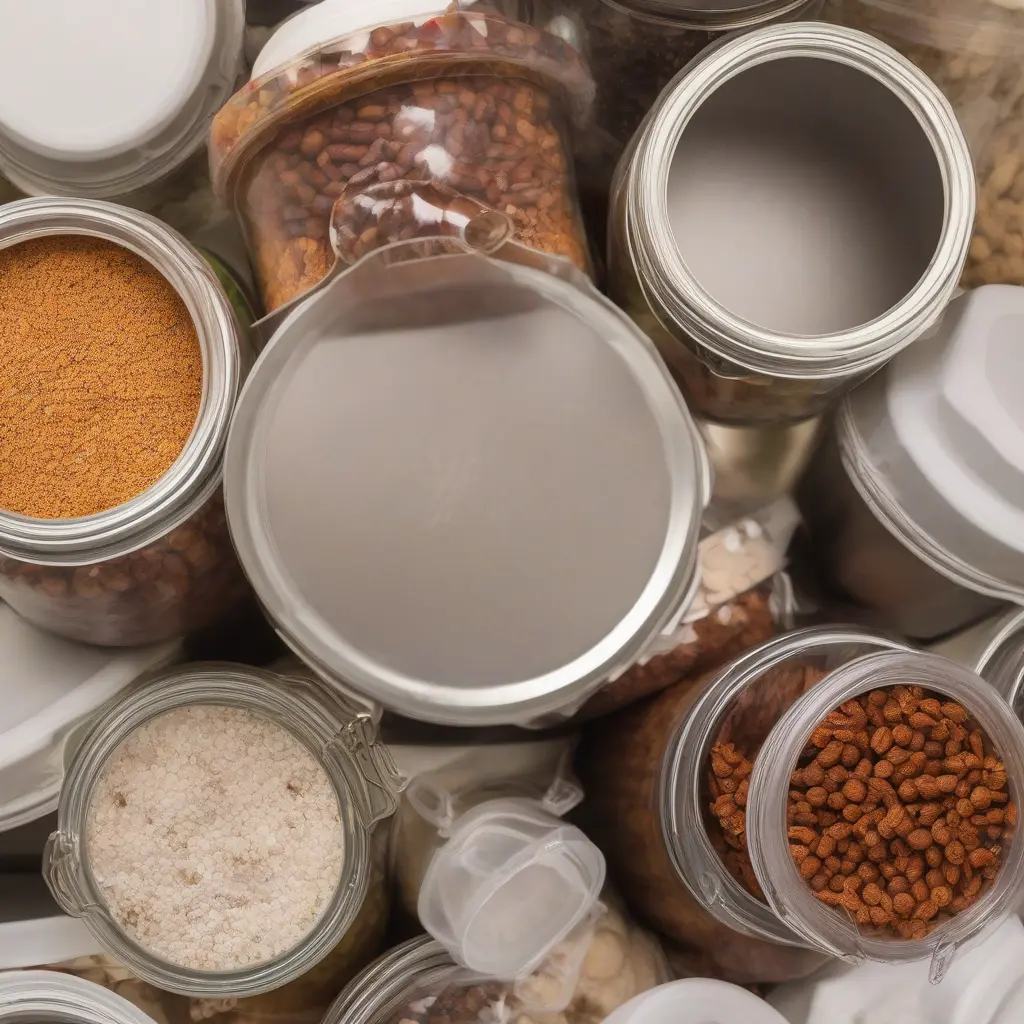
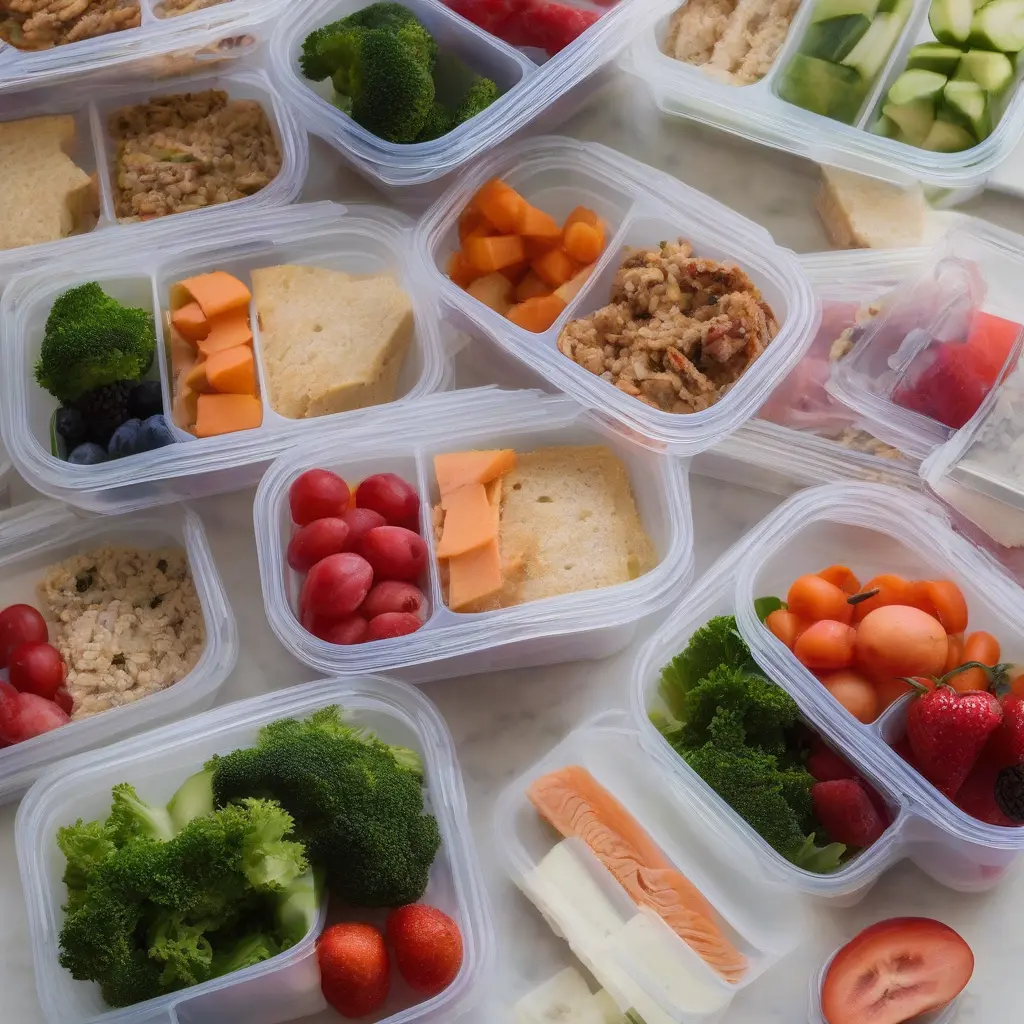
Selecting appropriate containers is key to meal prep success. Glass containers are often recommended for their durability and ability to maintain temperature, while BPA-free plastic options provide lightweight alternatives. Opt for airtight containers that prevent moisture from entering, which can spoil foods faster. Additionally, consider portion control by using single-serving containers, making it simple to grab a meal on busy days while ensuring leftovers stay fresh.
Utilize Vacuum Sealing
Vacuum sealing is an effective method for preserving freshness in meal preps. This technique removes air from the packaging, which helps prevent freezer burn and degradation of food quality. By vacuum sealing your meals, you can extend their shelf life significantly while also maintaining texture and taste. It’s particularly useful for proteins and cooked grains, allowing you to enjoy your meals as if they were freshly prepared, even days later.
Label Your Containers
Labeling your containers is a simple yet crucial tip that enhances organization in your meal prep system. By marking containers with the contents and date of preparation, you can easily keep track of freshness and avoid confusion during mealtime. Using waterproof and smear-proof markers or labels will ensure that the information remains intact, helping you prioritize which meals to consume first. This practice not only reduces food waste but aids in ensuring safe food consumption.
Understand Temperature Guidelines
Understanding temperature guidelines is essential for food safety and freshness. Meals should be stored at the right temperatures to inhibit the growth of harmful bacteria. Cold food should be kept below 40°F, while hot meals need to be maintained above 140°F. For those opting to freeze portions, ensure that they reach a freezing temperature quickly to preserve quality. Always refrigerate meals within two hours of cooking to maximize freshness and minimize potential health risks.
Incorporate Freezing Strategies
Freezing is a powerful tool when it comes to meal prep storage. By freezing meals, you can keep them fresh for months while maintaining nutritional value. To prevent freezer burn, wrap items tightly in plastic wrap or use vacuum-sealed bags. Consider using ice cube trays for individual portions of soup or smoothie ingredients. This allows for easy thawing and customization of meals without having to defrost everything at once.
Consider Ingredients’ Shelf Lives
When meal prepping, it’s important to consider the shelf lives of various ingredients. Certain vegetables and fruits, like spinach and berries, spoil more quickly than root vegetables and hardier greens. Plan meals around these ingredients, using them sooner, while saving longer-lasting items for later in the week. By balancing the timing of consumption based on shelf life, you can optimize your meal prep and reduce waste.
Maintain a Clean Storage Environment
A clean storage environment is crucial for food safety. Regularly clean your refrigerator and pantry to remove spills and old food items, which can contaminate your fresh meals. Ensure that containers are sanitized before storing your meals, as bacteria can thrive in dirty conditions. This not only helps in maintaining freshness but also safeguards your health by reducing the risk of foodborne illnesses associated with improper storage practices.
Experiment with Portion Control
Experimenting with portion control can improve your meal prep efficiency and reduce waste. By preparing meals in appropriately sized portions, you minimize the temptation to overeat while maximizing the use of your ingredients. Adjust portion sizes based on personal dietary needs or family preferences. This approach helps keep your meals balanced and encourages mindful eating habits, making it easier to enjoy each meal while staying healthy.
Mix and Match Ingredients
Mixing and matching ingredients is a creative way to keep meals exciting throughout the week. By utilizing a variety of proteins, grains, and vegetables, you can create diverse dishes that prevent mealtime boredom. Consider batch cooking staples like rice or quinoa, allowing for easy pairings with different proteins and sauces. This flexibility not only enhances taste but also keeps your meal prep from feeling monotonous, ultimately encouraging you to stick to your nutritious eating plan.
Stay Informed on Food Safety
Staying informed about food safety practices is essential for anyone who meal preps. Familiarize yourself with guidelines on how long different foods can be stored in the refrigerator or freezer. For example, cooked poultry can last three to four days in the fridge, while other meals might vary. Keeping up-to-date on food safety will help you make informed decisions, avoid food spoilage, and ensure that your meals remain safe to eat throughout the week.
Conclusion
Implementing effective lunch storage tips can significantly enhance your meal prep experience while ensuring that your meals remain fresh and flavorful throughout the week. By choosing the right containers, understanding temperature guidelines, and staying aware of ingredient shelf lives, you can minimize waste and maximize efficiency. Adopting these practices will not only support your healthy eating goals but also make daily meal planning simpler and more enjoyable.