Airtight containers are essential for preserving food and maintaining freshness, especially in humid environments. However, a common concern is their ability to effectively hold up against moisture. Understanding the functionality of these containers helps in selecting the right type for your storage needs. This article delves into moisture control in airtight containers, comparing various options, and providing insights on how to choose the best container for your requirements.
Understanding Moisture and its Impact on Storage
Moisture can significantly impact the quality of stored items, especially food. When humidity levels increase, moisture can lead to spoilage, mold, and degradation. The presence of water vapor in the air can cause dry foods to absorb it, resulting in clumping, spoilage, or even attracting pests. Therefore, choosing the right storage solution that effectively minimizes moisture ingress is critical in safeguarding the quality of your items.
How Airtight Containers Work
Airtight containers are designed to create a seal that prevents air and moisture from entering. This seal is typically achieved through the use of rubber gaskets and locking mechanisms on the lids. By limiting air exchange, these containers help maintain an optimal environment, preventing moisture accumulation inside. However, it is essential to note that while these containers can slow down moisture ingress, they are not entirely waterproof unless specifically designed for such purposes.
Materials of Airtight Containers
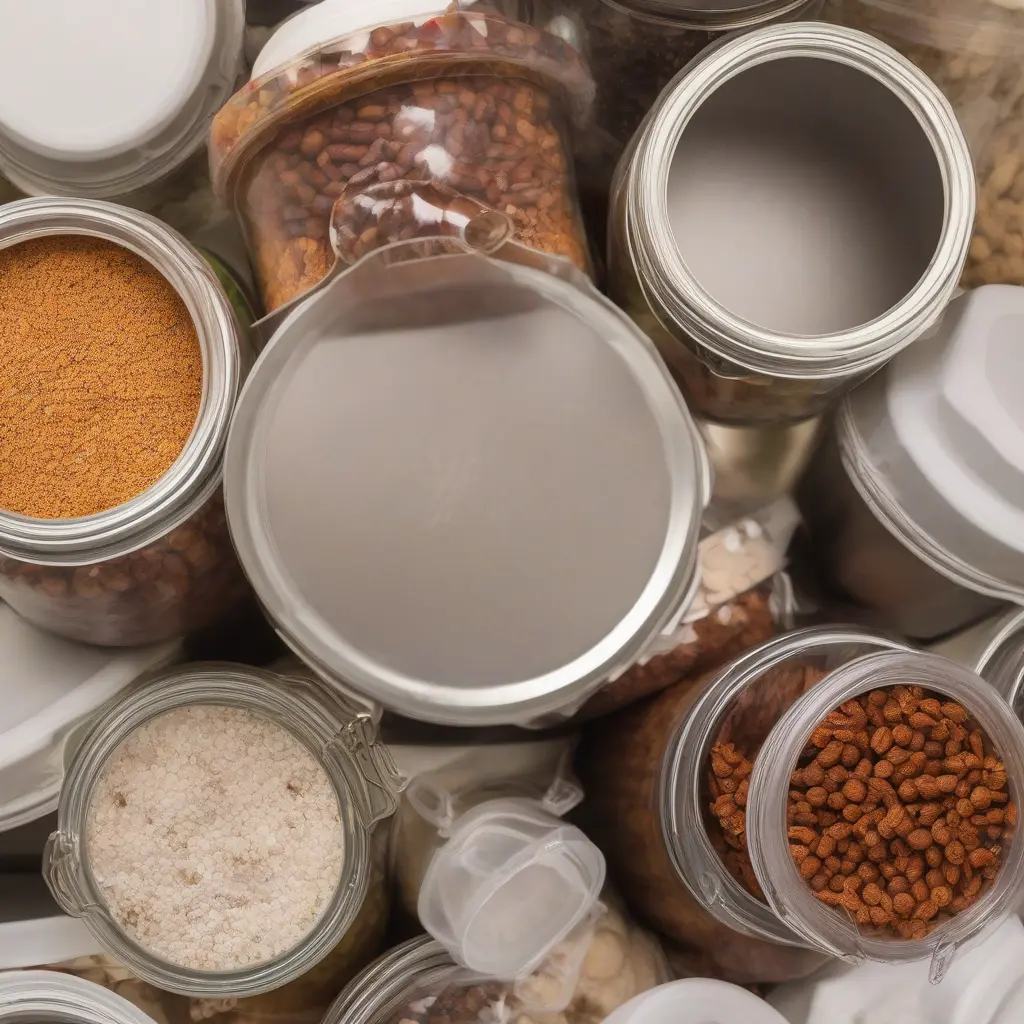
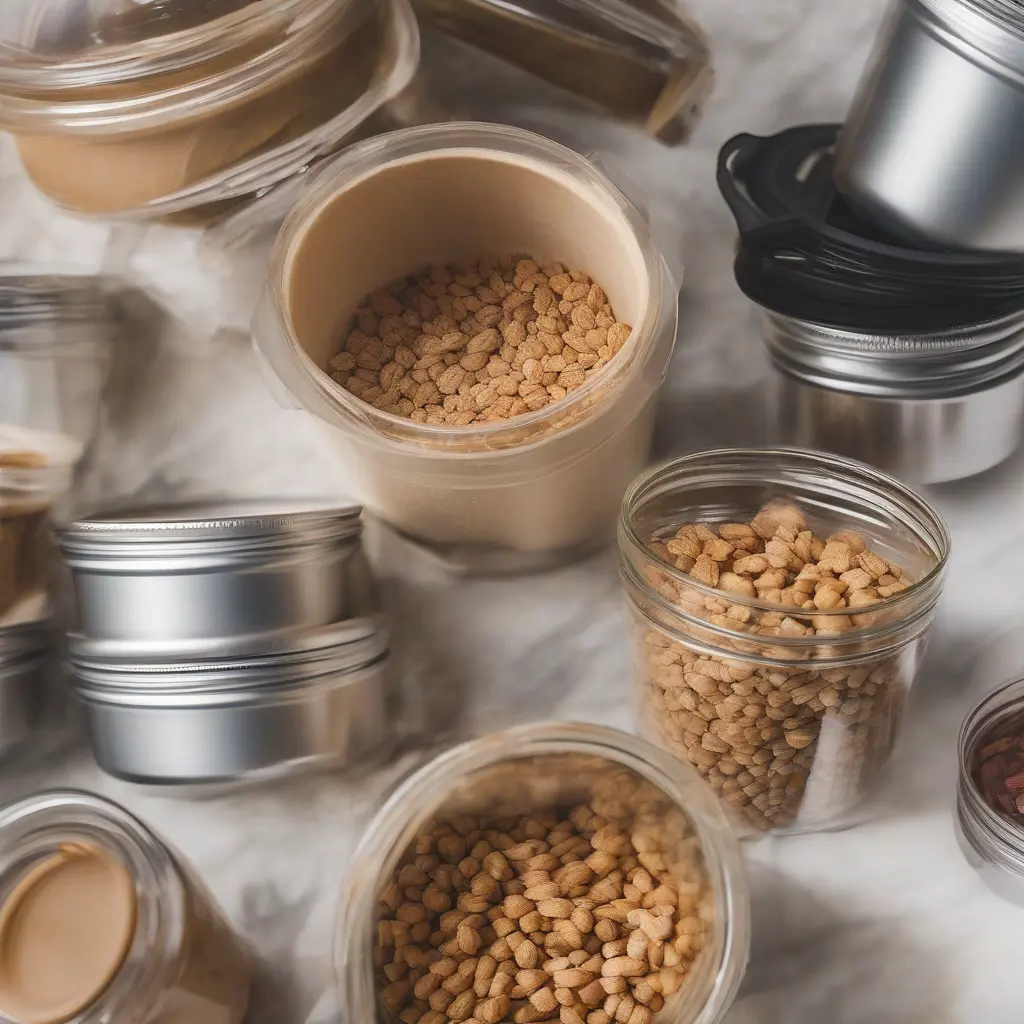
The material of an airtight container plays a significant role in its effectiveness against moisture. Common materials include glass, plastic, and stainless steel. Glass containers typically offer the best barrier against moisture but are heavier and more prone to breaking. Plastic containers are lighter and often more affordable, yet they can vary in moisture resistance depending on the quality. Stainless steel combines durability and moisture resistance, making it an excellent choice for long-term storage.
Best Airtight Containers for Moisture Control
When selecting airtight containers for moisture control, look for options specifically designed for this purpose. Vacuum-sealed containers are among the best choices, as they remove air from the container, significantly reducing the chance of moisture damage. Additionally, consider containers with silicone seals and locking mechanisms, which help create a tight seal. Brands such as OXO and Rubbermaid offer reliable options that provide excellent moisture control features.
Portable vs. Stationary Airtight Containers
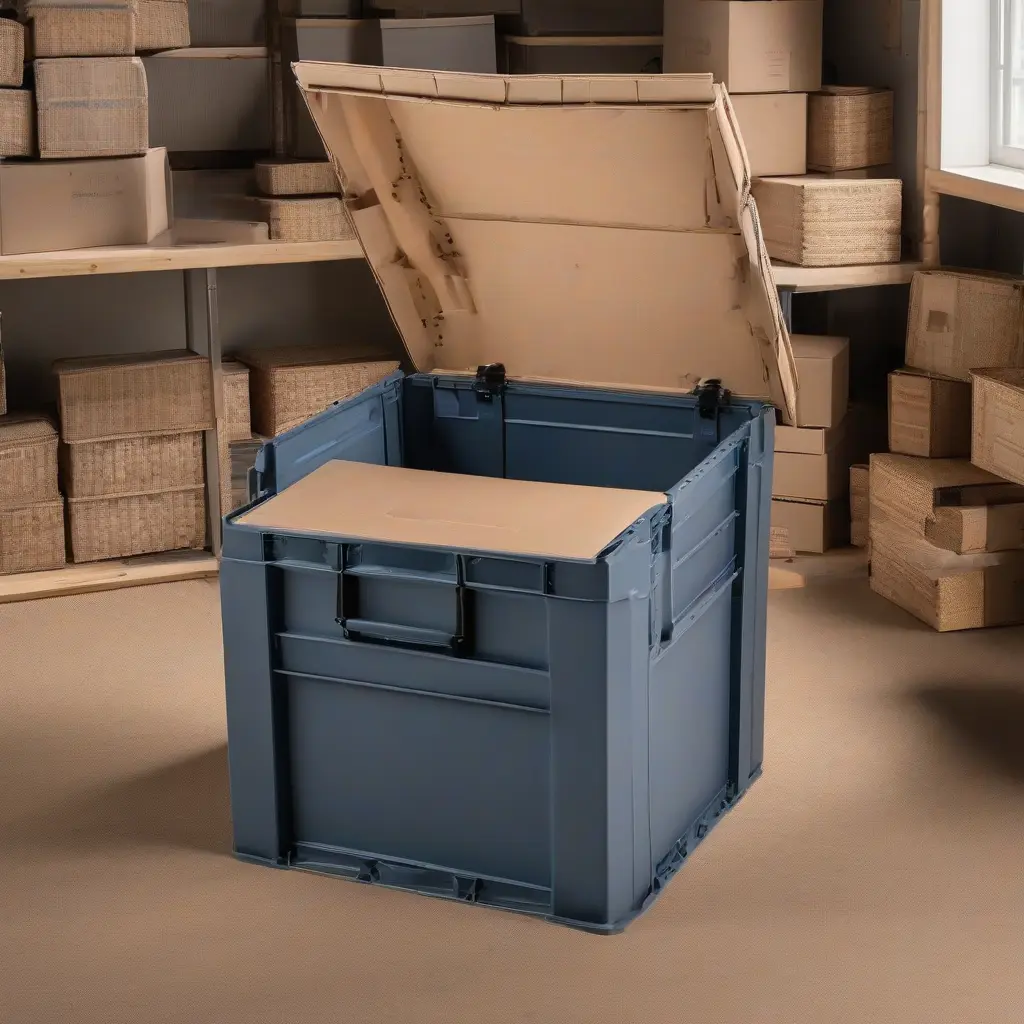
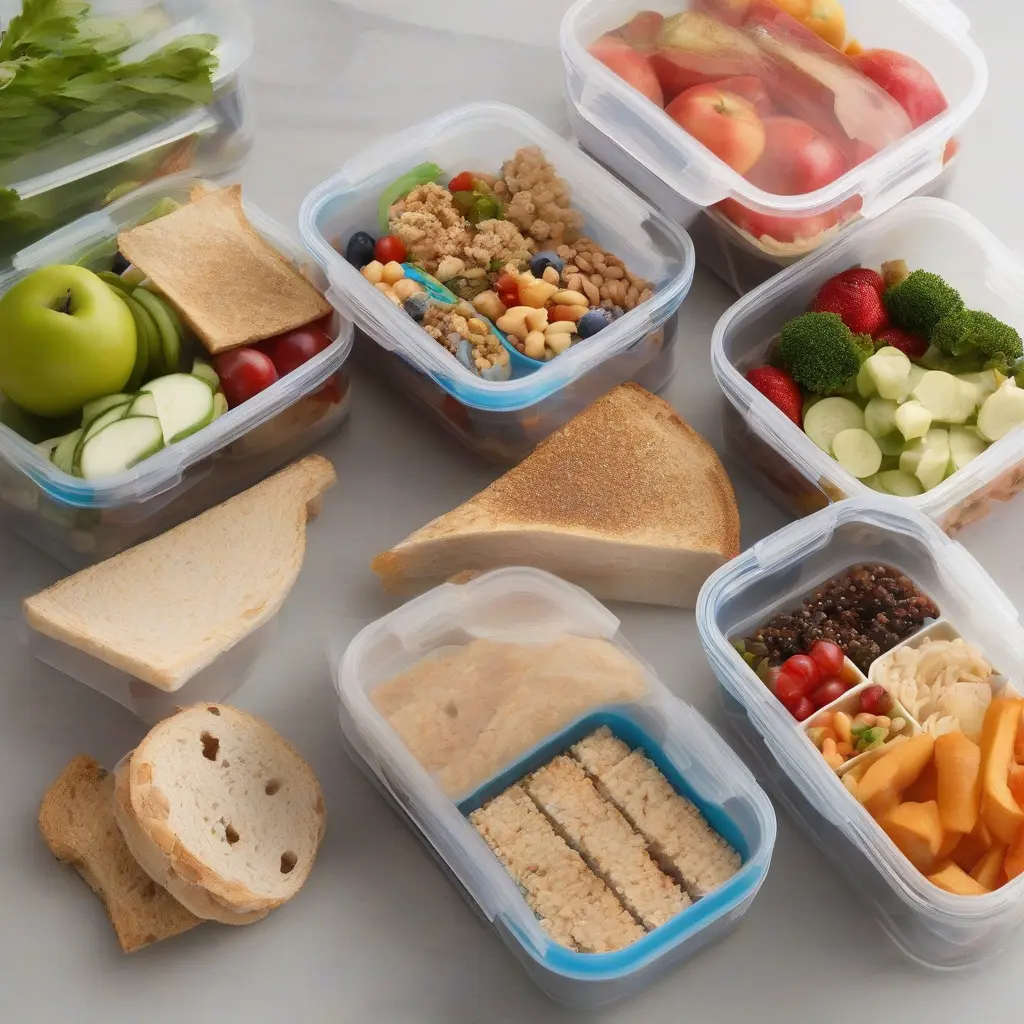
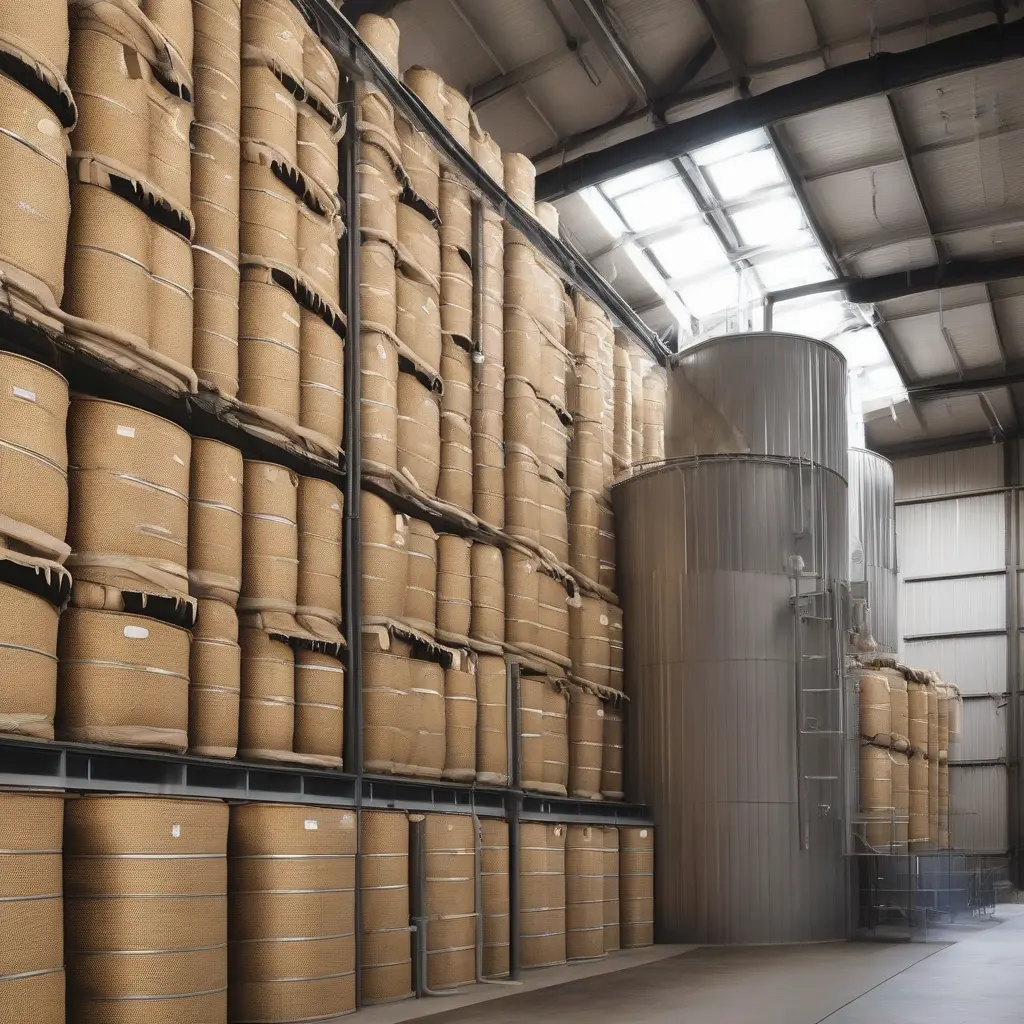
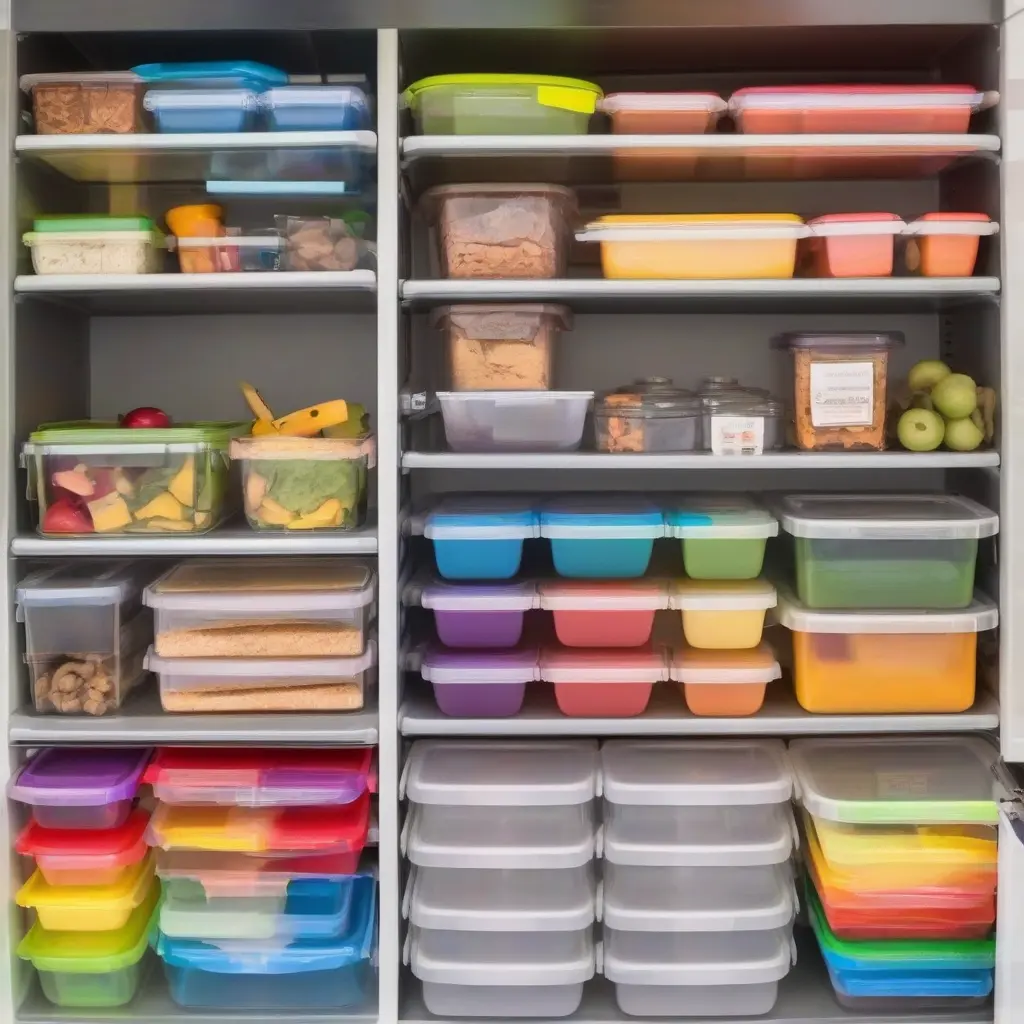
Whether you need portable or stationary airtight containers can influence your selection. Portable options, such as lunchbox containers or small jars, are ideal for on-the-go storage, particularly for snacks or meals. Stationary containers, on the other hand, are better suited for pantry storage and bulk items. Understanding your storage needs will help you determine which type best suits your lifestyle and moisture control requirements.
Additional Features to Look For
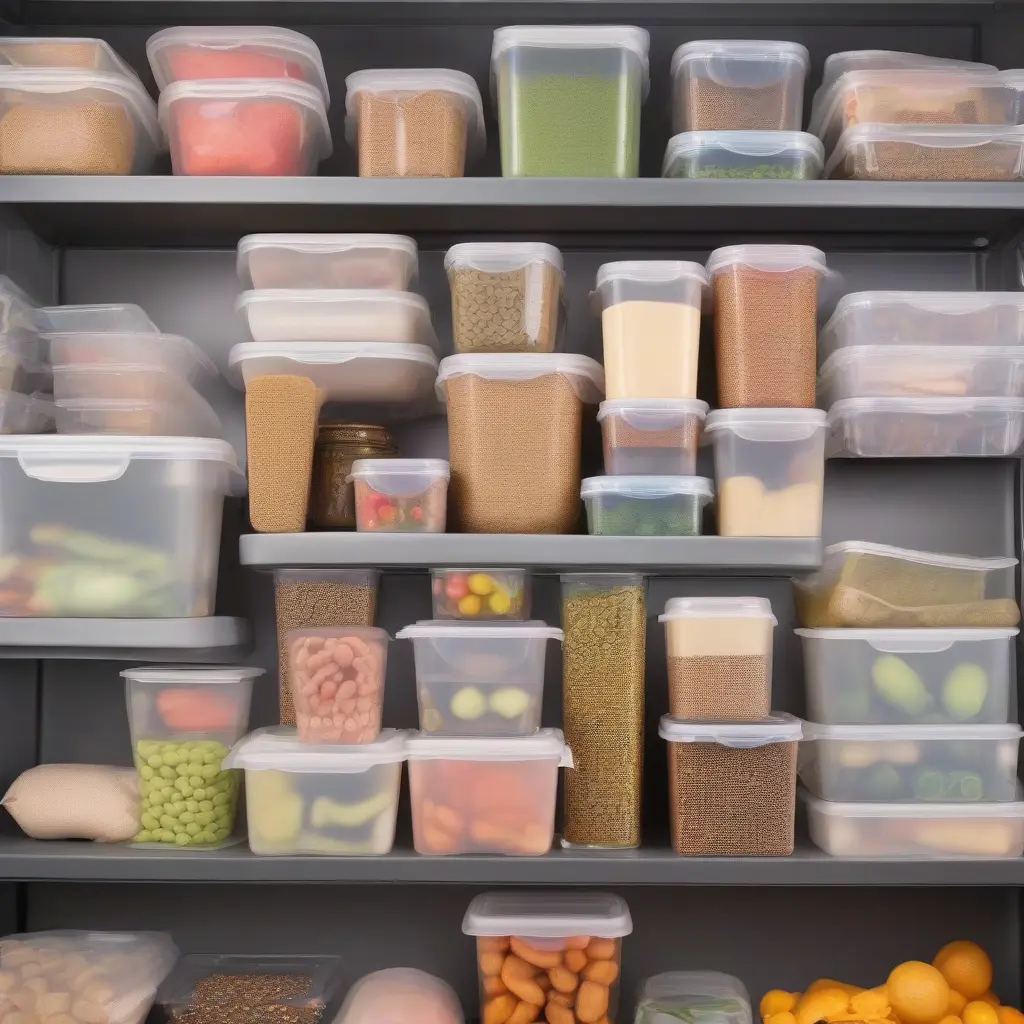
Beyond moisture control, there are several features to consider when choosing airtight containers. Look for stackable designs that maximize storage space and consider containers that are dishwasher safe for easy cleaning. Ensure that the lids are easy to open and close, as this can affect your willingness to use the containers regularly. Features such as BPA-free materials and clear designs may enhance usability and safety.
Common Mistakes When Using Airtight Containers
One common mistake is not properly cleaning containers before use, leaving residues that can attract moisture and pests. Additionally, overfilling containers can cause ineffective sealing. When storing dry goods, ensure they are completely cooled to prevent condensation inside the container. Lastly, avoid using damaged containers, as any cracks or misalignments may compromise the airtight seal, leading to moisture issues.
Proper Storage Techniques
To maximize the effectiveness of your airtight containers, proper storage techniques are crucial. Store containers in a cool, dry place away from direct sunlight to prevent any temperature fluctuations that could lead to condensation. It’s also advisable to keep frequently used containers at eye level for easy access and to ensure you consistently use them. Additionally, labeling containers can aid in managing contents, helping you keep track of expiration dates.
Comparing Prices of Airtight Containers
Airtight containers come in a variety of price ranges depending on the brand, material, and features. Basic plastic models can be found at low prices, while glass or vacuum-sealed versions may come at a premium. It can be beneficial to consider the long-term savings associated with using high-quality containers that preserve food better and reduce waste. Researching user reviews and ratings can help ensure you’re investing in quality while staying within budget.
Environmental Impact of Airtight Containers
When selecting airtight containers, it’s essential to consider their environmental impact. Eco-friendly options made from recycled materials or biodegradable substances are increasingly available. Glass containers, while heavier and fragiler, are reusable and recyclable, thereby having a lesser long-term environmental footprint. It’s worth investing in containers that can be used repeatedly over time, reducing the demand for single-use plastics and contributing to sustainability efforts.
Conclusion
In conclusion, airtight containers are effective tools for managing moisture, but choosing the right type is crucial. Factors like material, design, and additional features will play a significant role in the overall effectiveness of moisture control. By understanding your needs and considering the insights provided here, you can make informed decisions that help extend the shelf life of your food and other items.