In an era where sustainability and health consciousness are on the rise, choosing the right airtight containers is essential for food storage. Many containers, particularly plastic ones, can leach harmful chemicals into food, posing health risks. It is crucial to understand the types of materials available and their impact on food safety. This guide will explore safe alternatives to plastic containers, the importance of airtight seals, and tips for properly maintaining your storage solutions, all aimed at preventing plastic contamination and ensuring your food remains fresh and safe.
Understanding Plastic Contamination Risks
Plastic contamination occurs when harmful chemicals from packaging materials leach into food or beverages. Common culprits include Bisphenol A (BPA) and phthalates, which can disrupt hormonal functions and lead to various health issues. Moreover, frequent heating or exposure to acidic foods can increase the risk of leaching. To mitigate these risks, it is essential to become aware of the types of plastics used in food containers and their associated dangers. Opting for safer alternatives can significantly reduce these health concerns.
Safe Material Alternatives to Plastic
Choosing materials such as glass, stainless steel, and silicone can be effective alternatives to traditional plastic containers. Glass is non-porous and does not interact with food, making it a safe choice for storage. Stainless steel containers are durable and free of harmful chemicals, while silicone provides flexibility without compromising safety. Each of these materials has its advantages, and understanding their properties helps ensure you select the safest option for your food storage needs.
Advantages of Using Glass Containers
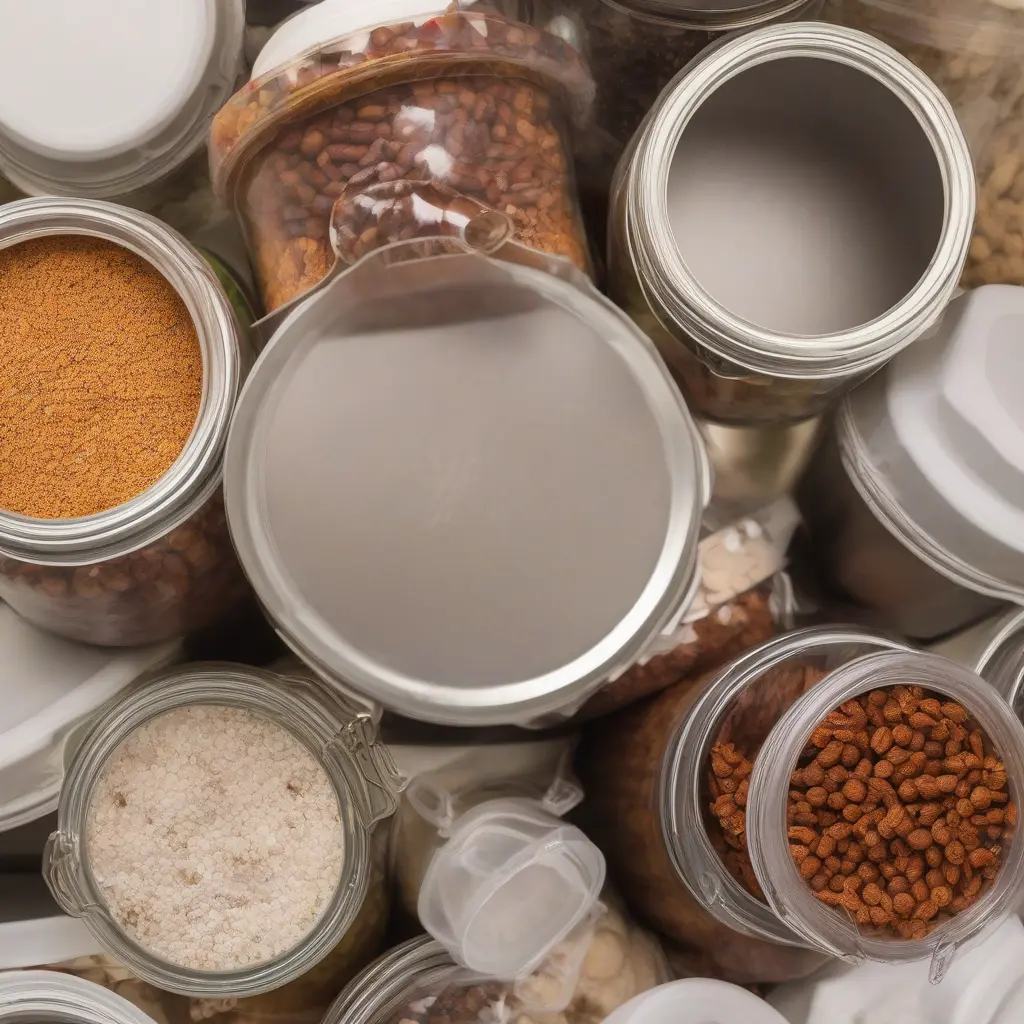
Glass containers offer numerous benefits, including their non-reactive nature and ability to withstand high temperatures. They do not retain odors or stains, ensuring that food remains fresh and uncontaminated. Additionally, glass is recyclable, promoting environmental sustainability. Various sizes and designs of glass airtight containers are available, catering to different storage needs. These factors make glass an excellent choice to avoid plastic contamination while maintaining food quality.
Benefits of Stainless Steel Food Storage
Stainless steel is another commendable option for food storage, praised for its sturdiness and longevity. It is resistant to rust, corrosion, and staining, ensuring that it lasts over time. Moreover, stainless steel containers are lightweight and easy to clean, making them ideal for both home use and travel. They are also non-toxic and free from harmful chemicals, ensuring that stored food remains safe and uncontaminated. This material combines functionality with safety, making it a preferred choice for many users.
Exploring Silicone Airtight Containers
Silicone containers represent a modern, versatile option for food storage, being flexible and durable. They can withstand extreme temperatures, making them useful for freezing, microwaving, and even baking. Unlike plastic, silicone does not leach chemicals into food, ensuring the safety of your meals. Furthermore, they are easy to clean and often dishwasher-safe, adding convenience to their list of benefits. The use of silicone containers can effectively reduce the risk of plastic contamination while providing exceptional performance.
The Importance of Airtight Seals
An airtight seal is vital for preserving food freshness and preventing contamination. Containers that lack effective sealing mechanisms can allow air, moisture, and bacteria to enter, compromising food quality. Airtight containers minimize exposure to oxygen, which can cause oxidation and spoilage. Additionally, they help in reducing waste by keeping food viable for longer periods. Therefore, ensuring that your chosen container has a reliable airtight seal is essential for safe and effective food storage.
Maintaining Your Airtight Containers
Proper maintenance of your airtight containers is essential to ensuring their effectiveness. Regular cleaning is necessary to prevent the buildup of bacteria, mold, or odors. Using mild soap and warm water is often sufficient, although containers made of glass or stainless steel may be dishwasher-safe. Inspecting seals and lids for damage can also help in maintaining their airtight properties. Taking these steps not only extends the lifespan of your containers but also guarantees the sustained safety of your stored food.
Labeling and Organizing for Safety
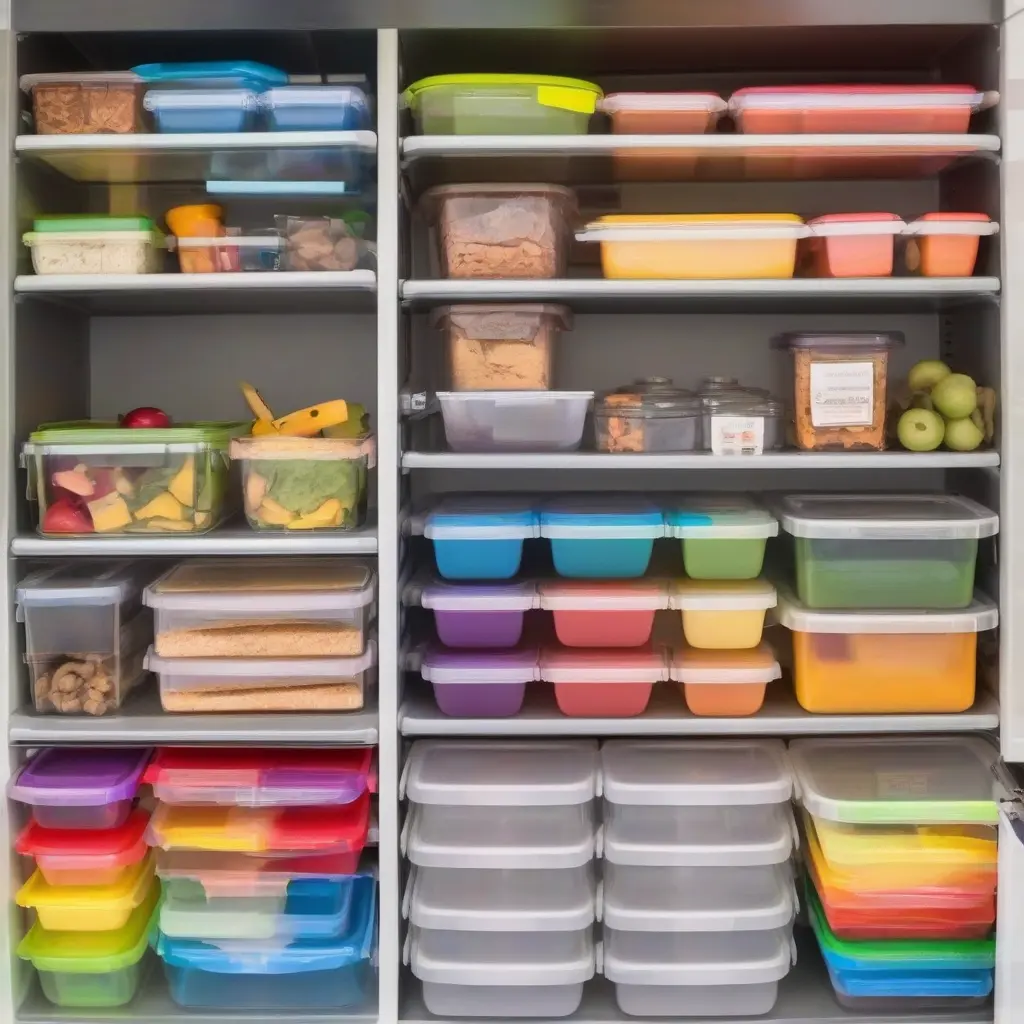
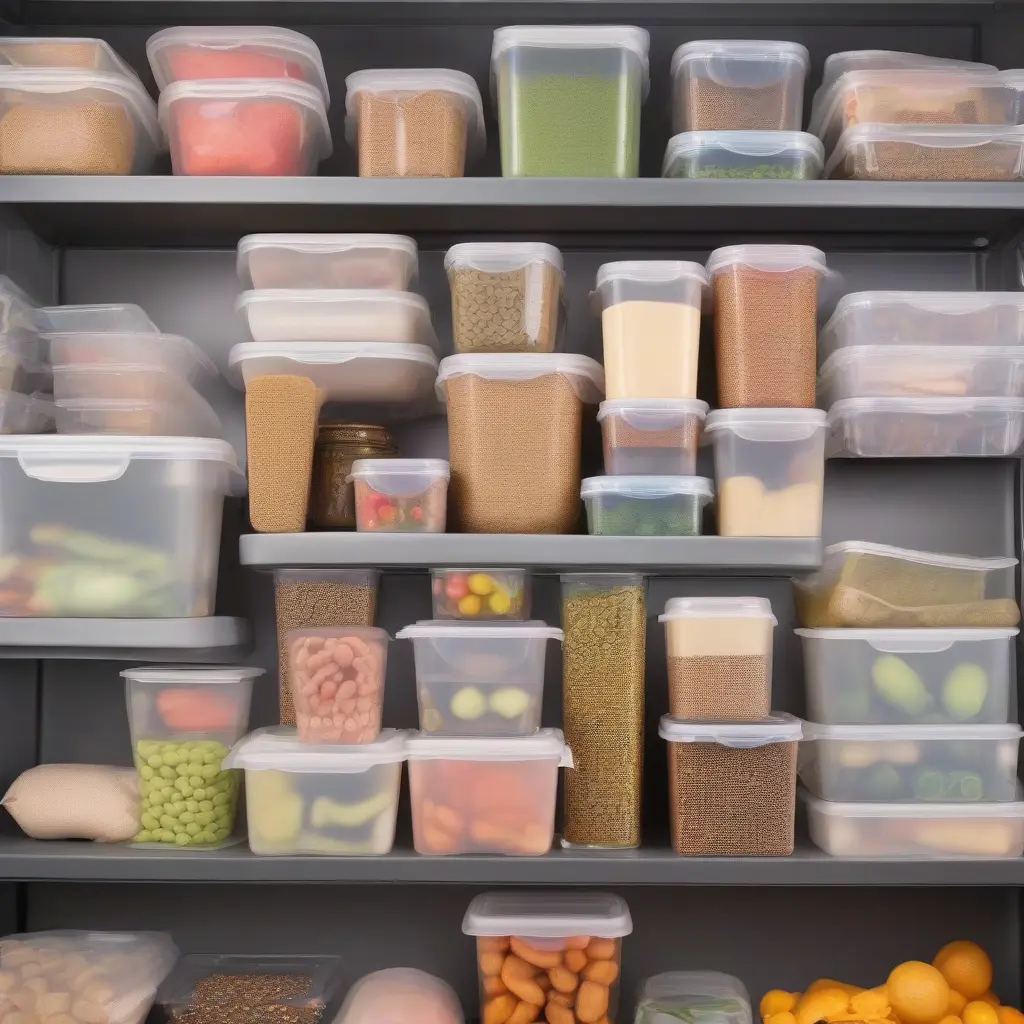
Labeling and organizing your food storage containers are vital for ensuring food safety and reducing waste. By clearly marking containers with expiration dates or contents, you can monitor the freshness of your food and avoid confusion. Organizing containers by type or use can further streamline your meal preparation process. Good organization minimizes the chances of forgetting about older items, reducing waste and ensuring that you consume food while it’s still safe. Utilizing both labeling and strategic placement can enhance overall food safety.
Choosing the Right Size and Shape for Storage
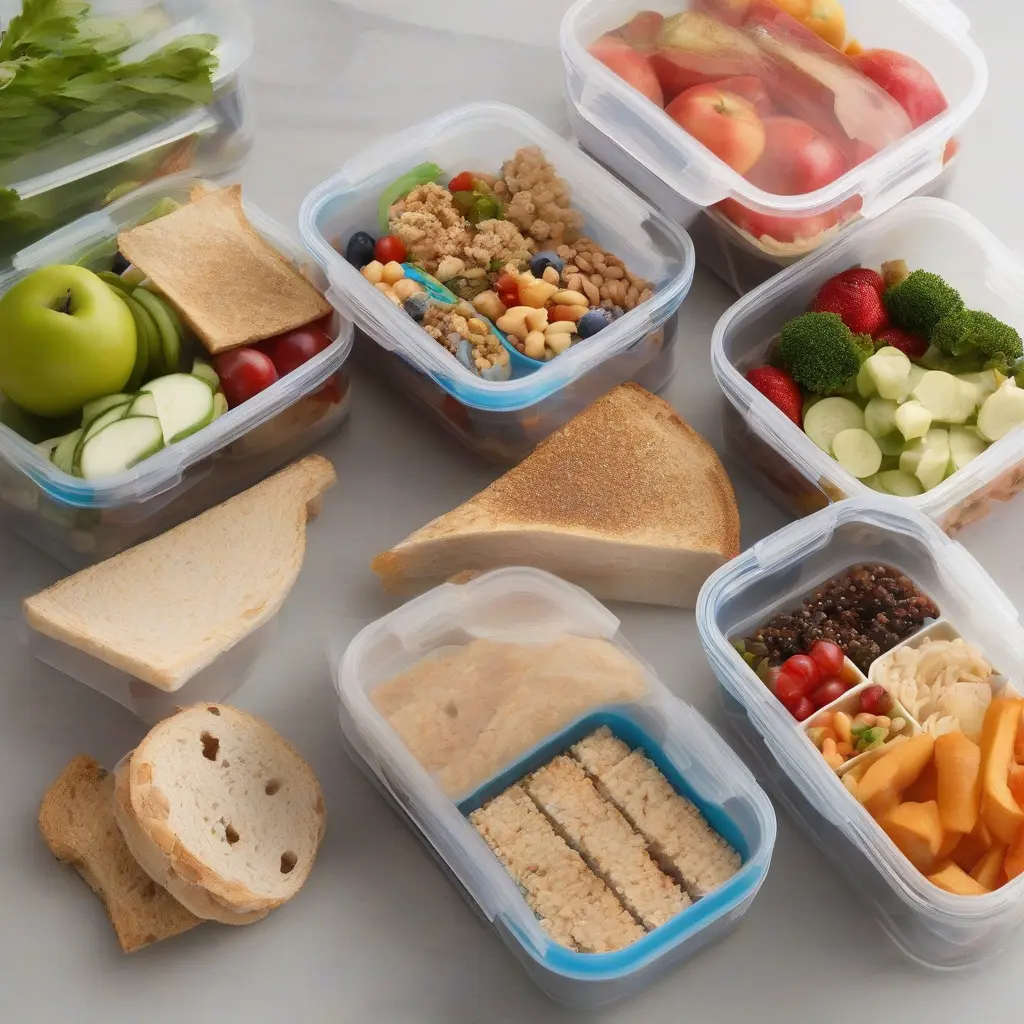
Selecting the appropriate size and shape for your airtight containers is integral to efficient storage. Different food types, such as grains, liquids, or leftovers, often require different storage solutions. Opting for varied sizes can maximize space and ensure optimal storage conditions. Additionally, choosing containers that fit well in your refrigerator or pantry can prevent spills and keep your storage area organized. Understanding the specific requirements of your food items helps you make better choices regarding storage containers.
Economic Benefits of Avoiding Plastic Containers
Investing in high-quality airtight containers made from safe materials may initially seem more expensive than plastic options, but the long-term economic benefits are substantial. Durable containers last longer and provide better storage solutions, reducing the need for frequent replacements. Additionally, they help in minimizing food waste, as food remains fresher for extended periods. By opting for these containers, you not only protect your health but also save money over time by increasing the efficiency of your food storage.
Environmental Impact of Plastic Waste
The environmental implications of plastic waste are severe, affecting landfills, oceans, and wildlife. Plastics, particularly single-use containers, contribute significantly to pollution and take hundreds of years to decompose. Reducing plastic use and choosing sustainable alternatives can lessen your ecological footprint. Switching to airtight containers made from glass, stainless steel, or silicone not only promotes personal health but also supports larger efforts to reduce environmental damage and promote sustainability.
Conclusion
Avoiding plastic contamination requires informed choices when selecting airtight containers for food storage. By understanding the risks associated with plastics and exploring safe materials like glass, stainless steel, and silicone, you can safeguard both your health and the environment. Implementing regular maintenance, proper organization, and an emphasis on airtight seals will further ensure the quality and safety of your food. Making these conscious decisions not only enhances your food storage practices but also contributes to a more sustainable future.