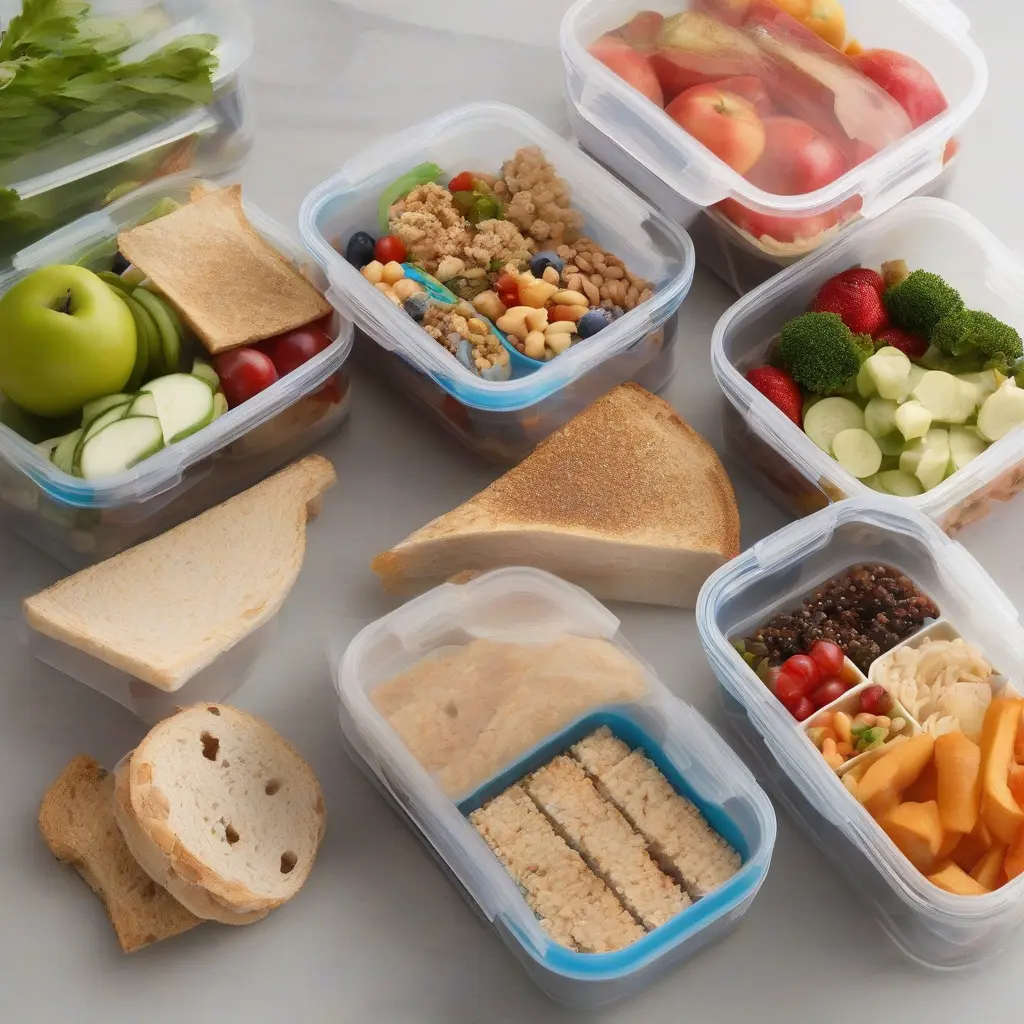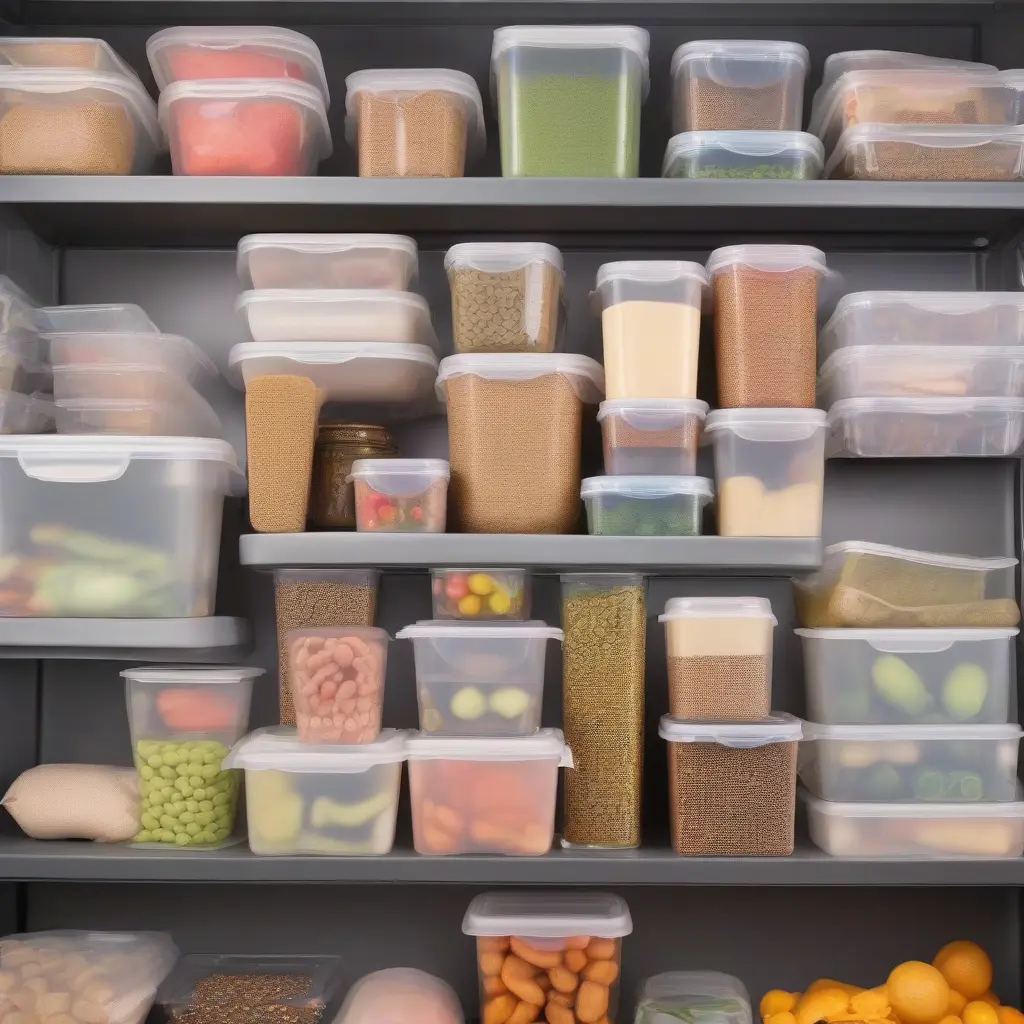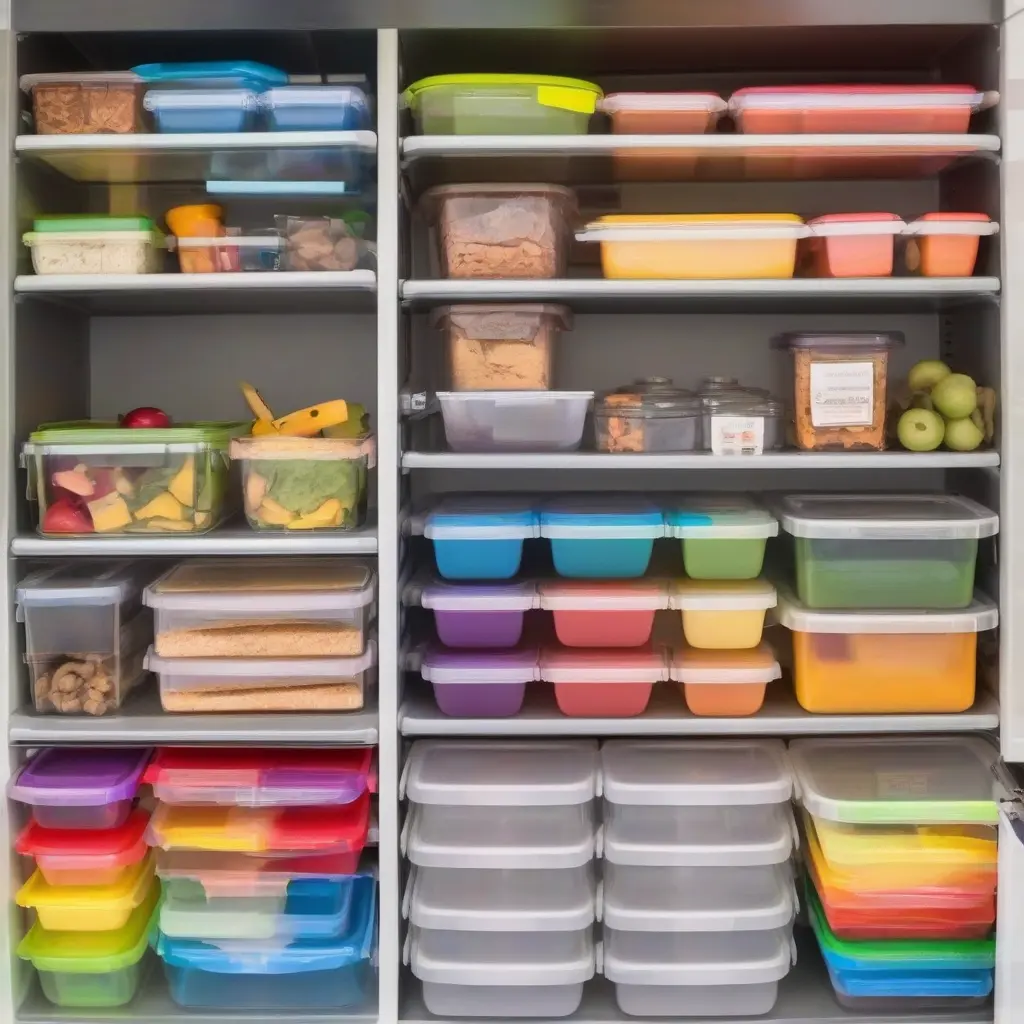
Color coding can transform lunchtime into a fun and organized experience for families. By using colors strategically in lunch storage, you not only facilitate easy meal identification but also add a playful element that engages both kids and adults. This approach helps in managing different dietary needs and preferences, keeping meals appealing and organized. In this article, we’ll explore how color coding can enhance your lunch storage solutions, making meal prep easier and ensuring that every family member enjoys a delightful dining experience.
Understanding the Basics of Color Coding
Before diving into the practical aspects, it’s essential to understand the basics of color coding. This method involves assigning specific colors to different types of food or containers to help with organization and quick identification. For example, you might use blue for proteins, green for vegetables, and red for fruits. This system simplifies meal prep and encourages balanced nutrition by ensuring that each meal includes a variety of food groups. By creating a visual guide, families can easily make healthier choices while reducing food waste.
Choosing the Right Containers
The first step in implementing color coding is selecting the appropriate lunch storage containers. Look for containers that come in various colors or allow you to add color-coded labels. Opt for BPA-free materials to ensure safety with food storage. You can also find containers in fun shapes and designs that attract children’s attention, making them more excited about their meals. Investing in durable, dishwasher-safe containers can save time during cleanup and maintain the integrity of your color-coded system.
Assigning Colors for Food Groups
To maximize the benefits of color coding, assign specific colors to different food groups. For instance, you could designate yellow for carbohydrates, purple for dairy, and orange for snacks. This method not only helps family members quickly identify what they’re about to eat but also encourages a varied diet by reminding everyone of the food groups they should include in their meals. By visually associating colors with food categories, you can foster a more balanced and nutritious approach to lunch.
Involving Kids in the Process
Engaging children in the color-coding process can make lunchtime more fun. Allow them to choose their favorite colors for their specific containers or even help to create colorful labels together. This not only fosters creativity but also gives kids a sense of ownership over their meals. As children understand the significance of each color, they become more inclined to try new foods and make healthier choices independently. This collaborative effort can strengthen family bonds while instilling valuable organizational skills.
Creating a Color-Coded Meal Plan
A color-coded meal plan is an excellent strategy for organizing lunches throughout the week. Use a planner or digital app to outline meals using your established color scheme. This process helps in grocery shopping, as you can easily visualize what items you need based on their designated colors. Consider including a variety of recipes that feature different color-coded foods, ensuring that everyone in the family finds something they enjoy. This organization not only streamlines preparation but also makes weeknight meals more exciting and less stressful.
Utilizing Reminders and Labels
To keep the color-coding system straightforward, utilize reminders and labels. You can create a small chart outlining which colors correspond to each food category and place it on the fridge or pantry door. This visual aid not only helps everyone remember the color assignments but also serves to educate younger family members about nutrition. Labels can be printed or handwritten and should include images or symbols for a clear understanding, especially for younger children who may not read yet.
Experimenting with Food Arrangements
To enhance the visual appeal of your lunches, experiment with food arrangements in your containers. Use different colored foods to create a rainbow effect or layer foods by their colors to make meals eye-catching. This practice not only appeals to kids but encourages them to engage with their lunches more enthusiastically. Combining colors in creative ways can also lead to discussions about the importance of diverse food choices, setting a foundation for healthier eating habits that can last a lifetime.
Maintaining the Color Coding System
Maintaining your color coding system is crucial for its effectiveness. Regularly inspect your lunch containers to ensure they are in good condition and revisit your color assignments as your family’s preferences change. Seasonal foods can also inspire a refresh of your color coding, allowing for new combinations and encouraging kids to explore different tastes. By reinforcing this system, you ensure that lunchtime remains fun, organized, and educational for everyone in the family.
Evaluating Feedback and Making Adjustments
Encourage family members to provide feedback on the color-coding system after a few weeks of use. Understand what works well and what may need adjustments. Some kids might gravitate more towards certain colors or food groups, while others may need more encouragement to try new items. By discussing these experiences together, you can make informed decisions on how to adapt your system to better meet everyone’s needs, fostering an inclusive environment that values input and preference.
Conclusion
Color coding in lunch storage can be a fun and effective way to organize meals for families. Not only does it facilitate quick identification of food types, but it also encourages healthy eating habits among kids. By implementing engaging strategies like involving children in the process and establishing a visible meal plan, drama-free lunches become achievable. As you consistently refine your approach, you’ll create enjoyable and nutritious lunch routines that everyone in the family looks forward to.