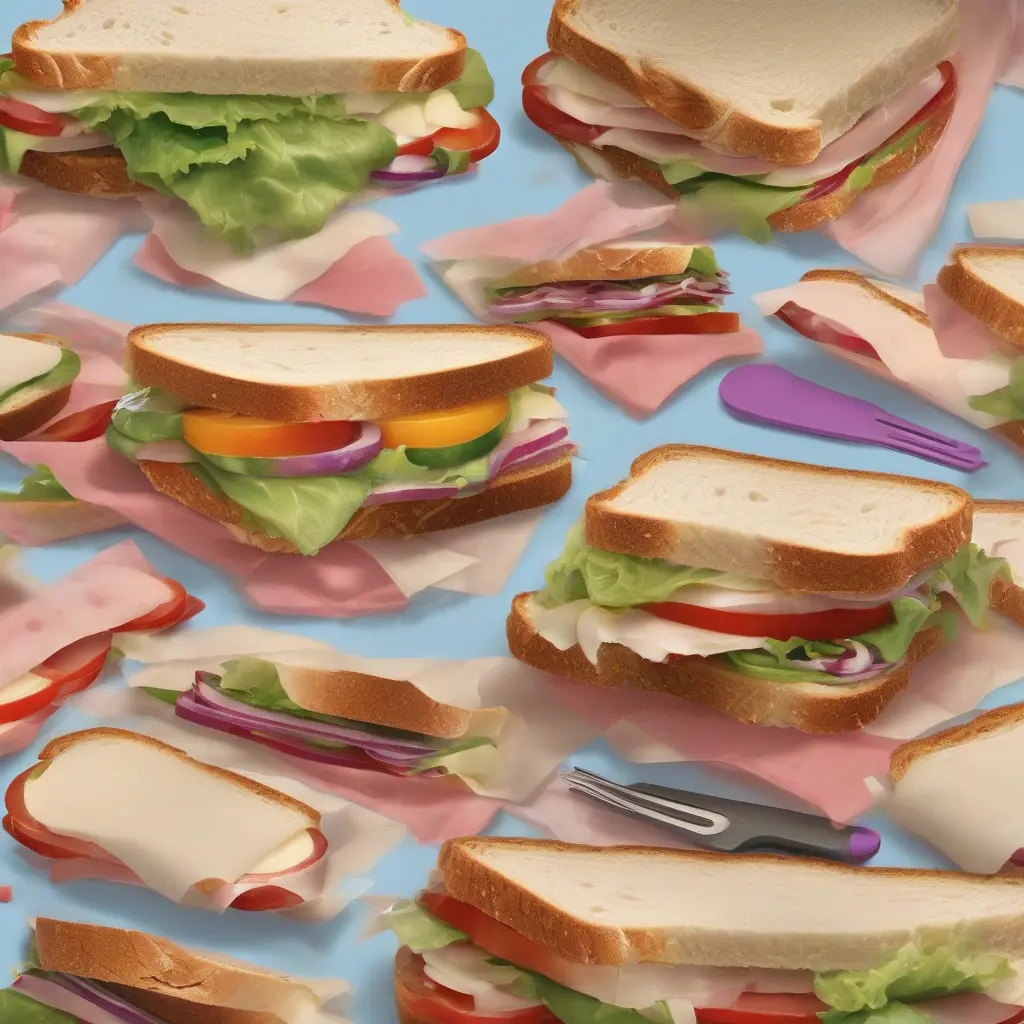
Packing a sandwich for lunch without squishing it in storage can be a challenge, especially when striving for flavor and presentation. A well-packed sandwich not only tastes better but also maintains its texture and shape throughout the day. This guide explores practical tips and techniques that help ensure your lunch arrives at its destination looking and tasting fresh. Whether you’re a student, professional, or simply someone who loves homemade lunches, these strategies will enhance your packing skills and improve your lunchtime experience.
Choose the Right Bread for Packing
Selecting the appropriate bread is crucial for preventing squished sandwiches. Opt for sturdier types, such as whole grain, ciabatta, or sourdough, as these varieties hold up better under pressure. Avoid soft, airy breads like white or sandwich bread, which tend to get compressed easily. A thicker crust can also act as a protective barrier, maintaining the integrity of your filling. The choice of bread will significantly influence how well your sandwich withstands transport and retains its fresh taste.
Mind the Ingredients You Use
The ingredients you include in your sandwich play a vital role in its durability. Choose firmer fillings like turkey, chicken, or roasted vegetables that won’t easily squish. Avoid adding too many moist ingredients, such as tomato slices or excessive dressings, as they can lead to sogginess and structural failure. If you want to include wet toppings, consider placing them in separate containers or using them sparingly. Keeping the fillings solid helps in maintaining the overall shape and quality of your sandwich.
Build a Stable Structure
Constructing your sandwich in a thoughtful manner can make a significant difference in its stability. Start with a solid base layer of bread, followed by sturdier fillings like slices of cheese or cooked meats. Place softer ingredients, such as lettuce or condiments, towards the center, away from the edges. This method helps distribute weight evenly and reduces pressure on the outer slices of bread. A well-structured sandwich is less likely to collapse during storage and transport.
Use Parchment Paper or Foil for Wrapping
Wrapping your sandwich in parchment paper or foil is an effective way to prevent squishing during storage. Unlike plastic wrap, which can cling tightly and compress the sandwich, parchment paper allows for breathability while providing some support. If using foil, wrap it loosely to avoid crushing the sandwich. Additionally, these materials keep your sandwich fresh by preventing moisture loss and can help in preserving its texture. Ensure the wrap is secure but not overly tight to maintain the sandwich’s shape.
Invest in Quality Lunch Containers
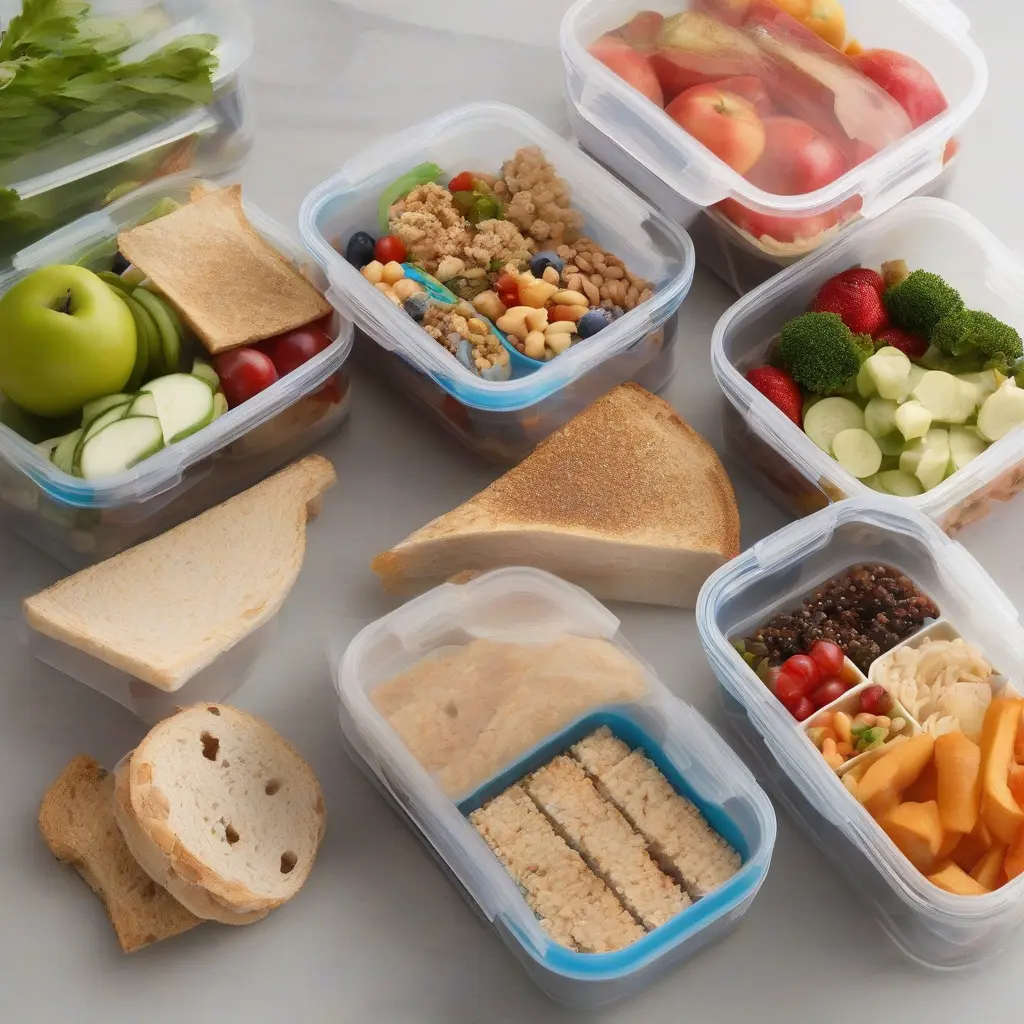
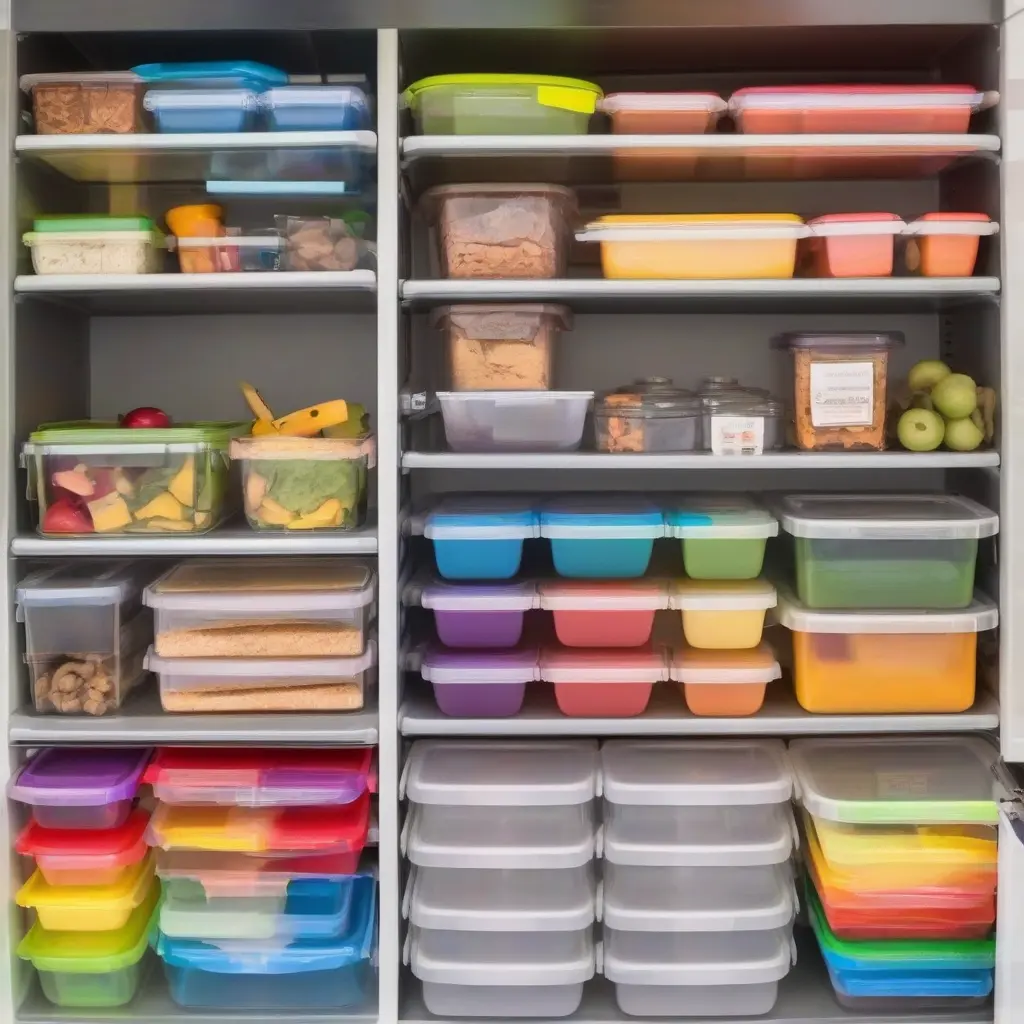
Using an appropriate lunch container can play a crucial role in maintaining your sandwich’s integrity. Look for sturdy, compartmentalized containers that offer enough space to avoid unnecessary squishing. Some containers are designed specifically for sandwiches, featuring a hinged lid or silicone grips to keep your lunch in place. Make sure the container fits snugly in your lunch bag without leaving room for it to move around. A quality container will safeguard your sandwich against pressure during transport.
Consider Divider Inserts
Using divider inserts in your lunch container can help keep your sandwich safe from getting squished. These dividers create separate compartments, allowing you to store other food items without direct pressure on your sandwich. You can place the sandwich in one section while keeping snacks or sides in adjacent sections. This strategy not only protects your meal but also adds organization, making it easier to grab everything you need at lunchtime.
Pack Sandwiches Upright
Packing your sandwich upright can significantly reduce the risk of squishing. This method prevents pressure from being applied to the top and bottom of the sandwich, unlike when it’s laid flat. Use your lunch box or bag with the sandwich standing vertically, which can also help with portion control. Utilizing an upright position minimizes contact and friction with other items, maintaining the structure and appearance of your sandwich until you’re ready to eat.
Keep It Cool
Maintaining a cool temperature is essential for freshness and texture. If your sandwich includes perishable ingredients, consider using ice packs or insulated containers to keep it cool during transit. Heat can cause certain ingredients to become soggy or lose their structure. Keeping your lunch at a stable, cool temperature not only preserves freshness but also enhances the overall eating experience. This practice is particularly important during warmer months or on particularly hot days.
Use Sandwich Skewers for Stability
Employing sandwich skewers is an innovative way to enhance stability. Simply insert a skewer through the center of your sandwich to keep all layers intact and prevent sliding. This technique provides added support, especially for taller sandwiches with multiple ingredients. Skewers can minimize the risk of the sandwich losing its shape during transport. Plus, they make it easy to eat your sandwich without pieces falling apart, ensuring a mess-free lunch experience.
Practice Portion Control
Practicing portion control while assembling your sandwich can help reduce the likelihood of squishing. Keep your fillings moderate to avoid bulging that can lead to pressure on the sides. Using thinner layers of each ingredient allows for a more manageable and stable sandwich. Not only does this method help keep your sandwich intact, but it also ensures an even distribution of flavors in every bite. Equally balanced sandwiches are not only better looking but also more satisfying.
Store Correctly
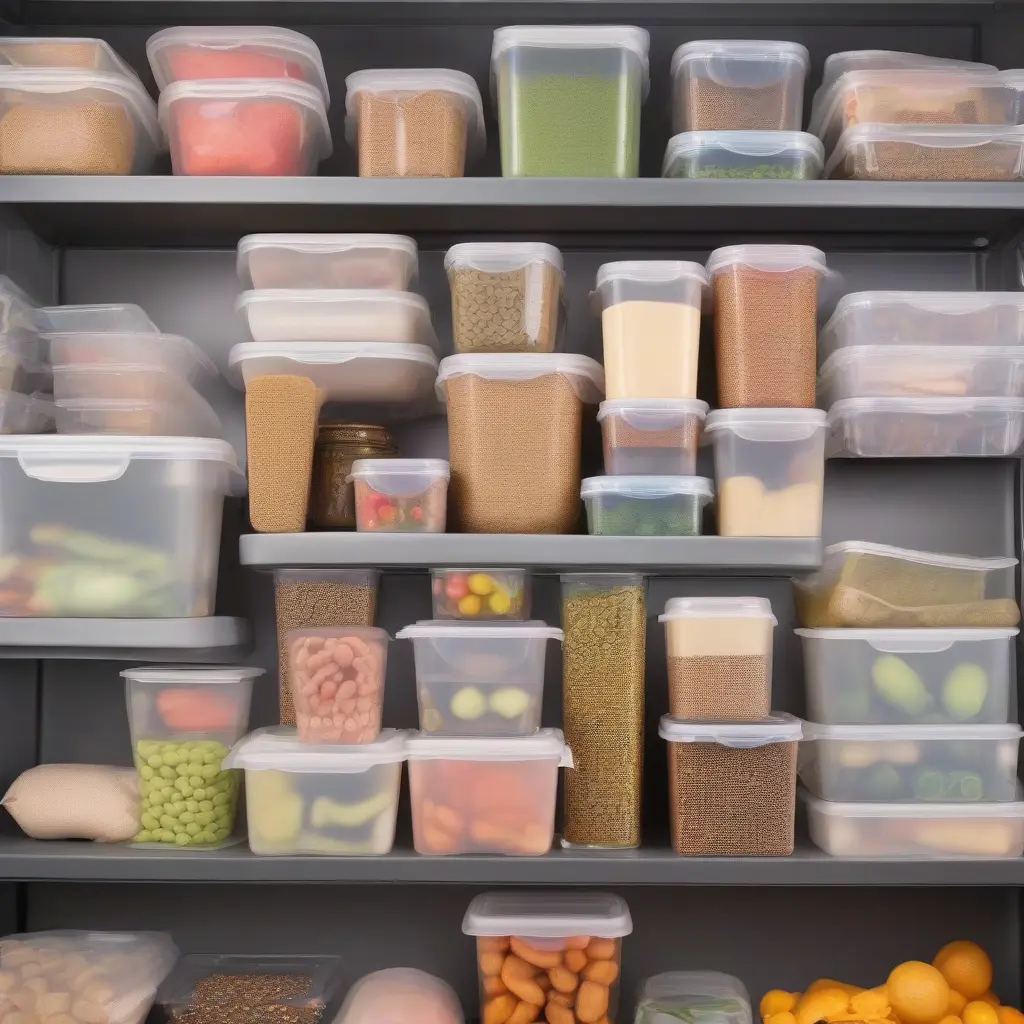
Proper storage can make a significant difference in how well your sandwich holds up throughout the day. Ensure your packed lunch is stored in a temperature-controlled environment to minimize moisture buildup and maintain freshness. If you’re using a cooler or lunch bag, ensure the seals are intact to avoid spoilage. Storing your sandwich in a clean, dry area can also prevent unwanted squishing caused by debris or other items in your bag. Careful storage is key to ensuring your sandwich survives the day.
Conclusion
Packing a sandwich without squishing it is achievable by employing various strategic techniques. From choosing the right bread and ingredients to utilizing effective storage methods, these tips can greatly enhance the quality of your packed lunch. With a little thoughtfulness in construction and proper storage, you can enjoy a fresh and satisfying sandwich ready for lunchtime.