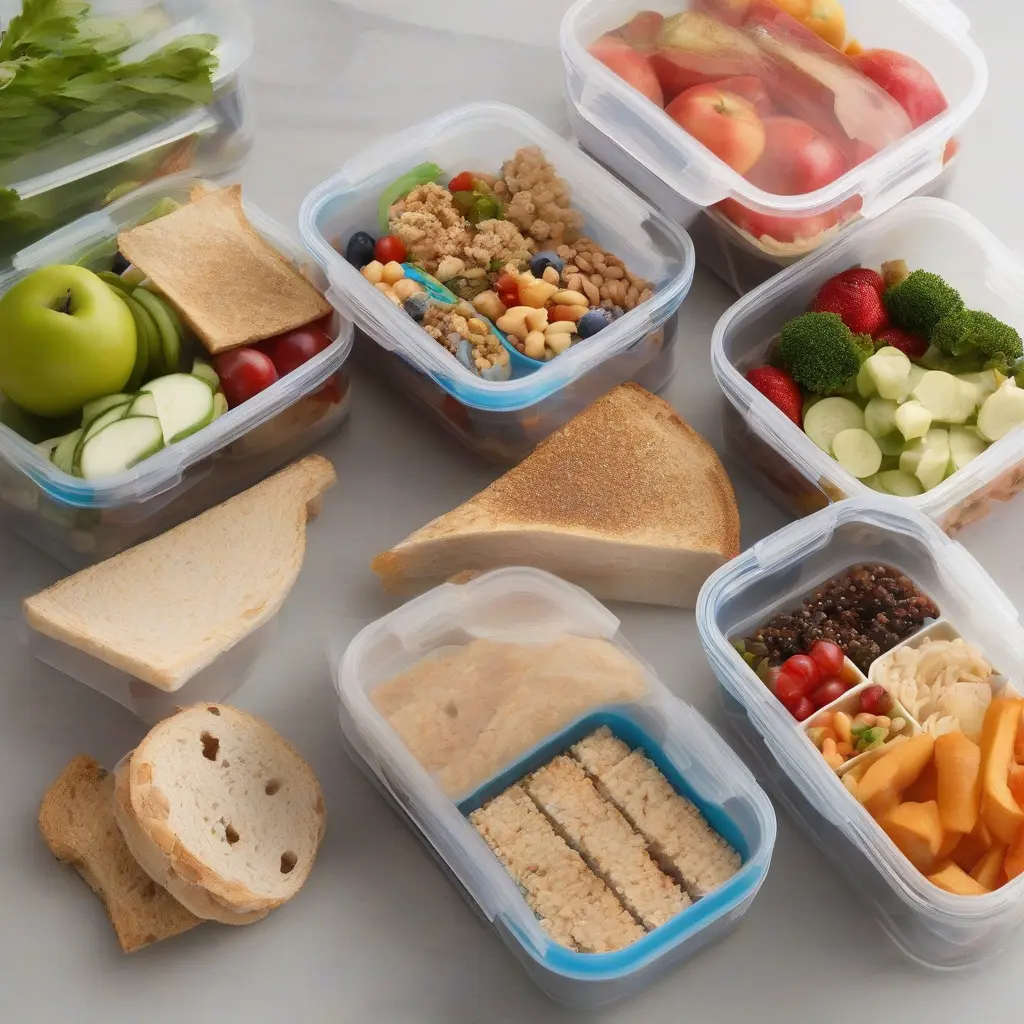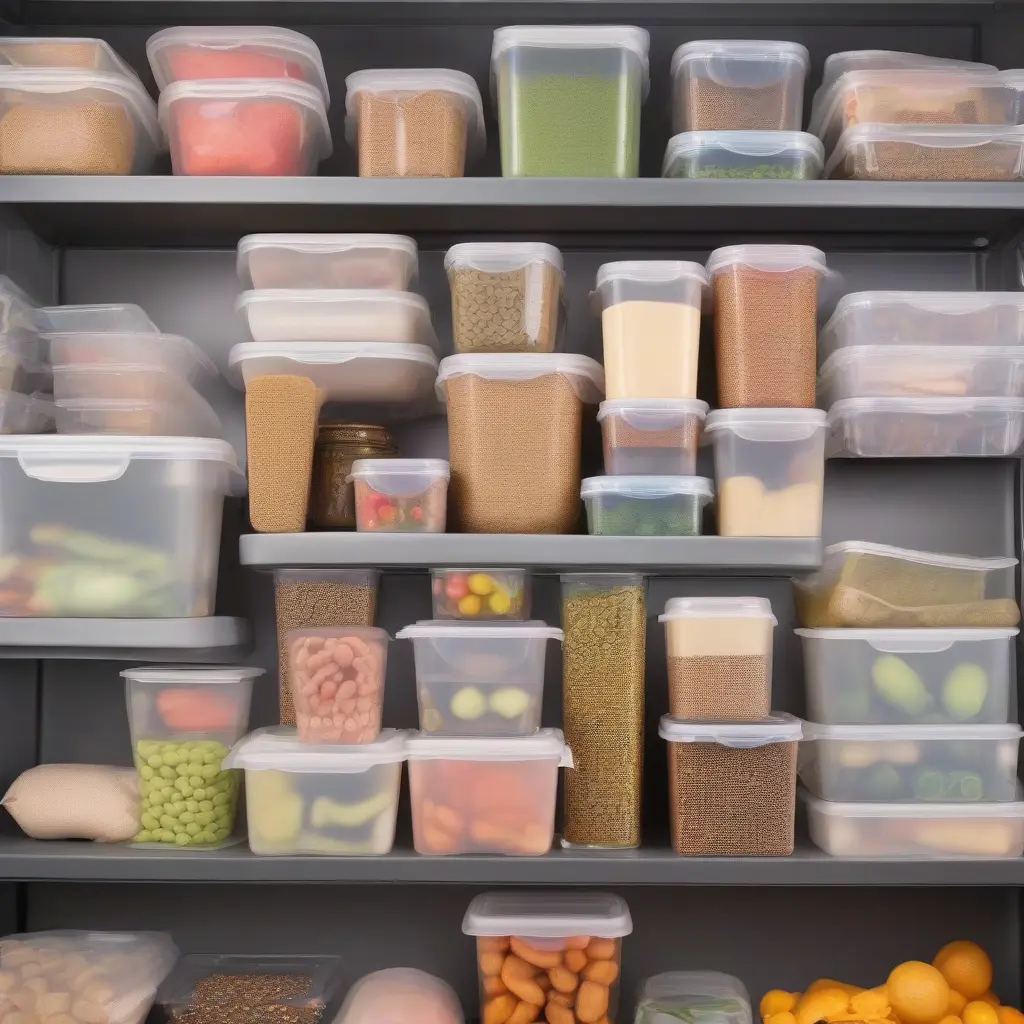
Finding the right airtight containers for baby food storage is crucial for maintaining freshness and ensuring safety. Parents need to consider various factors, including material, size, and sealing capability, to keep baby food free from contaminants. With an array of options available in the market, understanding what makes a container safe and effective is paramount. This guide provides useful insights into selecting airtight containers that not only preserve the quality of baby food but also align with safety standards, offering parents peace of mind.
Understanding the Importance of Airtight Containers
Airtight containers play a vital role in food preservation, especially for baby food. These containers prevent air from entering, which preserves nutrients and extends shelf life. Additionally, airtight seals inhibit moisture, mold, and bacteria growth, making them ideal for storing homemade or store-bought baby food. Parents can avoid waste and ensure that their babies eat only the freshest food by opting for reliable airtight containers. Understanding the importance of these containers will help parents make informed choices.
Materials to Consider for Baby Food Storage
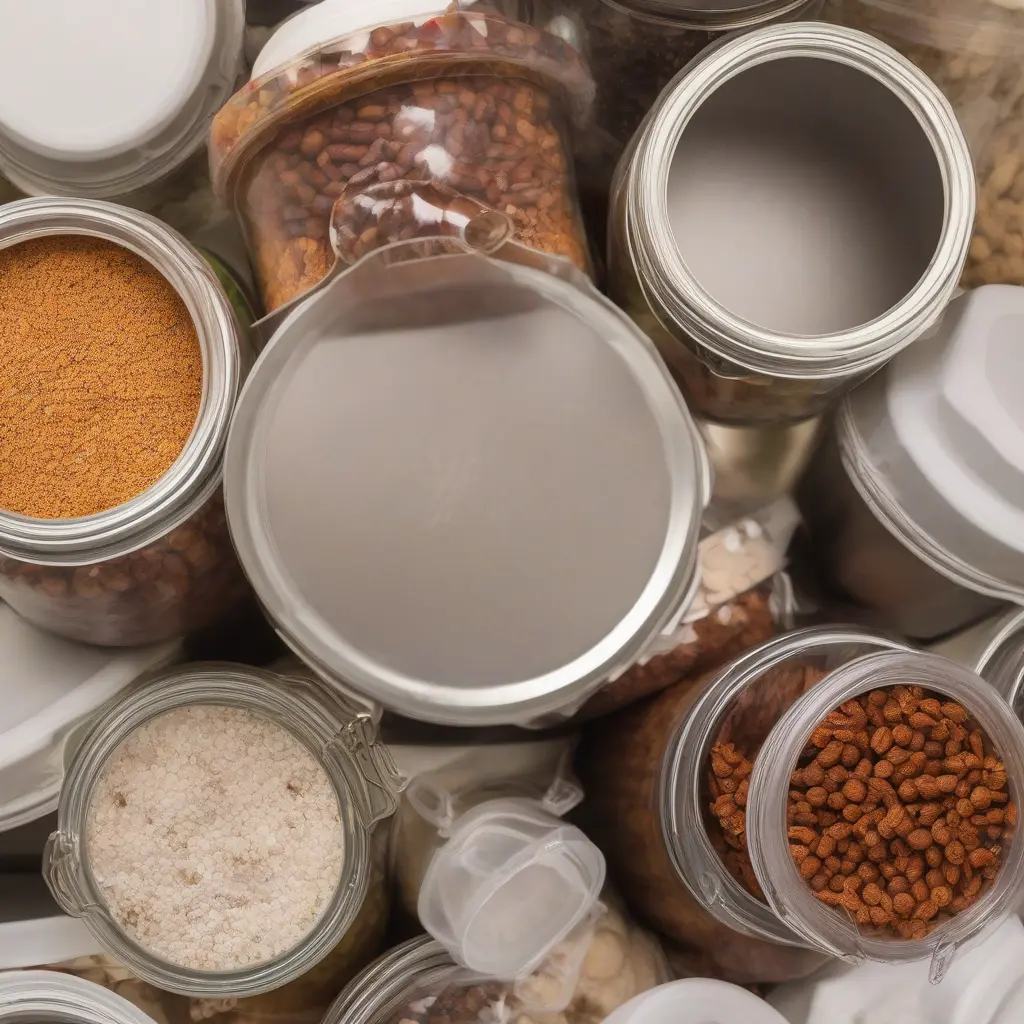
When selecting airtight containers for baby food, material choice is essential. Options include glass, BPA-free plastic, and stainless steel. Glass containers are non-toxic and easy to clean, ensuring that no harmful chemicals leach into the food. BPA-free plastics are lighter and less likely to break but should be checked for safety certifications. Stainless steel containers offer durability and insulation but might not be transparent, making it difficult to see the contents. Each material has its advantages, and parents should weigh these according to their needs.
Sealing Mechanisms: Finding the Best Options
The sealing mechanism of an airtight container significantly impacts its effectiveness. Look for containers with silicone gaskets or locking lids that create a tight seal, minimizing air exposure. Some containers feature one-handed locking systems, making them easy to use, particularly for busy parents. Properly sealed containers help keep baby food fresh longer, preventing spoilage. Understanding the various sealing options available enables parents to choose containers that fit their convenience and functional needs.
Size and Volume: Finding the Right Fit
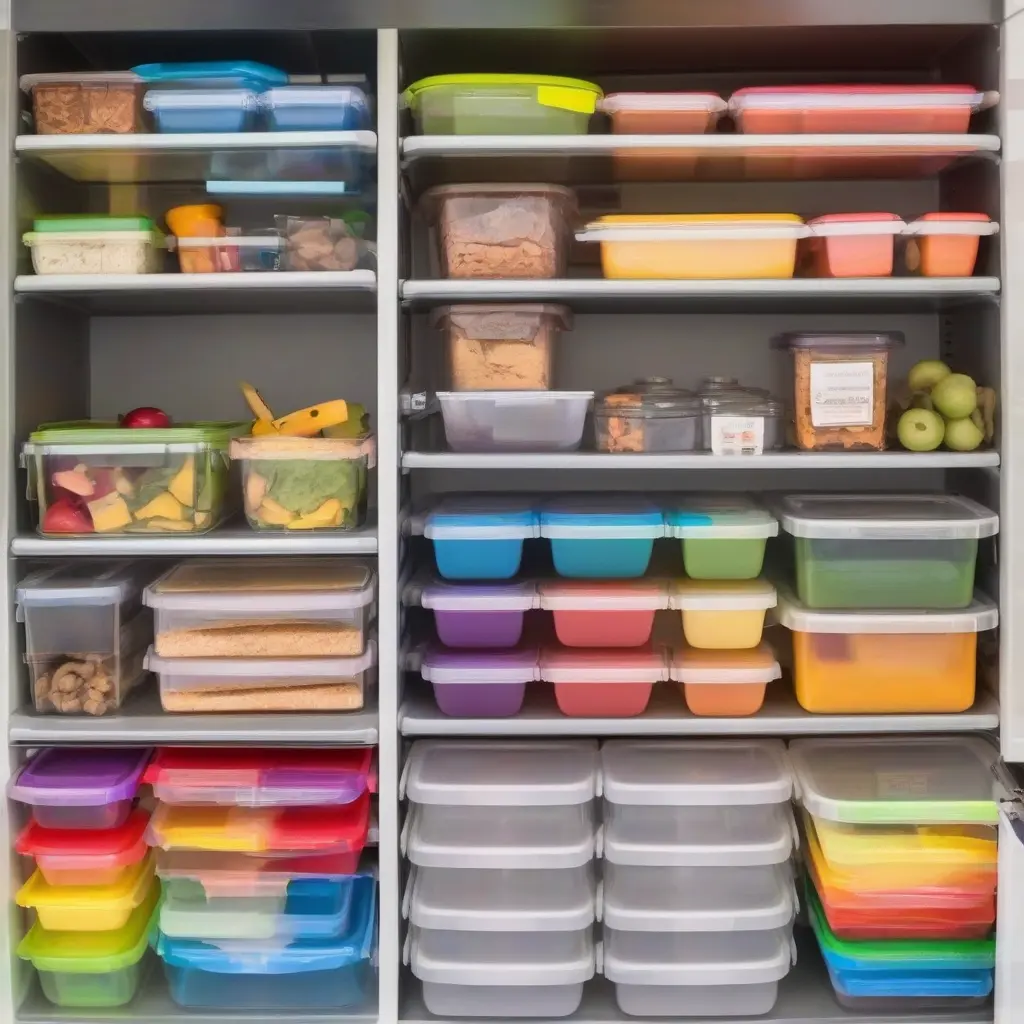
Choosing the right size and volume of airtight containers is crucial for baby food storage. Containers that are too large may allow excess air inside, while those that are too small may not accommodate portion sizes. It’s advisable to select various sizes to suit different food types and amounts. Having smaller containers for single servings and larger ones for batch storage can enhance flexibility. This ensures that parents can store leftovers or prepped meals efficiently without compromising on freshness.
Safety Certifications and Standards
Ensuring that airtight containers have appropriate safety certifications is critical, especially for baby food storage. Look for containers that are labeled as FDA-approved, BPA-free, and free from phthalates or other harmful chemicals. Certifications provide assurance that the materials used meet safety standards, protecting your baby from potential health risks. Familiarizing yourself with these certifications can help parents make smarter choices when purchasing storage solutions for their little ones.
Choosing Between Homemade and Store-Bought Containers
Parents often face the choice between making their own airtight containers or purchasing store-bought options. Homemade containers can be an economical choice if parents have the materials available, but they must ensure that these containers maintain airtight qualities and are safe for food storage. On the other hand, store-bought containers are specifically designed for food preservation and often come with clear labeling regarding materials and safety features. Evaluating both options can help parents find containers that suit their preferences and lifestyles.
Eco-Friendly Options for Sustainable Storage
For environmentally-conscious parents, eco-friendly airtight containers are becoming increasingly popular. Many brands now offer containers made from renewable resources, biodegradable materials, or recycled plastics. Using sustainable storage solutions not only helps reduce waste but also aligns with long-term health goals for families. Parents can select containers that are both safe for their babies and less harmful to the environment, making a positive impact while ensuring food safety.
How to Properly Clean and Maintain Containers
Proper cleaning and maintenance of airtight containers are crucial to ensure safety and functionality. Most containers are dishwasher safe, but hand washing is recommended for longevity. Thoroughly clean containers with warm soapy water, checking for any remaining food residue in seals or crevices. Regularly inspect the seals for wear and tear to ensure they remain effective. Implementing a consistent cleaning routine will help parents maintain the integrity of the containers, ensuring food stays fresh and safe for their babies.
Storing Baby Food: Best Practices
Adhering to best practices for storing baby food in airtight containers is essential for maintaining freshness and safety. Always ensure that the food is completely cooled before transferring it to containers to avoid condensation, which can promote mold growth. Label containers with dates and contents to keep track of freshness and to ensure the right food is utilized first. This systematic approach not only preserves the quality of baby food but also provides peace of mind for parents.
Conclusion
In summary, choosing the right airtight containers for baby food storage involves careful consideration of materials, sealing mechanisms, size, and safety standards. By understanding these factors and implementing best practices, parents can ensure their baby’s food remains fresh and safe. Investing in high-quality airtight containers is a step towards maintaining nutritional value and enhancing convenience in meal preparation, ultimately leading to a healthier start for their little ones.