Storing different types of lunch proteins correctly is essential for maintaining their freshness, flavor, and safety. Whether you’re packing chicken, fish, or vegetarian options, proper storage techniques can help you avoid spoilage and foodborne illnesses. This article provides detailed strategies for keeping your proteins fresh, which will not only enhance your daily meals but also save you time and reduce food waste. Understanding these methods allows you to enjoy nutritious lunches without the constant worry about perishability.
Understanding Different Lunch Proteins
Lunch proteins come in various forms, including meat, fish, dairy, and plant-based options. Each type has its unique storage requirements based on factors such as moisture content and bacterial growth potential. For example, raw meats and fish require colder temperatures to prevent spoilage, while dairy products may have different shelf-life considerations. Understanding these distinctions is crucial for determining how to store each protein type effectively, so you can serve delicious and safe meals.
Storing Cooked Chicken
Cooked chicken should be stored in airtight containers to prevent moisture loss and protect it from other odors in the fridge. Ideally, it should be refrigerated within two hours of cooking to prevent bacterial growth. For optimal freshness, consume it within three to four days. If you plan to keep it longer, freezing is an effective option. Just make sure to cool the chicken completely before wrapping it tightly in freezer-safe bags or containers.
Keeping Cooked Fish Fresh
To keep cooked fish fresh, it’s best to wrap it in aluminum foil or plastic wrap, ensuring it’s sealed tightly to prevent air exposure. Store the fish in the refrigerator for up to three days. If you have a larger quantity, consider freezing it, which can preserve it for several months. Always label your containers with the date to manage freshness effectively and avoid any unexpected spoilage.
Managing Ground Meat Storage
Ground meat, whether beef, pork, or turkey, has a shorter shelf life than whole cuts and should be used promptly. Refrigerate it in a sealed container and aim to use it within one to two days. If not consumed in this time frame, freezing is an excellent alternative. Ensure the ground meat is well packaged, ideally in vacuum-sealed bags, to prevent freezer burn and maintain flavor and texture.
Storing Tofu and Other Plant-Based Proteins
Tofu and other plant-based proteins can be stored in the refrigerator, ideally in water, to maintain moisture and prevent spoilage. Replace the water every couple of days for extended freshness, and aim to use within five to seven days after opening. For longer storage, consider freezing tofu, which alters its texture but can be beneficial for certain recipes. Always check the expiration date before consumption.
Storage Tips for Hard-Boiled Eggs
Hard-boiled eggs can be a convenient protein option for lunch; however, they should be stored properly to maintain freshness. Once cooked, refrigerate the eggs in their shells for up to one week. If you’ve already peeled them, place them in an airtight container with a damp paper towel to prevent them from drying out. Keeping them chilled and avoiding exposure to air will ensure they remain fresh and safe to eat.
Utilizing Food Wraps and Containers
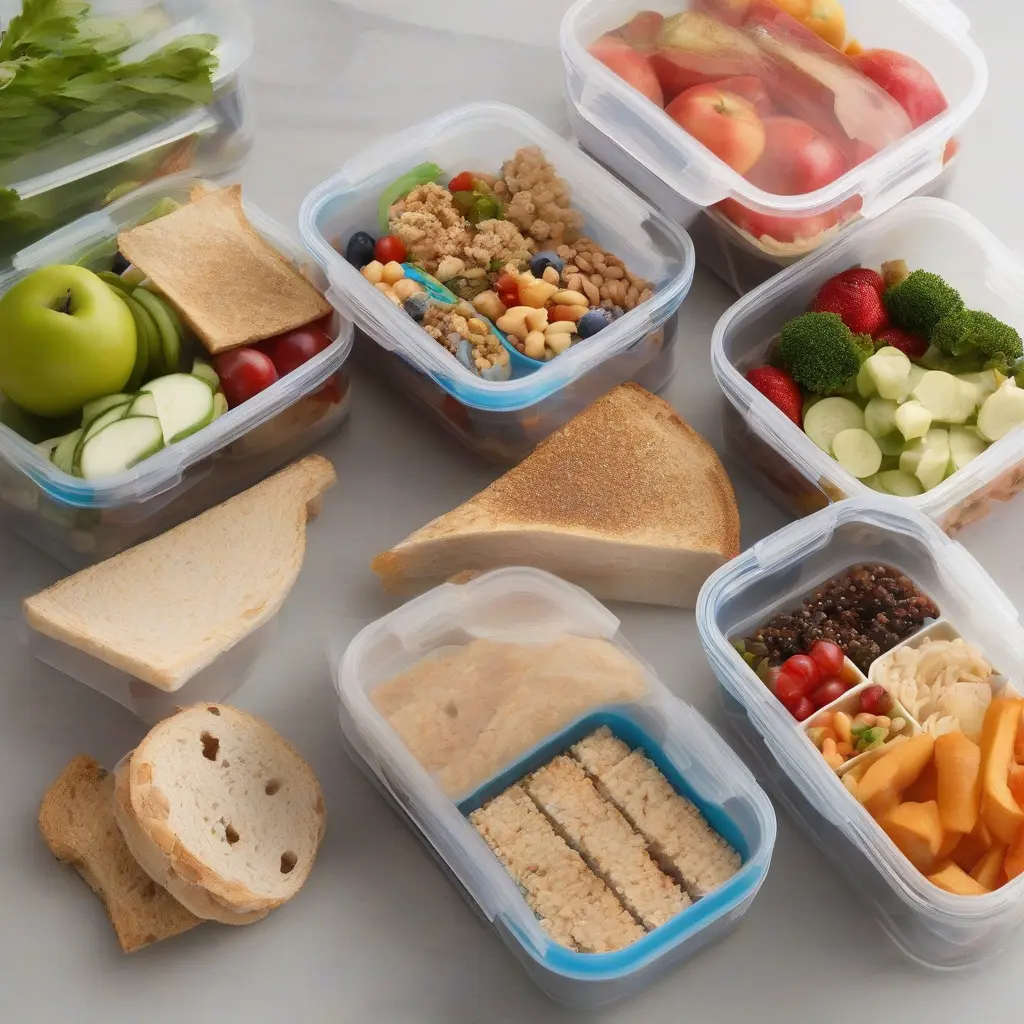
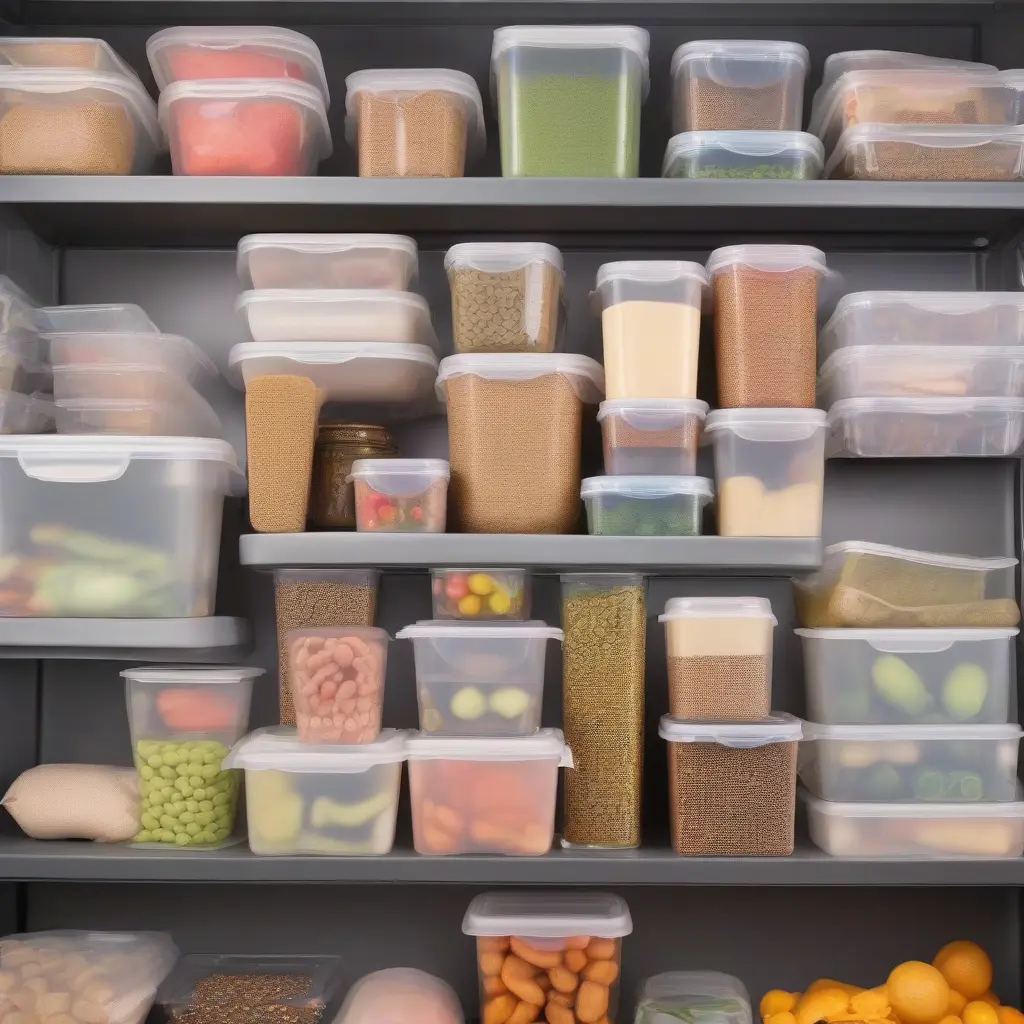
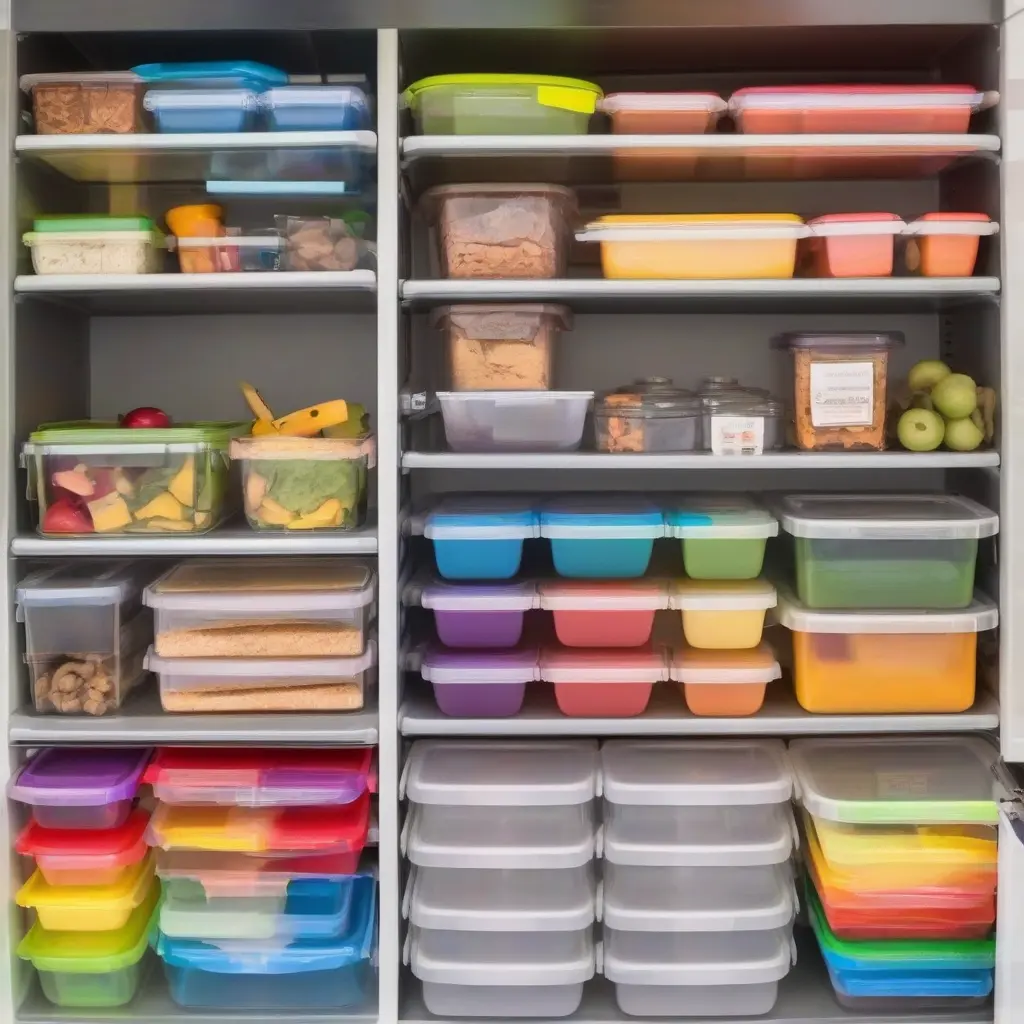
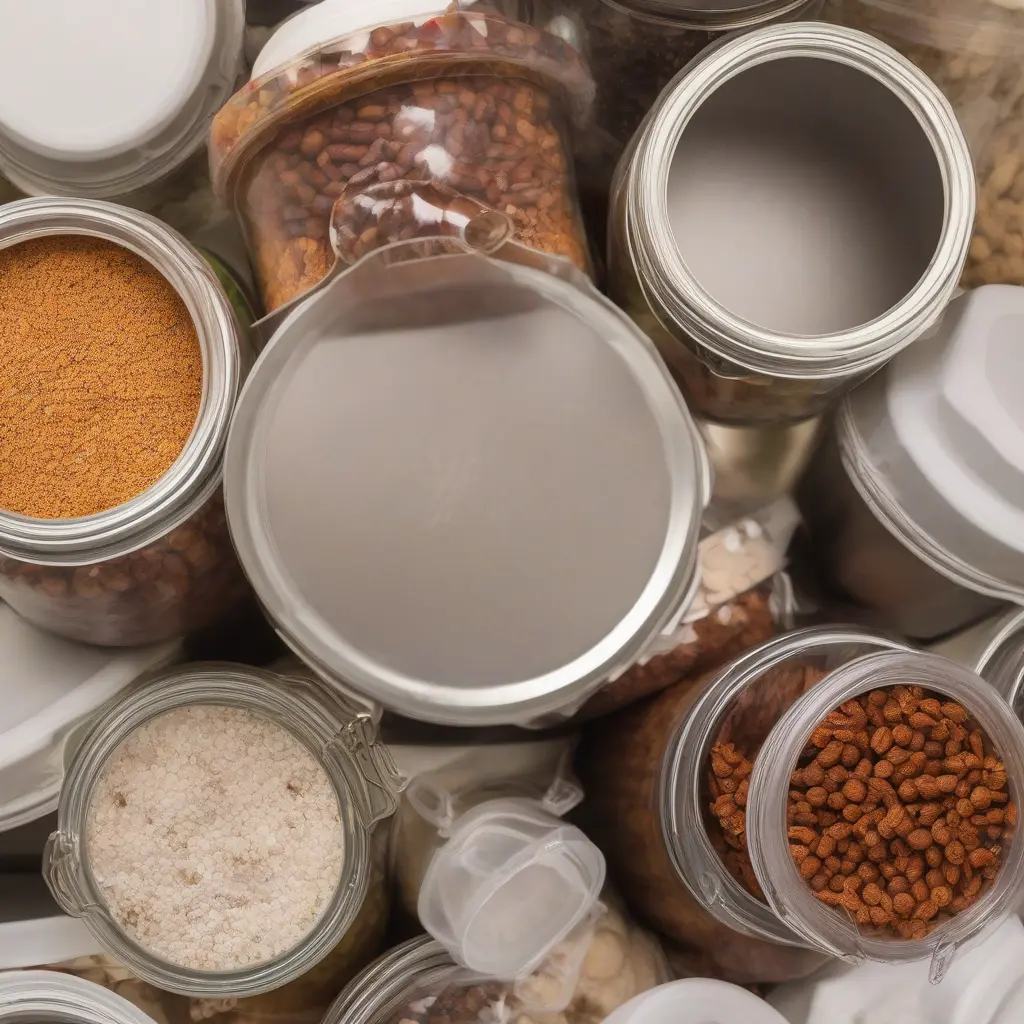
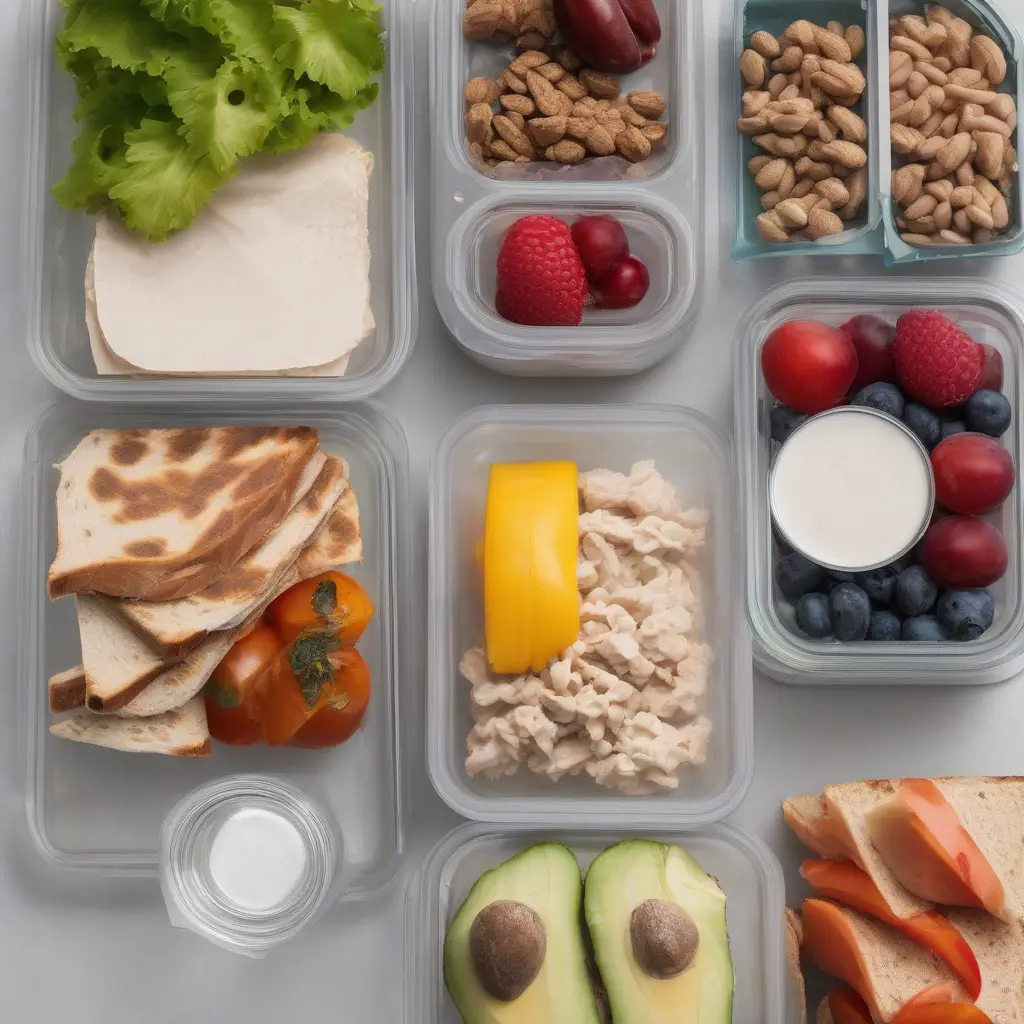
Choosing the right food wraps or containers is essential for storing lunch proteins effectively. Airtight containers, vacuum-sealed bags, and food wraps can help maintain the quality of your proteins by preventing air and moisture from causing spoilage. Always opt for BPA-free options when possible, and label containers with dates to keep track of how long the proteins have been stored. Proper wrapping can greatly extend their shelf life and protect against contamination.
Recognizing Signs of Spoilage
Knowing the signs of spoilage is crucial for food safety. For lunch proteins, monitor for unusual odors, discoloration, or a slimy texture. These indicators often signal that the protein is no longer safe to eat. If you notice any of these signs, it’s important to discard the food immediately. Additionally, checking expiration dates and practicing first-in, first-out (FIFO) storage can help prevent consuming spoiled proteins.
Best Practices for Freezing Proteins
Freezing can be an effective method to prolong the freshness of proteins when done correctly. When freezing, ensure that proteins are individually wrapped or placed in airtight containers to prevent freezer burn. Label each package with the date and type of protein for easy identification. Most proteins maintain quality in the freezer for several months, but it is best to consume them within three to six months for optimal taste and texture.
The Importance of Thawing Safely
Thawing proteins safely is a critical step in maintaining food safety and quality. The best method is to transfer the protein from the freezer to the refrigerator, allowing it to thaw gradually over several hours or overnight. Microwaving or submerging in warm water can lead to uneven thawing, increasing the risk of bacterial growth. Always cook thawed proteins prior to consuming them and never refreeze thawed items for safety reasons.
Conclusion
By understanding how to store various types of lunch proteins effectively, you can ensure optimal freshness and safety for your meals. Implementing the right storage techniques reduces waste and enhances your dining experience. Remember to keep an eye on expiration dates, recognize spoilage signs, and prioritize safe thawing methods. This knowledge empowers you to enjoy nutritious and delicious lunches at home or on the go.