Traveling often involves navigating tight schedules and finding suitable food options on the go. Using airtight containers for packing snacks and meals can significantly enhance your travel experience by keeping food fresh and organized. This article will delve into the best practices for selecting, using, and maintaining airtight containers, ensuring your snacks and meals are preserved, easy to access, and convenient for all types of journeys.
Why Choose Airtight Containers for Travel?
Airtight containers are essential for maintaining the freshness and taste of your food during travel. Unlike regular containers, airtight models prevent air and moisture from entering, reducing the risk of spoilage. This is particularly beneficial for perishable items like fruits, salads, or sandwiches. Additionally, these containers usually come with secure lids that help avoid leaks and spills, making them perfect for packing in your luggage or backpack. Ultimately, choosing airtight containers can save both time and money while ensuring you have nutritious meals and snacks on hand.
Selecting the Right Airtight Containers
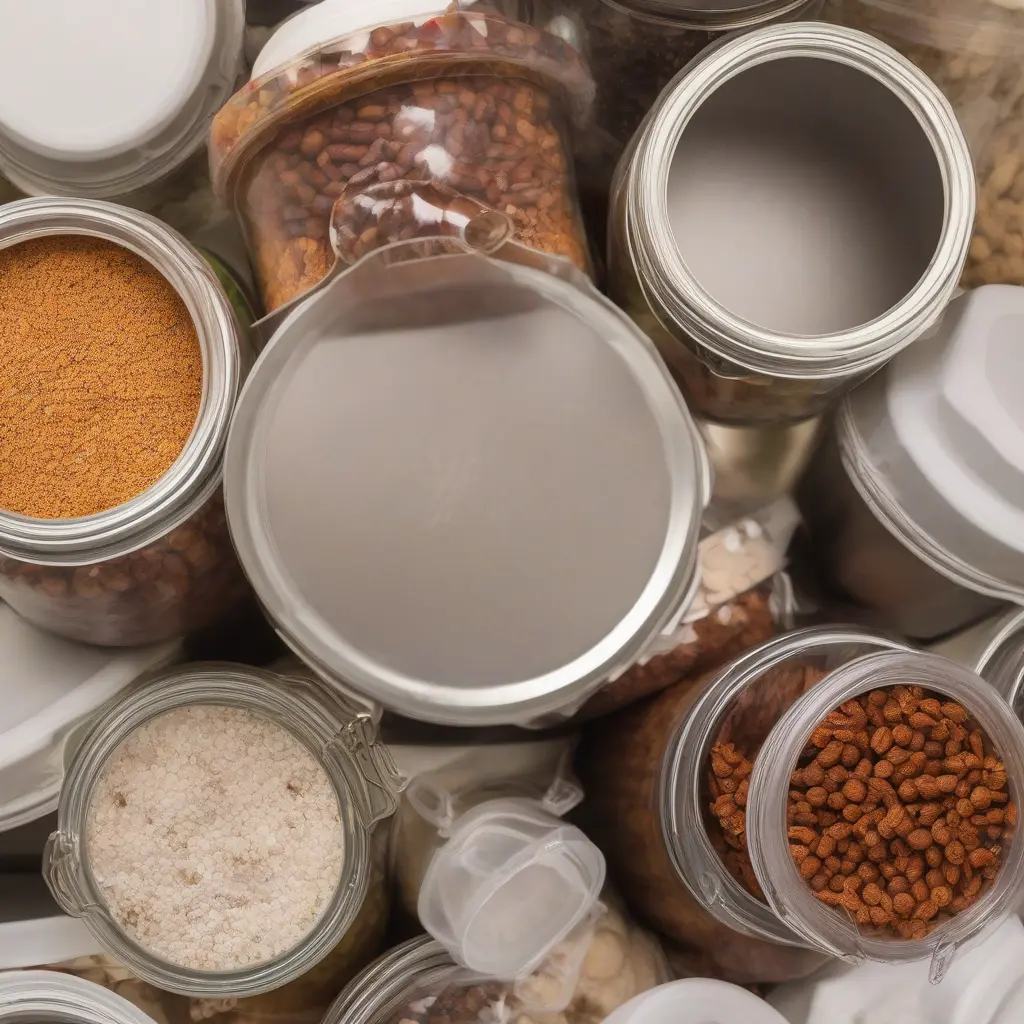
When choosing airtight containers for travel, consider factors like size, material, and portability. Lightweight plastics and glass are common choices, but each has its advantages. Plastic containers are often more portable and shatterproof, while glass containers can offer better insulation and heat resistance. Opt for various sizes to accommodate different types of snacks and meals. Look for containers with a clear design, as they allow for easy visibility of contents. Additionally, ensure they are BPA-free for safety, especially when packing food.
Insulation and Temperature Control
For longer journeys, especially those involving hot or cold foods, consider insulated airtight containers. These containers can maintain the temperature of your food for extended periods, ensuring that meals remain at optimal temperatures until consumed. Whether you are packing a warm pasta dish or a chilled salad, insulated containers are versatile. Using them helps avoid food safety issues that arise when food is left at room temperature for too long, contributing to a healthier travel experience.
Best Practices for Packing Snacks
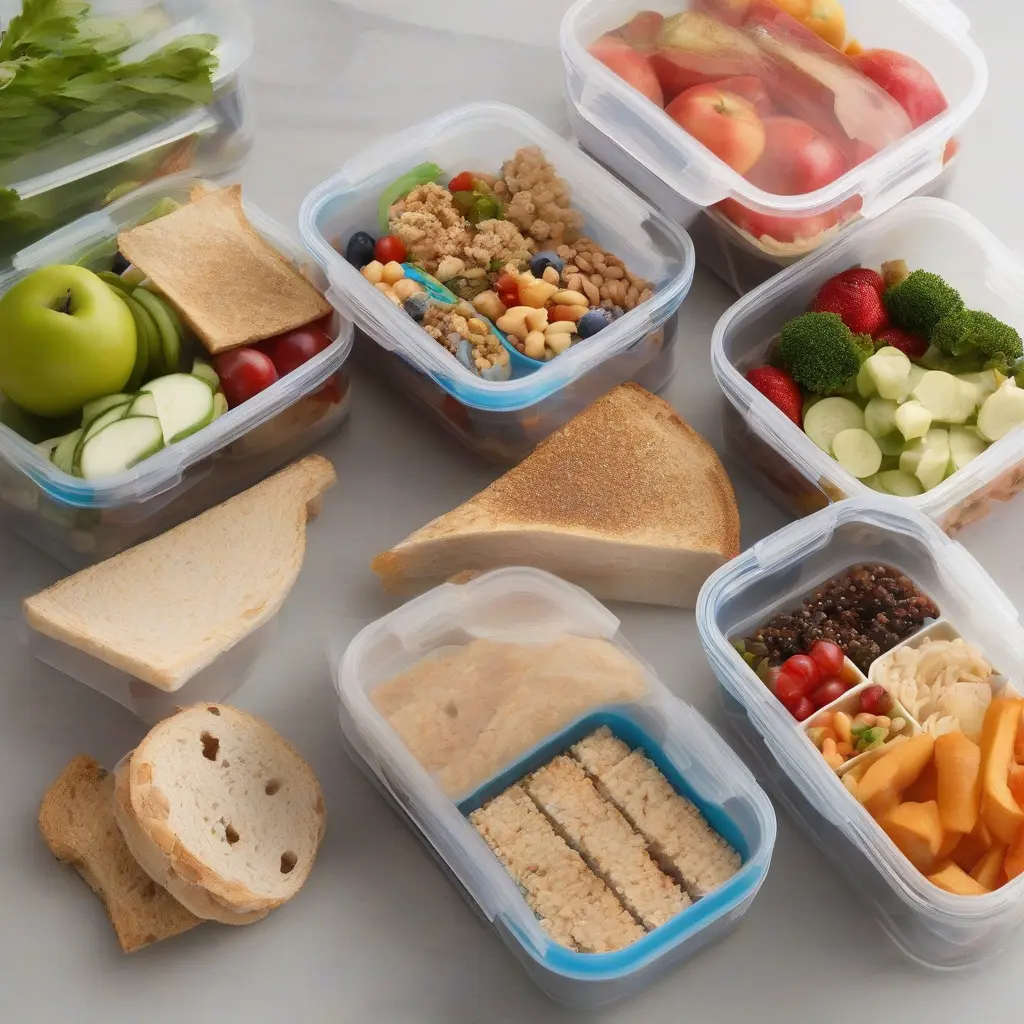
When packing snacks in airtight containers, organization is key. Start by portioning out snacks into individual servings, which makes it easier to grab and go. Label each container with the contents and date packed to keep track of freshness. For crunchy items, such as chips or crackers, consider using layers of parchment paper to minimize crushing. Be mindful of moisture-sensitive snacks; including a small desiccant sachet can help absorb excess moisture and maintain texture. This approach keeps your travel snacks enjoyable and appealing.
Packing Complete Meals Efficiently
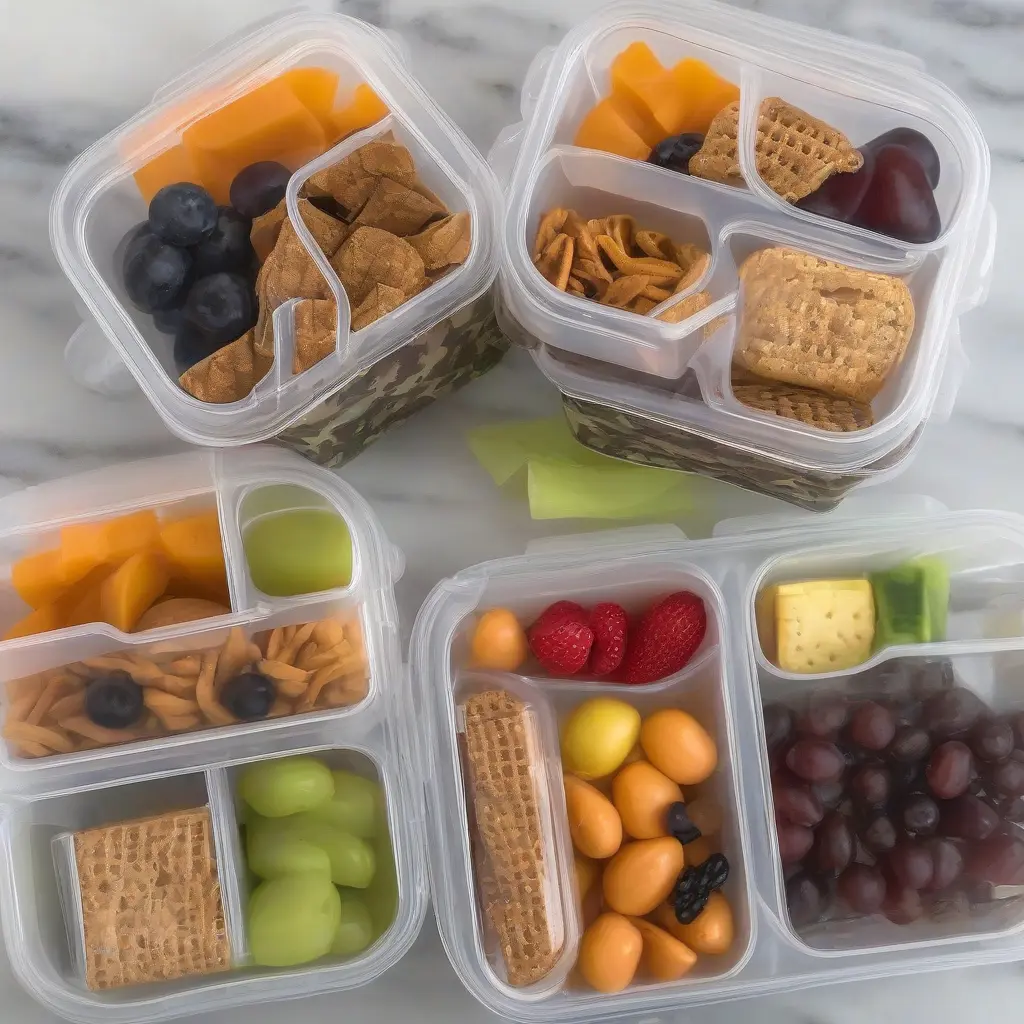
Packing complete meals in airtight containers requires careful planning to ensure variety and freshness. Opt for meal prep containers that have compartments or dividers to keep different foods separate, preventing sogginess and mixing flavors. Pre-cook meals and allow them to cool before packing to maintain their integrity. It’s beneficial to freeze meals beforehand, allowing them to gradually thaw during transit. Also, consider using sauces or dressings in separate, small airtight containers to keep them fresh until it’s time to eat.
Cleaning and Maintaining Airtight Containers
Proper cleaning and maintenance of your airtight containers are crucial to prolong their lifespan and ensure food safety. Most containers are dishwasher safe, but it’s advisable to check the manufacturer’s instructions. Hand washing with warm soapy water is often safer for plastic containers to avoid potential warping. Always dry them thoroughly before storing to prevent mold or odors. Inspect the seals regularly for wear and tear; replacing worn out seals will maintain their airtight properties and prevent leaks.
Storing Leftover Snacks and Meals
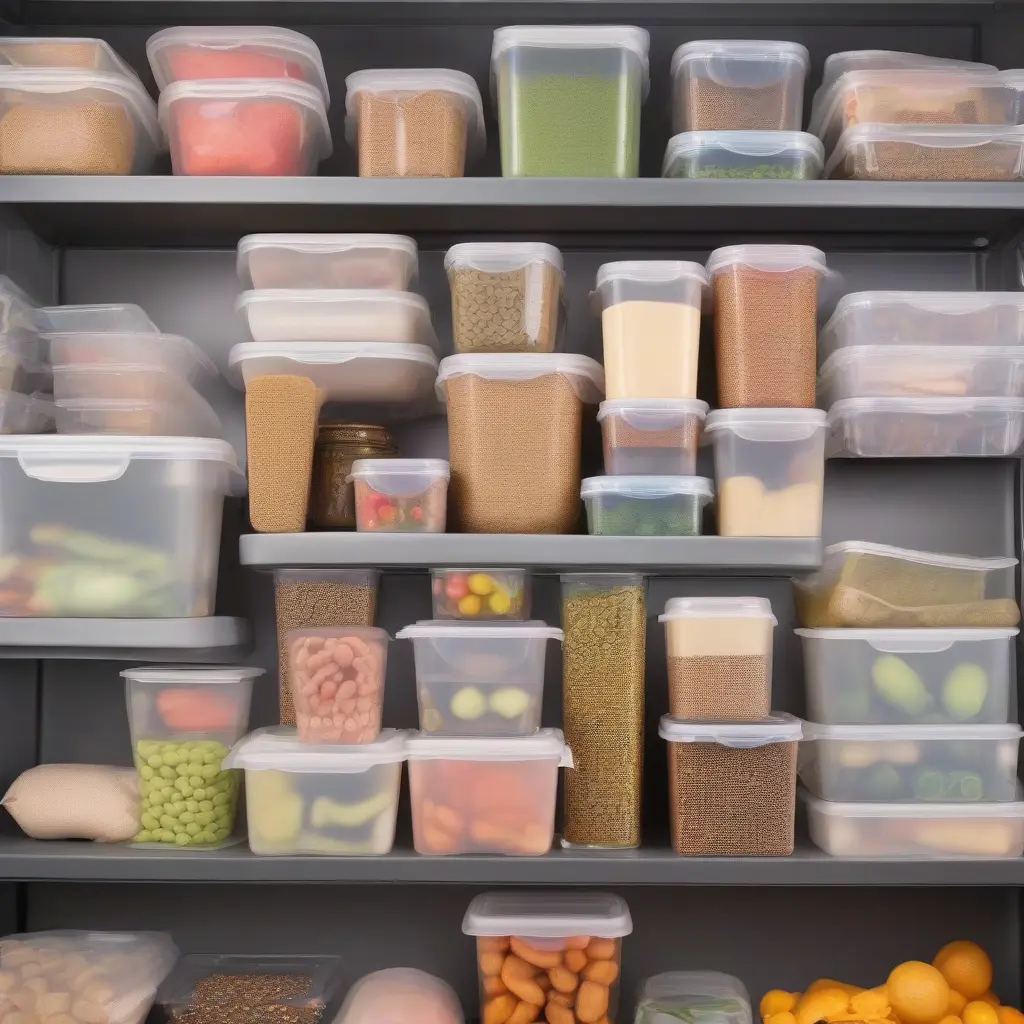
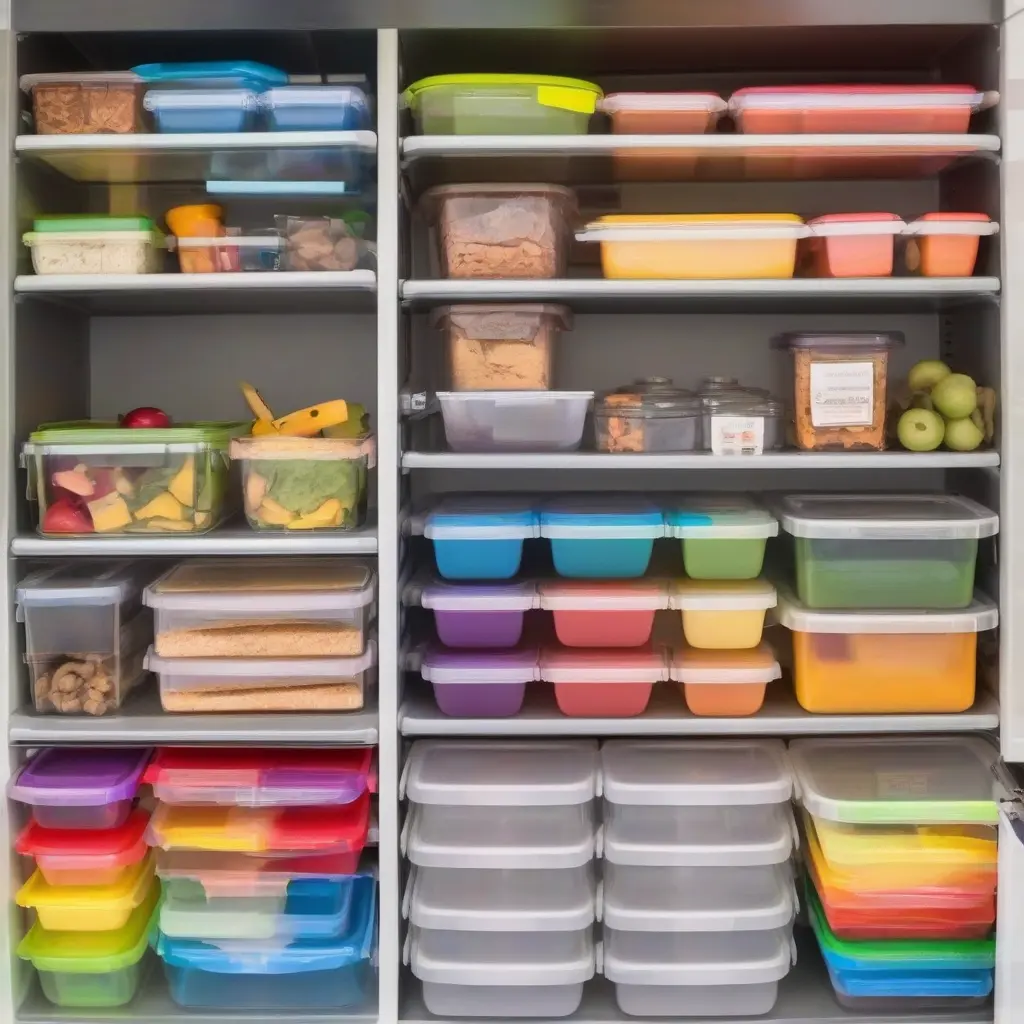
After a trip, proper storage of leftover snacks and meals in airtight containers is essential to preserve freshness. Allow food to cool to room temperature before sealing to avoid condensation inside the container. Label each container with the contents and date for easy identification later. Store the containers in a cool, dry place, ideally at refrigerator temperatures if necessary. Using transparent containers can aid in quickly identifying items, which helps reduce food waste and ensures you make the most of your leftovers.
Traveling with Airtight Containers: Compliance and Regulations
When traveling, especially via air, it’s important to be aware of regulations regarding food storage and transportation. Each airline has specific guidelines on carrying food items, including container sizes and types. Airtight containers are generally permissible, but check if they will fit comfortably in your carry-on luggage or backpack. Be cautious with liquids, as they may be subjected to additional restrictions. If you are planning a road trip, ensure your containers are secure to prevent spills and make it easier to access snacks and meals as needed.
Finding Airtight Containers on a Budget
Airtight containers come in various price ranges, making it possible to find options that fit most budgets. Discount stores, online retailers, and even garage sales can provide affordable choices. Consider purchasing sets, which may offer savings compared to individual pieces. Look for seasonal sales, special promotions, or store loyalty discounts to maximize savings. Investing in durable, high-quality airtight containers can also save money over time by preventing food waste through spoilage.
Conclusion
Using airtight containers for travel greatly enhances the experience of snacking and meal consumption on the go. By selecting the right containers, practicing effective packing techniques, and maintaining food safety, you can enjoy fresh, nutritious meals during your journeys. Following these best practices not only makes travel more enjoyable but also promotes a healthier lifestyle, making it easier to stick to dietary goals, no matter where life takes you.