Keeping your meal prep fresh throughout the week can significantly enhance your lunchtime experience. By using effective lunch storage strategies, you can ensure that your meals remain flavorful and nutritious, saving time and reducing food waste. This article provides comprehensive tips on how to select the right containers, store various types of food, and organize your meals for the week, so you can enjoy your lunch without compromise.
Choosing the Right Containers for Meal Prep
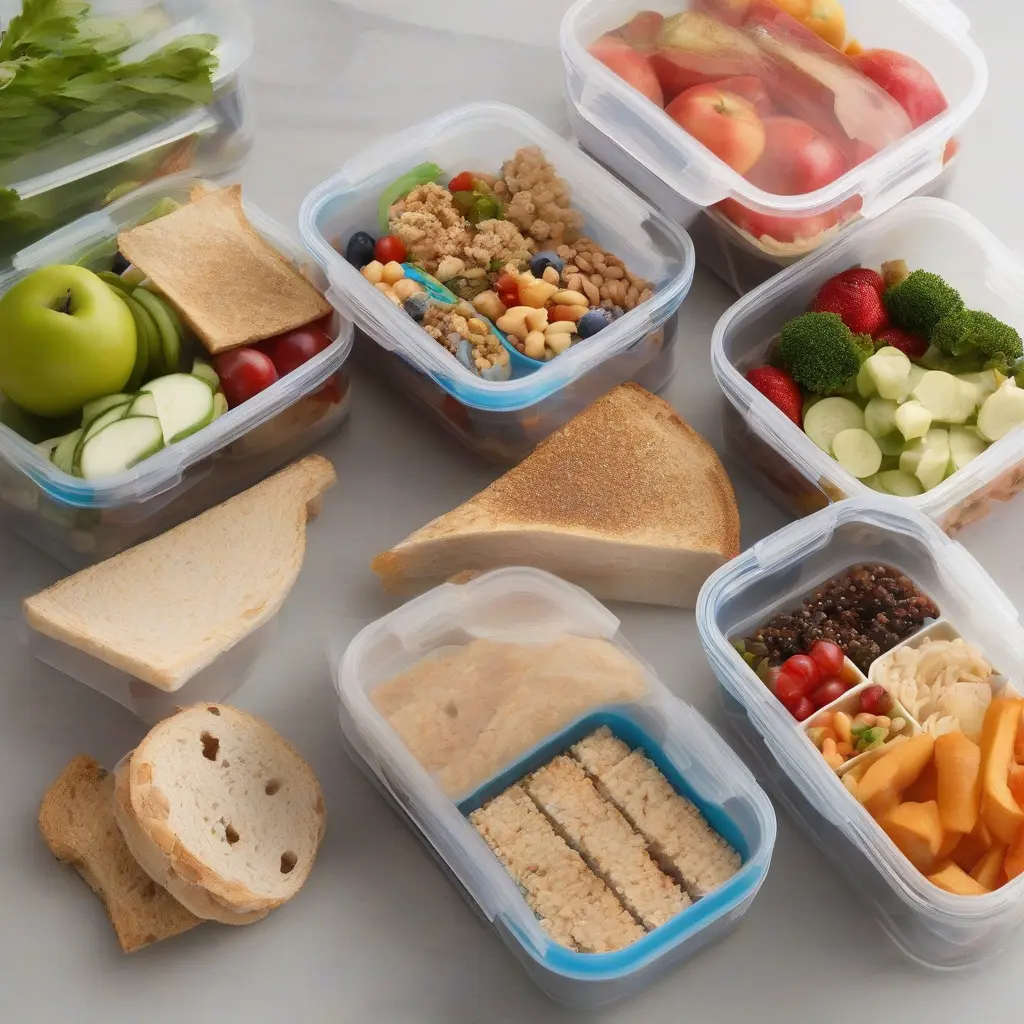
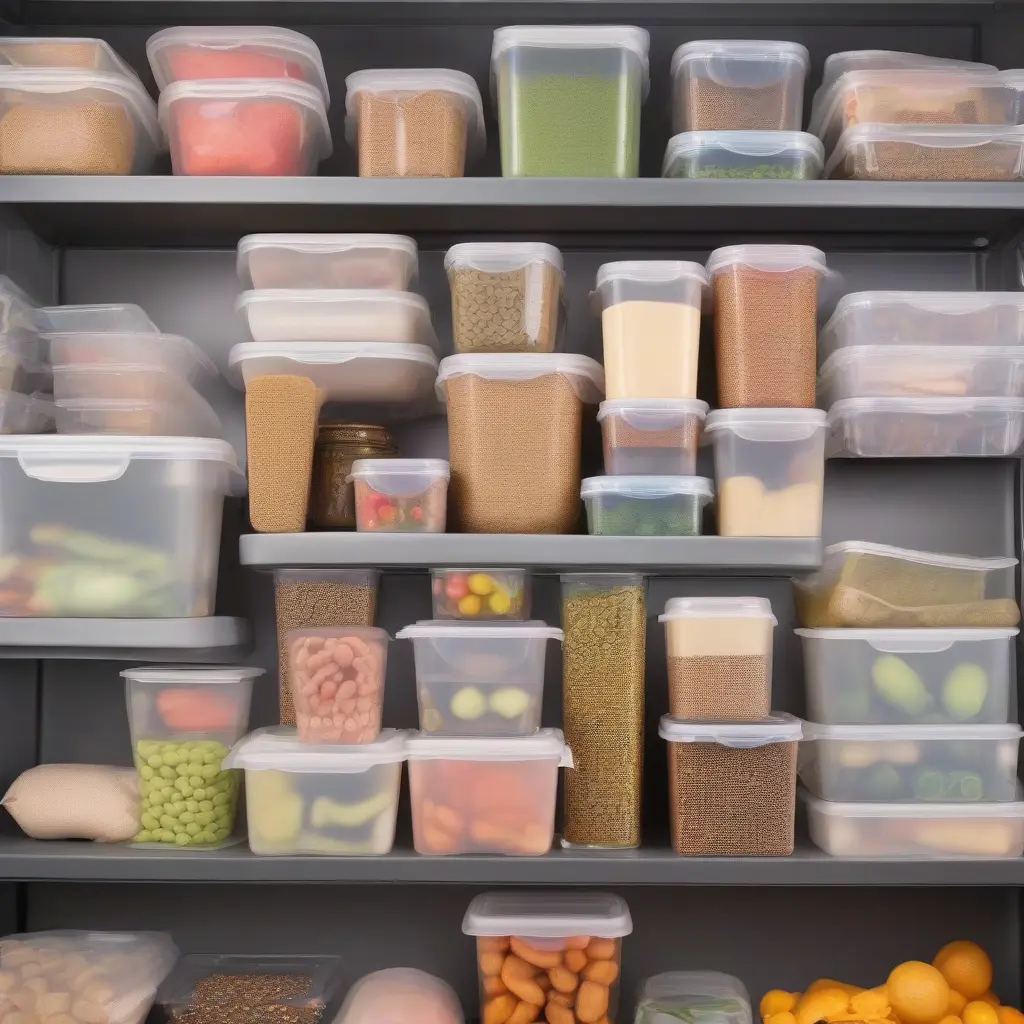
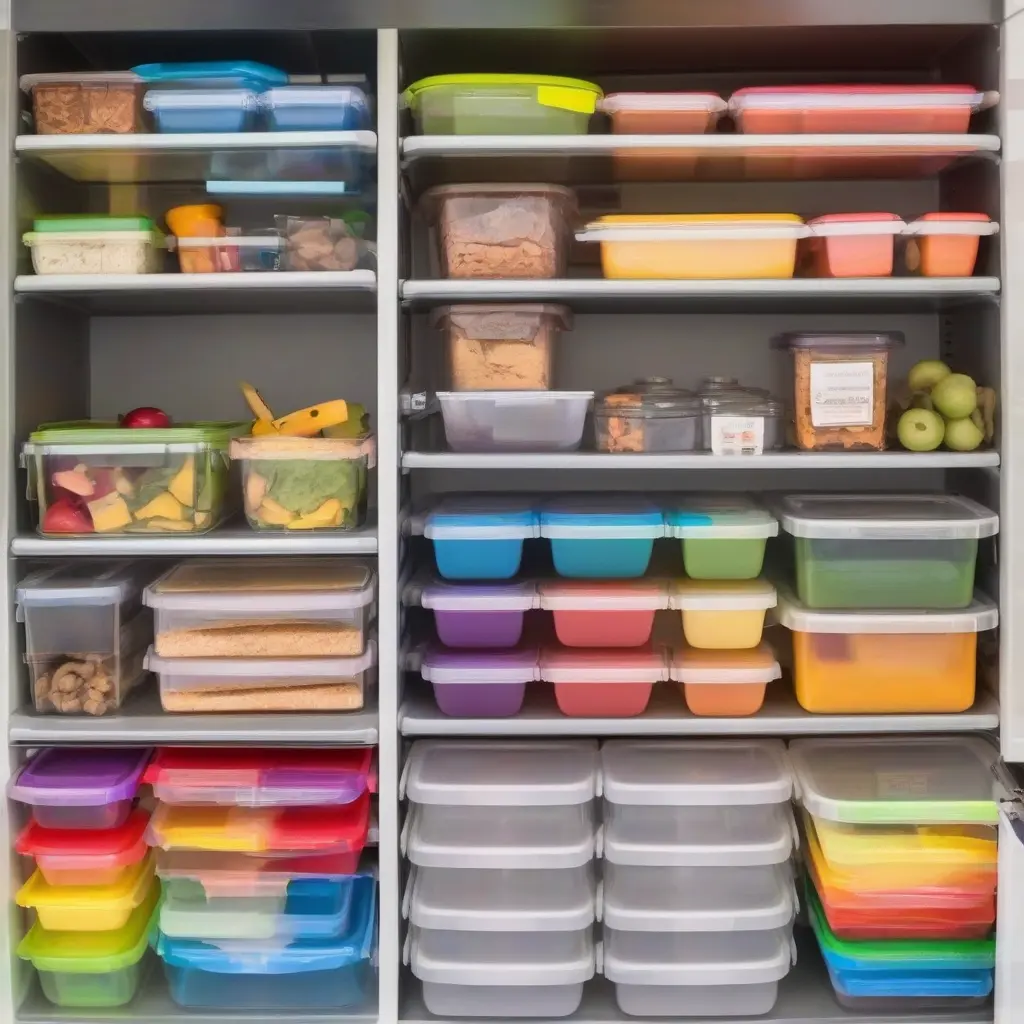
Selecting the appropriate containers is a key factor in keeping your meal prep fresh. Opt for airtight, BPA-free containers made of glass or high-quality plastic to prevent leakage and preserve flavor. Also, consider different container sizes for various foods; larger ones for salads or grains and smaller ones for side dishes or dressings. Additionally, stackable options can save space in your refrigerator while ensuring easy access to your meals during the week.
Understanding Food Storage Temperature
Food temperature plays a crucial role in maintaining freshness. Store prepped meals in the refrigerator at 40°F (4°C) or below to inhibit bacterial growth. For foods that are best served warm, consider using insulated containers that maintain heat until lunchtime. For longer storage, freezing is also a viable option; however, be mindful of thawing methods to prevent soggy textures. Proper temperature control not only keeps your food fresh but also contributes to food safety.
Separating Ingredients for Optimal Freshness
To maintain the flavor and texture of prepped meals, consider separating ingredients when storing lunch. For example, keep dressings separate from salads to prevent sogginess. Similarly, store grains and proteins apart until serving time. This separation helps prevent moisture loss and flavor fading, allowing you to enjoy your meals as they were intended. Use smaller containers or compartments within larger ones to achieve this and keep everything organized.
Labeling Containers for Easy Identification
Labeling your meal prep containers is an excellent way to stay organized throughout the week. Use waterproof markers or labeling stickers to note the contents and date of preparation. This practice not only helps in identifying meals at a glance but also ensures that you consume them within their optimal freshness range. Labeling can significantly reduce waste and make it easier to manage your meal plans effectively.
Utilizing Vacuum Sealing for Longer Storage
Vacuum sealing is a powerful method for keeping your prepped meals fresh for extended periods. By removing air from the packaging, you reduce oxidation, which slows down spoilage. Ideal for meats, vegetables, and cooked grains, vacuum sealing can extend the shelf life significantly compared to traditional containers. This method not only helps preserve taste but also aids in maintaining the nutritional value of your meals.
Incorporating Fresh Ingredients Last
When preparing meals for the week, incorporate fresh ingredients last to ensure maximum flavor and nutritional benefits. For instance, wait to add fresh herbs, certain vegetables, or fruits until just before serving. This approach not only keeps your meals vibrant but also prevents wilting or browning that can occur when mixed ahead of time. By timing your additions, you enhance the overall quality of your week’s meals.
Planning a Balanced Meal Prep Strategy
A balanced meal prep strategy is essential for maintaining variety and nutrients throughout the week. Plan your meals with a mix of proteins, carbohydrates, and vegetables to satisfy hunger and nutrient needs. Incorporate different cuisines or flavors daily to avoid monotony. Keeping a meal prep rotation helps to ensure that you are not consuming the same dish repeatedly, which can lead to reduced enjoyment of your meals.
Utilizing Freezer-Friendly Meals
Freezer-friendly meals are an excellent solution for those who want to prepare food in advance without compromising freshness. Foods like soups, stews, and casseroles freeze well and can be portioned into individual servings. Make sure to use freezer-safe containers and leave some space at the top for expansion during freezing. When stored properly, these meals can be an easy grab-and-go option, ensuring you always have something healthy on hand.
Maintaining Cleanliness and Hygiene
Hygiene plays a vital role in food storage and overall food safety. Always clean containers thoroughly before using them to prevent contamination. Store cooked meals separately from raw ingredients, and use different utensils for each to avoid cross-contamination. Regularly check your stored meals for any signs of spoiling and discard anything that looks or smells off. These practices help in keeping your meal prep safe and enjoyable.
Using the Right Storage Techniques
Employing the right storage techniques can notably impact the freshness of your meal prep. Utilize techniques such as blanching vegetables before freezing to preserve color and nutrients. Layering items in a container can also be beneficial; for example, placing heavier ingredients at the bottom and lighter ones on top. Ensure that leftovers cool down before sealing them in containers to prevent condensation, which can lead to spoilage.
Conclusion
Implementing effective lunch storage tips is essential for maintaining a week’s worth of freshly prepped meals. By selecting the right containers, understanding storage temperature, and incorporating organization strategies, you can significantly enhance the quality of your meals. These tips not only reduce waste but also save time and ensure that you enjoy nutritious, delicious lunches every day.