Properly storing leftovers can make a significant difference in enjoying delicious and safe lunches throughout the week. Many people tend to overlook the importance of effective food storage, leading to waste or spoiled meals. Understanding how to store your leftovers correctly not only helps in preserving flavor and texture but also minimizes food safety risks. This guide will provide essential tips and tricks to ensure your leftovers remain tasty and safe to eat, helping you to savor every bite of your meal prep.
Choose the Right Containers
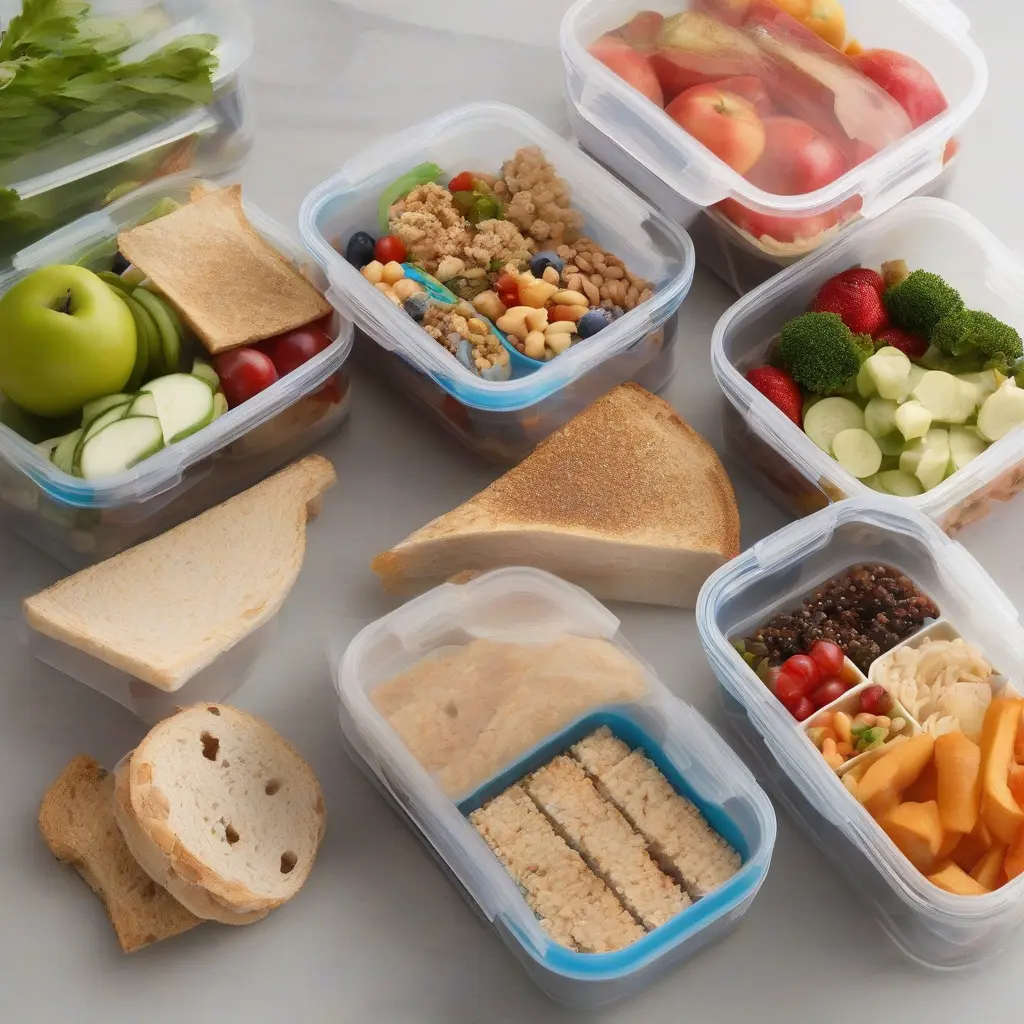
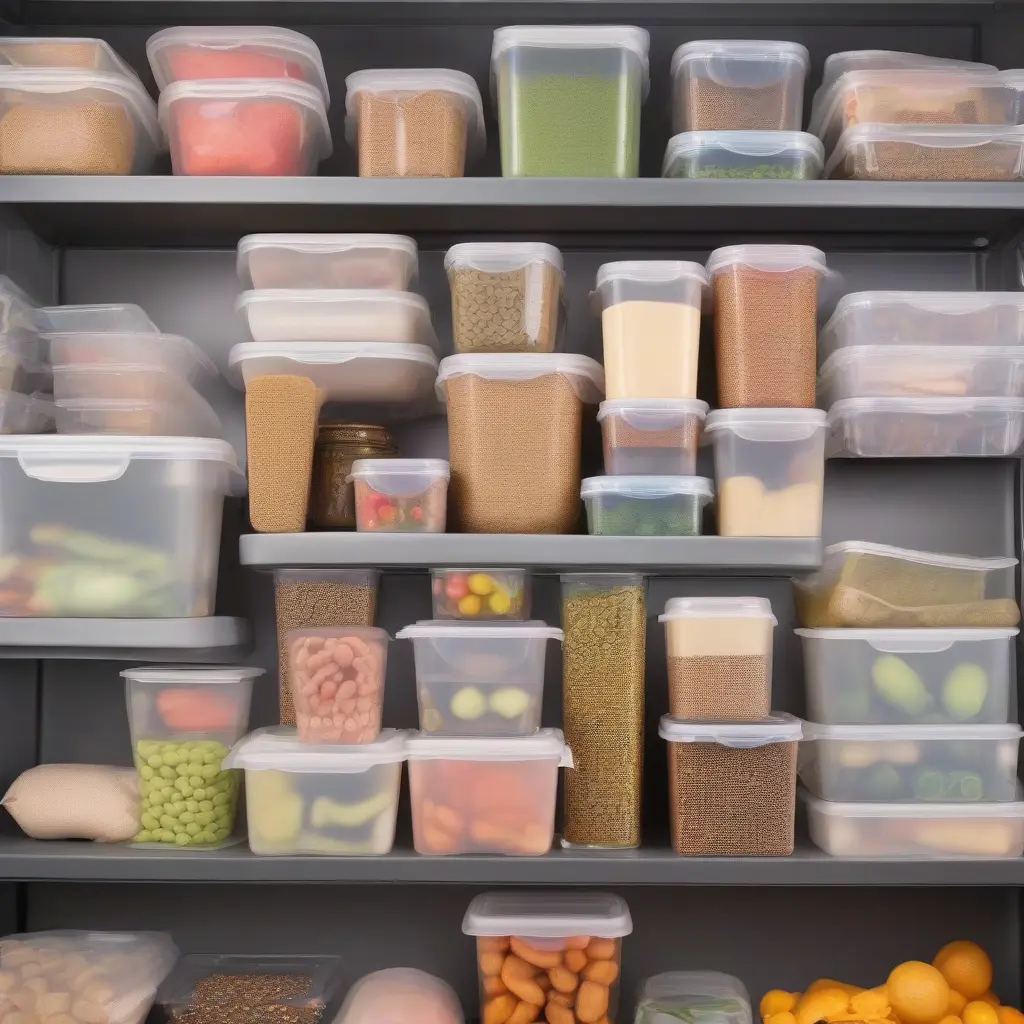
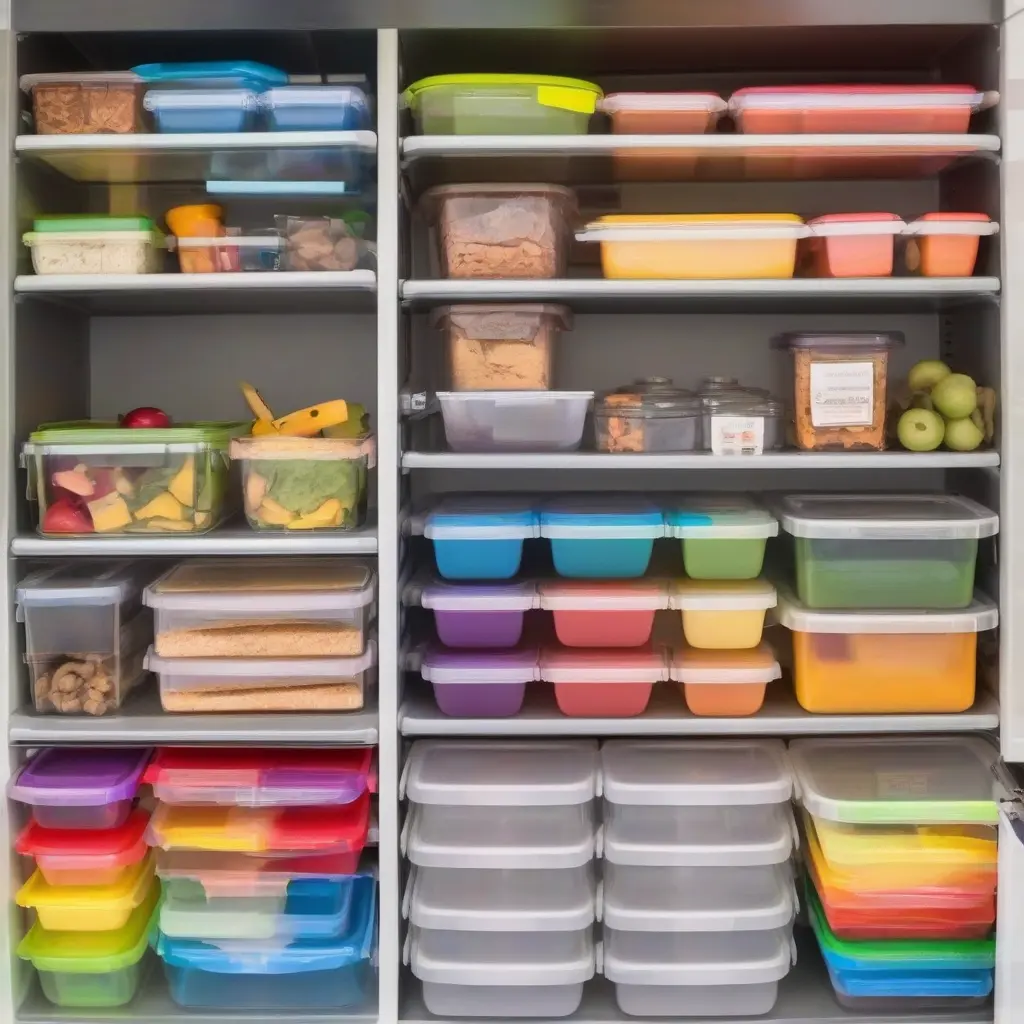
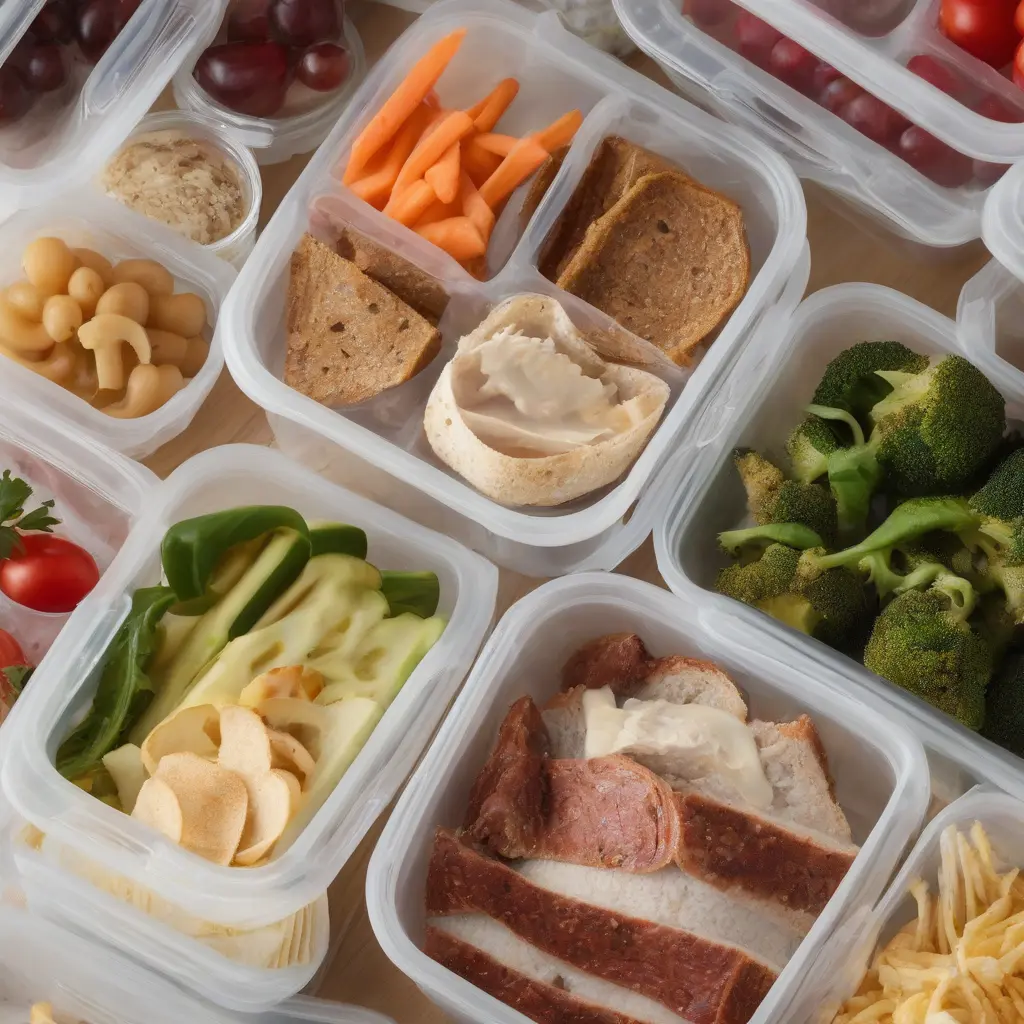
Selecting the right containers is crucial for preserving the quality of your leftovers. Glass containers are often recommended, as they are non-reactive, easy to clean, and microwave-safe. On the other hand, BPA-free plastic containers can be lightweight and convenient for transport. Ensure that your containers have tight-fitting lids to prevent moisture loss and reduce exposure to air, which can cause spoilage. It is wise to choose sizes that match portion control needs if you’re planning specific lunches, ensuring no food is wasted.
Cool Before Storing
Allow your leftovers to cool to room temperature before storing them. Placing hot food directly into containers can raise the temperature inside, promoting bacterial growth. Ideally, let the food sit out for about 30 minutes, then transfer it to the fridge or freezer. If you’re in a hurry, you can spread the leftovers on a plate to facilitate faster cooling. Cooling food quickly aids in maintaining both safety and flavor, ensuring your meals retain their delicious taste when you’re ready to eat.
Label Your Leftovers
Labeling your leftovers is a simple yet effective method to keep track of what you have stored. By using masking tape or adhesive labels, include the name of the dish and the date it was prepared. This will help you avoid confusion and ensure that your meals are eaten within a safe timeframe. Proper labeling prevents food waste by reminding you when leftovers are nearing their expiration and also assists in meal planning for the week ahead.
Utilize Airtight Sealing Techniques
Using airtight sealing techniques is essential for preserving the freshness of your leftovers. Consider using vacuum sealers or cling wrap to eliminate excess air before sealing containers. This step helps to prevent freezer burn or oxidation, which can alter the food’s taste and texture. If using plastic wrap, ensure it is tightly wrapped around the food and container edges. Airtight sealing not only extends the longevity of your meals but also keeps them tasting fresh and flavorful.
Store at Proper Temperatures
Maintaining proper storage temperatures is vital for food safety. Refrigerators should be set at or below 40°F (4°C), while freezers should be at 0°F (-18°C) or lower. Using a food thermometer can help you monitor these temperatures effectively. Avoid leaving food out at room temperature for more than two hours, as this can allow harmful bacteria to grow. By keeping your foods at the right temperatures, you not only ensure food safety but also enhance the shelf life of your delicious leftovers.
Know How Long to Keep Leftovers
Understanding how long to keep your leftovers is crucial in preventing foodborne illnesses. Generally, most cooked leftovers can be safely stored in the refrigerator for 3 to 4 days. If you want to store them for a longer period, freezing is a great option, with most foods remaining safe for up to three months. However, the quality might diminish over time. Establishing a system for tracking the age of your stored food helps ensure you consume it while it’s still at its best.
Reheat Food Safely
Reheating food safely is just as important as storing it properly. When reheating leftovers, ensure they reach an internal temperature of 165°F (74°C) to kill any potential bacteria. You can use a food thermometer for accuracy. If using a microwave, cover the container to allow even heating and stir the food midway for uniform temperature. Reheating in small portions can also be beneficial, avoiding multiple reheating sessions which can degrade food quality. Keeping these practices in mind offers you delicious and safe lunches.
Incorporate Leftovers in New Recipes
Reinventing your leftovers by incorporating them into new recipes can help reduce food waste and enhance meal variety. For example, leftover vegetables can be added to soups or stir-fries, and stale bread can be transformed into breadcrumbs or croutons. By being creative with your meal prep, you can enjoy different flavor profiles while ensuring that nothing goes to waste. This strategy not only saves money but also allows you to explore new culinary combinations using ingredients you already have.
Avoid Overpacking Containers
Overpacking containers can lead to uneven cooling and reheating of your food, potentially compromising safety and quality. Leave some space in your containers to allow for proper airflow and even distribution of heat. Instead of cramming in more food, consider using multiple smaller containers. This approach not only ensures that your meals heat evenly but also accommodates various portion sizes, making it easier to grab what you need for lunch without having to remove items and risk spoilage.
Conclusion
Properly storing leftovers is essential for both food safety and enjoyment. By implementing the tips and tricks outlined, you can maximize the quality and longevity of your meals, minimizing waste. Effective storage, labeling, and reheating techniques not only enhance your culinary experience but also save time and money. With these strategies in mind, you can savor delicious, convenient lunches throughout the week, ensuring that no meal goes to waste.