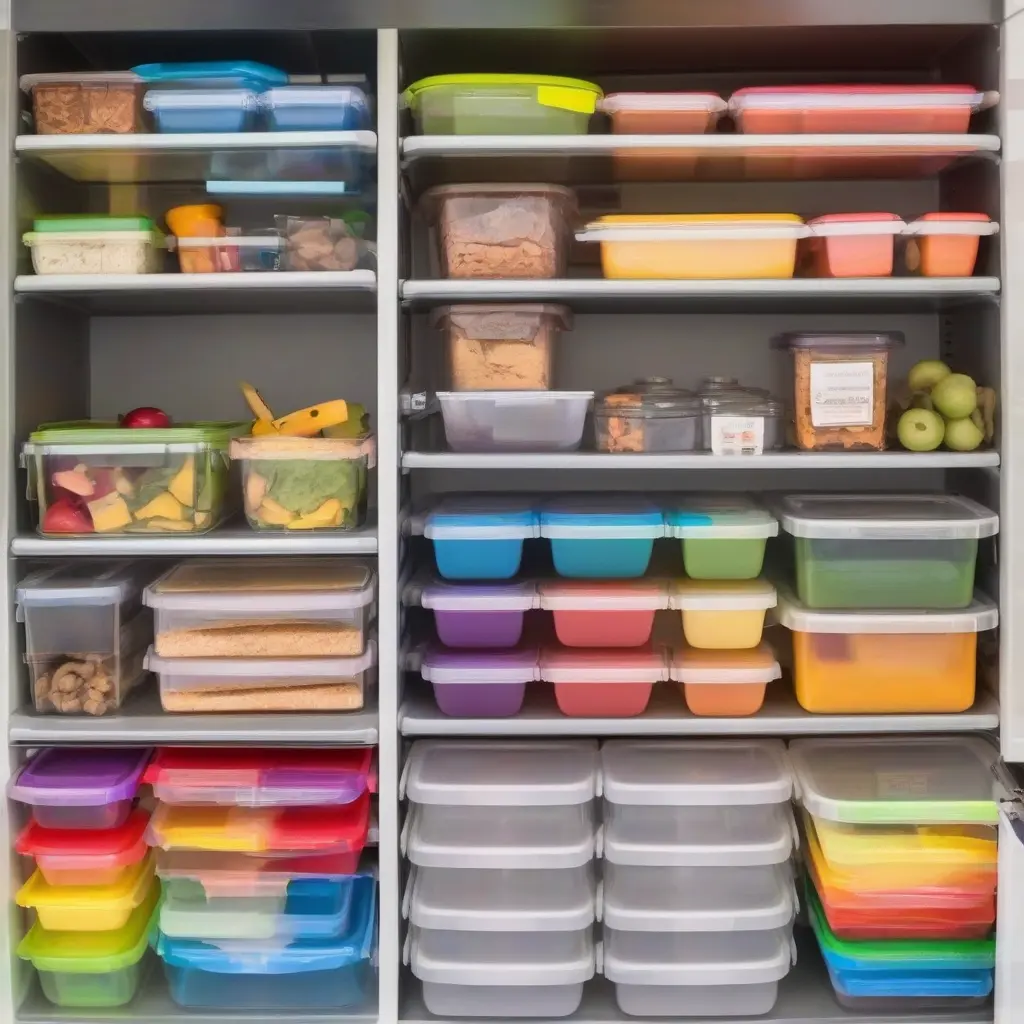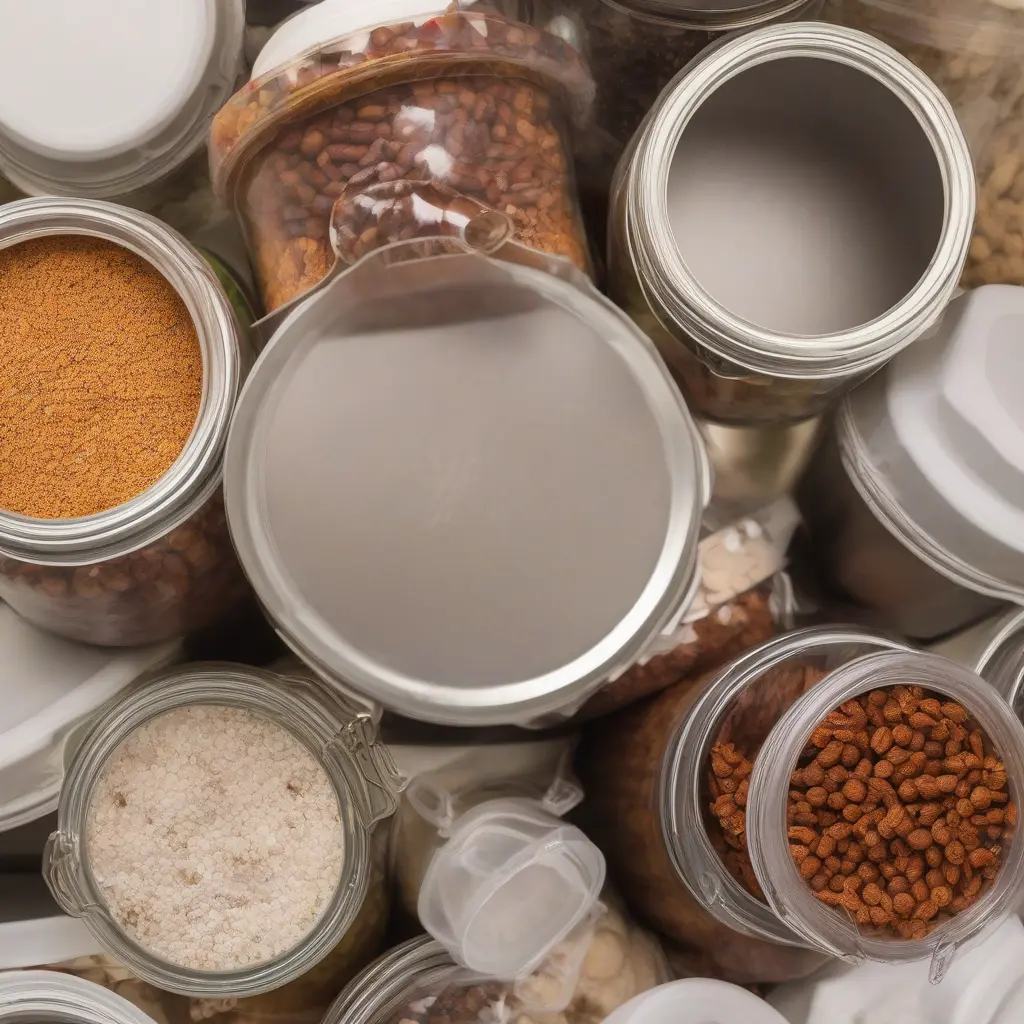
Grain storage boxes can play a vital role in emergency preparedness by ensuring that you have a reliable supply of food during unforeseen circumstances. These sturdy containers allow you to store large quantities of grains, legumes, and other essential dry goods while protecting them from pests and spoilage. Proper usage and maintenance of these storage boxes can significantly enhance your stocking strategy. In this article, we’ll explore practical methods and considerations for utilizing grain storage boxes effectively as part of your emergency readiness plan.
Understanding Grain Storage Options
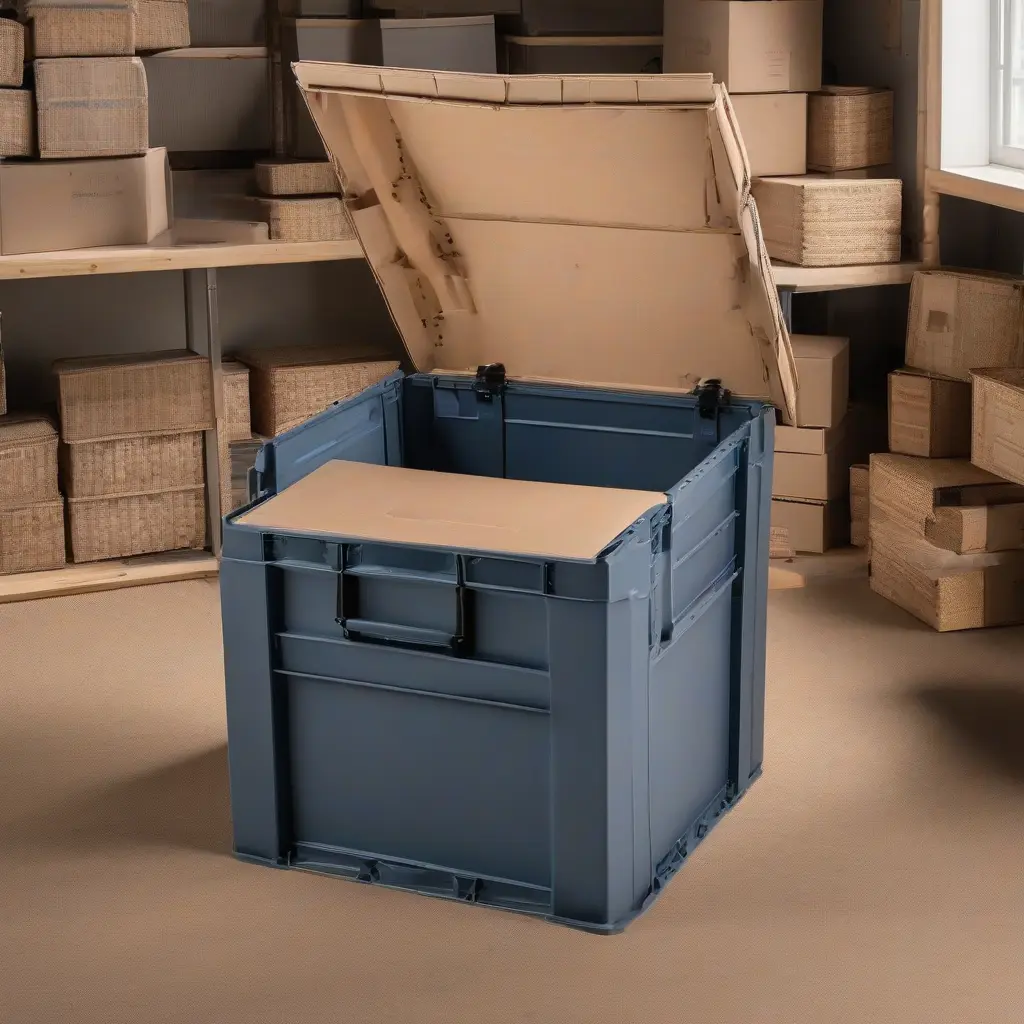
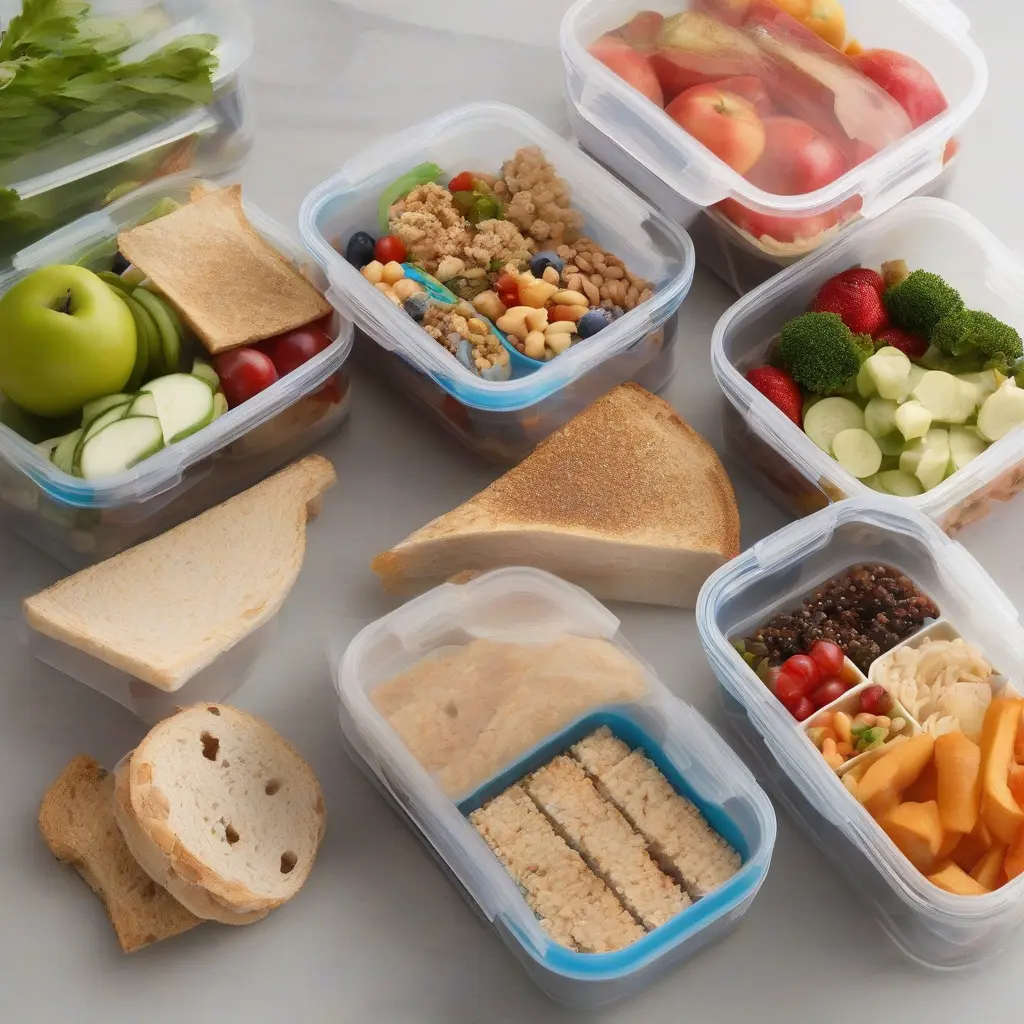
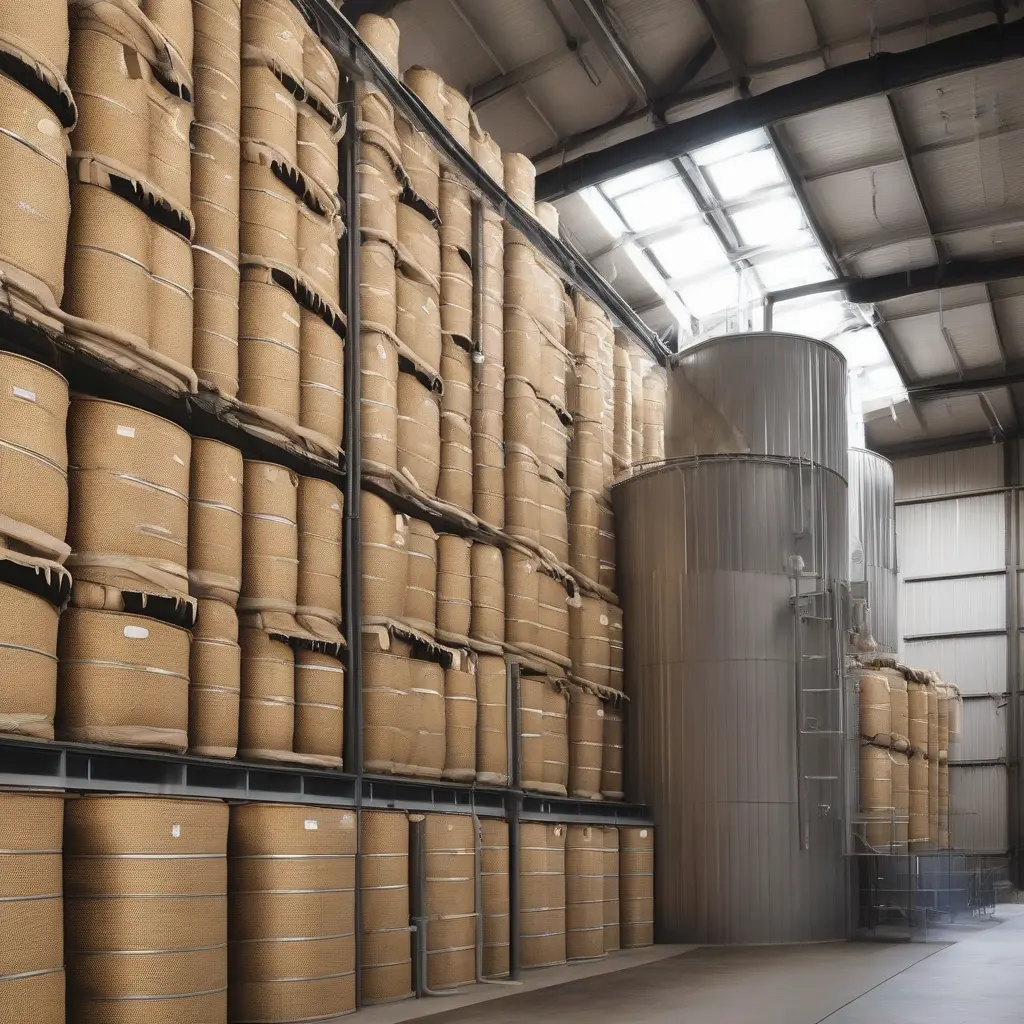
Before selecting grain storage boxes, it’s crucial to understand the various types available on the market. Options include plastic bins, metal containers, and specialized grain silos. Each type offers different levels of durability, ventilation, and resistance to pests. For instance, metal containers provide superior protection against rodents, while plastic bins are lightweight and easy to manage. Choose a storage option that fits your individual needs, considering factors like the amount of grain to be stored and the available storage space.
Choosing the Right Size
Selecting the proper size of grain storage boxes is essential for maximizing both space and efficiency. Smaller containers may work well for households with limited storage, while larger boxes or bins are better suited for families or communities preparing for extended emergencies. Consider how much food each member of your household consumes and plan accordingly. It’s often beneficial to invest in a mix of sizes to accommodate various grains and storage needs, ensuring you have enough food supply during critical times.
Proper Storage Conditions
Proper storage conditions are vital for maintaining the quality of grains stored in boxes. Ideally, they should be kept in a cool, dry place away from direct sunlight and moisture, as these elements can lead to spoilage or pest infestations. Make sure the storage area is well-ventilated and regularly monitored to avoid humidity buildup. Additionally, using silica gel packets or oxygen absorbers within the boxes can help extend shelf life and reduce the likelihood of spoilage.
Sealing Grain Storage Boxes
Sealing your grain storage boxes correctly is crucial for preventing contamination and pest infiltration. Use lids that fit tightly and ensure they are properly secured after each use. If possible, consider using boxes with air-tight seals to protect grains against moisture and bugs. This practice not only prolongs the shelf life of your grains but also keeps them fresh and safe to eat. Regularly check the seals and replace any containers that show signs of wear or damage.
Incorporating Food Rotation Practices
Implementing a food rotation system helps ensure that you consume your stored grains before they expire or lose freshness. Use the FIFO (First In, First Out) method to organize your grain storage. Place newly acquired grains at the back or bottom of the storage boxes and older grains at the front for easy access. This approach not only minimizes waste but also contributes to better food management in your preparedness plan, ensuring that all items are used effectively.
Maintaining an Emergency Inventory
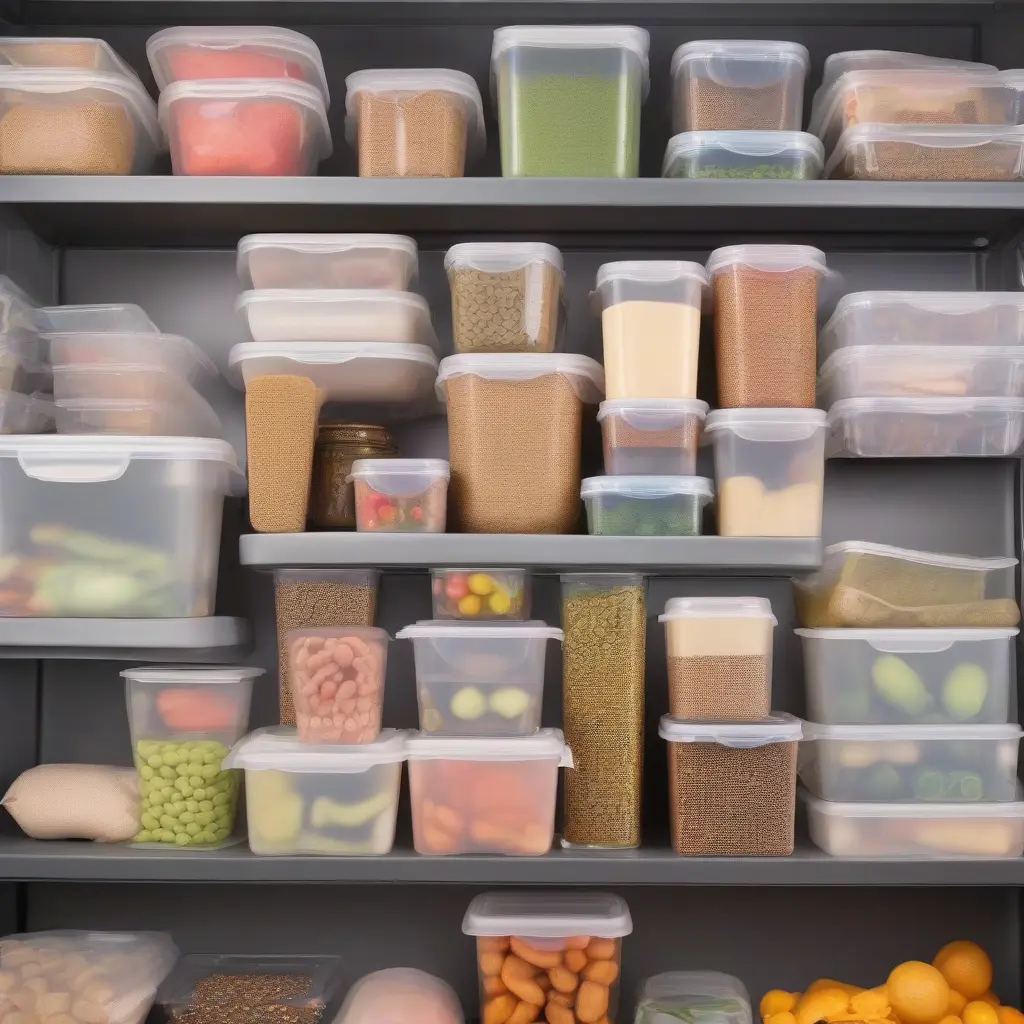
Keeping an accurate inventory of what you have in your grain storage boxes is essential for effective emergency preparedness. Regularly update your inventory list to track what grains are available, their expiration dates, and the quantities you have stored. This practice enables you to make timely decisions on restocking and helps you identify when to consume certain items first. An organized inventory ensures that you can efficiently access your food supplies during a crisis without unnecessary delays.
Educational Resources for Emergency Preparedness
To maximize your knowledge and effectiveness in using grain storage boxes, consider utilizing educational resources focused on emergency preparedness. Online courses, webinars, and books are valuable avenues for learning about sustainable food storage, nutrition, and emergency management. This knowledge helps ensure that you not only store food correctly but also make informed choices about what to include in your emergency supplies. Additionally, joining community preparedness groups can provide support and shared experiences that enrich your understanding.
Organizing Your Storage Area
Creating an organized storage area for your grain storage boxes enhances accessibility and efficiency. Dedicate a space specifically for food storage, keeping it clutter-free to allow easy movement and visibility of your supplies. Label your containers clearly with the contents and expiration dates to facilitate inventory checks. Adequate organization makes it easier to assess your stock quickly, ensuring you can find what you need during an emergency without unnecessary searching.
Understanding Nutritional Needs
Understanding the nutritional needs of your household is integral to effective emergency preparedness. When selecting grains and dry storage items, opt for a balanced mix that provides protein, fiber, and essential vitamins. Incorporate a variety of legumes, whole grains, and seasonings to ensure well-rounded meals. Knowledge of nutritional requirements will guide you in choosing the right foods and quantities to store, promoting health and wellness during emergencies when normal food sources may be limited.
Conclusion
Utilizing grain storage boxes in your emergency preparedness plan can significantly enhance food security during challenging times. By understanding how to select, maintain, and utilize these storage solutions effectively, you can ensure that you and your family are better equipped to face unforeseen circumstances. Investing time in learning best practices and organization can bring peace of mind, knowing that your food supply is secure and readily available when needed most.