Reducing food waste is an essential initiative in today’s sustainable practices, particularly in the context of lunch storage. Many individuals struggle with keeping their meals fresh and avoiding spoilage, often leading to wasted food. Innovative lunch storage hacks can not only enhance the longevity of your meals but also encourage healthier eating habits. By implementing these techniques, you can contribute positively to the environment while enjoying delicious, waste-free lunches. This article explores diverse methods and tips to optimize your lunch storage practices.
Use Airtight Containers
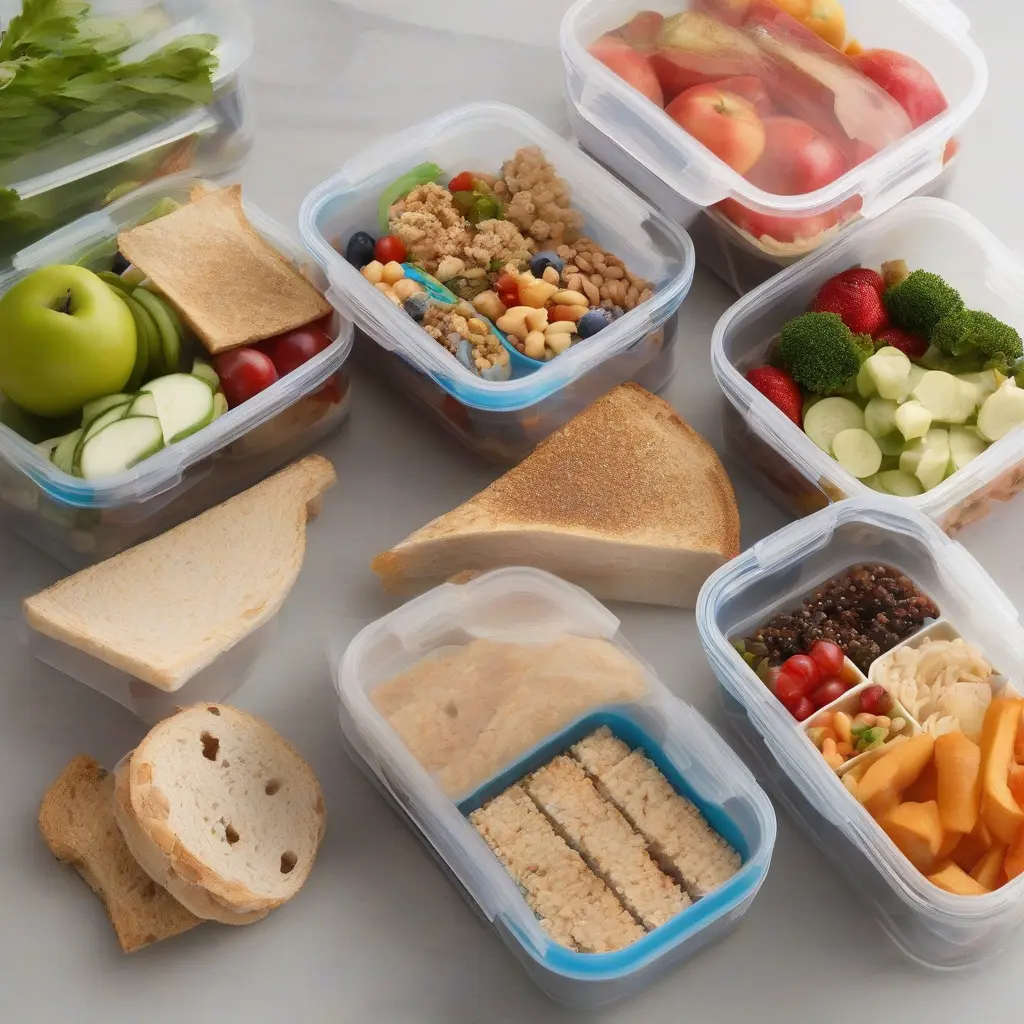
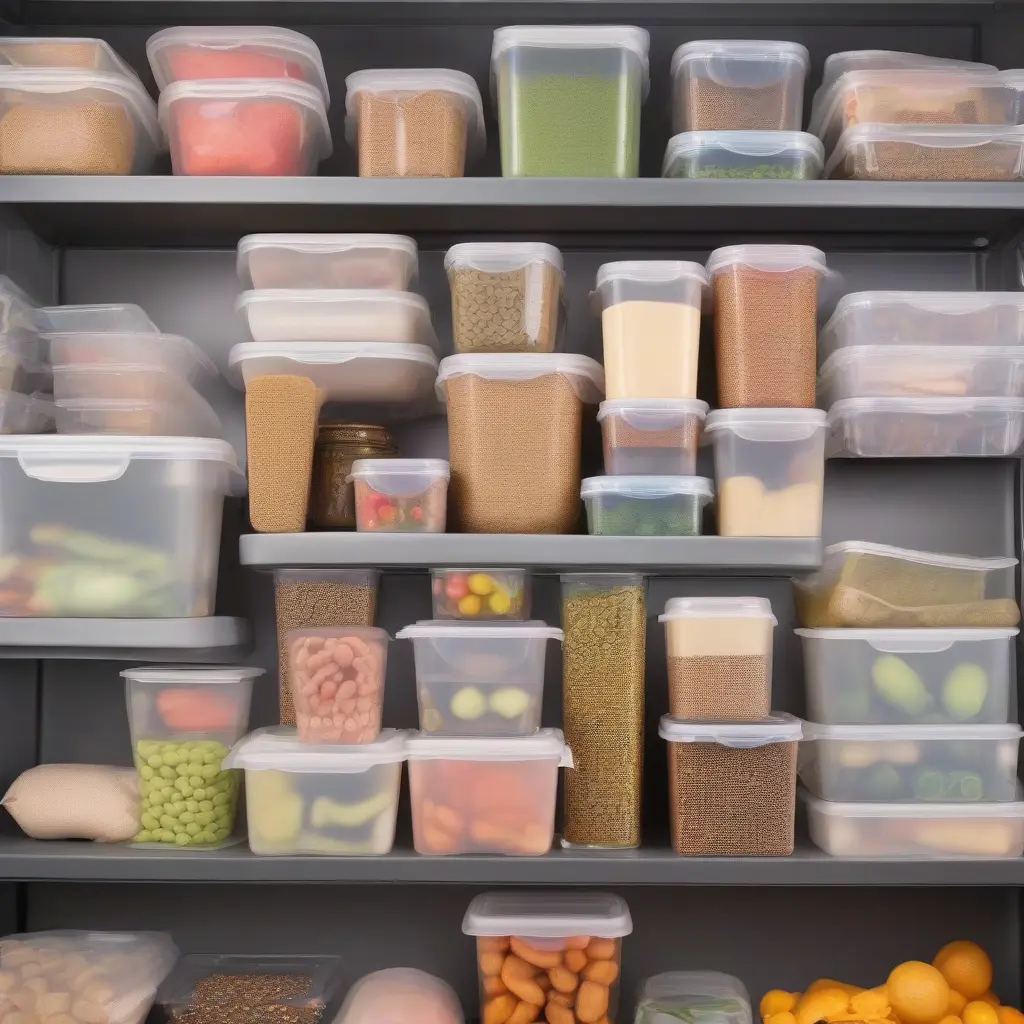
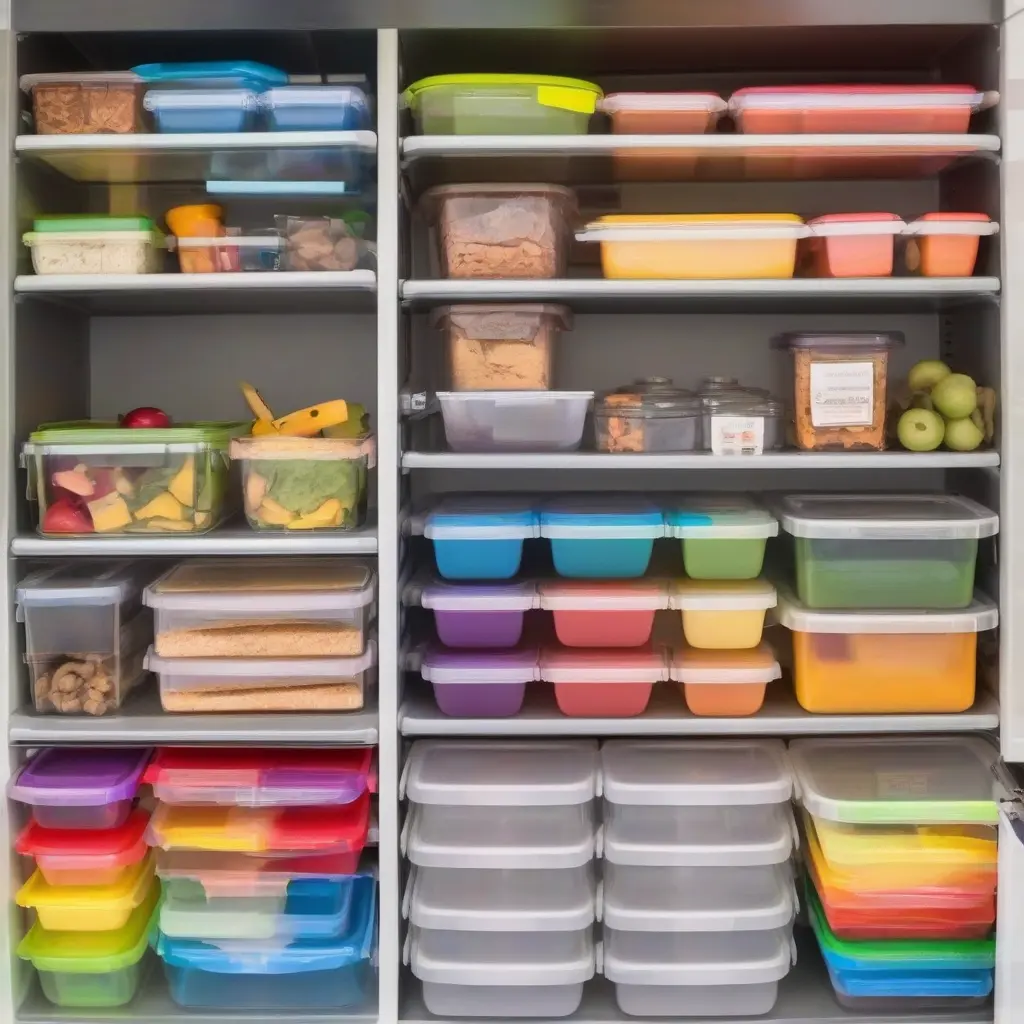
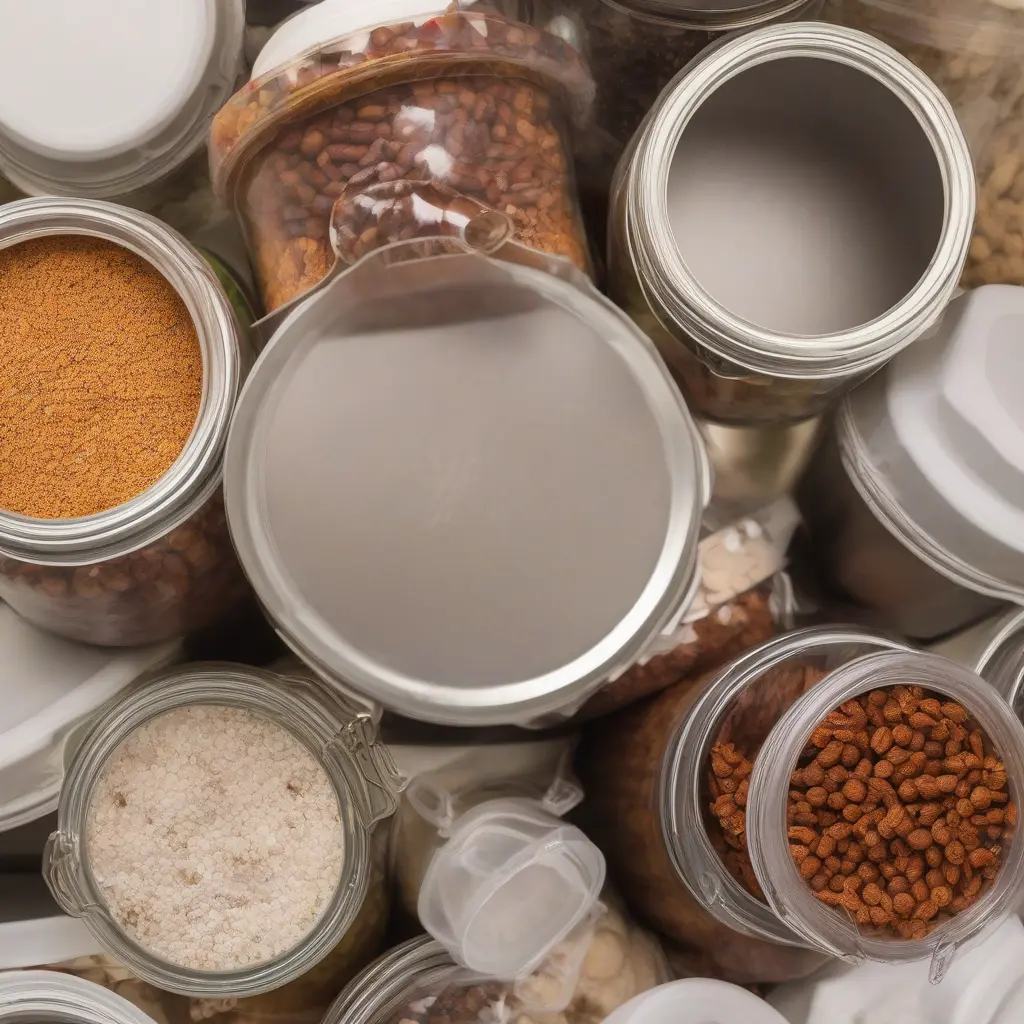
Airtight containers are crucial for maintaining the freshness of your food and preventing spoilage. These containers create a barrier against moisture and air, which can accelerate decay. Opt for glass or BPA-free plastic options that are specifically designed for food storage. They come in various sizes, making it easy to store everything from small snacks to larger meal portions. Including a variety of shapes ensures that you can fit them efficiently into your refrigerator or lunch bag, reducing the likelihood of wasted food.
Label Your Meals
Labeling your prepared meals is an effective strategy to improve food organization and minimize waste. By clearly indicating the preparation date and contents, you can easily track the freshness of your meals. This helps in using older items first, thereby preventing items from being forgotten at the back of the fridge. Consider using reusable labels or a dry-erase marker for eco-friendly options. This simple habit enhances awareness and encourages timely consumption of leftovers.
Portion Control Techniques
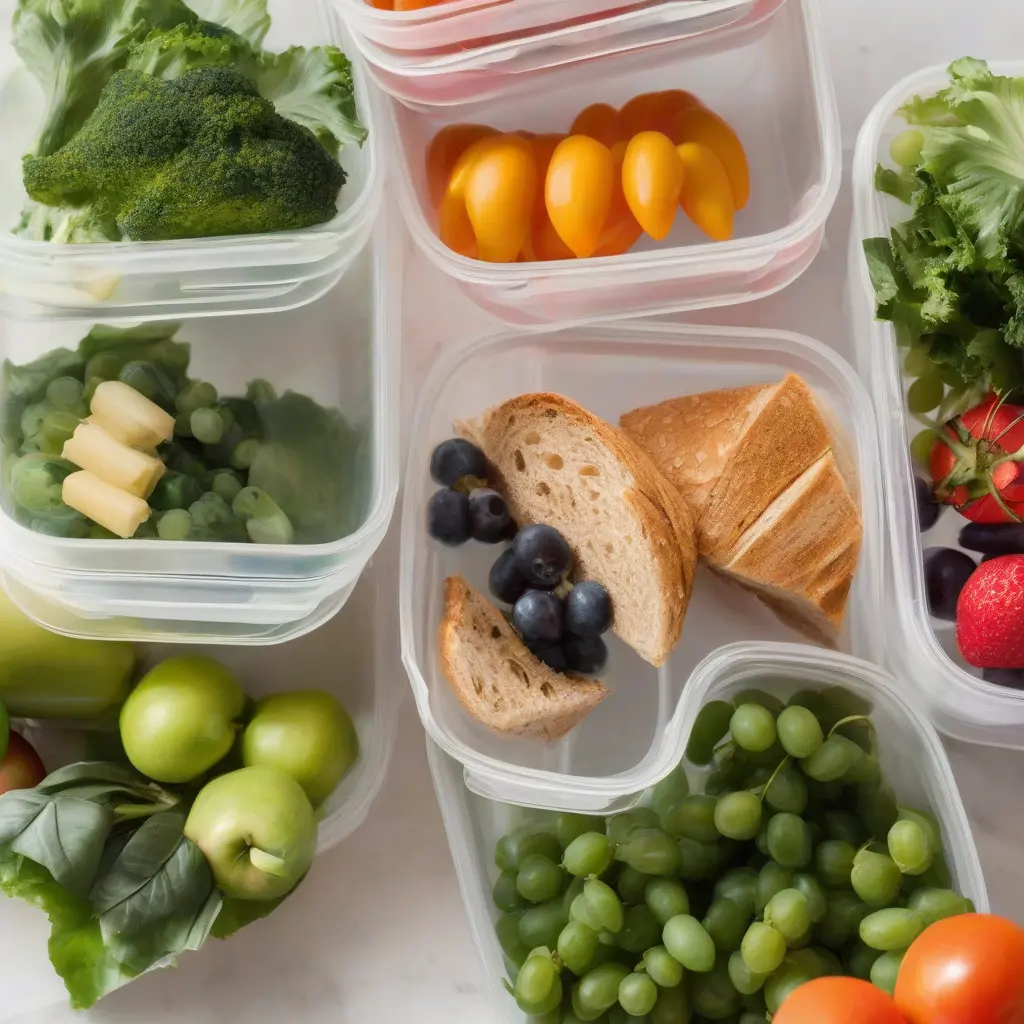
Portion control is an effective way to prevent food waste during meal prep. By preparing meal portions that match your hunger levels, you can avoid leftovers that often get discarded. Use measuring cups or a food scale to accurately determine serving sizes. In addition, try to customize portions based on individual preferences when packing lunches for family members. This method not only aids in reducing waste but also helps with mindful eating habits.
Invest in Insulated Lunch Bags
Insulated lunch bags help maintain food temperatures, ensuring that meals remain fresh until lunchtime. These bags are designed to retain heat or cold, depending on your needs, which can effectively reduce spoilage. Look for bags with additional compartments to keep hot and cold items separate. By preventing food from sitting at unsafe temperatures, you’re less likely to waste meals due to spoilage or foodborne illnesses, leading to healthier habits.
Embrace Freezing Techniques
Freezing is one of the best ways to extend the shelf life of your meals and prevent waste. Many foods can be frozen, including soups, stews, and cooked grains. Create meal-sized portions and use freezer-safe bags to store these dishes. Always label each bag with the contents and date to track freshness. Thawing and reheating these meals can save you time and effort on busy days, allowing you to enjoy delicious, home-cooked food while minimizing waste.
Incorporate Reusable Ziplock Bags
Reusable ziplock bags offer a versatile solution for storing snacks and meal components without adding to landfill waste. They are convenient for portioning out items like fruits, nuts, and sandwiches. Choose silicone or washable plastic options that can be used repeatedly. This eco-friendly choice not only helps in reducing plastic waste but also encourages you to pack healthy snacks for lunches, contributing to better nutrition and minimizing uneaten food.
Prioritize Seasonal Ingredients
Using seasonal ingredients in your lunch preparations can significantly reduce waste and promote freshness. Seasonal produce is often more flavorful and nutrient-rich, making your meals more enjoyable. Additionally, they are generally more affordable, thus reducing the financial strain of your grocery bills. By planning meals around what’s currently in season, you can ensure that your lunches are not just waste-free but also delicious and healthy.
Make Use of Leftover Ingredients
Transforming leftover ingredients into new meals is a fantastic way to reduce waste. Create creative dishes by incorporating remnants from previous meals into your next lunch, such as adding leftover vegetables to a stir-fry or mixing cooked grains with a salad. This not only minimizes food waste but also encourages culinary creativity. By repurposing ingredients, you’re more likely to enjoy meals while ensuring nothing goes to waste.
Opt for Off-Brand Storage Solutions
Off-brand storage solutions can often provide the same quality as their branded counterparts at a lower price point. This can include containers, bags, and wraps designed for food storage. Review product ratings and descriptions to find efficient options without overspending. By saving money on these essential items, you can invest in fresh ingredients and healthier meals, while still practicing responsible food storage.
Educate Yourself on Food Safety
Understanding food safety principles is crucial to reducing waste. Familiarize yourself with how long various foods can be safely stored in the fridge or freezer. Educating yourself on potential spoilage signs and proper reheating methods can significantly impact your decision to discard food. This knowledge empowers you to make informed choices about your meals, ultimately leading to less waste and healthier dining habits.
Involve the Family in Lunch Prep
Involving family members in the lunch preparation process encourages collective responsibility for reducing food waste. Assigning tasks, such as choosing recipes, packing lunches, or organizing leftovers, fosters awareness of food conservation. Family members are more likely to appreciate the meals they had a role in creating, resulting in less waste and more enthusiastic consumption. This shared experience promotes sustainable practices within the household.
Conclusion
Implementing innovative lunch storage hacks is an effective way to reduce food waste and promote sustainable eating habits. Through the use of airtight containers, proper labeling, and portion control, you can significantly enhance the longevity of your meals. Embracing freezing techniques, seasonal ingredients, and educational efforts on food safety further contribute to waste reduction. By involving family in meal prep, you foster a culture of sustainability that everyone can appreciate, turning lunch into an opportunity for both health and environmental mindfulness.