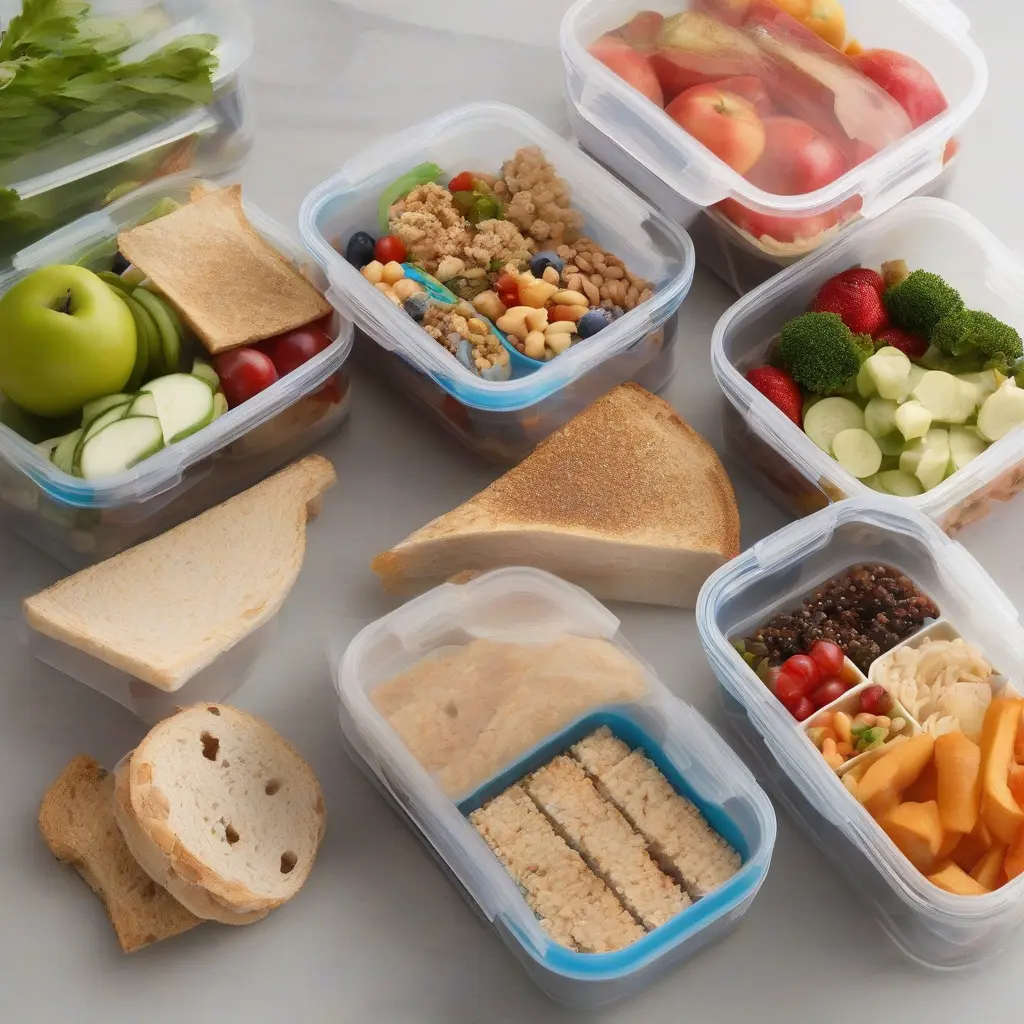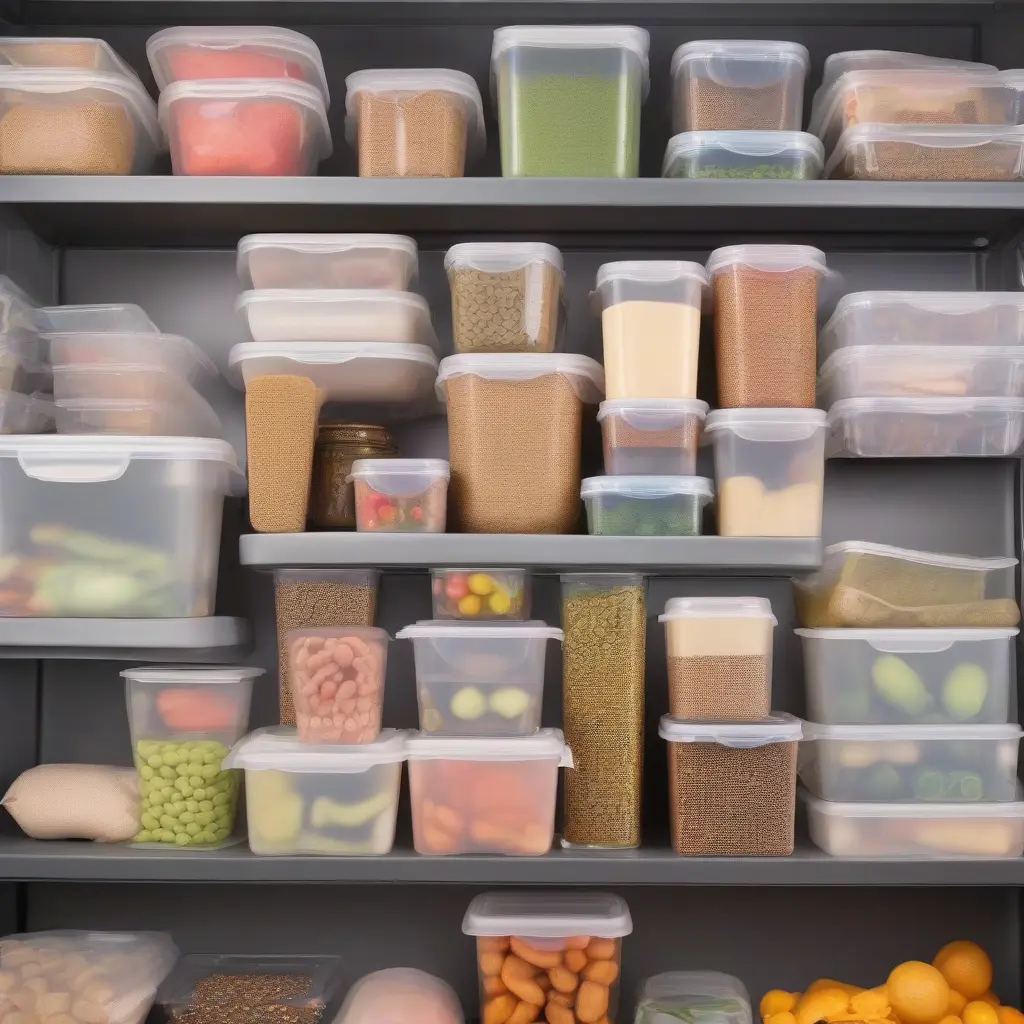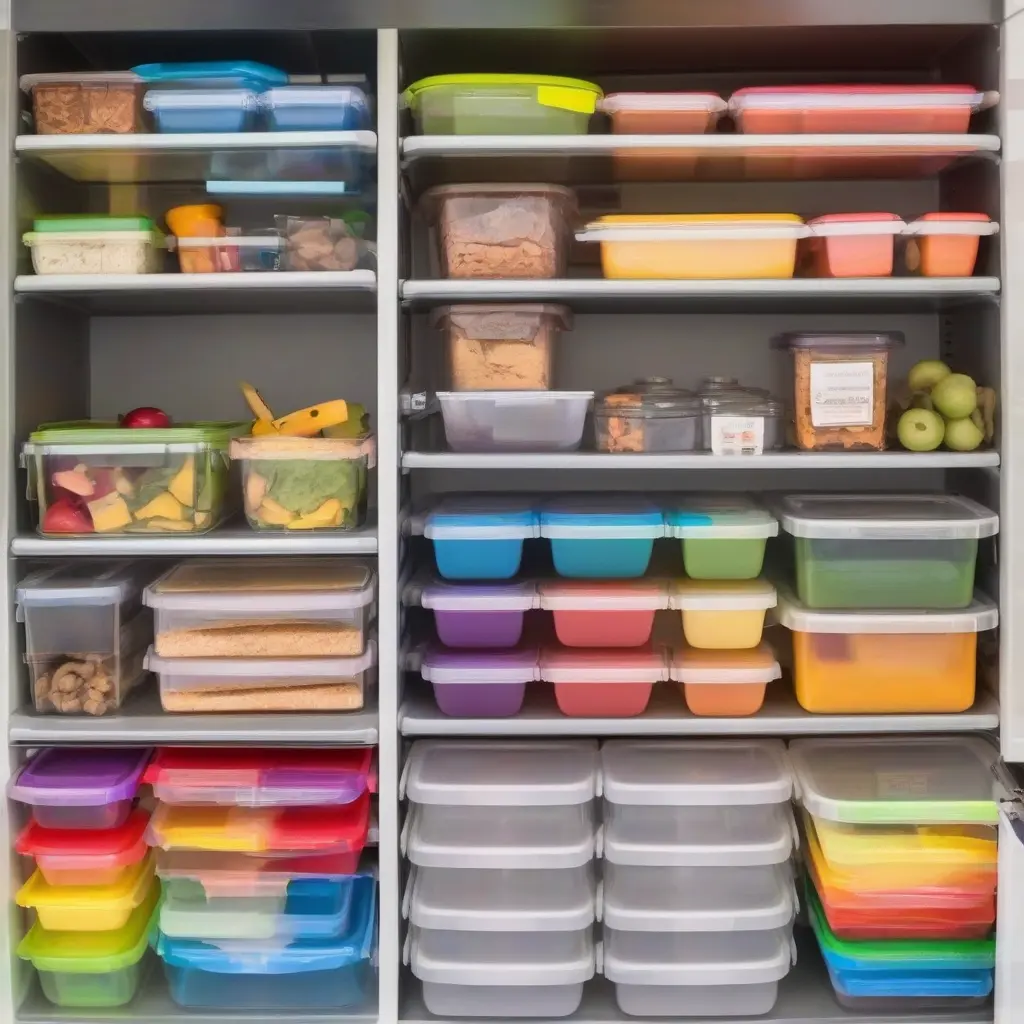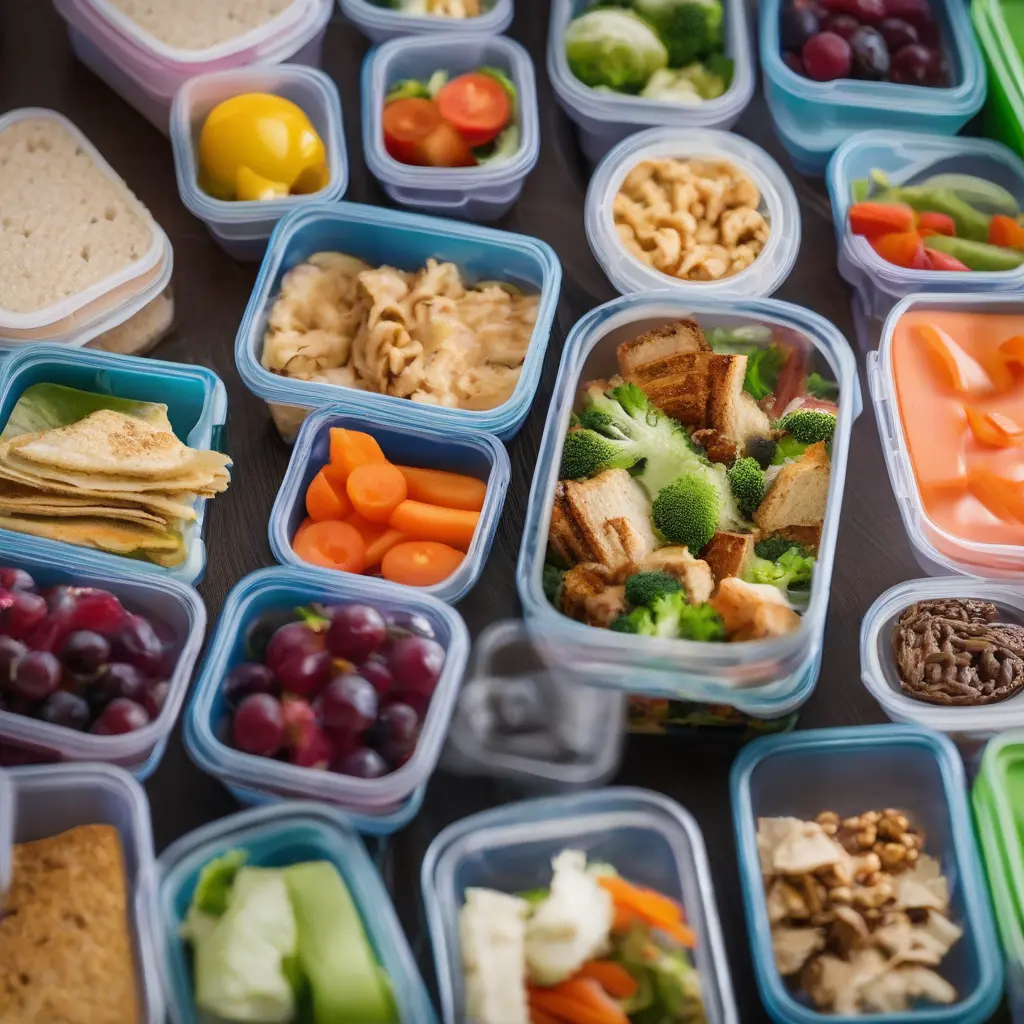
The rising awareness of health and safety has made understanding BPA-free materials crucial for lunch storageware. BPA, or bisphenol A, is a chemical often used in manufacturing various plastics and resins, raising concerns about its potential health risks. Parents, schools, and health-conscious individuals are increasingly seeking alternatives that ensure safe food storage without compromising quality. This article dives into the significance of BPA-free products, the materials that are considered safe, and practical tips for choosing the right lunch storage options for your daily needs.
What is BPA and Why is it a Concern?
BPA is an industrial chemical used in the production of polycarbonate plastics and epoxy resins found in many consumer products. Concerns about BPA stem from its ability to seep into food and beverages, leading to potential health problems. Research suggests that BPA exposure can disrupt endocrine functions, which may result in hormonal imbalances and various health issues, including reproductive problems and increased risk of certain cancers. Consequently, avoiding BPA in lunch storageware is vital for ensuring the safety of food and overall health.
The Benefits of BPA-Free Lunch Storageware
Opting for BPA-free lunch storageware offers numerous benefits, primarily enhanced safety and peace of mind. These products are typically made from alternative materials that do not leach harmful chemicals into food or beverages, making them a healthier option for meal storage. Additionally, BPA-free containers are often designed to be durable and resistant to staining, ensuring they maintain their appearance and functionality over time. By choosing BPA-free options, individuals can support healthier eating habits and contribute to a safer environment.
Common BPA-Free Materials Used in Lunch Storage
Several materials are commonly used in BPA-free lunch storageware, each with its own unique properties. Tritan™, a copolyester, is known for its clarity and shatter resistance while remaining free from harmful chemicals. Silicone is another popular choice, as it is flexible, easy to clean, and can withstand high temperatures. Glass containers are also an excellent option, as they are non-toxic and do not absorb odors or stains. Understanding these materials can guide consumers in making informed choices when selecting lunch storageware.
How to Identify BPA-Free Products
Identifying BPA-free products can be straightforward if you know what to look for. Most reputable manufacturers will clearly label their products as ‘BPA-free’ on the packaging. Additionally, consumers can check for recycling codes: items marked with codes 1, 2, 4, 5, and 7 (if explicitly stated as BPA-free) generally do not contain BPA. Researching brands and reading reviews can also help ensure you are choosing safe lunch storageware. Investing time in understanding labels and certifications contributes to better purchasing decisions.
Environmental Impacts of BPA and Plastic Use
The environmental impact of BPA and plastics is significant, particularly concerning pollution and waste. Discarded plastic products can take hundreds of years to decompose, contributing to landfill issues and ocean pollution. BPA can also disrupt ecosystems when it leaches into waters, affecting wildlife. By transitioning to BPA-free and biodegradable materials, consumers can mitigate these environmental impacts. Choosing eco-friendly lunch storage options empowers individuals to participate in sustainable practices while ensuring food safety.
Alternatives to Traditional Plastic Lunch Storage
Beyond BPA-free plastics, several eco-friendly alternatives are available for lunch storage. Stainless steel containers are gaining popularity due to their durability, non-reactive properties, and ability to keep food fresh. Beeswax wraps are also an innovative, biodegradable option for keeping sandwiches and snacks secure without the use of plastic. Additionally, bamboo lunch boxes provide a natural and stylish alternative, contributing to both safety and sustainability in food storage. Exploring these options broadens the possibilities for responsible consumerism.
Best Practices for Maintaining Lunch Storageware
To prolong the life and safety of lunch storageware, following best practices for maintenance is essential. Cleaning containers with mild soap and warm water, avoiding harsh chemicals, ensures they remain unharmed. Always check manufacturer guidelines for specific cleaning methods, especially for silicone and glass materials. Proper storage, such as keeping lids securely closed, prevents leaks and spills. Regularly inspecting your lunch containers for wear and tear allows you to make timely replacements, ensuring you maintain a safe and functional set of storage options.
Conclusion
Understanding BPA-free and safe materials for lunch storageware is crucial for making informed choices that prioritize health and safety. By educating yourself on BPA and exploring alternative materials, you can contribute to your well-being and the environment. Maintaining your storageware properly ensures its longevity, making it a sustainable addition to your meal prep routine. With these insights, you can confidently choose the right lunch storage options that align with your health needs and environmental values.