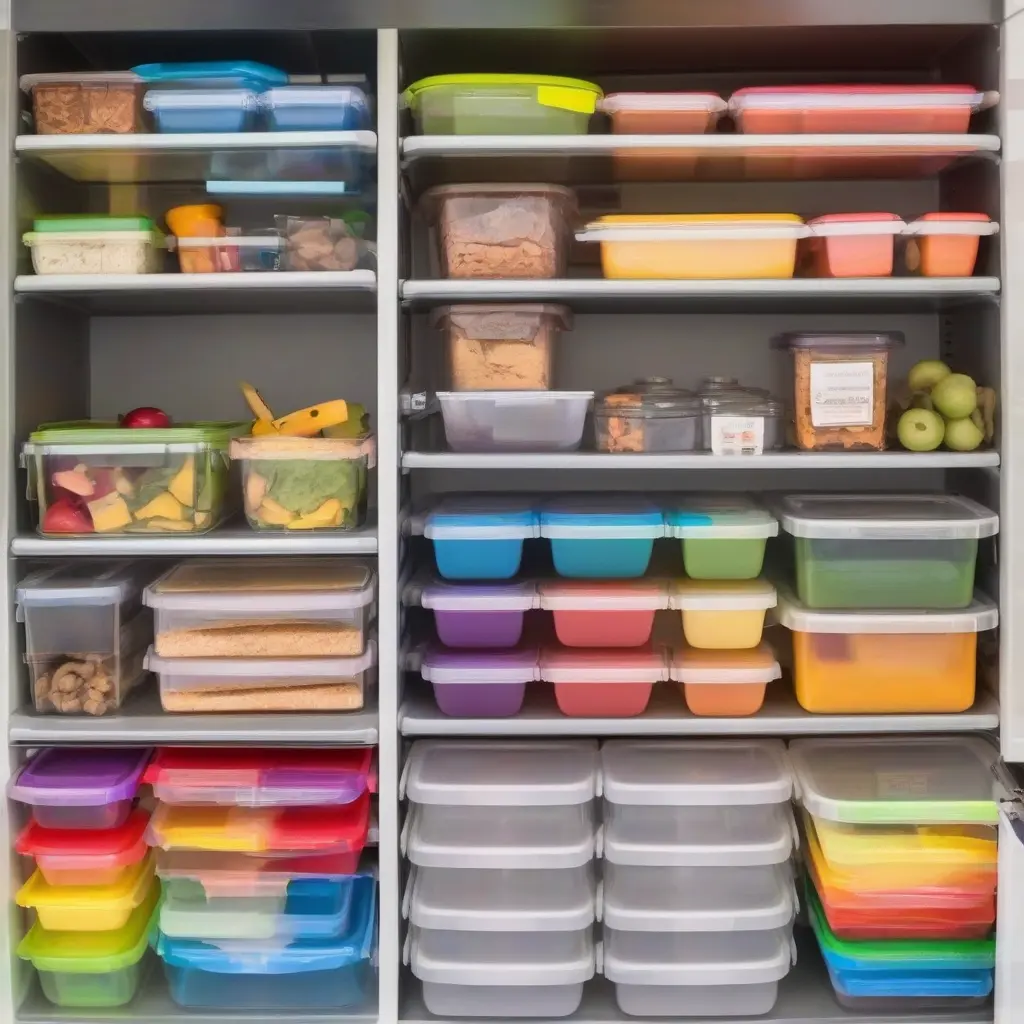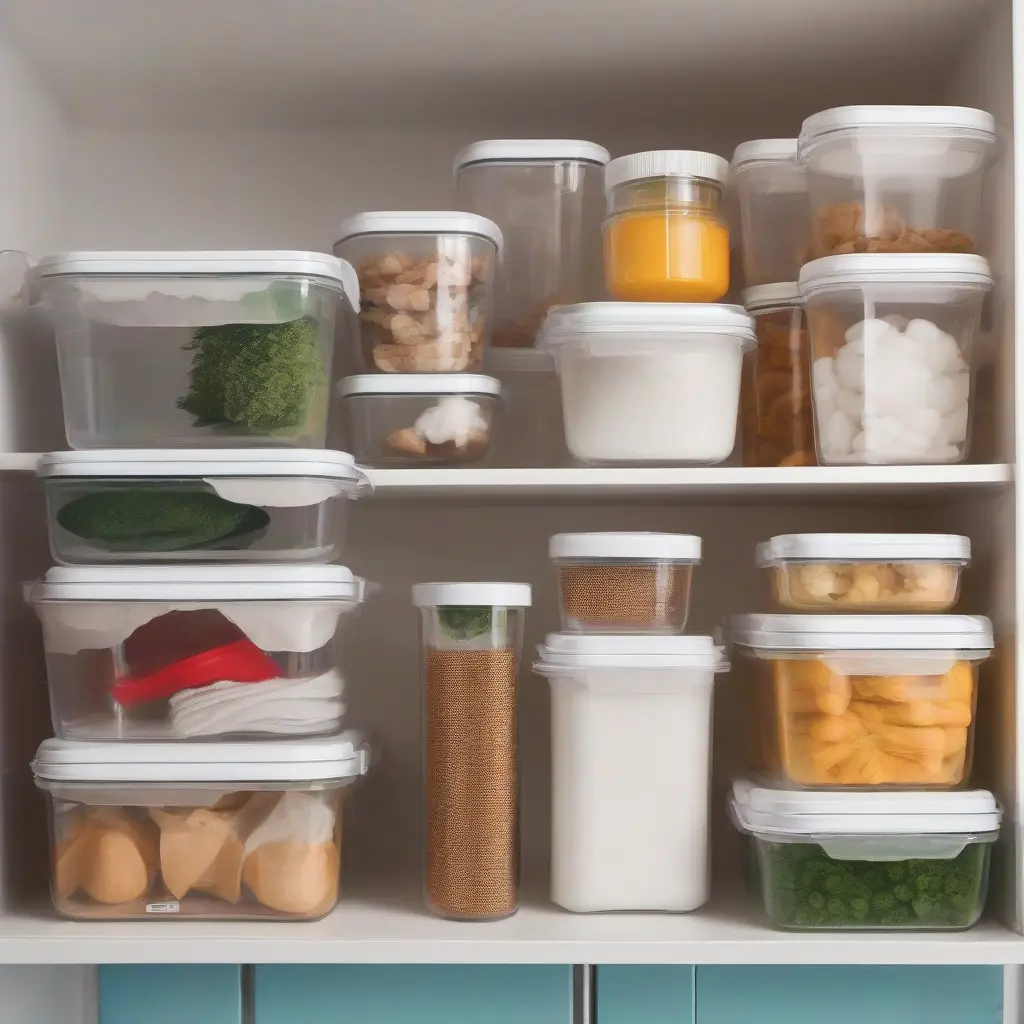
Airtight containers are crucial for preserving the freshness of food and preventing contamination. However, improper cleaning and maintenance can diminish their effectiveness over time. Understanding the best practices to clean and care for these containers will ensure they remain functional and safe. This guide outlines essential techniques for cleaning, drying, and maintaining airtight containers, ensuring they serve you well in the long run.
Understanding Airtight Containers
Airtight containers are designed to create a sealed environment, preventing air exchange and moisture from entering. This feature helps keep food fresh for longer periods by minimizing spoilage and the growth of bacteria. They are often made from various materials, including glass, plastic, and stainless steel. Knowing the material type is essential for selecting the appropriate cleaning method and ensuring durability.
Essential Cleaning Supplies
To effectively clean airtight containers, it’s important to gather the right cleaning supplies. Commonly needed items include mild dish soap, soft sponges or cloths, a bottle brush, and baking soda for stubborn stains. Avoid abrasive cleaners or scrubbers as they can scratch surfaces and compromise the seal. Having a dedicated cleaning kit can streamline the process and ensure that the containers remain in optimal condition for years.
Basic Cleaning Steps
Start by removing any food residue from the containers. Rinse with warm water to loosen debris, then apply a few drops of mild dish soap to a damp sponge. Gently scrub all surfaces, including the lid and sealing mechanisms. Pay extra attention to corners and crevices where food might accumulate. Rinse thoroughly with hot water to eliminate soap residue, which could affect the food stored later.
Deep Cleaning for Stubborn Stains
For stubborn stains or lingering odors, a deep cleaning approach is necessary. Mixing equal parts of baking soda and water creates a paste that can be applied to the affected areas. Let this sit for about 15-20 minutes before scrubbing gently with a soft sponge. Baking soda acts as a natural abrasive and deodorizer, making it effective for eliminating tough spots without damaging the container.
Drying Airtight Containers
Proper drying is crucial to prevent mold and mildew growth in airtight containers. After washing and rinsing, shake off any excess water and place the containers upside down on a drying rack or clean towel. Ensure that they are thoroughly dry before storing them to maintain their seal integrity. Avoid using dishcloths that may leave fibers behind; air drying is often the best method.
Maintaining the Seals
The rubber or silicone seals in airtight containers are integral to their functionality. Regularly inspect these seals for signs of wear or damage, as compromised seals can lead to air and moisture entry. To maintain them, gently clean the seals with soapy water and ensure they are properly seated before use. Replacing seals when they become worn out ensures that the containers continue to perform effectively.
Avoiding the Dishwasher
While utilizing a dishwasher may seem convenient, it’s generally not recommended for cleaning airtight containers. Extreme heat and harsh detergents can degrade the materials, especially rubber or silicone seals, potentially compromising their function. Hand washing allows for better control over the cleaning process and extends the lifespan of the containers, thus preserving their airtight qualities.
Storing Airtight Containers Properly
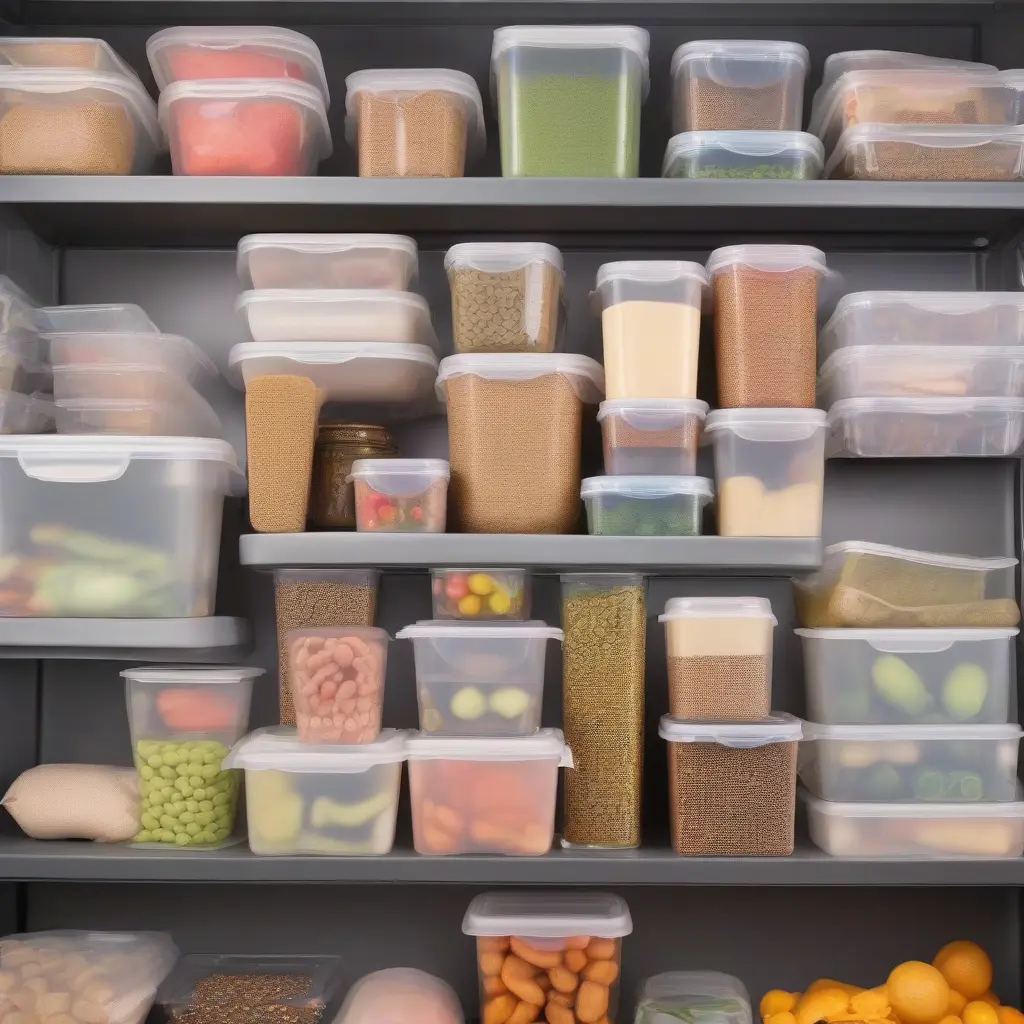
Proper storage of airtight containers is essential to maintain their condition. When not in use, store them in a cool, dry place away from direct sunlight. Stacking containers can maximize space but be cautious of potential scratches. If they come with lids, store the lids separately to prevent damage. Proper organization will enhance the longevity and efficiency of your storage solutions.
Signs of Wear and When to Replace
Monitoring for signs of wear is crucial to maintaining airtight containers. Look out for visible cracks, warping, or damaged seals, as these compromises can diminish their airtight capabilities. Discoloration may also indicate that the container has reached the end of its effective life. If any of these issues are observed, it’s best to replace the container to ensure ongoing food safety and freshness.
Cleaning Containers Used for Different Food Types
Different food types may require specific cleaning protocols. For jars that stored strong-smelling foods or oily substances, additional cleaning steps might be needed to eliminate residues and odors. Consider using vinegar or lemon juice along with baking soda for more effective results. Additionally, containers used for perishables, like meat or seafood, should be cleaned promptly to prevent contamination issues.
The Importance of Regular Maintenance
Consistent maintenance extends the lifespan of airtight containers. Regularly inspect and clean them to ensure that they remain in good condition. A cleaning schedule will help include this practice in routine household chores, preventing a buildup of grime or odors. By prioritizing maintenance, you can ensure that your containers protect your food effectively for many years.
Conclusion
Maintaining airtight containers through proper cleaning and care is vital for long-term functionality and safety. By following the outlined cleaning steps, avoiding harsh methods, and regularly checking for wear, you can keep your containers in excellent shape. This ensures that your food remains fresh and free from contamination, ultimately enhancing your overall food storage experience.