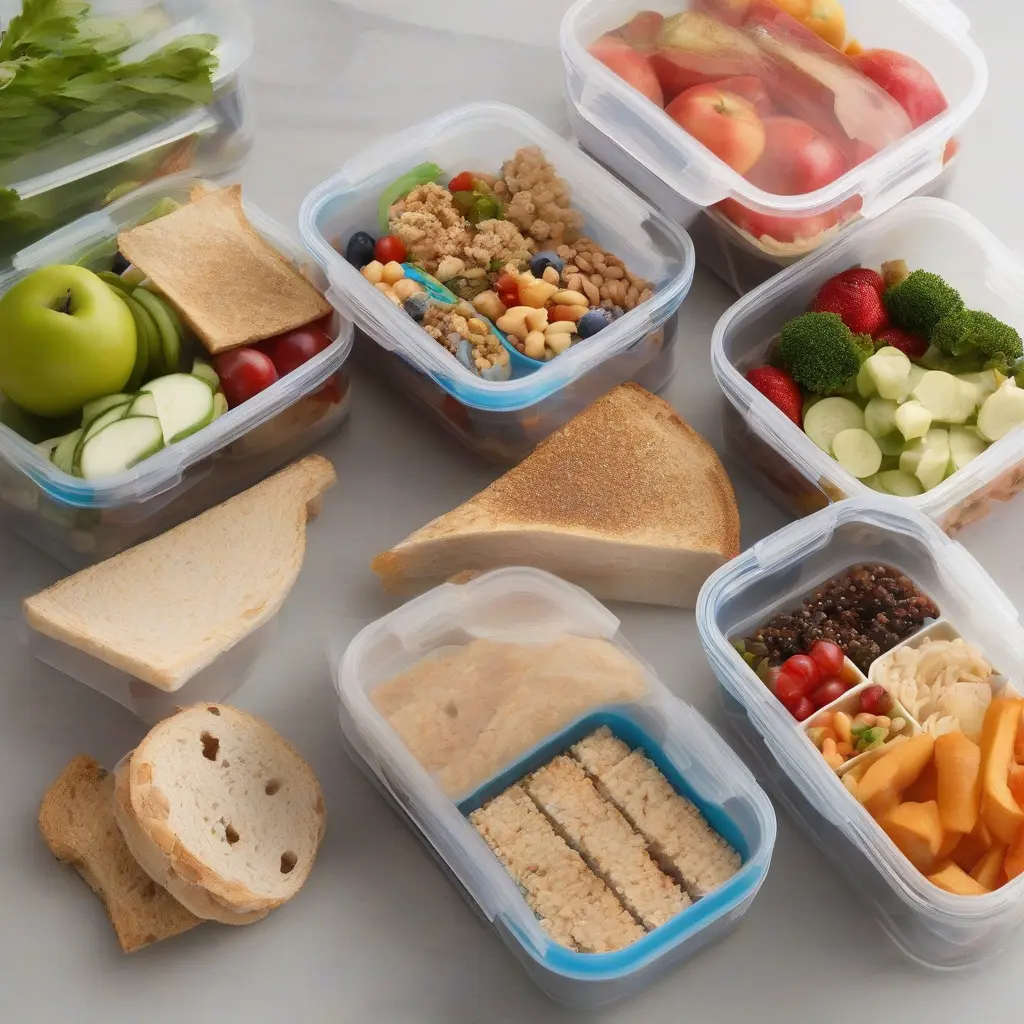
Properly cleaning and maintaining your lunch storage containers is essential for food safety and longevity. Over time, these containers can accumulate stains, odors, and even bacteria, which can affect your meals and health. This article will provide you with effective strategies to ensure your lunch storage containers remain clean, odor-free, and in excellent condition. By following these best practices, you can prolong the life of your containers while keeping your lunches fresh and safe to eat.
Understanding Different Materials of Storage Containers
Lunch storage containers come in various materials, including plastic, glass, and stainless steel. Each type requires specific cleaning and maintenance methods. Plastic containers are lightweight and often microwave-safe but can retain stains and odors. Glass containers are durable and non-porous, making them easier to sanitize, while stainless steel offers excellent insulation but may require special care to prevent scratching. Understanding these material differences is crucial for choosing the right cleaning approach and ensuring the longevity of your containers.
Routine Cleaning Practices
Establishing a regular cleaning routine is vital for maintaining lunch storage containers. After each use, rinse containers immediately to prevent food particles from sticking. Use warm, soapy water and a soft sponge for general cleaning, as harsh scrubbers can scratch surfaces. For plastic containers, avoid high-heat drying methods as they may warp. Regularly inspect the containers for signs of wear and replace any that are damaged to ensure your meals are stored safely.
Dealing with Stains and Odors
Stains and odors are common issues with lunch storage containers, especially after storing certain foods. To tackle stubborn stains, create a paste using baking soda and water and apply it directly to the stained area. For odors, try soaking the container in a mixture of vinegar and water for about 30 minutes before rinsing. In cases of persistent smells, leaving the container out in the sun can help to naturally eliminate odors and restore freshness.
Sanitizing Your Containers
Beyond basic cleaning, sanitizing your lunch containers is crucial, especially for items used to store meat or dairy. A diluted bleach solution (1 tablespoon of bleach in 1 gallon of water) can effectively sanitize hard surfaces. Alternatively, hydrogen peroxide or vinegar are non-toxic options for sanitizing without leaving harmful residues. Allow containers to soak in the solution for at least 10 minutes before rinsing thoroughly to ensure all contaminants are removed and food safety is prioritized.
Using the Right Utensils for Cleaning
Using appropriate utensils for cleaning is essential to avoid damaging your lunch storage containers. Soft sponges and cloths are best for both plastic and glass containers, preventing scratches and wear. Avoid abrasive pads or steel wool, which can mar the surface and lead to bacteria harboring in scratches. For stainless steel containers, using a soft cloth will help maintain their shine while ensuring thorough cleaning without damaging the surface.
Proper Drying Techniques
After cleaning, proper drying techniques can help maintain the quality of your lunch storage containers. Instead of air-drying, which can lead to water spots, use a clean, dry towel to wipe down both the inside and outside of the containers. Ensure they are completely dry before storing them to prevent moisture buildup, which can promote bacterial growth. Additionally, leave the containers open for a while to allow any residual moisture to escape.
Storage Tips for Longevity
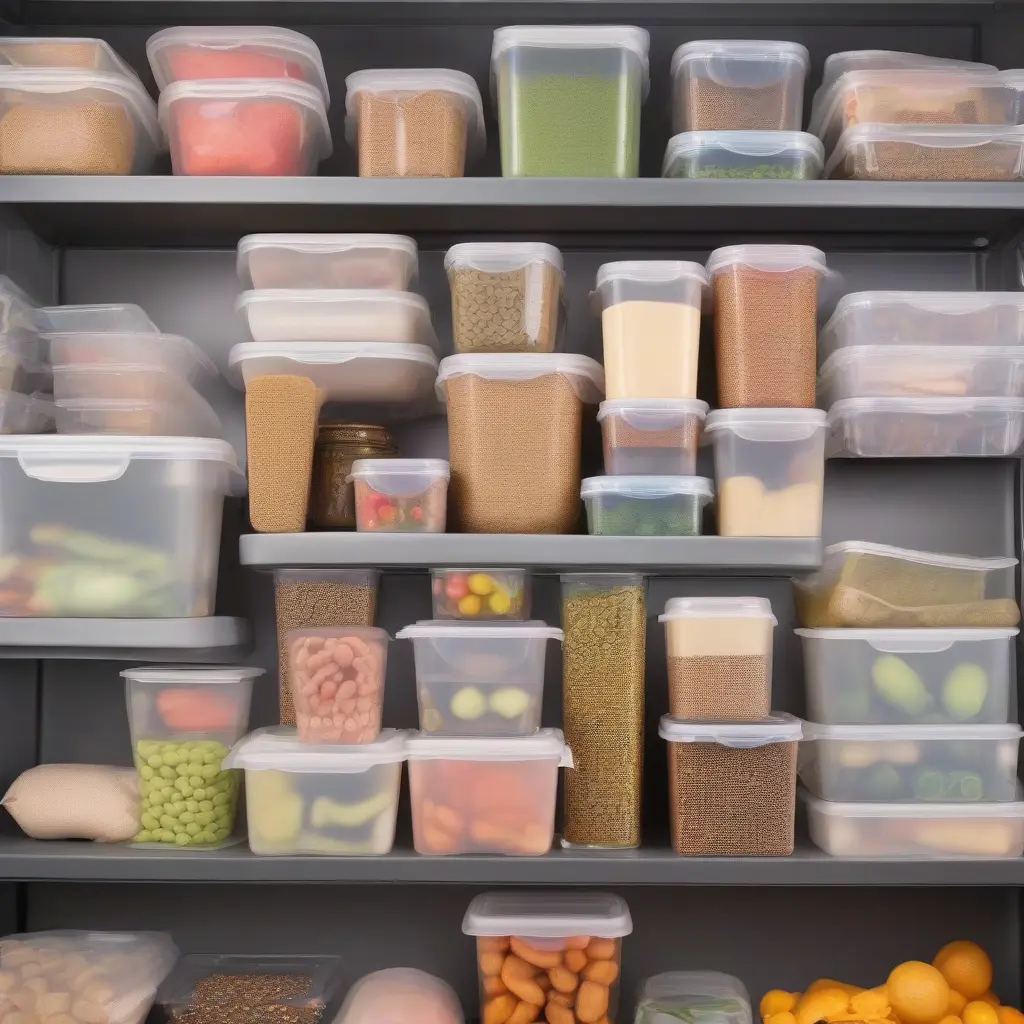
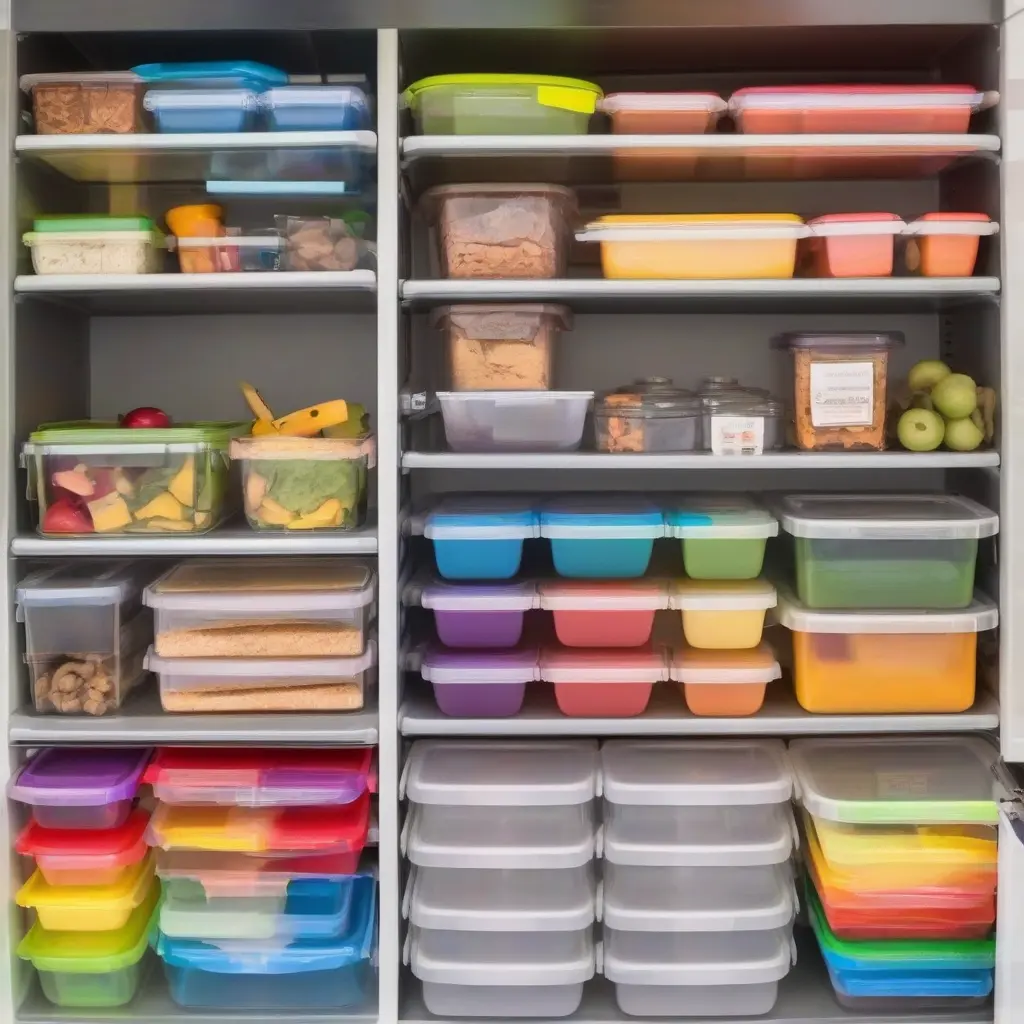
How you store your lunch containers when not in use plays a significant role in their longevity. Nesting containers can save space but ensure lids are not warped during storage. Avoid stacking heavy items on top of them, as this can lead to cracks or permanent dents. Keeping containers in a cool, dry place protected from direct sunlight will help maintain their structural integrity and prevent discoloration over time.
Avoiding Common Mistakes
Several common mistakes can shorten the life of your lunch storage containers. One frequent mistake is using high temperatures in the microwave or dishwasher for plastic containers that aren’t labeled as heat-resistant. Another is neglecting to clean containers promptly, allowing food residues to harden. Understanding these pitfalls and avoiding them is crucial for maintaining your lunch storage containers in optimal condition.
The Benefits of Regular Maintenance
Regular maintenance of your lunch storage containers provides several benefits, including improved food safety and enhanced longevity. Keeping containers clean and sanitized minimizes the risk of bacterial growth and food contamination. Additionally, well-maintained containers save money over time as they need to be replaced less frequently due to wear and tear. Investing time in proper cleaning and care can yield long-term savings and health benefits.
Conclusion
In conclusion, knowing how to clean and maintain your lunch storage containers is essential for ensuring their longevity and providing safe meals. By understanding the types of materials, employing effective cleaning methods, and implementing proper storage techniques, you can keep your containers in excellent condition. Regular care not only enhances the shelf life of these containers but also contributes significantly to food safety, allowing you to enjoy lunches with confidence.