Keeping food fresh in lunch storage containers is crucial for both flavor and health. Food odors can permeate containers, making the next meal less appetizing. Whether it’s leftover curry or a zesty salad, preventing these persistent smells requires effective strategies. This guide explores various methods to ensure your lunch containers remain odor-free, from proper cleaning techniques to smart storage solutions. By following these practical tips, you can enjoy your meals without the unpleasant side effects of lingering odors.
Choosing the Right Material
The material of your lunch storage containers plays a significant role in odor retention. Plastic containers, while lightweight and economical, can absorb food smells over time. Opt for glass or stainless steel containers, which are less porous and easier to clean. These materials not only resist staining but also prevent odors from lingering after cleaning. Additionally, they are often microwave and dishwasher safe, making them practical choices for daily use. By selecting the right material, you can effectively minimize the chances of food odors transferring between meals.
Proper Cleaning Techniques
Cleaning your lunch containers thoroughly is essential in preventing odors. Depending on the material, use hot soapy water, vinegar, or baking soda scrubs to eliminate stubborn scents. Pay special attention to any nooks or lids where food particles may remain. Rinse well and allow the containers to dry completely before storing them. Regularly deep cleaning containers helps remove any residual odors that can build up, providing a fresher environment for your next meal. Implementing these cleaning techniques can significantly enhance your container’s longevity and functionality.
Use of Air-Tight Seals
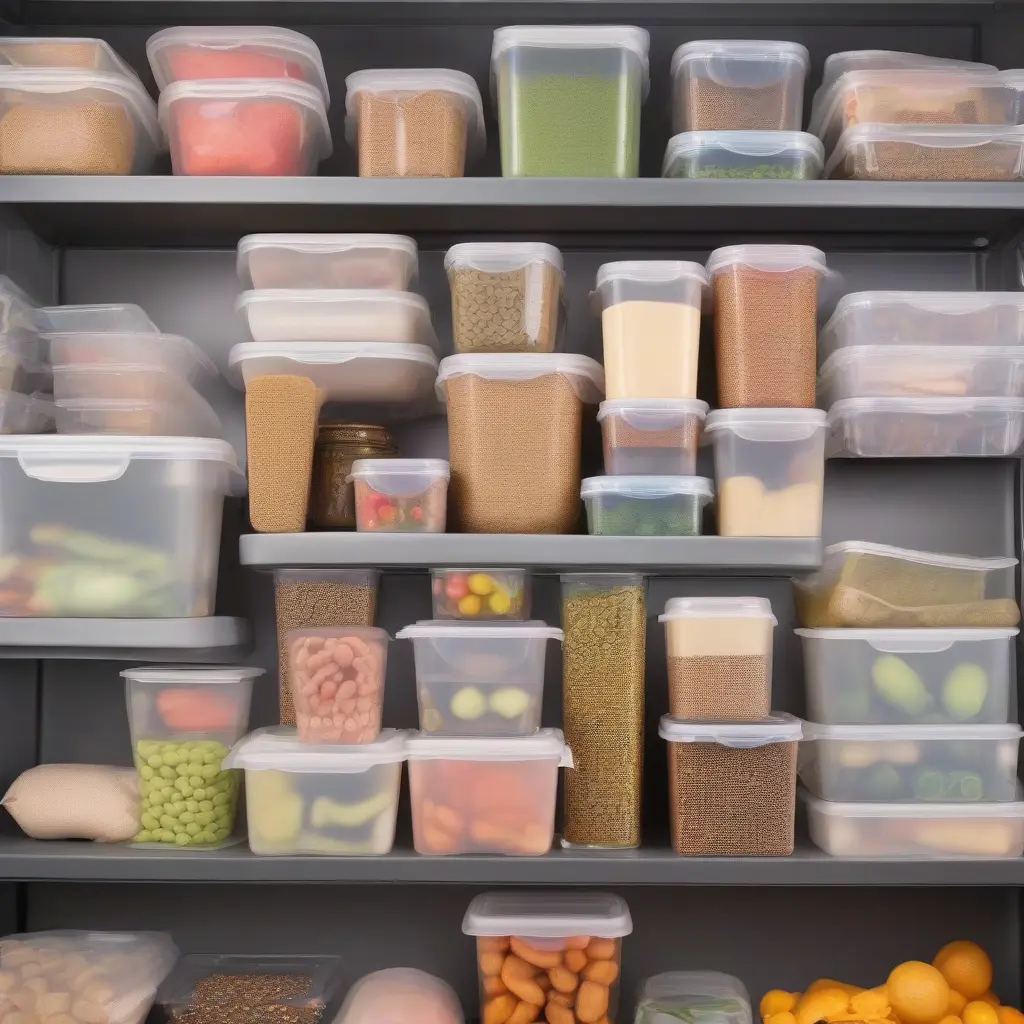
Air-tight seals are vital for preserving the freshness of food and minimizing odor exchange. When food is stored in an air-tight container, it reduces the exposure to air, which can lead to oxidation and spoilage. Ensure your containers have quality seals that fit snugly. This protects the contents from external smells and helps maintain their intended flavors. Investing in high-quality containers with strong seals can make a noticeable difference in how long food remains fresh and how odors are controlled.
Adding Absorbent Materials
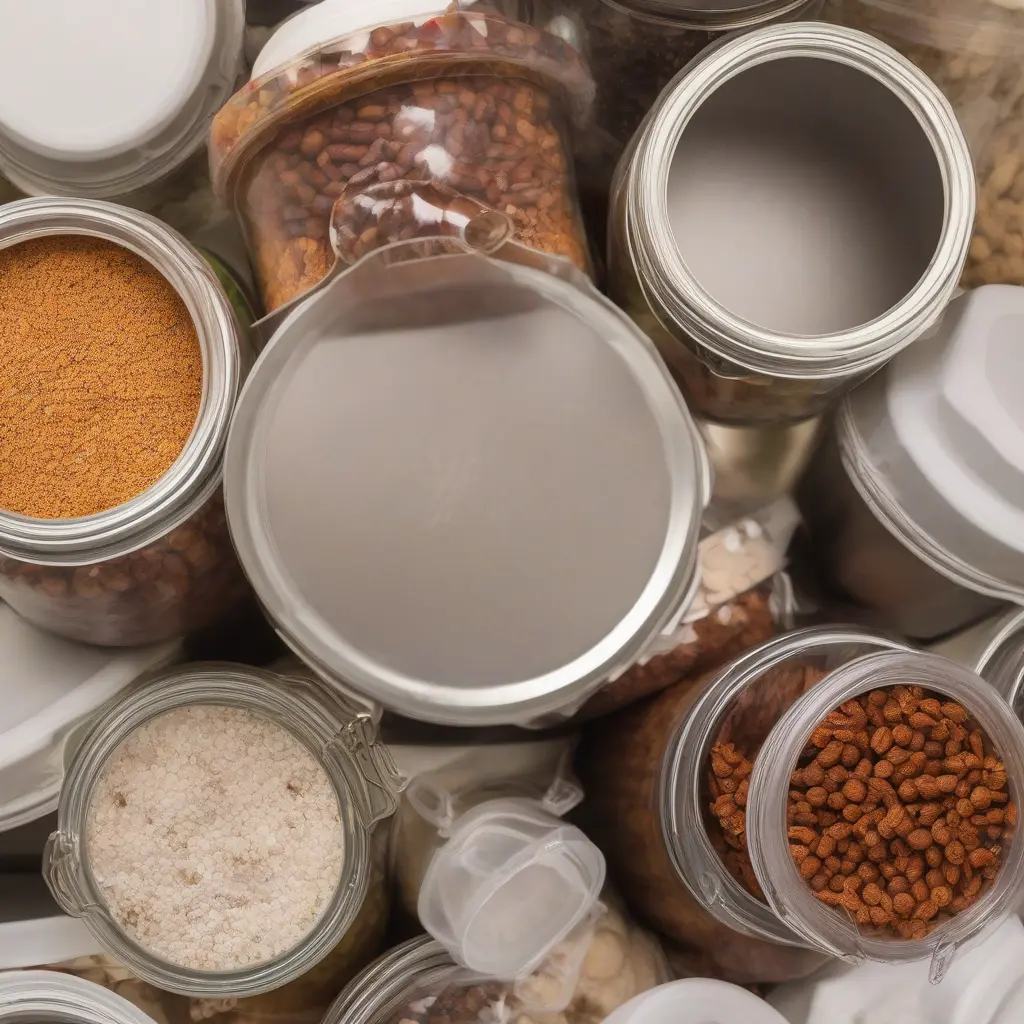
Incorporating absorbent materials within your lunch containers can help combat residual odors effectively. Common options include activated charcoal, baking soda, and even coffee grounds. These materials naturally absorb unwanted smells without imparting any additional scents to your food. Place a small sachet of these items in your container to maintain a fresh environment. Keep in mind to replace them periodically for optimal effectiveness. Utilizing absorbent materials is a simple yet powerful strategy to control odors and enhance your lunch experience.
Storing Foods Separately
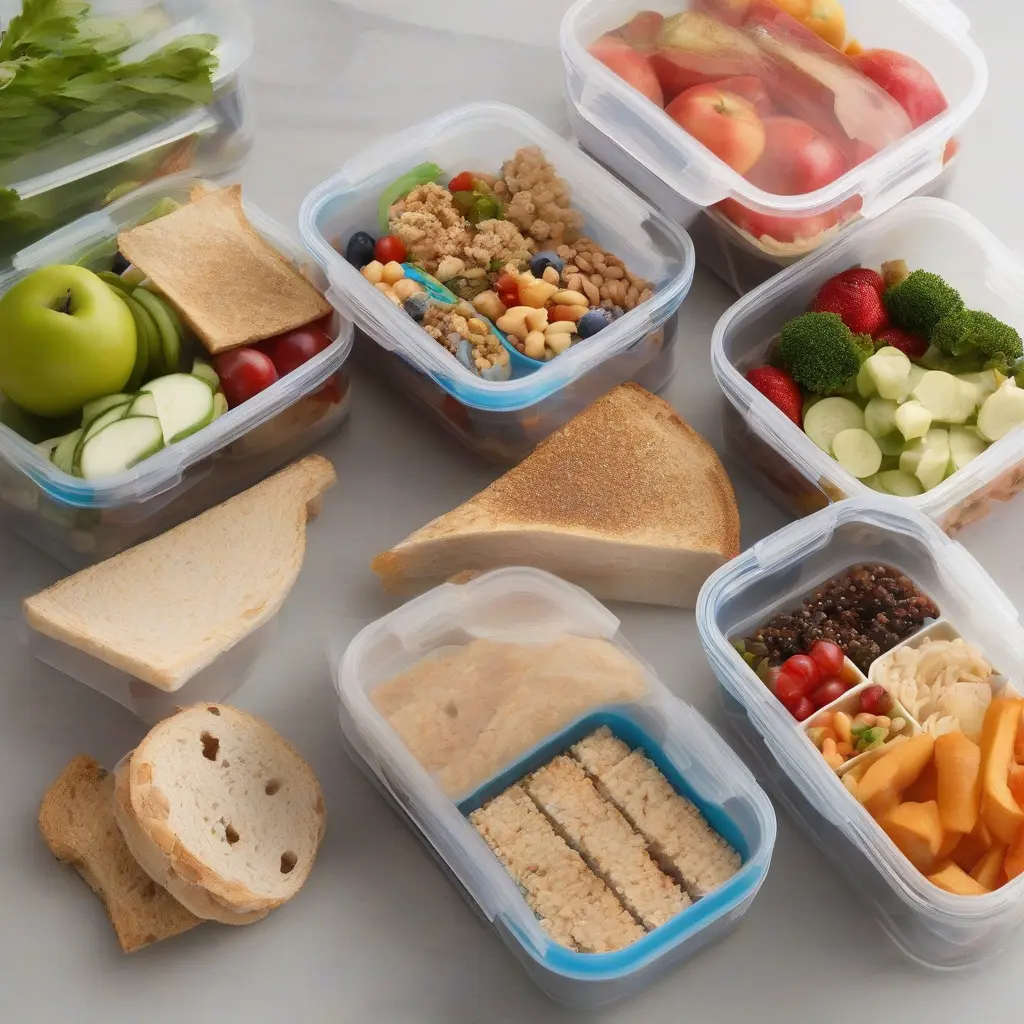
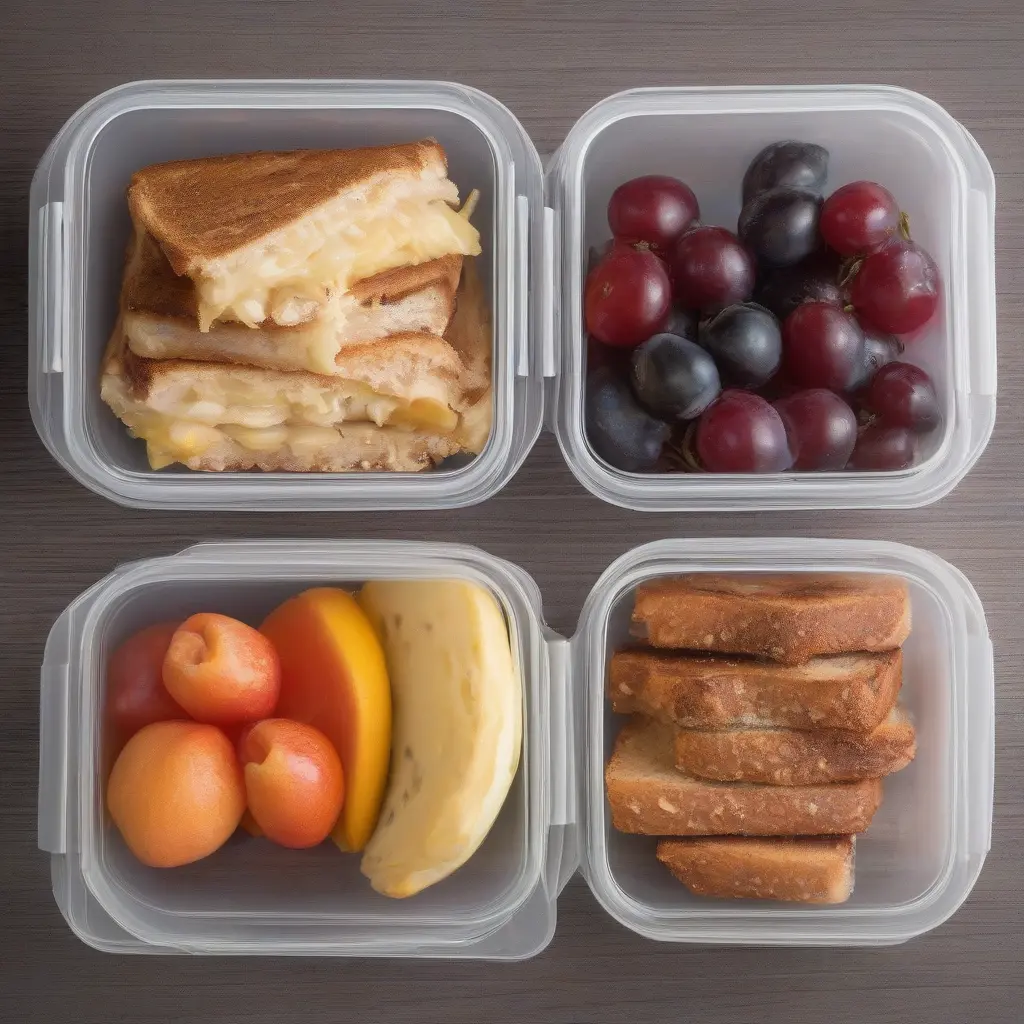
When packing lunches, consider storing strong-smelling foods separately from milder items. Ingredients like onions, garlic, or fish can impart their odors to other foods, altering their taste. Using compartmentalized containers or smaller individual containers will help keep these powerful aromas contained. This method not only preserves the integrity of each food item but also helps prevent any unwanted mingling of smells. By strategically organizing your lunches, you can enjoy a variety of flavors without the interference of potent odors.
Temperature Control
Maintaining proper temperature control is essential in preventing food odors. Bacteria grow rapidly at room temperature, leading to unpleasant smells in stored foods. Pack your lunch with ice packs or insulated containers that keep meals at safe temperatures. Refrigerating leftovers before storage can also help reduce odor development. Keeping meals chilled ensures they remain fresh longer and minimizes the risk of fo od spoilage. Understanding the importance of temperature, you can effectively prolong the freshness of your lunches while avoiding unwanted odors.
Avoiding Strong Smelling Foods
When planning your lunches, consider avoiding foods that are notoriously odorous. Items like hard-boiled eggs, strong cheeses, or spicy dishes are likely to leave lingering smells in containers. If you desire to include these flavors, try prepping them in separate, smaller containers to limit their impact. Alternatively, think about using milder ingredients that provide similar flavors without producing unwanted odors. This mindful approach to meal planning can assist in minimizing the chances of your containers retaining undesirable smells.
Using Natural Deodorizers
Natural deodorizers can be an effective solution for keeping your lunch containers scent-free. Ingredients like lemon, vinegar, and essential oils have proven odor-neutralizing properties. Rubbing a lemon wedge inside the container or adding a splash of vinegar can refresh its interior. For added benefits, consider using essential oils like tea tree or lavender, known for their antibacterial properties. These natural solutions not only tackle odors but can also contribute to a healthier storage environment for your meals, providing a delightful aromatic experience without relying on synthetic fragrances.
Regular Container Maintenance
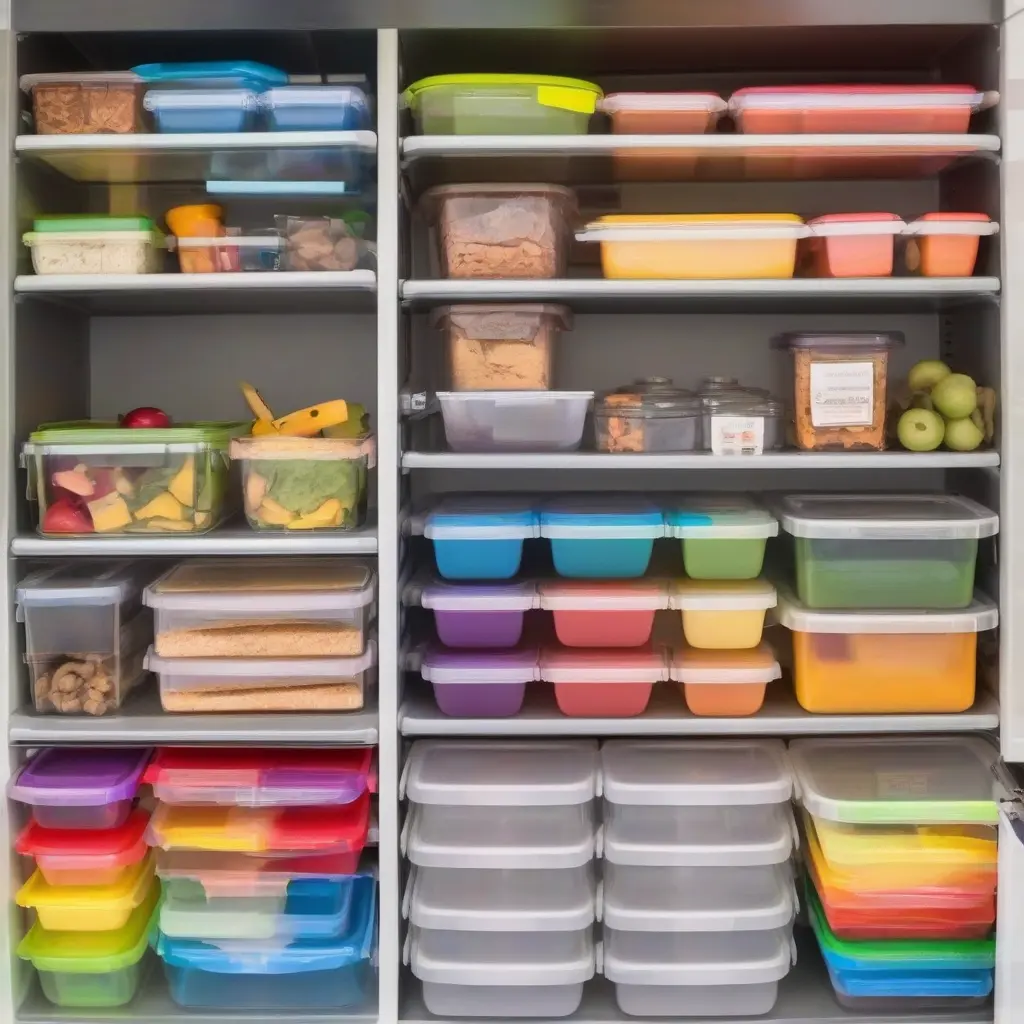
Implementing a routine for regular maintenance of your lunch containers is essential for long-term odor prevention. After each use, quickly clean out any food remnants and perform basic hygiene practices. Additionally, schedule periodic deep cleaning sessions depending on usage frequency. By treating your containers as valuable kitchen tools, you promote their efficiency and longevity. Over time, consistent maintenance will help keep odors at bay, ensuring each new lunch is met with a clean and pleasant storage environment.
Conclusion
Keeping food odors at bay in lunch storage containers is achievable through various effective strategies. By choosing the right materials, cleaning properly, and implementing smart storage techniques, you can ensure your meals retain their intended flavors. Consider absorbent materials, proper temperature control, and natural deodorizers as additional methods to maintain freshness. With these practices, you can savor delicious, odor-free lunches on the go.