Airtight containers play a crucial role in preserving food quality and preventing spoilage. By limiting exposure to air, moisture, and environmental contaminants, these containers help to extend shelf life and maintain the nutritional value of the stored items. The science behind their effectiveness is rooted in understanding the processes that lead to food degradation, including oxidation, microbial activity, and moisture absorption. This article delves into the mechanisms at work in airtight containers, their benefits, the materials they are made of, and practical tips for optimal usage to keep your food fresher for longer.
Understanding Food Spoilage: The Key Factors
Food spoilage occurs due to various factors, including microbial growth, enzymatic degradation, and oxidation. Microorganisms such as bacteria, yeasts, and molds thrive in environments rich in moisture and oxygen. Enzymatic reactions can cause changes in taste, color, and texture, while oxidation leads to rancidity in fats and loss of vitamins. By understanding these processes, we can appreciate the importance of airtight containers in creating an environment that minimizes exposure to air and moisture, thereby significantly slowing down spoilage and preserving food quality.
How Airtight Containers Work
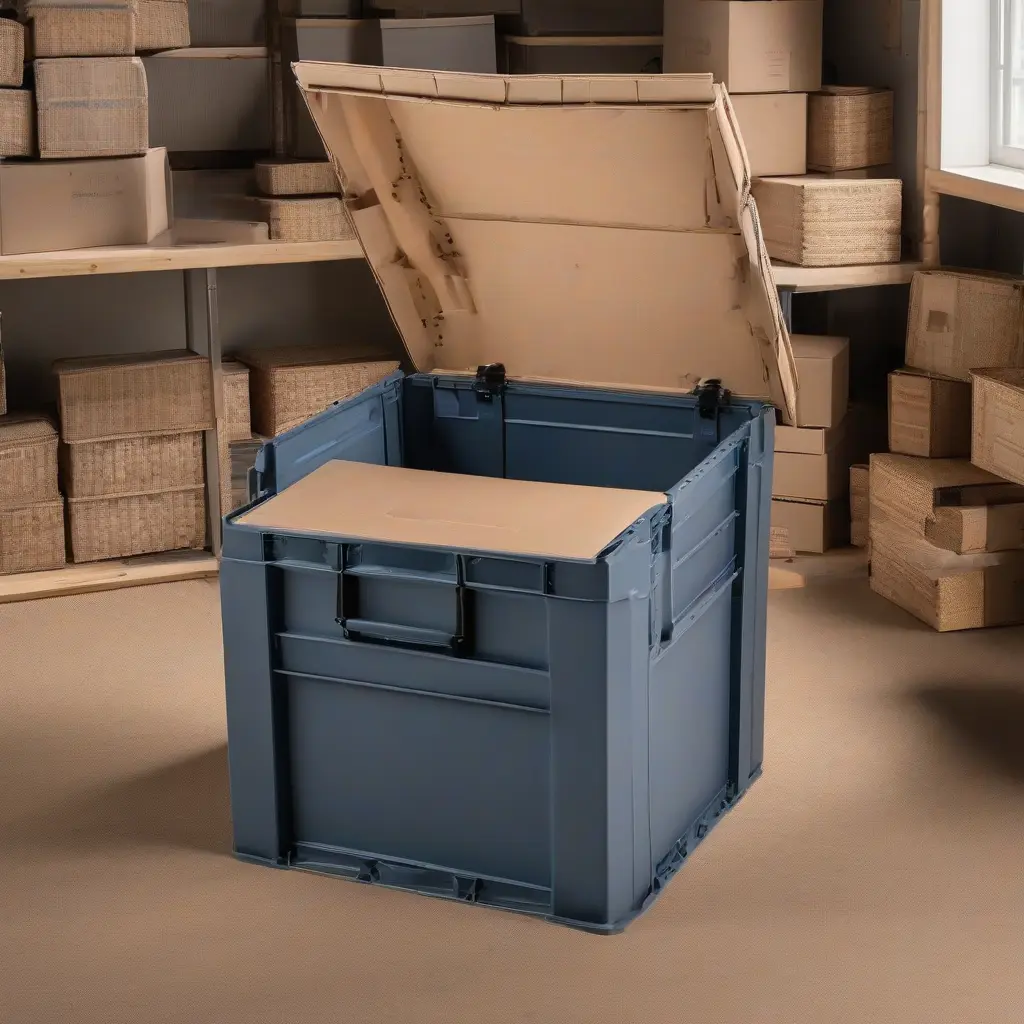
Airtight containers create a sealed environment that prevents the passage of air and moisture. This effective sealing mechanism is usually achieved through rubber gaskets or specially designed lids that lock tightly. When the lid is closed, it eliminates the air inside the container, reducing oxygen levels. This is crucial, as oxygen fuels the growth of spoilage-causing microorganisms and initiates oxidation reactions. Furthermore, moisture is also kept out, which is vital since high humidity can encourage mold growth. Therefore, by minimizing these two primary factors, airtight containers contribute significantly to food preservation.
Materials Used in Airtight Containers
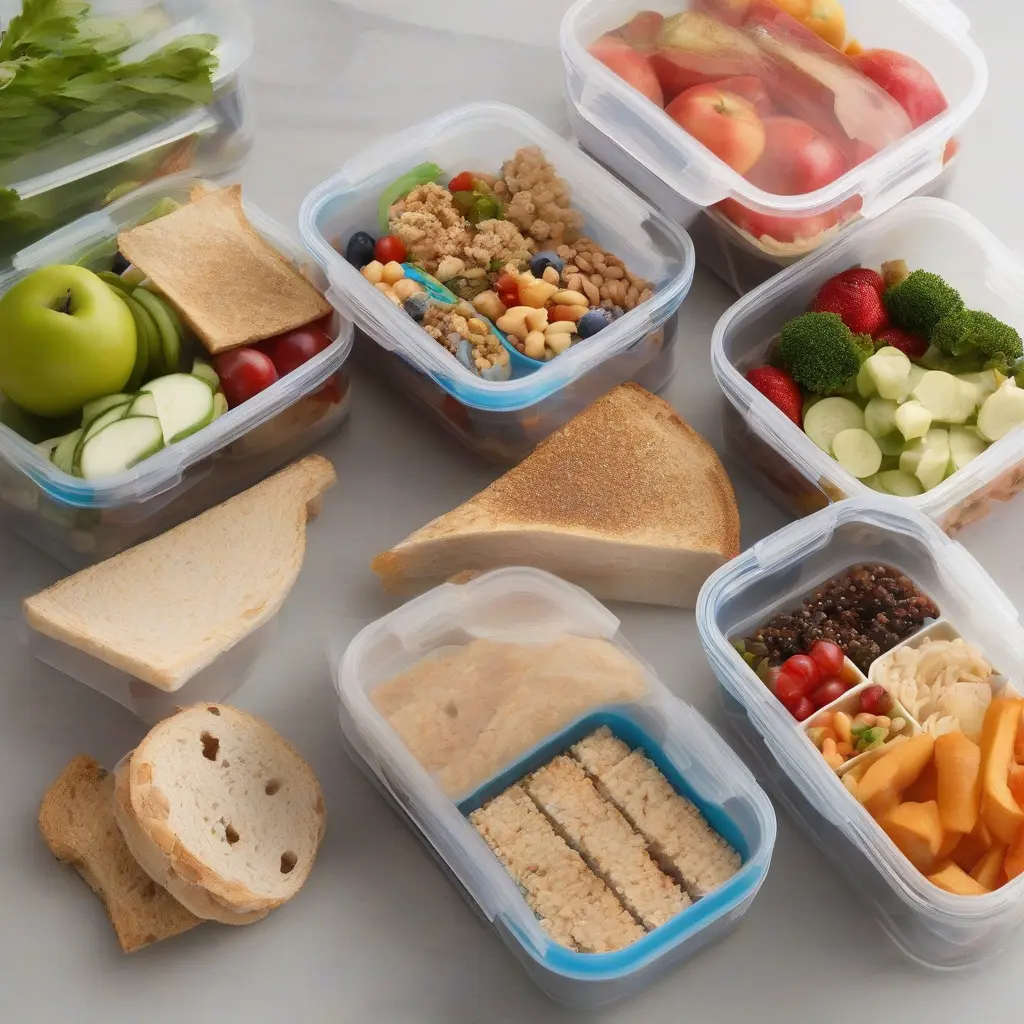
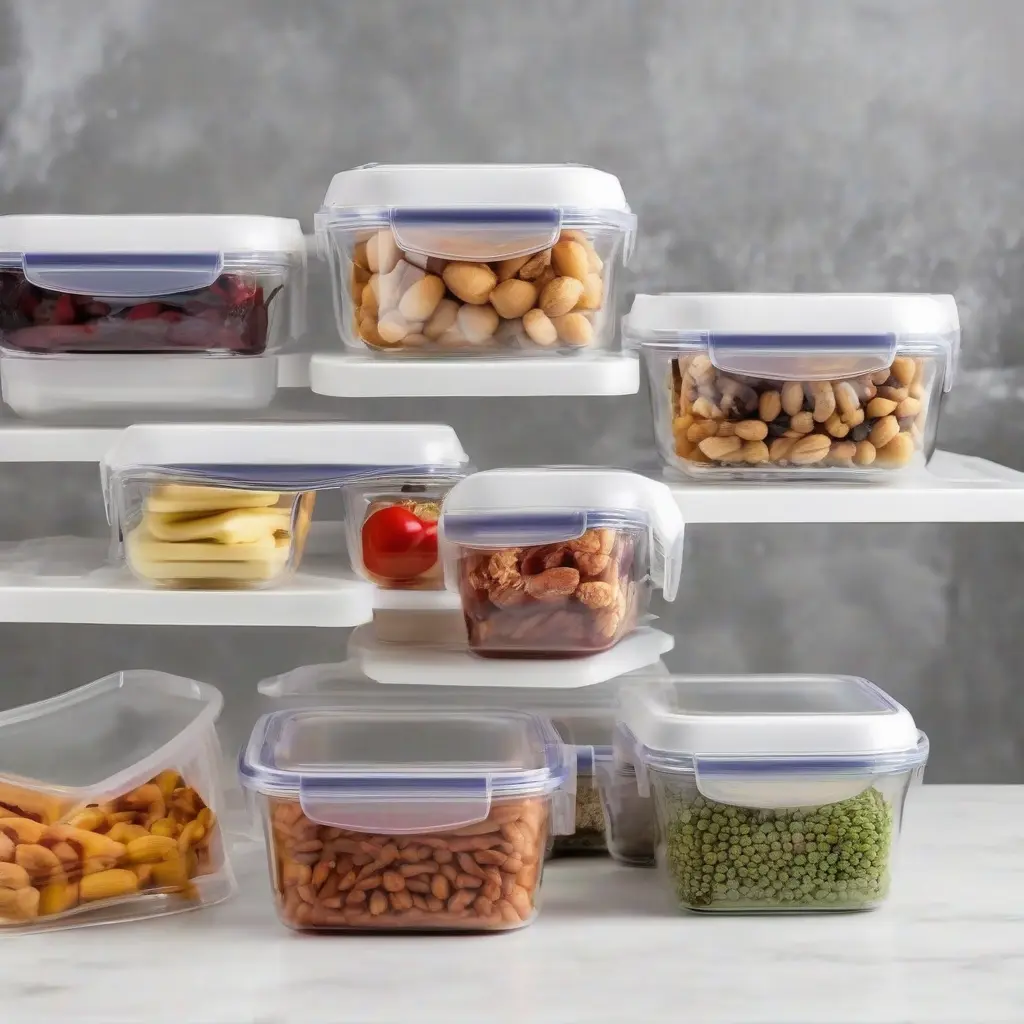
Airtight containers are typically made from materials such as glass, plastic, and stainless steel. Glass containers are non-reactive, making them ideal for storing various foods without imparting any flavors. Transparent glass also allows for easy visibility of contents. Plastic containers are lightweight and come in various shapes and sizes, providing flexibility for food storage but must be BPA-free to avoid harmful chemicals leaching into food. Stainless steel containers are durable and rust-resistant, offering an excellent option for long-term storage. Each material has its pros and cons, making the choice dependent on individual needs.
Benefits of Using Airtight Containers
Using airtight containers provides multiple benefits, primarily centered around food preservation and safety. By preventing air and moisture entry, these containers delay spoilage, enabling you to enjoy your food longer without compromising quality. They also minimize odors and prevent cross-contamination, keeping different food items fresh. Additionally, airtight containers help in reducing food waste, which is a significant environmental concern. Less spoilage translates to fewer thrown-away items, making your food storage practices more sustainable and economical.
Impact on Nutritional Quality
Airtight containers not only preserve food’s freshness but also play a role in maintaining its nutritional quality. Exposure to air can lead to the degradation of vitamins, particularly sensitive ones like vitamins A and C. Furthermore, oxidation can lead to the formation of harmful compounds in fats and oils. By providing an oxygen-free environment, airtight containers slow down these degradation processes, allowing you to preserve essential nutrients in your food. This is particularly important for those who prioritize healthy eating and want to ensure they are receiving optimal nutrition from their meals.
Best Practices for Using Airtight Containers
To fully benefit from airtight containers, it’s essential to use them correctly. Start by ensuring that the container is clean and completely dry before storing any food. Always fill the container to the top, eliminating as much air as possible. For items like grains or snacks, consider adding an oxygen absorber for enhanced effectiveness. Label containers with the storage date to monitor freshness better, and avoid storing hot foods directly in airtight containers, as steam buildup can lead to moisture inside. These best practices can enhance the longevity and quality of your stored food.
Choosing the Right Airtight Container
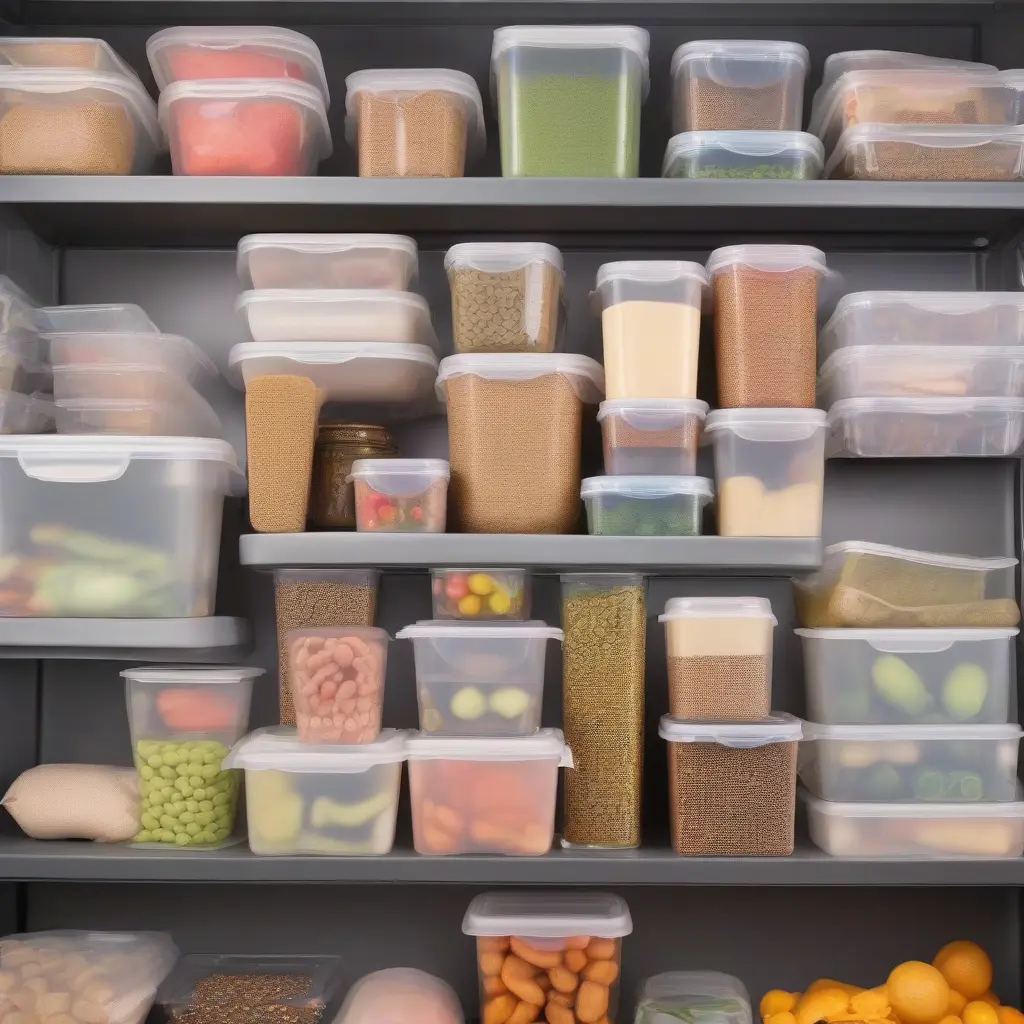
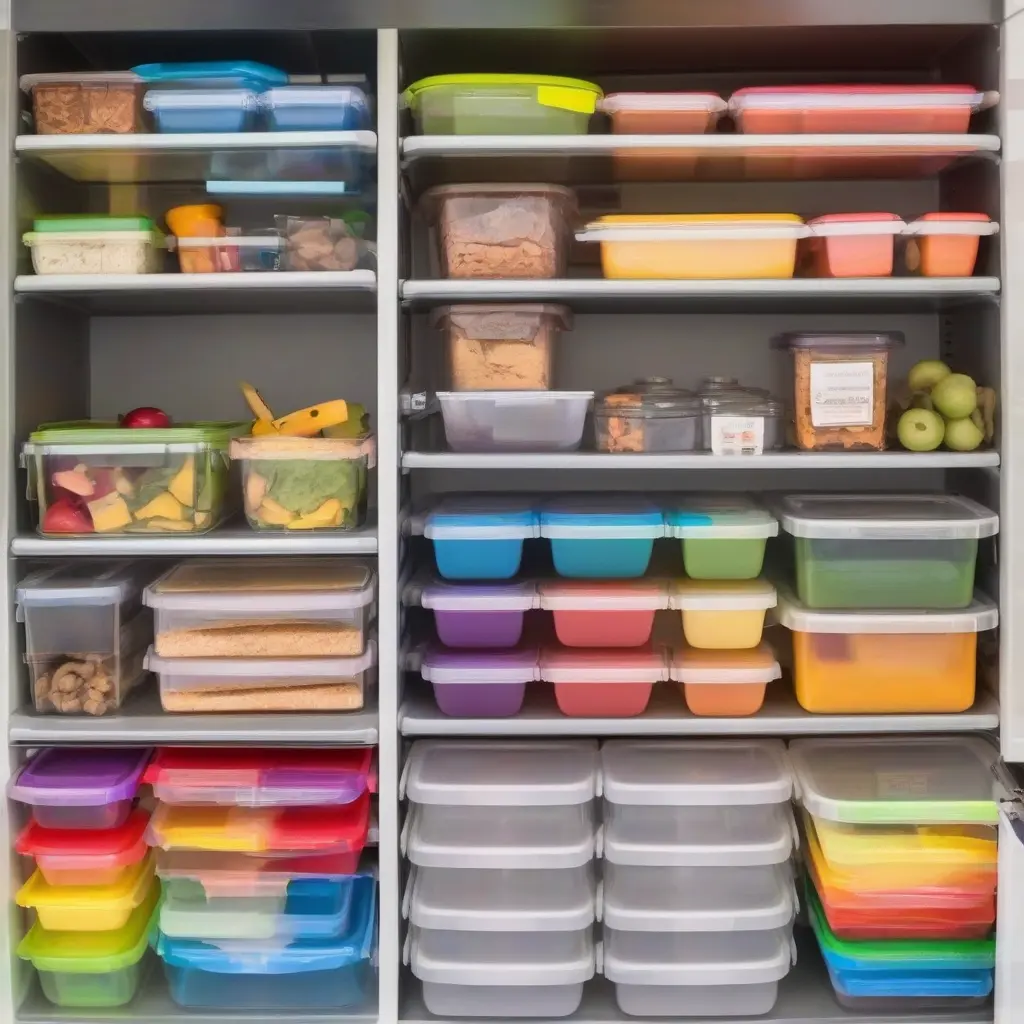
When selecting an airtight container, consider the type of food you plan to store. For dry goods like pasta or cereal, a medium-sized plastic or glass container will suffice. If you’re storing liquids or semi-liquids, opt for containers with a secure locking mechanism. It’s also advisable to choose container sets that stack efficiently for better organization. Look for BPA-free materials to ensure safety, especially when storing food that requires long-term storage. Ultimately, the right choice will depend on your specific storage needs and kitchen space.
Limitations of Airtight Containers
While airtight containers are highly effective, they are not without limitations. Certain foods, such as whole fruits and vegetables, may require ventilation to prevent mold growth, as they can produce moisture. Airtight containers also don’t prevent the growth of anaerobic bacteria that thrive in low-oxygen environments. Additionally, if a container is not properly sealed, it can allow air or moisture inside, defeating its purpose. Being aware of these limitations is crucial for effective food storage and maximizing the lifespan of your food items.
Conclusion
In conclusion, airtight containers significantly contribute to preventing food spoilage by minimizing exposure to air and moisture. By understanding the science behind their functionality and following best practices for storage, individuals can enhance food preservation, maintain nutritional quality, and reduce waste. Choosing the right type of container for specific foods can further optimize results, ensuring that the food remains fresh for a longer duration. Investing in high-quality airtight containers is a practical step for anyone looking to improve their food storage strategy.