When it comes to long-term food storage, choosing between airtight containers and vacuum sealed bags is essential for maintaining food quality and freshness. Each method has its unique benefits and drawbacks, making it crucial to understand their differences. Airtight containers provide a sturdy and reusable option for several types of food, while vacuum sealed bags are excellent for reducing oxygen exposure and preventing freezer burn. In this article, we will explore the characteristics, advantages, and disadvantages of both choices, helping you make an informed decision for your long-term storage needs.
Understanding Airtight Containers
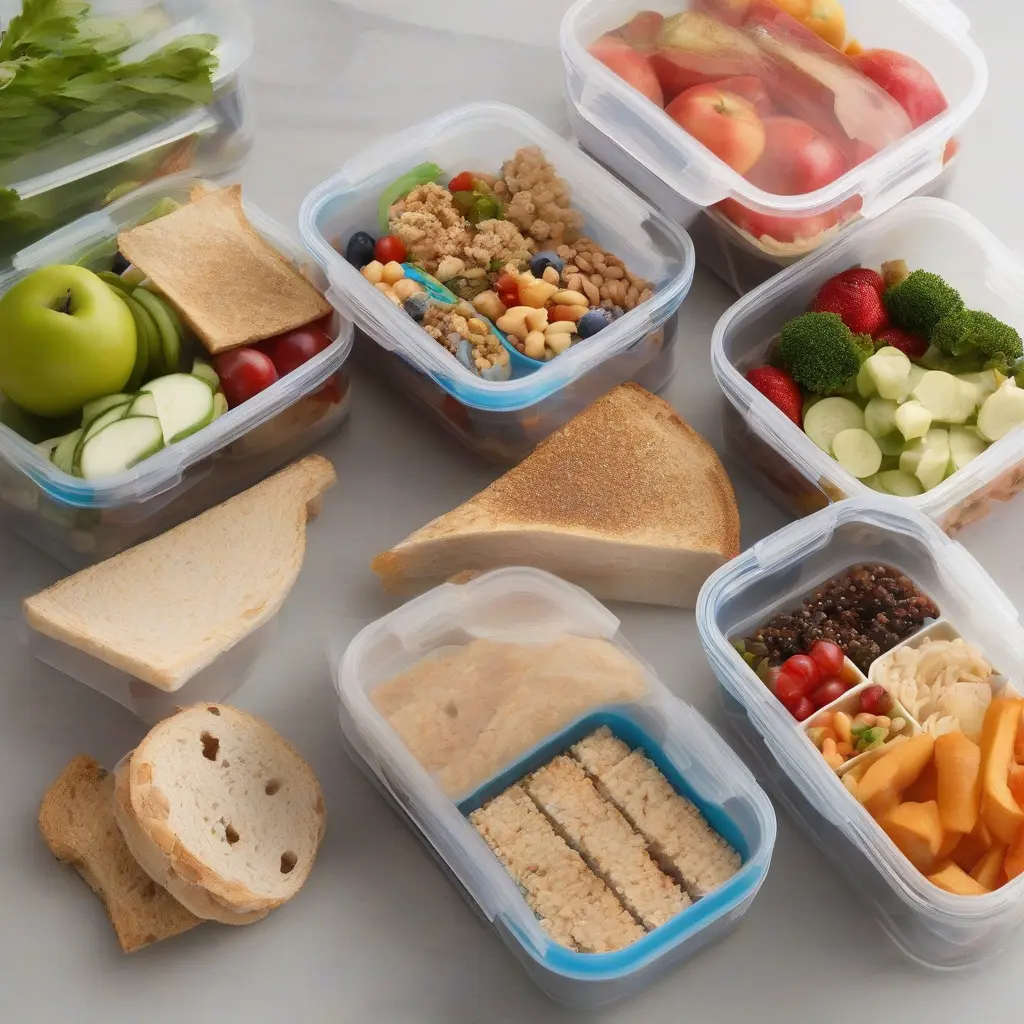
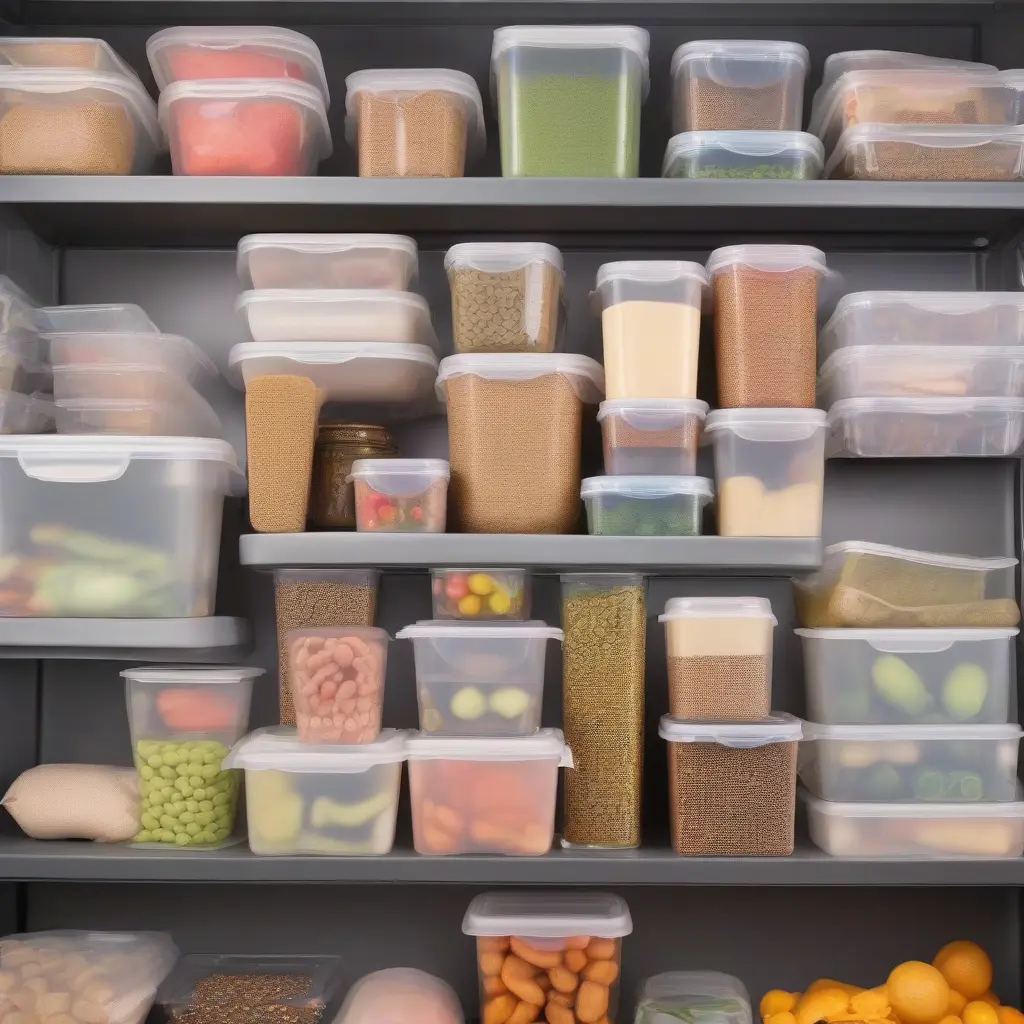
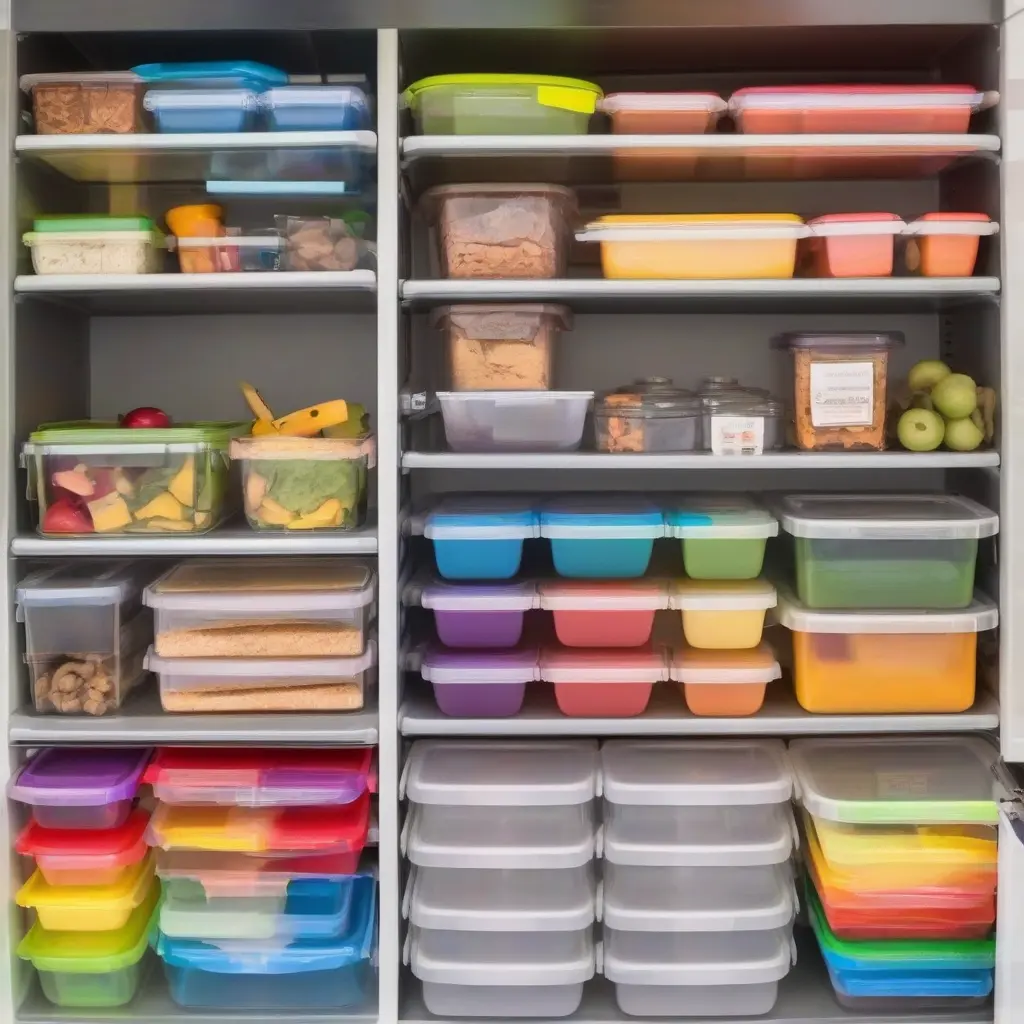
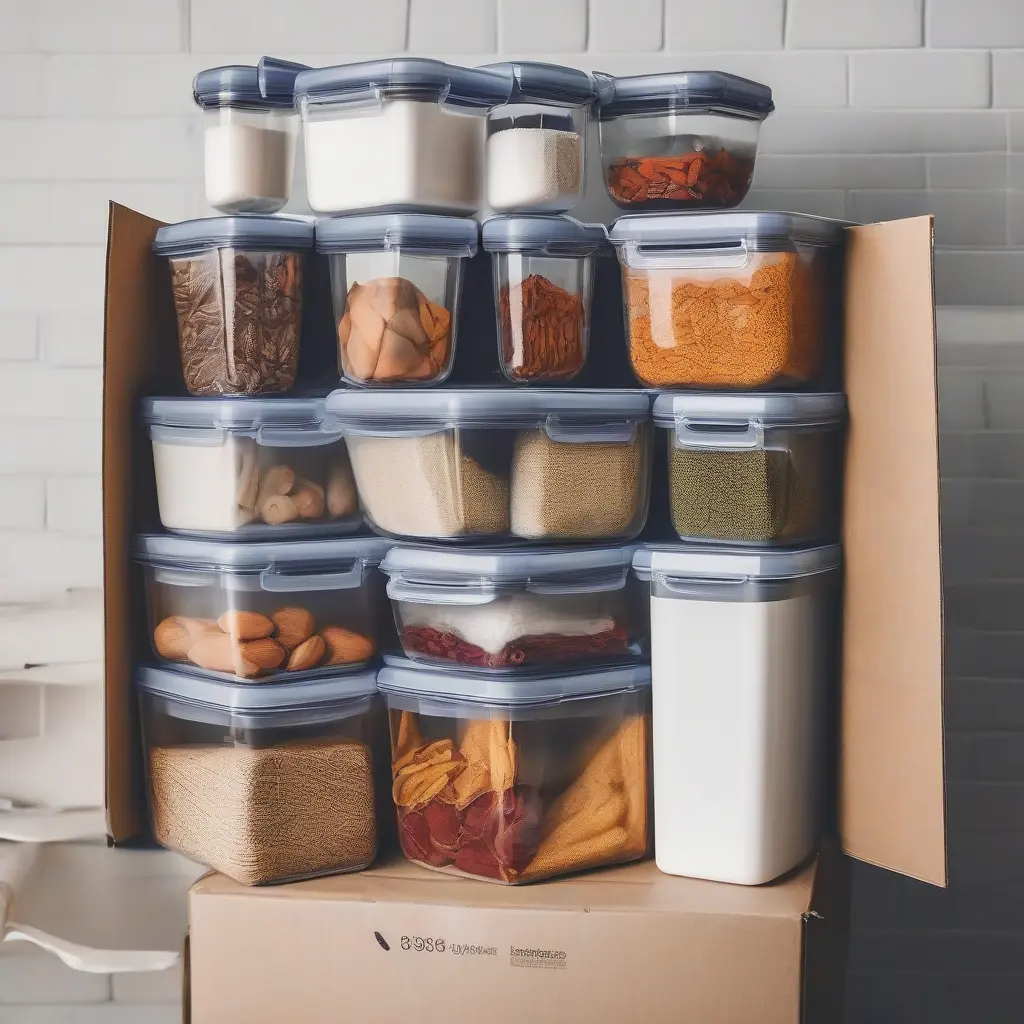
Airtight containers are specially designed to create a seal that prevents air from entering or exiting, thereby keeping contents fresh for a longer duration. These containers are usually made from durable materials such as glass or plastic, which ensures that they are reusable and resistant to moisture. They are ideal for storing a variety of food items, ranging from grains and cereals to snacks and leftovers. Additionally, their transparent nature allows easy visibility of contents, facilitating organization and reducing waste.
Characteristics of Vacuum Sealed Bags
Vacuum sealed bags work by removing air from the bag before sealing it, which drastically reduces oxygen levels that contribute to spoilage. These bags are typically made from heavy-duty plastic that is thicker than standard plastic wrap, providing enhanced protection against punctures and tears. Vacuum sealing is particularly effective for preserving meats, vegetables, and dry goods, as it minimizes freezer burn and the growth of bacteria. This method is also space-efficient since vacuum-sealed items can often be stored flat or stacked.
Benefits of Airtight Containers
One of the most significant benefits of using airtight containers is their durability and reusability. Unlike vacuum sealed bags, which are often single-use, airtight containers can be washed and reused multiple times, making them an eco-friendly option. They also provide a solid barrier against pests, moisture, and light, significantly extending shelf life. Furthermore, they come in various sizes and shapes, making it easier to store different types of food without compromising on space.
Advantages of Vacuum Sealing
Vacuum sealing offers specific advantages, particularly when it comes to long-term food preservation. By eliminating almost all the air surrounding the food, vacuum sealed bags can significantly slow down the aging process and maintain the food’s original taste and texture. This method is especially beneficial for items sensitive to oxidation, like nuts and oils. Additionally, vacuum sealing is often more effective for bulk storage, allowing users to divide food into manageable portions while minimizing the risk of spoilage.
Limitations of Airtight Containers
Despite their many advantages, airtight containers do come with limitations. They can be bulkier than vacuum sealed bags, taking up more space in cabinets and refrigerators. Their effectiveness also heavily relies on proper sealing; any cracks or damages can lead to air infiltrating the container, which may spoil the food inside. Furthermore, while they are efficient for many food items, they may not be the best option for items that tend to absorb moisture or odors.
Drawbacks of Vacuum Sealed Bags
While vacuum sealing has several benefits, it also has drawbacks that should be considered. The bags can be more susceptible to punctures, which can compromise the vacuum seal and lead to spoilage. Additionally, reheating food stored in vacuum sealed bags can be tricky, as many of these bags are not designed for high temperatures. After repeated vacuum sealing, the bags may lose their elasticity, requiring replacement. Lastly, vacuum sealing might lack the visual appeal that comes with using transparent containers.
Best Foods to Store in Airtight Containers
Airtight containers are particularly effective for a wide range of dry foods, such as grains, pasta, cereals, and snacks. These containers also work well for leftovers and pre-prepared meals that you want to keep fresh. Items that require protection from moisture, such as sugar and flour, benefit from being stored in airtight containers. Their sturdiness also makes them ideal for bulk storage and for products that are consumed intermittently, ensuring that the food does not spoil in between uses.
Ideal Foods for Vacuum Sealing
Vacuum sealing shines in preserving meats, fish, and vegetables, making it an excellent choice for seasonal produce and bulk purchases. Foods that are prone to freezer burn, such as fruits and bread, also benefit significantly from vacuum sealing since the lack of air drastically extends their storage life. Additionally, vacuum sealing is advantageous for soups and liquids when frozen, as long as the bags are appropriately managed to prevent spills.
Cost Considerations for Both Methods
When considering cost, airtight containers require a one-time investment in durable materials, which can be an advantage in the long run given their reusability. In contrast, vacuum sealing often involves purchasing a vacuum sealer machine and the bags themselves, which can add up over time, especially if used frequently. While the upfront cost of vacuum sealing might be higher, the longevity of the food preserved can justify the expense depending on your storage needs.
Environmental Impact of Each System
The environmental impact of storage methods is a growing concern for many consumers. Airtight containers generally have a smaller ecological footprint, as they can be reused countless times, reducing the need for single-use materials. On the other hand, vacuum sealed bags typically contribute to plastic waste, especially if not recycled properly. However, some brands offer biodegradable vacuum sealing options, which can lessen their environmental impact, making it vital to consider eco-friendly alternatives when selecting storage systems.
Making the Right Choice for Your Needs
Choosing between airtight containers and vacuum sealed bags largely depends on your specific storage needs and preferences. If you prioritize durability and versatility and intend to store various foods, airtight containers may be the better option. Conversely, if your focus is on maximizing freshness and preventing freezer burn for perishable items, vacuum sealed bags might be ideal. Assessing the types of food you frequently store and your storage environment will help you make an informed decision.
Conclusion
In conclusion, both airtight containers and vacuum sealed bags serve distinct purposes for long-term food storage, with unique advantages and disadvantages. Airtight containers offer durability and stability, while vacuum sealing excels in oxygen reduction and space efficiency. Your choice should be based on individual storage requirements, the types of food being preserved, and personal preferences, leading to optimal freshness and quality in your long-term storage endeavors.