Properly sealing grain storage boxes is essential for maintaining food freshness, preventing spoilage, and reducing pest intrusion. Many factors can affect the quality of grains, including moisture, air exposure, and temperature fluctuations. By following the right sealing techniques, you can significantly extend the shelf life of your stored grains and ensure they remain safe for consumption. This article will provide comprehensive guidance on proper sealing methods, materials to consider, and additional tips for maintaining optimal storage conditions.
Understanding the Importance of Sealing
Sealing grain storage boxes effectively is crucial for preserving the quality of food due to several factors. When grains are exposed to air, moisture, and light, they become more susceptible to mold growth, nutrient degradation, and pest infestations. Additionally, temperature changes can accelerate spoilage. Ensuring a tight seal not only keeps these elements out but also maintains a stable environment where grains can stay fresh for extended periods. Proper sealing techniques can drastically reduce waste, saving both money and resources in the long run.
Choosing the Right Storage Container
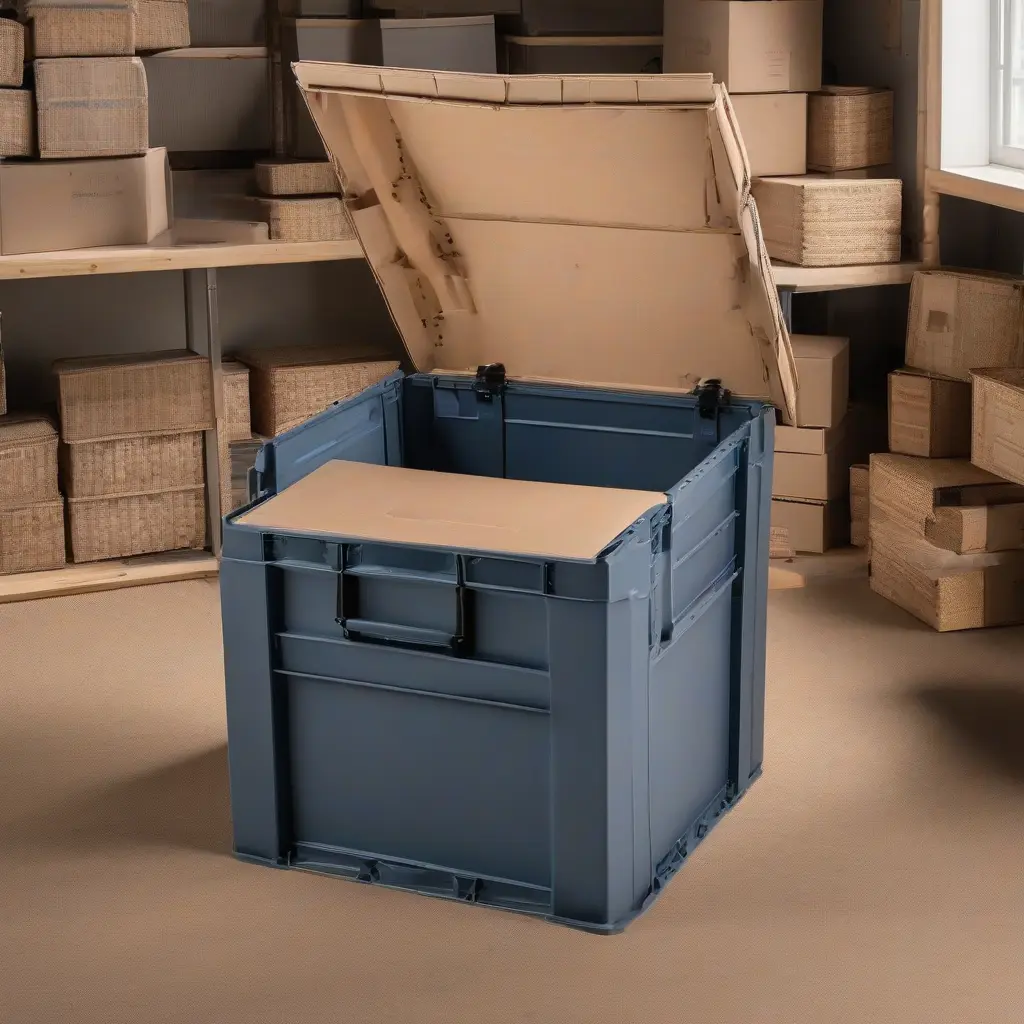
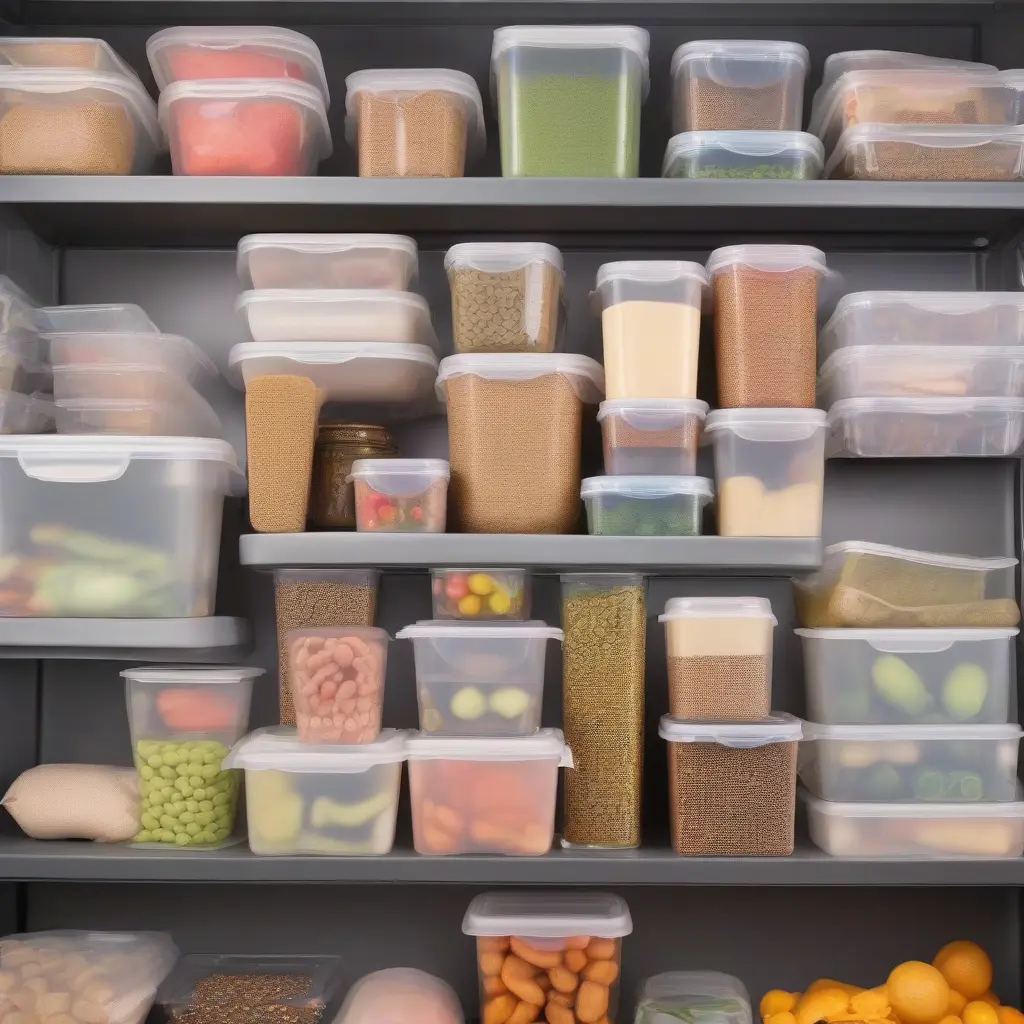
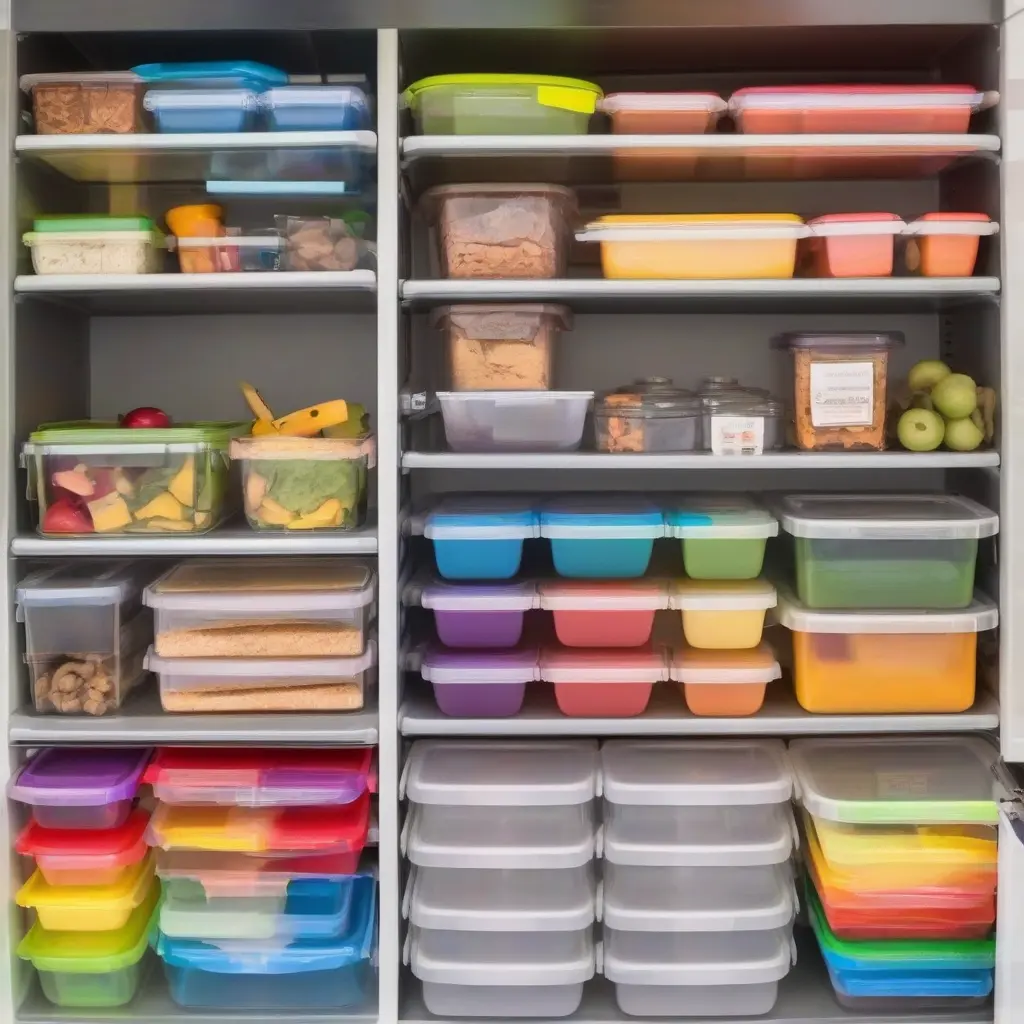
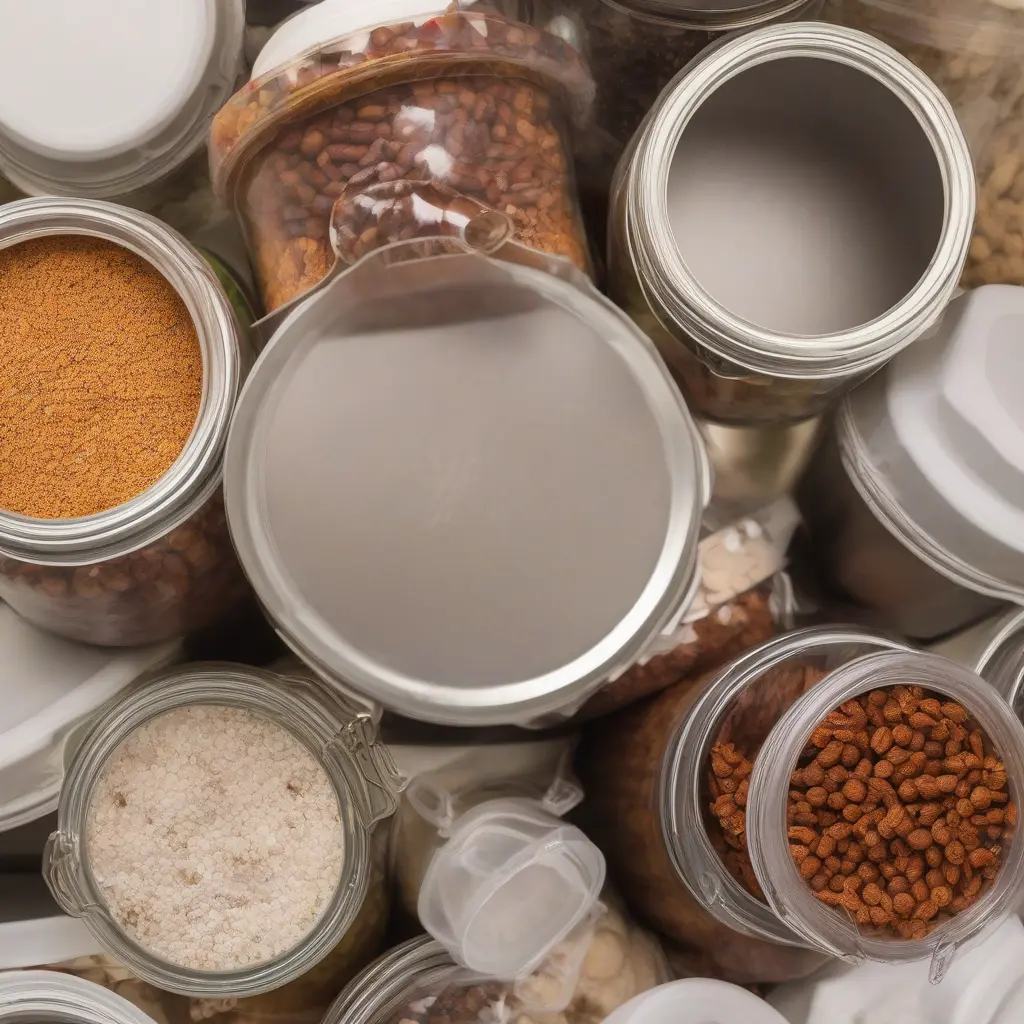
Selecting the appropriate grain storage container is the first step in keeping food fresh. Containers should ideally be airtight, durable, and resistant to moisture. Food-grade plastic, glass, and metal containers are popular choices, with each having its advantages. Plastic containers are lightweight and easy to handle, while glass is non-porous and can be easily cleaned. Metal containers offer robust protection against pests and moisture but may require careful handling. It’s vital to choose containers specifically designed for food storage to avoid chemical leaching.
Utilizing Airtight Sealing Techniques
Airtight sealing is vital in preserving the freshness of stored grains. One of the most effective methods involves using vacuum sealers, which remove air from the container and seal it simultaneously. For those without access to vacuum sealers, resealable bags and rubber gaskets can also help in maintaining an airtight environment. Additionally, ensure that the sealing mechanism is intact before storage, and check regularly for any wear or damage that may compromise the seal. Investing in high-quality sealing solutions pays off in the long-term shelf life of your grains.
Incorporating Desiccants for Moisture Control
Moisture control is critical in grain storage, as it can lead to spoilage and mold growth. Incorporating desiccants—substances that absorb moisture—into your grain storage boxes can greatly enhance their freshness. Commonly used desiccants include silica gel packets, which can effectively reduce humidity levels. Placing a few of these packets in your storage containers helps maintain the stability of the environment. However, it is essential to monitor the condition of the desiccants periodically, replacing them as needed to ensure they continue to perform effectively.
Maintaining Optimal Storage Conditions
In addition to proper sealing techniques, maintaining optimal storage conditions is crucial. Store grain containers in a cool, dark, and dry place to mitigate the effects of temperature fluctuations and light exposure. Ideally, the storage area should have low humidity levels to prevent condensation inside the containers. Avoid placing storage boxes in areas with direct sunlight or high heat, such as near stoves or heat vents. Regularly check the storage environment to ensure it remains conducive to keeping your grains fresh and safe from contamination.
Regularly Inspecting Stored Grains
Conducting regular inspections of your stored grains can help identify any issues before they escalate. Check the containers for signs of moisture, pest infestations, or unusual odors. Look for any changes in the grains’ appearance, such as discoloration or mold growth. Immediate action on any discrepancies can prevent greater loss and maintain the quality of the remaining stock. Scheduling routine checks can contribute significantly to the longevity of the grains and provide peace of mind regarding food safety.
Educating Yourself About Common Pests
Being aware of common pests that target grain storage is essential in preventing infestations. Common culprits include weevils, moths, and grain beetles. These pests can quickly multiply and cause significant damage if not addressed promptly. Familiarize yourself with signs of infestations, such as webbing or small holes in packaging. Additionally, employ preventive measures such as using pest-proof containers, cleaning storage areas, and observing proper hygiene practices when handling grains. Education on how to recognize and deter pests helps protect your stored food from contamination.
Using Proper Filling Techniques
Ensuring that storage boxes are filled correctly can contribute significantly to their effectiveness. Avoid overfilling containers, as this can lead to compression and potential spoilage. Leave some headspace to allow for some slight expansion, especially if moisture is present. When filling, aim to use dry grains only and avoid mixing old and new grains together, as this can lower the overall quality. Proper filling not only optimizes the sealing process but also makes it easier to inspect the contents periodically.
Utilizing Innovative Storage Solutions
Consider exploring innovative storage solutions that enhance the sealing and preservation of grains. Advanced options include temperature-controlled storage units that maintain stable conditions regardless of external fluctuations. Additionally, some products come with built-in humidity controls to further protect stored grains. These innovative solutions can be especially beneficial for those with significant grain inventory, ensuring that all aspects of storage are optimized for quality preservation. Investing in technology can yield long-term savings through reduced spoilage rates.
Conclusion
In conclusion, properly sealing grain storage boxes is a multifaceted approach that involves choosing the right containers, employing effective sealing techniques, and maintaining favorable storage conditions. Regular inspections, pest awareness, and innovative storage solutions can further support the longevity and quality of stored grains. By adhering to these practices, you can ensure that your food remains fresh, safe, and free from spoilage, contributing to a more sustainable approach to grain storage.